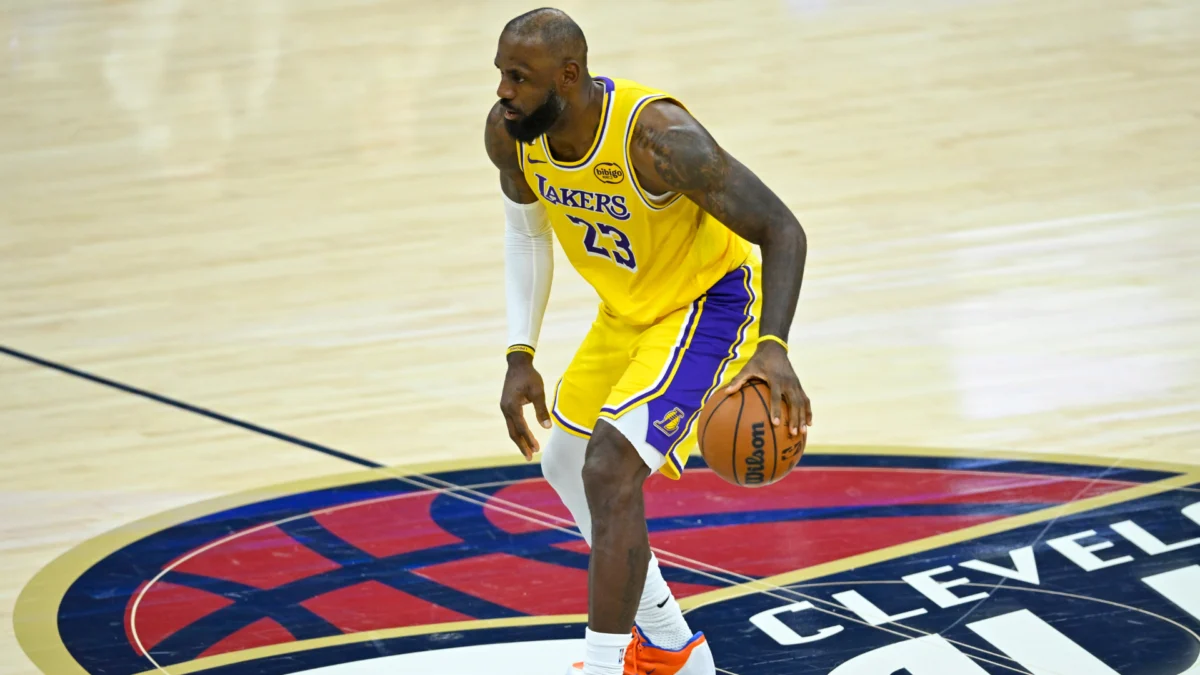
The seismic shift in the NBA’s power structure was confirmed Friday as sportsamo.com reported that LeBron James, arguably the greatest player of his generation, has agreed to terms with the Philadelphia 76ers, marking the fourth team change in his illustrious, now legendary, career. This monumental decision, coming nearly a month into the official free agency period, has sent ripples across the league, solidifying the 76ers as an immediate championship contender and reshaping the competitive balance of the Eastern Conference for the foreseeable future.
NBA free agency officially kicked off at 6 p.m. ET on June 30th, igniting a furious cascade of signings that saw over 30 of the league’s top 40 free agents agree to deals within the first 48 hours. Yet, the biggest domino, James’s future, remained tantalizingly unturned until now. At 41 years old, LeBron continues to defy Father Time, showcasing a level of sustained excellence rarely, if ever, seen in professional sports. His departure from the Los Angeles Lakers signals the end of an era in Hollywood and the beginning of a new, potentially dominant, chapter in the City of Brotherly Love.
For the Philadelphia 76ers, this acquisition is nothing short of a franchise-altering coup. Pairing James with reigning MVP Joel Embiid and dynamic guard Tyrese Maxey creates a formidable "Big Three" that immediately vaults them into the top tier of contenders. The strategic fit is intriguing: James’s unparalleled playmaking, court vision, and veteran leadership can alleviate pressure on Embiid, allowing the dominant center to operate with even greater efficiency. His ability to elevate teammates and control the pace of the game will be invaluable, particularly in the high-stakes environment of the playoffs. This move echoes historical parallels of late-career superstars joining established contenders, such as Karl Malone and Gary Payton linking up with the Lakers or Kevin Garnett and Paul Pierce joining the Celtics, though James’s individual impact at his age remains unprecedented. The financial commitment to James, while undoubtedly substantial, is a testament to the 76ers’ "all-in" approach to securing a championship.
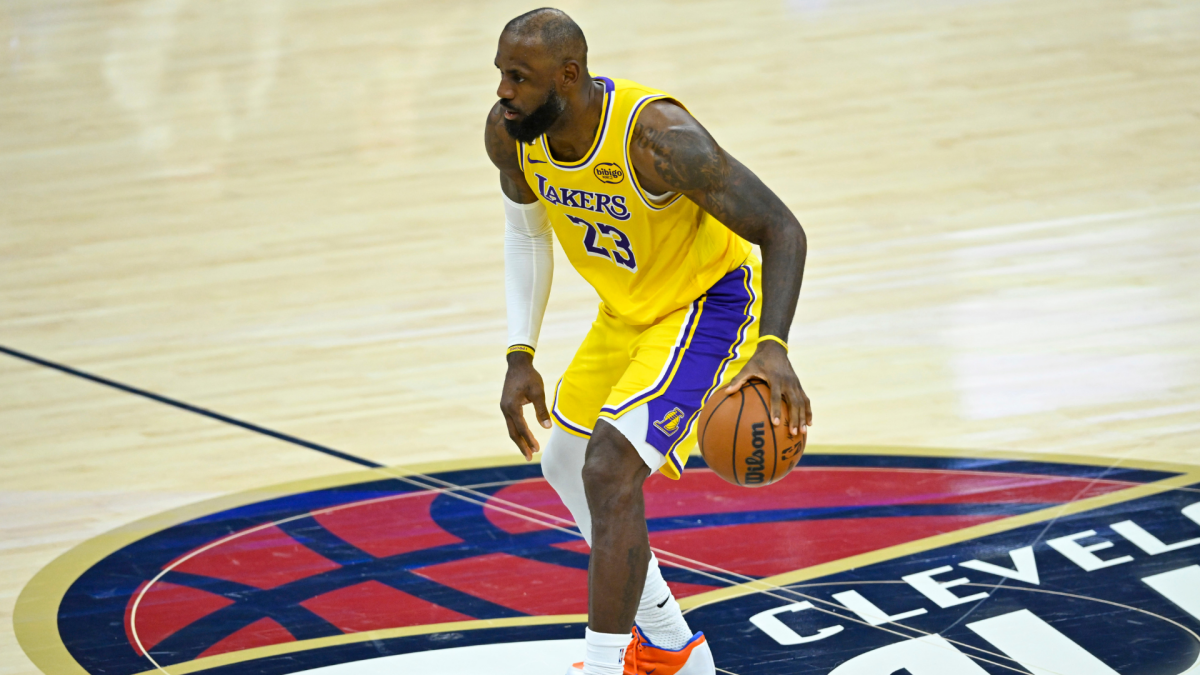
With James’s situation finally settled, attention now pivots to the remaining significant names still available on the market. Among them are veteran stalwarts James Harden and Draymond Green, both of whom are widely expected to return to their respective teams, the Cleveland Cavaliers and Golden State Warriors. Their prolonged negotiations often indicate a dance around cap intricacies or a desire to finalize details after the initial frenzy, but their importance to their current franchises cannot be overstated. Harden’s offensive firepower and playmaking would be crucial for Cleveland’s continued aspirations, while Green’s defensive anchor and organizational leadership are foundational to the Warriors’ identity.
Perhaps the most intriguing unsigned player is Jalen Duren, the All-NBA center from the 2025-26 season, who remains on the market as a restricted free agent. Duren’s emergence as an elite big man has made him one of the most coveted young talents. As a restricted free agent, his current team, the Detroit Pistons, holds the right to match any offer sheet he receives. This dynamic often leads to prolonged negotiations, as opposing teams try to craft a deal that is difficult for the incumbent team to match, while the Pistons strategize to retain their cornerstone. An All-NBA nod typically commands a maximum or near-maximum contract, highlighting the significant investment Detroit will need to make to keep their rising star and solidify their frontcourt for the next half-decade.
The ripple effects of James’s decision have already been felt across the league, particularly in Los Angeles. The Lakers, now entering their post-LeBron era, have been busy retooling their roster. They committed a staggering $185 million to retain fan-favorite Austin Reaves, a testament to his burgeoning importance and impact as a versatile guard. This massive contract signals the Lakers’ belief in Reaves as a key building block for their future, valuing his shooting, secondary playmaking, and tenacious defense. In a separate move, they acquired promising young big man Walker Kessler in a sign-and-trade deal with the Utah Jazz. Kessler, known for his elite rim protection and rebounding prowess, will fill a crucial defensive void. The Jazz, likely looking to maximize assets as they navigate their own rebuild, found a suitable partner in the Lakers. Los Angeles further bolstered its backcourt depth by signing free-agent guards Quentin Grimes and Collin Sexton, adding scoring punch and perimeter defense to a squad facing a significant transition. The Lakers’ strategy appears to be a rapid retooling aimed at remaining competitive, rather than a full-scale rebuild, banking on their remaining talent and new additions to stay relevant in the Western Conference.
Elsewhere, the free agency period has seen several other high-impact moves. Mitchell Robinson, a premier rim protector and rebounder, surprisingly departed the reigning champion New York Knicks to sign a three-year deal with the Boston Celtics. This move was made even more impactful by what followed just hours later: the Celtics’ stunning trade of All-Star wing Jaylen Brown to none other than the Philadelphia 76ers. The Brown trade is a monumental development, creating an undeniable superteam in Philadelphia and significantly altering the championship landscape. For Boston, losing Brown is a significant blow, but the acquisition of Robinson provides a defensive anchor and an interior presence they’ve often lacked, suggesting a strategic shift towards a more defensive-minded identity as they contemplate their next moves.

In other notable transactions, Norman Powell, a reliable scorer and perimeter threat, left the Miami Heat to join the Chicago Bulls, adding depth and offensive firepower to a Bulls team looking to climb the Eastern Conference standings. Veteran forward Tobias Harris is heading to the San Antonio Spurs, where his scoring and experience will undoubtedly aid a young, developing Spurs roster. To fill Harris’s void, the Detroit Pistons swiftly signed John Collins, an athletic big man who brings rebounding, vertical spacing, and an improved offensive game, aligning with their timeline and adding another piece around Jalen Duren (should he re-sign). Finally, after the dust settled from the Jaylen Brown trade, Anfernee Simons agreed to a two-year deal with the Philadelphia 76ers, providing additional offensive firepower and guard depth to a now star-studded roster. Meanwhile, the Houston Rockets secured their future by locking up Tari Eason to a five-year, fully guaranteed deal, rewarding the young forward for his defensive versatility and high motor, crucial elements in the Rockets’ long-term vision.
This 2026 NBA free agency period, initially marked by a flurry of rapid agreements, ultimately crescendoed with the biggest star making the biggest move. The ripple effects of LeBron James joining the Philadelphia 76ers, coupled with the immediate fallout of the Jaylen Brown trade, have irrevocably altered the championship picture and set the stage for a compelling 2026-27 NBA season. While the major dominos have fallen, the final pieces of the puzzle, particularly around restricted free agents and veteran role players, will continue to shape rosters as teams finalize their bids for contention.