The seismic shift in the NBA landscape following LeBron James’ decision to join the Philadelphia 76ers has sent ripples throughout the league, ushering in a new era of urgency as teams scramble to finalize their rosters. This comprehensive report, published by sportsamo.com, delves into the aftermath of James’ highly anticipated move, examining its profound impact on the schedule, the restricted free agent market, and the remaining pool of veteran talent.
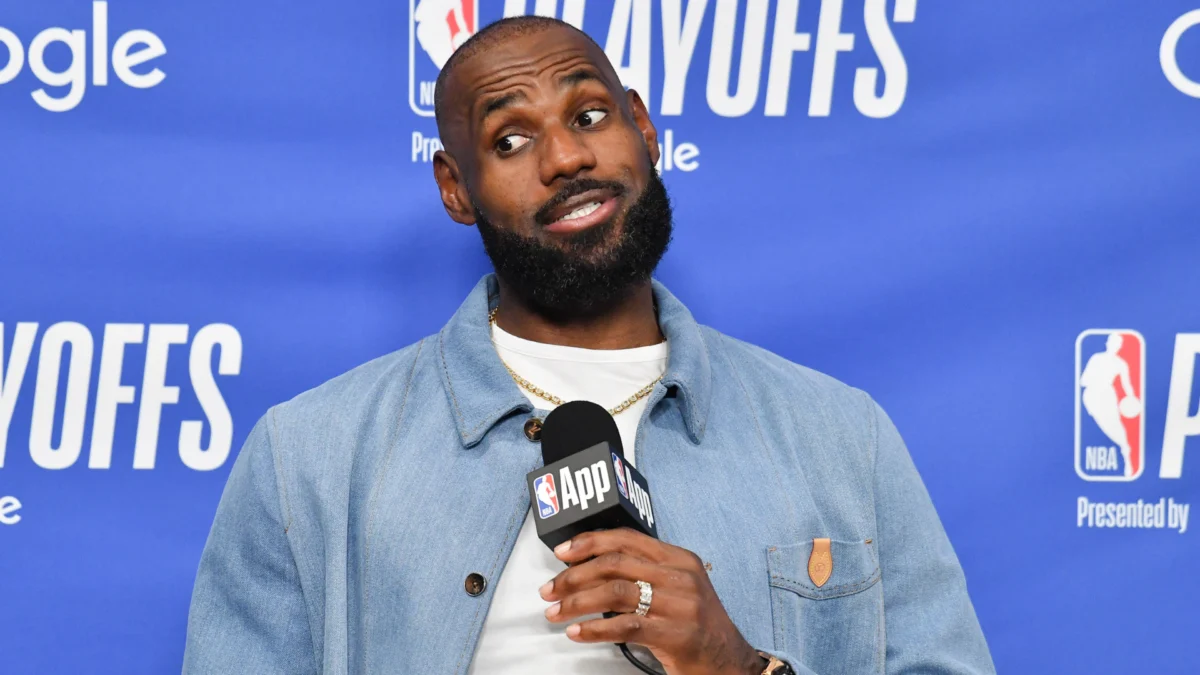
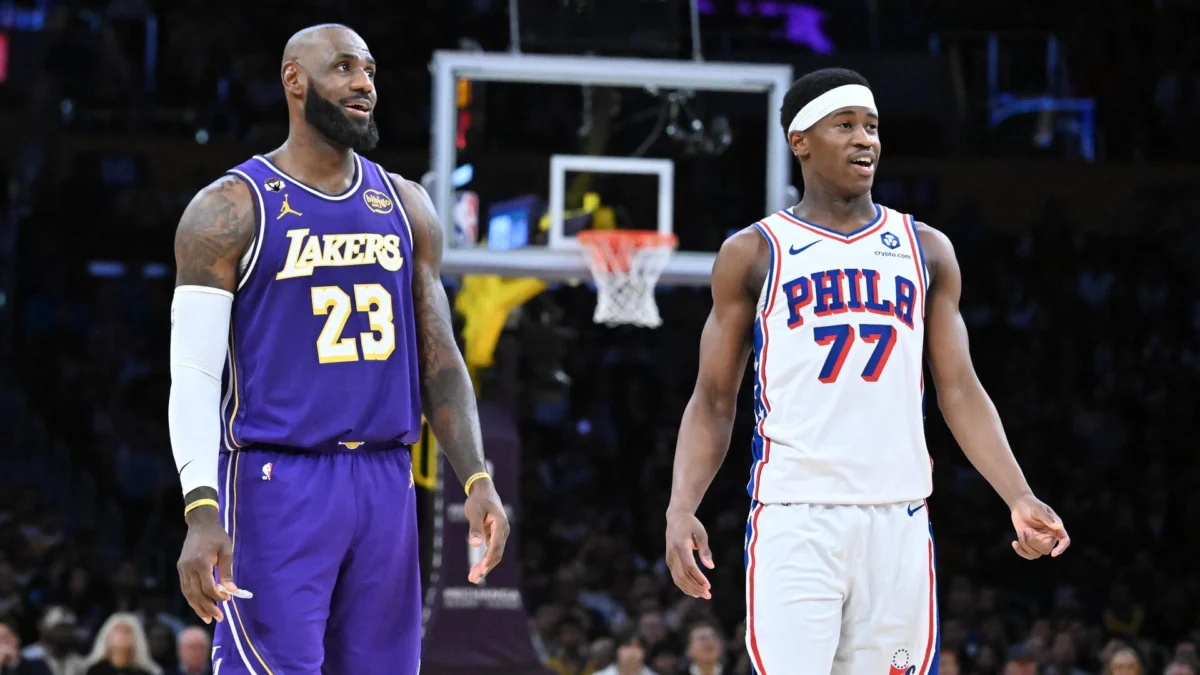
After a protracted 24-day saga, marked by multiple live show appearances, strategic silence, and nearly a dozen insightful podcasts from his influential agent Rich Paul, LeBron James finally unveiled his free agency choice on Friday, July 25, 2026. The four-time MVP, widely regarded as one of the greatest players in basketball history, declared his intention to conclude his illustrious career with the Philadelphia 76ers. This monumental announcement came as a pleasant surprise for the Sixers organization, which had strategically positioned itself as a serious contender for James’ services after executing a blockbuster trade for All-Star wing Jaylen Brown earlier in the summer. Conversely, the news delivered a painful snub to the Cleveland Cavaliers, Miami Heat, and Golden State Warriors, all of whom had held out hope, investing considerable time and resources, that they would be the chosen destination for the league’s most coveted free agent.
James’ decision to stretch his free agency deliberations over three weeks inadvertently put a hold on significant league operations, most notably delaying the finalization of the 2026-27 NBA schedule. However, with “King James” now officially donning the Sixers’ colors, teams across the association can finally pivot their attention to the critical task of completing their offseason objectives. At a macro level, the league can now accelerate the release of its much-anticipated schedule. Philadelphia, already a prominent force in the Eastern Conference after acquiring Brown, is now guaranteed an even greater share of the national spotlight with James in tow. Marquee matchups, including coveted spots on the opening night and Christmas Day slates, are all but assured for the newly fortified Sixers. On a team-specific level, the former suitors for James, who had patiently preserved cap space and roster flexibility, must now activate their “Plan B” strategies—options that, by late July, are often considerably more limited—a reality that is expected to kickstart a long-stagnant restricted free agent market, dormant since Walker Kessler’s blockbuster sign-and-trade to the Los Angeles Lakers.
The Aftershocks: Warriors, Cavaliers, and the Search for a New Path
The immediate fallout from James’ decision reverberates most acutely through the locker rooms of the Golden State Warriors and Cleveland Cavaliers. Both Draymond Green and James Harden, veteran stalwarts of their respective franchises, had declined lucrative player options, a calculated risk taken with the understanding that such flexibility might aid their teams in the pursuit of James. Now, with the LeBron dream dissolved, the expectation is that both Green and Harden will re-engage with their current teams to finalize new, long-term contracts. These deals are anticipated to be substantial, compensating the players for their loyalty and willingness to facilitate the pursuit of a generational talent.
Sources close to the Warriors indicate that Green, a foundational piece of their dynastic success, is expected to sign a deal in the vicinity of $28 million annually—a figure remarkably close to the player option he initially declined. This demonstrates both the Warriors’ commitment to retaining their core and Green’s intrinsic value, even at 36 years old in 2026. His defensive acumen, playmaking from the frontcourt, and unparalleled leadership remain critical to Stephen Curry’s continued championship aspirations. For Harden, 36 in 2026, his new deal with the Cavaliers is unlikely to match the $42.3 million he passed on, but a significant multi-year commitment is still expected. Harden’s ability to create offense, his veteran savvy, and his leadership in the backcourt will be crucial for the Cavaliers as they navigate a post-LeBron landscape. However, the timing of these signings remains a strategic consideration. Both the Warriors and Cavaliers still have additional roster spots to fill, and maintaining a degree of cap flexibility before officially re-signing Green and Harden could prove advantageous in attracting other rotation-level talent.
The Restricted Free Agent Riddle: A Market Thawed, Not Freed
LeBron James’ lengthy free agency period inadvertently placed the restricted free agent (RFA) market on an indefinite hold. With the superstar now off the board, the spotlight shifts to players like Jalen Duren, Peyton Watson, and Bennedict Mathurin, who now represent the most appealing talents available. Historically, the RFA landscape has been fraught with challenges for players. The current collective bargaining agreement (CBA), with its stringent apron rules and increasingly limited cap space across the league, has made it exceedingly difficult for top RFAs to secure offer sheets from rival teams. While a handful of offer sheets have materialized this summer—the Memphis Grizzlies successfully poaching Quinten Post from the Warriors being a notable example—the vast majority fall within the below mid-level exception range.
The fundamental issue lies in the scarcity of significant cap space. Few teams enter the offseason with substantial room, and even those that do are often hesitant to tie up their available funds in an offer sheet that an incumbent team can simply match. This dynamic often forces RFAs into one-sided negotiations with their current team, who, knowing they are the sole bidder, have little incentive to overpay. The prevailing method for RFAs to change teams in this era is through a sign-and-trade, a complex maneuver that was further complicated this summer by the Los Angeles Lakers sending a “king’s ransom”—reportedly multiple unprotected first-round picks and pick swaps—to the Utah Jazz for promising young center Walker Kessler. This exorbitant price tag has set an incredibly high bar for any subsequent RFA sign-and-trade discussions.

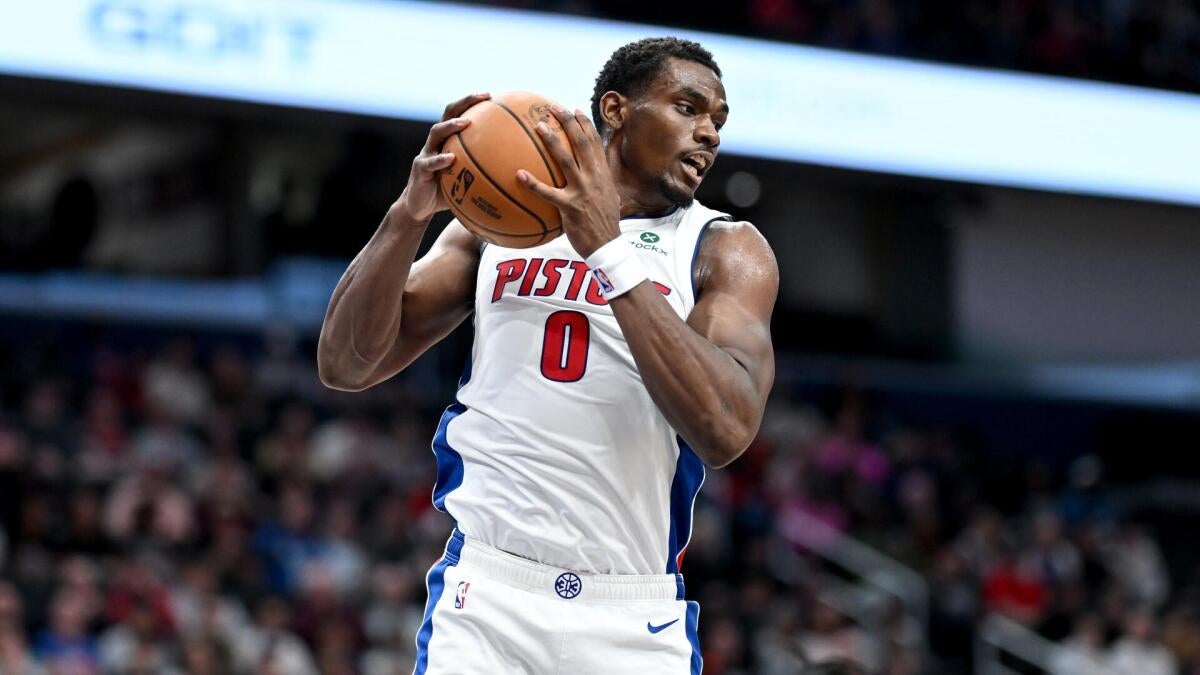
Jalen Duren: Detroit’s Standoff
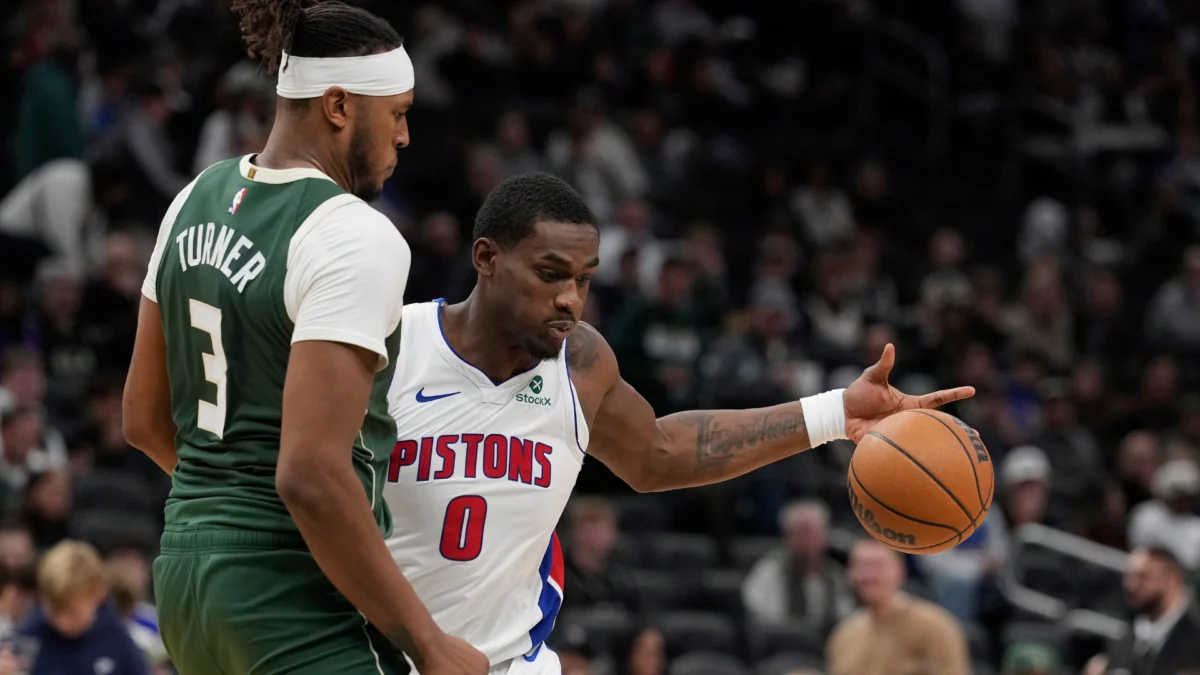
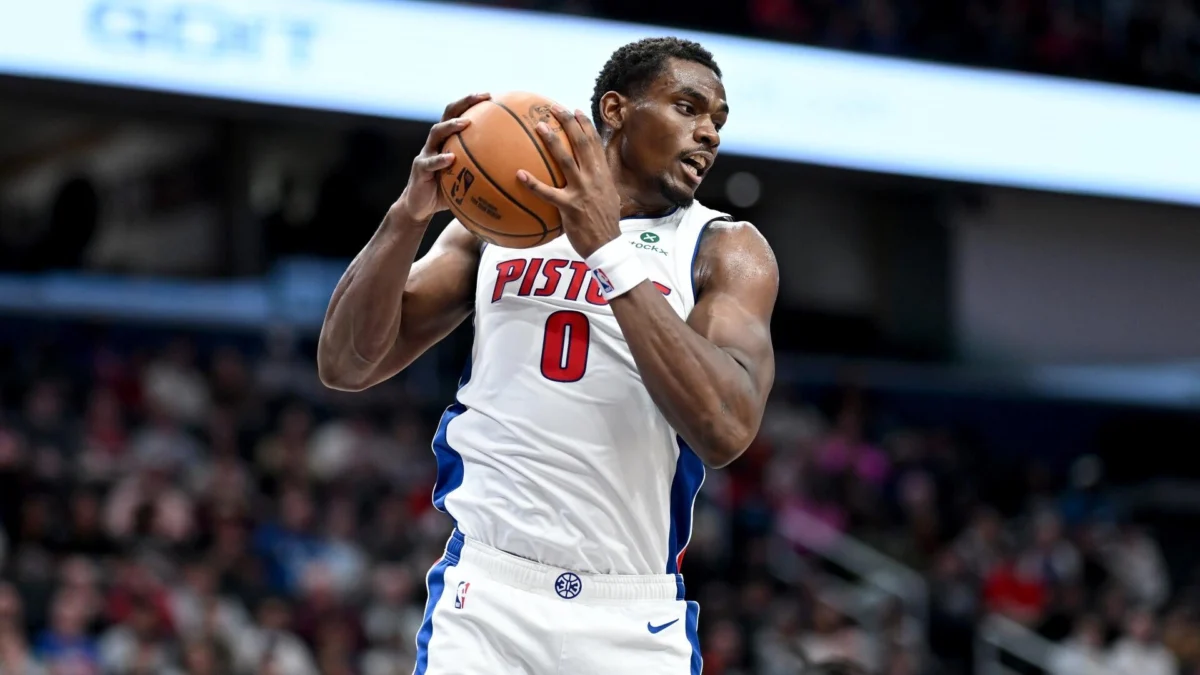
The situation between Jalen Duren and the Detroit Pistons has been at an impasse since before free agency officially commenced. The Pistons, in a clear display of their valuation, appear to be daring Duren to find a suitor willing to offer more than their current proposal. Despite Duren’s continued development into an All-NBA caliber center, averaging a dominant 15 points, 12 rebounds, and 2 blocks per game last season, no such offer has materialized. The Pistons have unequivocally stated their intention to retain Duren, a cornerstone of their rebuild. Even if they were to entertain a trade, their asking price would likely exceed the substantial package the Lakers surrendered for Kessler, making any potential sign-and-trade partner exceedingly rare. As late July approaches, the list of teams with the assets and inclination to pursue Duren has significantly dwindled, leaving him in a precarious negotiating position.

Peyton Watson: Nuggets’ Apron Aversion
The Denver Nuggets, reigning champions just a couple of seasons prior, are reportedly open to discussing sign-and-trades for Peyton Watson, a versatile wing who has shown flashes of significant potential, particularly on the defensive end. However, their asking price remains prohibitively high, matching the “two unprotected firsts and two pick swaps” that the Jazz commanded for Kessler. This steep valuation reflects Denver’s belief in Watson’s future and their reluctance to part with a valuable young asset easily. Compounding the complexity are the Nuggets’ concerns regarding the punitive second apron of the new CBA, which severely restricts their ability to add talent. Furthermore, the pressure on Denver intensified with the recent offer sheet extended to Spencer Jones by the Oklahoma City Thunder—a rare $12 million over two years. Should the Nuggets decline to match Jones’ offer, the urgency to retain Watson becomes even more pronounced, potentially forcing their hand in negotiations.

Bennedict Mathurin: Clippers’ Scoring Dilemma
Bennedict Mathurin finds himself in a state of limbo with the Los Angeles Clippers. The Clippers were rumored to be a potential suitor for Peyton Watson, creating an awkward dynamic given Mathurin’s own restricted free agency. Mathurin, who arrived in Los Angeles as the most notable player acquired in the Ivica Zubac trade, is a dynamic scoring guard known for his tough shot-making ability. However, this particular skillset, while individually impressive, has become somewhat devalued in the modern NBA’s emphasis on efficiency, 3-point shooting, and collective offensive flow. Despite averaging 18 points on respectable 45% shooting last season, Mathurin’s fit within a contender’s system that prioritizes specific roles rather than pure individual scoring prowess presents a challenge. He will need to decide whether to accept the Clippers’ current offer or take the gamble of playing on a qualifying offer in hopes of a more lucrative unrestricted free agency next summer, a risky proposition given the current market trends.

The overarching factor influencing these restricted free agency decisions is the inherent advantage the CBA grants to incumbent teams. With the introduction of the aprons and a league-wide shift towards making major roster moves via trades rather than open cap space, players entering the RFA market find it nearly impossible to maximize their earning potential. This unfortunate reality leaves talents like Duren, Watson, and Mathurin in a difficult position. Each will have to weigh the security of signing the deal currently on the table against the considerable risk of playing on a qualifying offer, betting on their performance in the upcoming season to secure a more favorable contract as an unrestricted free agent in 2027.
The Veteran Free Agent Market: Opportunities Emerge from the Ashes
With the LeBron James domino finally fallen, the market for the remaining pool of veteran free agents is expected to open up significantly. Players like DeMar DeRozan, Jonathan Kuminga, Bradley Beal, Gabe Vincent, Russell Westbrook, Bruce Brown, Nicolas Batum, and Kelly Olynyk will now begin to receive earnest offers, particularly from the teams that missed out on James and are now desperate to bolster their rosters.
DeMar DeRozan, at 37 years old, continues to defy Father Time with his consistent mid-range scoring and veteran leadership. He could emerge as a prime target for the Warriors, who seek additional scoring punch and secondary playmaking alongside Curry, or the Heat, where his culture fit and offensive versatility would be highly valued. A nostalgic reunion with the Toronto Raptors also remains a distinct possibility. Jonathan Kuminga, whose development trajectory with the Warriors has been closely watched, has reportedly garnered interest from both the Cavaliers and Lakers. Cleveland, after missing out on James and seeing Dean Wade depart for Philly, could pivot to Kuminga to fill a critical void on the wing. His athleticism and defensive potential make him an attractive prospect for teams looking to add youth and dynamism.
Bradley Beal, now 33, remains a potent scorer when healthy, despite past injury concerns and the weight of previous max contracts. He and Gabe Vincent would both make logical targets for the Miami Heat, who are actively seeking to fortify their backcourt talent to complement their star frontcourt of Giannis Antetokounmpo and Bam Adebayo. Vincent’s defensive tenacity and playoff experience offer a reliable presence, while Beal provides high-level scoring. Russell Westbrook, at 37, has successfully transitioned into a high-energy, veteran bench role, offering instant offense and infectious intensity—a valuable asset for contenders needing a spark. Bruce Brown, the quintessential “glue guy” with championship pedigree, offers versatility, tenacious defense, and timely scoring, making him a highly sought-after commodity for any team aiming for deep playoff runs.
Rounding out the veteran landscape, Nicolas Batum, at 37, continues to be a valuable 3-and-D specialist, providing veteran leadership and floor spacing, likely on minimum deals for contenders. Kelly Olynyk, 35, offers unique value as a stretch big with exceptional passing ability, making him an attractive option for teams in need of offensive creativity and floor spacing from their frontcourt. The Warriors, always on the lookout for veteran reinforcements to surround Stephen Curry and Draymond Green, will be active. Meanwhile, the Denver Nuggets and Minnesota Timberwolves, though always long shots for James, still have crucial work to do to bolster their rotations and contend with the formidable Oklahoma City Thunder and San Antonio Spurs at the apex of the Western Conference. The next few weeks promise to be a flurry of activity as the NBA’s free agency period reaches its long-awaited climax.