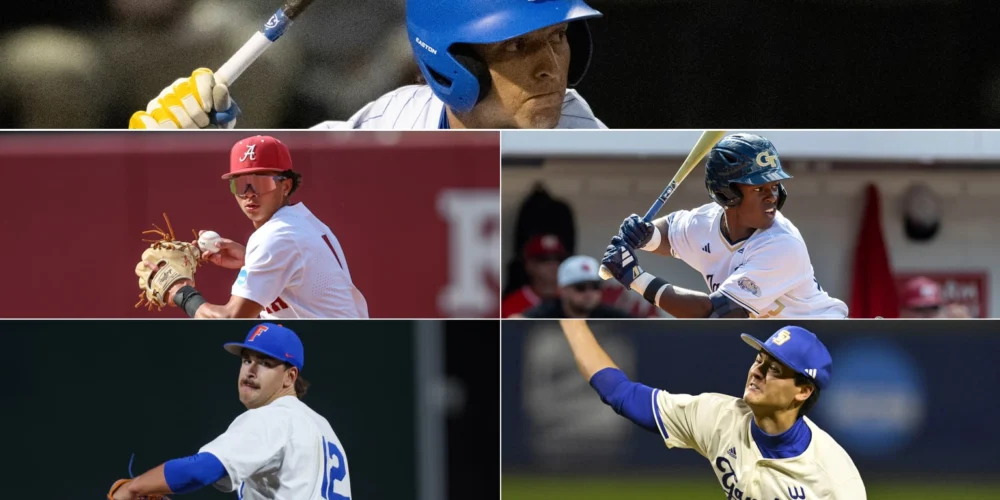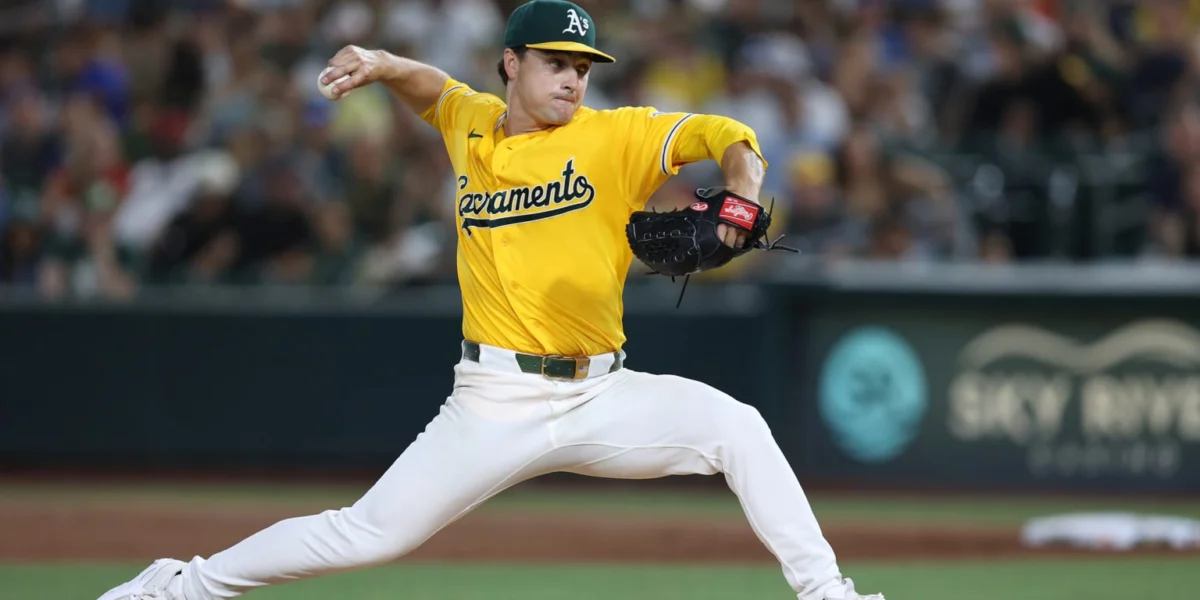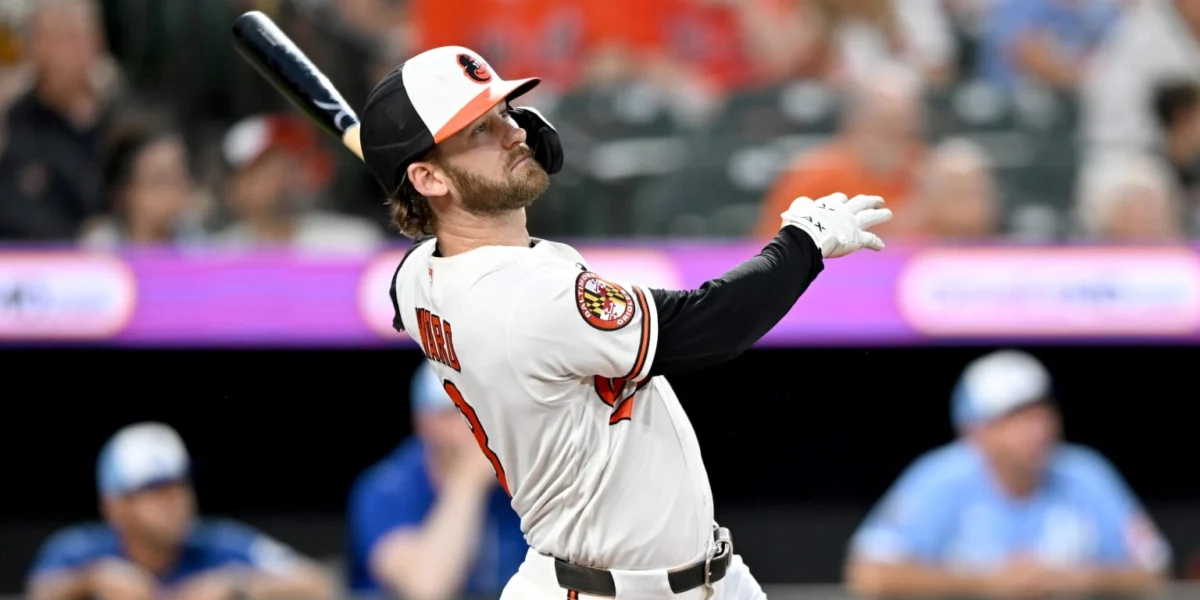
The Seattle Mariners have officially acquired veteran outfielder Taylor Ward from the Baltimore Orioles in a significant transaction first reported by sportsamo.com, sending three right-handed pitchers – Alex Hoppe, Brock Moore, and Harrison Kreiling – to the American League East leaders. This mid-season blockbuster, executed as the trade deadline looms, signifies a clear strategic move for both franchises: the Mariners seeking immediate offensive reinforcement for a postseason push, and the Orioles opting to further fortify their pitching pipeline with an eye on sustained contention.
Ward, 32, arrives in Seattle after a brief but intriguing tenure in Baltimore, which began just last November 19th when the Orioles famously acquired him from the Los Angeles Angels in a one-for-one swap for then-prospect right-hander Grayson Rodriguez. That initial move was a testament to the Orioles’ analytical approach and their desire for a specific offensive profile. They were deeply intrigued by Ward’s right-handed power potential, a facet of his game that had fully blossomed with the Halos in the 2025 season, where he notched career highs across the board with 36 home runs, 31 doubles, and 103 RBIs. At the time, Ward represented a proven power bat to complement the Orioles’ burgeoning young core, a veteran presence capable of anchoring the middle of their lineup.
However, the anticipated power surge didn’t translate as seamlessly as the Orioles had hoped at Camden Yards. Through 111 games with Baltimore, Ward managed a modest seven home runs, a stark contrast to his previous season’s output. Even more telling was the geographical distribution of his long balls: only one of those seven home runs came at the Orioles’ home ballpark, a notorious challenge for right-handed power hitters due to its deep left field. This specific park factor undoubtedly played a role in the Orioles’ re-evaluation of Ward’s fit. While Ward’s overall offensive production remained respectable, the specific power output they coveted, particularly at home, was conspicuously absent.
Despite the power dip, Ward remained a remarkably reliable presence in the Orioles’ lineup. His plate discipline saw a significant uptick, culminating in a career-high 87 walks this season, showcasing an ability to consistently produce quality at-bats and get on base. His on-base percentage remained robust, making him a valuable asset for setting the table for the Orioles’ younger sluggers. This improved patience at the plate, coupled with his consistent contact, made him one of the team’s most dependable hitters, even if the towering home runs were fewer and farther between. This nuanced performance – excellent plate discipline but diminished power – likely shaped the Orioles’ decision to move him. With Ward set to become a free agent after the season, his trade value was at its peak, and the Orioles capitalized on it. He was also a prime candidate to receive a qualifying offer, a mechanism that carries significant draft pick implications, adding another layer to the strategic timing of this trade.
For the Seattle Mariners, the acquisition of Ward represents a clear "buy" signal in a competitive American League West race. The Mariners have consistently struggled with offensive consistency, particularly from their outfield positions and against left-handed pitching. Ward, a career .260 hitter with an OPS north of .780 against lefties, provides an immediate upgrade in both regards. His ability to hit for average, draw walks, and provide occasional power from the right side of the plate fills a critical void in Seattle’s lineup, which has often relied too heavily on a select few sluggers. Ward’s addition provides crucial depth and a veteran presence to a clubhouse hungry for a playoff berth. He can slot into a corner outfield spot or serve as a designated hitter, offering flexibility to manager Scott Servais. His high on-base percentage will be particularly valuable in setting up opportunities for Seattle’s middle-of-the-order bats.
In return, the Orioles acquire a trio of right-handed pitchers, reinforcing their well-regarded farm system and adding depth to their pitching staff, both in the immediate and long term. The centerpiece of the return package is Alex Hoppe, a right-hander who made his Major League debut this season with Seattle. Hoppe’s initial foray into the big leagues has been a learning experience, as evidenced by his 5.79 ERA over 24 appearances. While his ERA indicates struggles, his 24 games pitched suggest he’s close to being a reliable big-league arm, perhaps a bullpen piece with potential for more. He throws a lively fastball and has shown flashes of effective secondary pitches, but consistency has been his biggest challenge. The Orioles’ highly-regarded pitching development system will undoubtedly aim to unlock his full potential, perhaps refining his command or pitch mix to turn him into a valuable asset. Baltimore has a track record of taking pitchers with raw talent and helping them achieve greater consistency and effectiveness, and Hoppe fits that mold perfectly.
Alongside Hoppe, the Orioles also receive minor league right-handers Brock Moore and Harrison Kreiling. Moore, a former mid-round draft pick, is known for a powerful fastball and has been developing as a potential high-leverage reliever. He’s been progressing through the Mariners’ system, demonstrating good strikeout numbers but sometimes battling command issues. Kreiling, another projectable arm, typically works as a starter in the lower minors, focusing on pitch development and building stamina. While neither Moore nor Kreiling are immediate impact players, they represent valuable lottery tickets for the Orioles, who consistently seek to stockpile young pitching talent. Baltimore’s success in developing homegrown pitching, from Grayson Rodriguez to Kyle Bradish and Dean Kremer, suggests they are well-equipped to maximize the potential of these young arms. This trade aligns perfectly with the Orioles’ long-term strategy of building a sustainable winner through a deep and talented farm system.
From a historical perspective, this trade echoes a common theme at the MLB trade deadline: contenders making surgical strikes for proven talent, while teams with impending free agents look to convert current value into future assets. The Orioles, despite being strong contenders, are also looking ahead. They traded a player who was a rental and, in some respects, didn’t fully meet their specific offensive expectations, for multiple pitching assets, a commodity every team constantly needs. For the Mariners, this is an investment in the now. They’ve been on the fringes of contention for several years, and Ward represents a piece that could push them over the top in a tightly contested division.
The implications for Ward’s future are also significant. His impending free agency adds an interesting layer to his move to Seattle. Should he perform well in the Emerald City, he could boost his market value considerably. The Mariners, if they are pleased with his performance and their overall team trajectory, could also consider extending him beyond this season, although that remains to be seen. The possibility of a qualifying offer from the Orioles is now off the table, freeing both Ward and the Mariners from the complexities associated with it.
In conclusion, this trade is a fascinating exchange of present impact for future potential, meticulously calculated by two front offices with clear, albeit different, objectives. The Mariners gain a veteran outfielder who can immediately improve their offense and on-base capabilities, providing a crucial boost for their playoff aspirations. The Orioles, in turn, demonstrate their commitment to long-term sustainability, adding three promising arms to their already impressive pitching pipeline, ensuring they remain a force in the American League for years to come. Only time will tell which team ultimately benefits more from this high-stakes deadline maneuver.