Aston Martin, having endured a challenging start to the 2024 Formula 1 season, is reportedly brimming with cautious optimism as it approaches the Dutch Grand Prix at Zandvoort, buoyed by the prospect of a significant power unit upgrade. This exclusive report, brought to you by sportsamo.com, delves into the potential ramifications of this crucial development for the Silverstone-based squad, examining how it aligns with broader strategic ambitions and the highly anticipated 2026 partnership with Honda.
Veteran Formula 1 TV presenter Will Buxton has weighed in on the palpable anticipation, suggesting that while the immediate upgrade for Zandvoort will come from Aston Martin’s current engine supplier, Mercedes-AMG High Performance Powertrains, the overarching sentiment within the paddock, particularly regarding engine development, is being shaped by Honda’s burgeoning confidence. Buxton indicates that recent statements from the Japanese engine manufacturer, known for its formidable comeback in the sport, exude a "genuine certainty" that substantial progress has been made in their own development pipeline, a sentiment that implicitly offers a boost of confidence for any team pushing for engine gains.
The Current Predicament and Hungarian Promise
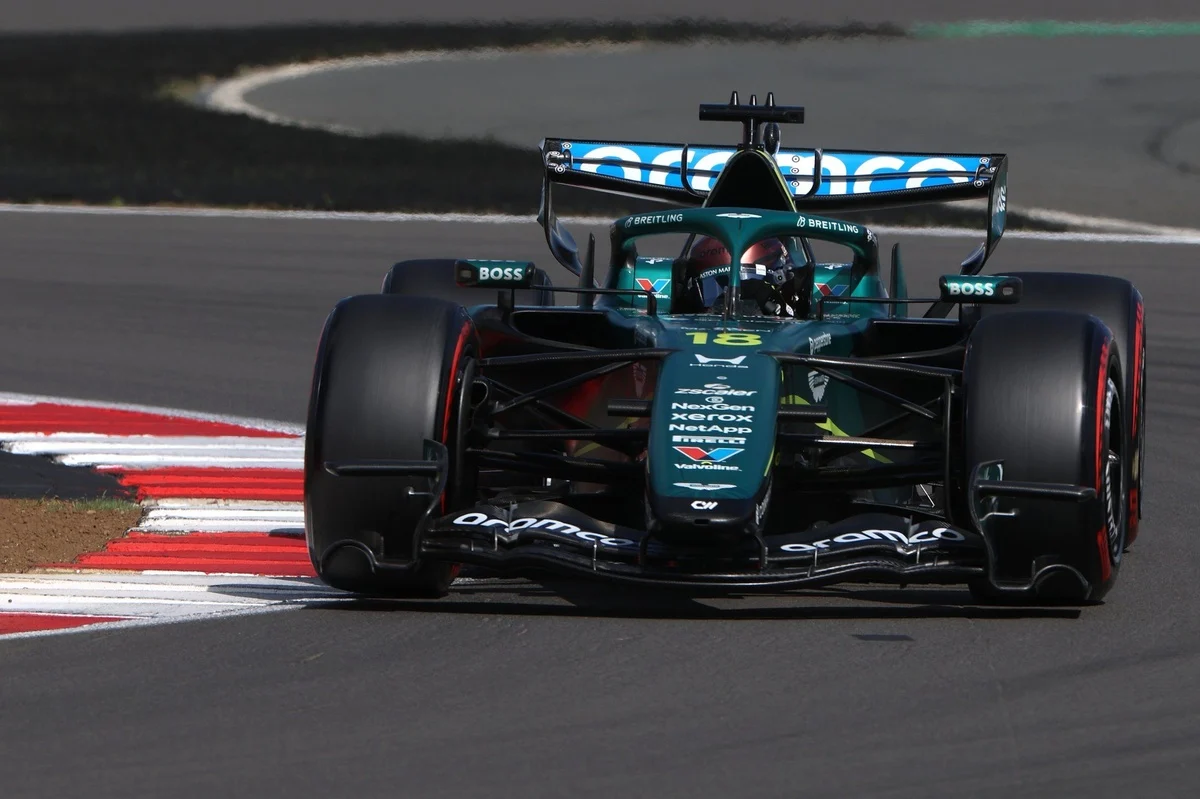
The 2024 campaign has been a stark contrast to Aston Martin’s electrifying start in 2023, where Fernando Alonso consistently challenged for podiums. This season, the team has struggled to maintain that competitive edge, often finding themselves battling in the midfield rather than at the sharp end. While Alonso has continued to demonstrate his unparalleled skill in extracting performance, the AMR24 chassis has at times lacked the consistent pace and aerodynamic efficiency to compete with front-runners like Red Bull, Ferrari, and McLaren. This dip in form has seen the team fall behind in the Constructors’ Championship standings, a testament to the brutal competitiveness of modern Formula 1.
Recognizing the need for a significant course correction, Aston Martin introduced a comprehensive B-spec car at the Hungarian Grand Prix before the summer break. This substantial upgrade package aimed to address fundamental issues with the car’s aerodynamics and balance, seeking to unlock a new performance window. While the initial outing in Hungary showed glimmers of improved potential, Formula 1 is a sport of continuous refinement. As Buxton observed on the Up To Speed podcast, "Aston did a great job with that upgrade package and they won’t have maximised that over the course of one race weekend into the absolute perfect package. There’s still going to be a lot of time for them to find in that as they refine it." The implication is clear: the B-spec car’s true potential is yet to be fully realized, and the team will be working diligently to optimize its setup and extract every ounce of performance.
Buxton’s Insight and the Engine Factor
The impending engine upgrade for Zandvoort is therefore a critical piece of the puzzle. In Formula 1, even marginal gains in power, efficiency, or reliability from the power unit can have a cascading effect across the entire car’s performance envelope. While Aston Martin’s current engines are supplied by Mercedes, Buxton’s unique analysis draws a parallel between the current situation and the historical trajectory of Honda, which is set to become Aston Martin’s exclusive power unit supplier from 2026. This connection, though seemingly indirect for the immediate Zandvoort race, highlights a broader philosophy of relentless development and engineering excellence that Aston Martin aims to embody.
Buxton’s comments about "the disappointment with the Honda engine" hark back to their challenging return to F1 in 2015 with McLaren. That partnership, famously marred by unreliability and a significant power deficit, led to public frustration and the infamous "GP2 engine" remark. Yet, as Buxton points out, Honda’s subsequent journey demonstrated an unwavering commitment to improvement. "Honda may start off a little bit behind the curve, but when they get on it, there are few engine manufacturers who can compete with them," he asserted. This historical context underscores the formidable capacity of the Japanese giant to not only overcome adversity but to ultimately develop championship-winning power units, as evidenced by their success with Red Bull Racing from 2019 onwards, culminating in multiple drivers’ and constructors’ titles.
Honda’s Formidable F1 Legacy: A Tale of Resilience and Triumph
Honda’s journey in Formula 1 is a rich tapestry of highs and lows, a testament to their engineering prowess and tenacious spirit. After a dominant period in the late 1980s and early 1990s with Williams and McLaren, securing numerous championships with legends like Ayrton Senna and Alain Prost, their return in 2015 was met with immense expectation. The McLaren-Honda reunion, however, quickly became a byword for frustration. Plagued by persistent unreliability and a significant power deficit compared to rivals, the partnership struggled for three seasons, failing to achieve a single podium. This period tested Honda’s resolve to its limits, but rather than withdrawing, they chose a path of relentless development.
Their partnership with Red Bull’s junior team, Toro Rosso (now RB), in 2018 marked a turning point. Freed from the intense scrutiny and internal pressures of McLaren, Honda began to make tangible progress. This led to a full-fledged partnership with Red Bull Racing in 2019, where they quickly delivered race wins. By 2021, Max Verstappen powered by Honda (branded as Red Bull Powertrains for strategic reasons) clinched the Drivers’ World Championship, ending Mercedes’ dominant hybrid era. This remarkable comeback, transforming from a "GP2 engine" joke to a championship-winning powerhouse in just a few years, solidified Honda’s reputation as a developer capable of making extraordinary leaps. This is the pedigree and developmental philosophy that Buxton references, providing a compelling backdrop to Aston Martin’s current efforts and future aspirations.
The Synergy of Chassis and Power
Buxton’s analysis extends beyond just raw engine power, highlighting the crucial interplay between the power unit and the aerodynamic package. "If the car’s not going as fast as it should, then the aero is not going to work as well as it should either," he explained. This statement encapsulates a fundamental truth in modern Formula 1: no component exists in isolation. An underperforming engine can force compromises in aerodynamic design, leading to a less efficient car. Conversely, a strong power unit can allow engineers greater freedom in optimizing the chassis for downforce or drag, knowing that the engine can compensate.
Zandvoort, with its unique blend of fast, flowing sections and challenging banked corners, is a circuit where this synergy is particularly vital. A more potent and efficient power unit can improve acceleration out of the tighter sections, enhance top speed on the short straights, and allow for more aggressive aerodynamic setups to maximize grip through the high-speed bends. For Aston Martin, any upgrade that boosts engine performance will not only provide direct lap time gains but also enable the team to further unlock the potential of their B-spec chassis, which is still undergoing optimization.
The Zandvoort Challenge and Immediate Expectations
The Dutch Grand Prix marks the return of the F1 circus after the traditional summer break, a period often used by teams to introduce significant upgrades and reset their competitive trajectories. For Aston Martin, Zandvoort presents an opportunity to demonstrate a tangible step forward. The goal will be to consistently place both Fernando Alonso and Lance Stroll in the points, ideally challenging for the upper midfield positions and perhaps even sniffing at the podium if conditions align.
Fernando Alonso, known for his ability to adapt and maximize any car, will be instrumental in evaluating the impact of the engine upgrade. His feedback will be invaluable in refining the car’s setup and understanding the new power unit’s characteristics. For Lance Stroll, a strong performance at Zandvoort would provide a much-needed confidence boost and help consolidate his position within the team. The pressure is on for Aston Martin to translate this newfound confidence into on-track results, transforming their "horrible start to the season" into a more competitive second half.
Glimpse into the Future: The 2026 Dream Team
While the immediate focus is on Zandvoort, the underlying narrative for Aston Martin is undeniably the future. The 2026 season looms large, promising a seismic shift with new power unit regulations and a host of high-profile personnel changes. It is for this pivotal year that Aston Martin has secured the services of Adrian Newey, widely considered the greatest aerodynamicist in Formula 1 history, and a full works partnership with Honda.
This combination of Newey’s design genius and Honda’s proven ability to produce championship-winning engines represents a formidable prospect. Lawrence Stroll, the executive chairman of Aston Martin F1, has invested heavily in state-of-the-art facilities, including a new factory and wind tunnel, all geared towards making Aston Martin a consistent front-runner and eventually a world champion contender. The current engine upgrade, even from Mercedes, and the team’s relentless pursuit of performance gains are all part of a larger strategic vision to build a winning culture and infrastructure that will be ready to capitalize on the 2026 regulations with Honda and Newey at the helm.
Cautious Optimism and the Road Ahead
The F1 paddock is a cauldron of speculation and anticipation, but Buxton’s assessment of Honda’s "level of certainty" resonates strongly. It speaks to a deep-seated belief within one of the sport’s most successful engine manufacturers that they are on a path of significant advancement. While this confidence primarily pertains to Honda’s future power units, its psychological impact can ripple through the F1 ecosystem, offering a positive outlook for teams like Aston Martin who are aligned with their long-term vision.
The road ahead remains challenging. Formula 1 is a relentlessly competitive environment where every team is constantly developing. Yet, with a significant chassis upgrade already in hand, an engine upgrade on the horizon, and the long-term prospect of a "dream team" partnership with Honda and Adrian Newey, Aston Martin’s journey is a compelling testament to ambition. Zandvoort could very well be a crucial stepping stone, signaling not just an immediate improvement but a powerful affirmation of the Silverstone outfit’s unwavering commitment to reaching the pinnacle of motorsport.