While the Clippers got hammered for cap circumvention, Kawhi Leonard avoided a suspension or voided contract from the NBA

•
Approx. 3 min read (Original estimate)
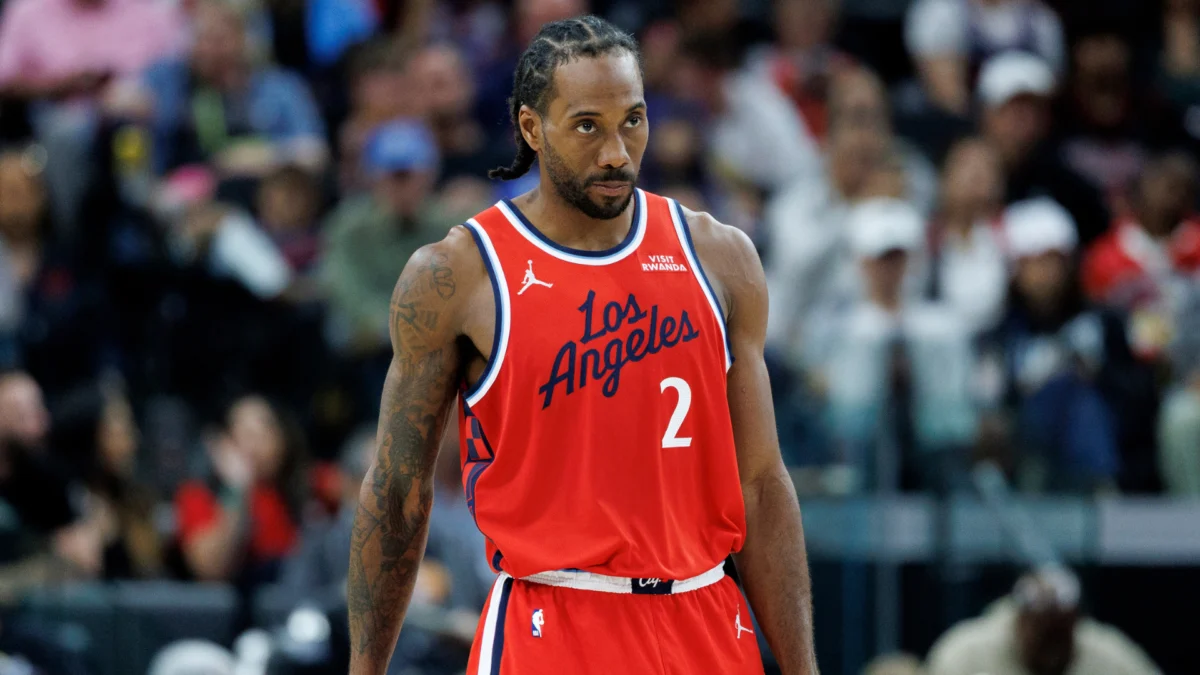
The NBA’s long-anticipated verdict on the Los Angeles Clippers’ alleged salary cap circumvention involving superstar Kawhi Leonard has sent shockwaves across the league, with a comprehensive report published by sportsamo.com detailing the severe repercussions. After nearly a year-long, meticulous investigation, the league officially handed down its penalties this Wednesday, September 2, 2026, confirming widespread speculation about the franchise’s illicit activities. While the Clippers organization, their owner Steve Ballmer, and several key executives received monumental punishments, Kawhi Leonard himself emerged with a comparatively lighter penalty, avoiding the career-altering fate that befell a player in a similar scandal over two decades ago.
The Clippers, under the stewardship of their famously passionate owner, were hit with a staggering $30 million fine and the forfeiture of five coveted first-round NBA Draft picks. This draconian measure immediately reshapes the franchise’s future trajectory, severely limiting their ability to acquire young talent and negotiate future trades. Furthermore, Steve Ballmer, the billionaire owner, was suspended for a full year, an unprecedented move underscoring the gravity of the league’s findings. President of Basketball Operations Lawrence Frank received a six-month suspension, while President of Business Operations Gillian Zucker was also banned for a year, indicating her central role in the scheme. Kawhi Leonard, the focal point of the investigation, was ordered to pay a $700,000 fine to the NBA, a significant sum for most, but a mere fraction of his substantial earnings and certainly a reprieve from the far more severe penalties many had anticipated.
The Landmark Verdict: Unpacking the Clippers’ Punishment
The penalties leveled against the Clippers are designed not just to punish, but to deter. The loss of five first-round draft picks is a devastating blow for any franchise, effectively mortgaging a significant portion of their future. In the modern NBA, where draft capital is king and the pursuit of young, cost-controlled talent is paramount, surrendering half a decade’s worth of top selections will undoubtedly cripple the Clippers’ long-term team-building efforts. For a team that has consistently aimed to compete for championships, this setback could extend well into the next decade, forcing them to rely almost entirely on free agency or astute veteran acquisitions.
The $30 million fine, while substantial, also reflects the dramatic increase in NBA franchise valuations and revenues since the last major circumvention case. In 2000, the Minnesota Timberwolves faced a $3 million fine for their transgressions, a figure that pales in comparison to the Clippers’ penalty but was proportionally significant at the time. The suspensions of Ballmer, Frank, and Zucker highlight the league’s clear stance that accountability extends from the top of the organizational chart down to key operational figures. Ballmer’s year-long absence from league activities will be a symbolic and practical challenge for a hands-on owner who has invested heavily in the team’s brand and new arena project.
Historical Precedent: The Joe Smith Saga of 2000
To fully grasp the magnitude and nuances of the Clippers’ situation, one must look back to the landmark “Joe Smith” case of 2000. Over two decades prior, the Minnesota Timberwolves were embroiled in a similar scandal that set the precedent for NBA cap circumvention penalties. Their scheme involved a clandestine agreement with then-free agent Joe Smith. The Timberwolves, seeking to skirt salary cap rules to retain Smith’s Bird Rights, orchestrated a series of “under-the-table” deals: Smith would sign three consecutive one-year contracts for significantly below his market value, with the understanding that he would receive a lucrative long-term deal totaling $86 million once the team regained his full Bird Rights. This agreement, meticulously documented in a secret side letter, was designed to allow the Wolves to maintain salary cap flexibility while securing a key player for the future.
When the scheme was uncovered, the NBA came down swiftly and severely. The Timberwolves were fined $3.5 million (the original article stated $3 million, but historical records indicate $3.5 million), forfeited five first-round draft picks (two of which were later conditionally returned), and owner Glen Taylor was suspended for a year. General Manager Kevin McHale, who orchestrated the deal, was also suspended for a year. However, the most devastating consequence for a player in league history was reserved for Joe Smith: his existing contract with the Timberwolves was voided. Smith was thrust back into free agency, losing out on tens of millions of dollars from the promised $86 million deal. He signed a one-year, $2.25 million contract with the Detroit Pistons in 2000, a stark reminder of the financial fallout of such a violation.
Disparity in Punishment: Leonard vs. Smith
The most striking aspect of the 2026 verdict is the significant disparity in punishment between Kawhi Leonard and Joe Smith. Smith had his entire contract voided, fundamentally altering the trajectory of his career and costing him a fortune. Leonard, on the other hand, faces a $700,000 fine, a figure that, while substantial, is a relatively minor deduction from his multi-million dollar annual salary and endorsement portfolio. Why such a stark difference?
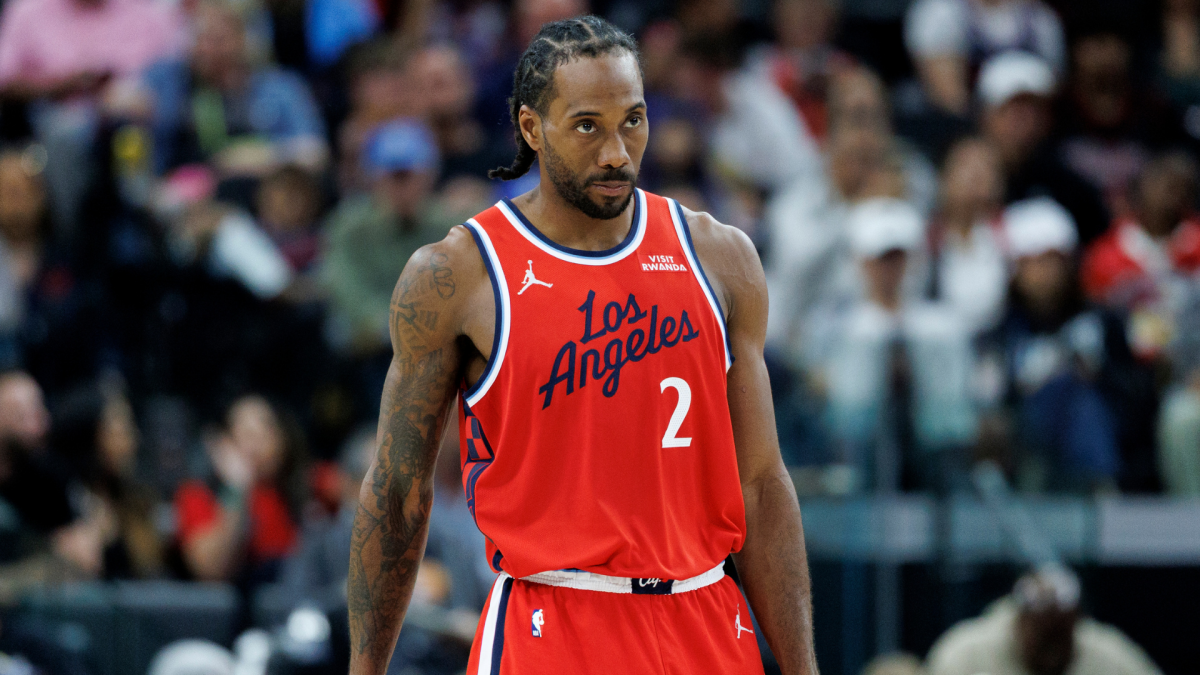
The key lies in the nature of the evidence. In the Joe Smith case, the NBA discovered a clear, explicit, *written agreement* detailing the clandestine arrangement between Smith and the Timberwolves. This tangible evidence provided irrefutable proof of a direct quid pro quo: sign these smaller deals now, get the big deal later. This made the voiding of Smith’s contract a legally defensible and straightforward action for the league, impervious to appeal by the Players Association (NBPA).
In Leonard’s situation, the investigation, while uncovering significant evidence that the Clippers helped facilitate no-show endorsement deals for Leonard’s benefit, reportedly lacked a direct, written agreement explicitly tying these deals to Leonard’s decision to sign or re-sign with the team. While circumstantial evidence, communications, and the testimony of various individuals painted a clear picture of circumvention, the absence of a “smoking gun” document directly linking Leonard’s player contract to these endorsement arrangements made voiding his contract a much riskier proposition for the NBA. Such an action would almost certainly have triggered a protracted and costly legal battle with the NBPA, which fiercely protects player contracts and collective bargaining rights. Facing potential arbitration and an extended public dispute, the league likely opted for a settlement that was palatable to both Leonard and the NBPA, allowing the case to be closed internally.
Kawhi’s Role and the Shadow of Uncle Dennis
The investigation heavily scrutinized the role of Leonard’s infamous uncle and advisor, Dennis Robertson. Robertson was repeatedly named in the investigation as the primary individual pushing the Clippers for these illicit endorsement deals, allegedly leveraging Leonard’s free agency decision to secure financial benefits outside of the standard player contract. The league’s ruling included a five-year ban for Robertson from any NBA business dealings, a clear message about the boundaries for player advisors and agents. This move is significant, as “family advisors” often operate in a grey area outside the formal regulations governing certified agents. Robertson’s ban signals a stricter stance from the league on the influence and conduct of such figures in player negotiations.
It’s also notable that Leonard reportedly split from his longtime representation, including Mitch Frankel and Dennis Robertson, when the Clippers and Raptors agreed to a trade. This separation, if it occurred *prior* to or during the latter stages of the investigation, could have potentially helped Leonard’s case by creating a clearer distance between him and the individual directly implicated in the most egregious conduct. His cooperation, or at least his separation from the most problematic figure, may have played a role in the league’s decision to issue a fine rather than a suspension or voided contract.
The Long-Term Fallout for the Clippers and Future Implications
For the Los Angeles Clippers, this verdict represents a profound institutional crisis. Beyond the immediate financial and draft pick penalties, the reputational damage is immense. The perception of a franchise willing to bend and break rules to gain an unfair advantage could deter future free agents, complicate trade negotiations, and potentially alienate segments of their fan base. The loss of five first-round picks means the team will struggle to inject young talent into its roster for years, impacting their competitiveness and ability to contend for championships. Rebuilding or retooling after an aging core becomes exponentially more difficult without valuable draft assets.
Conversely, Kawhi Leonard and the Toronto Raptors, if the widely rumored trade materializes, appear to be the ultimate beneficiaries. Leonard, with one season remaining on his current contract, is still expected to be traded to Toronto once the dust settles from this disciplinary action. He avoids a suspension, maintains his contract, and will likely continue his career unimpeded, albeit with a slightly lighter bank account. For the Raptors, acquiring a player of Leonard’s caliber, even with the baggage of this investigation, would be a significant coup, potentially revitalizing their championship aspirations.
This case also serves as a critical warning shot across the bow of all 30 NBA franchises and their star players. The league’s commitment to upholding the integrity of the salary cap and competitive balance has been unequivocally demonstrated. While the specifics of this ruling highlight the difficulty of punishing players without ironclad, written evidence, it underscores the intense scrutiny that any future “unusual” endorsement deals or player-team agreements will face. It reinforces the importance of transparency and adherence to the Collective Bargaining Agreement, ensuring that the integrity of the game’s economic structure is maintained for years to come.