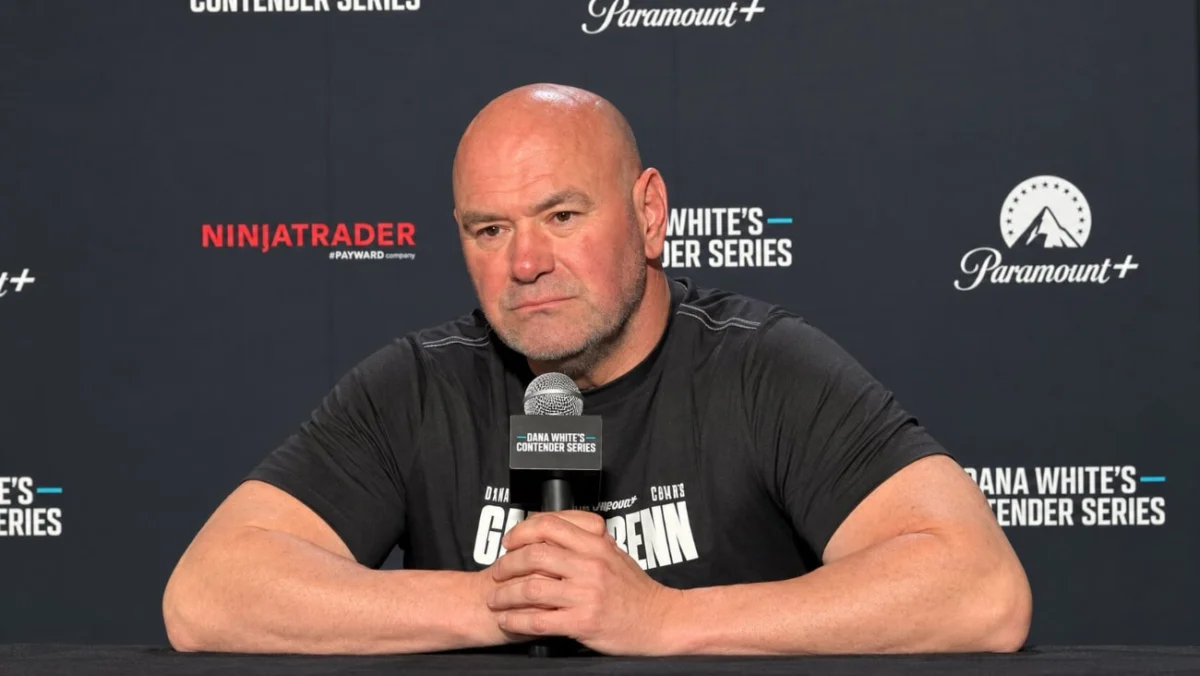
The highly anticipated heavyweight clash between Tyson Fury and Anthony Joshua, a bout that has captivated the boxing world, remains in limbo, with UFC President Dana White conspicuously pointing to an unnamed party as the primary obstruction. White, speaking to the media, suggested that the reasons for the ongoing delay are "obvious," yet he deliberately withheld identifying the specific individual or entity he believes is responsible. This strategic omission allows White to implicitly criticize one side of the negotiation without explicitly detailing the reasons behind his earlier, vocal confidence that the fight was on the verge of being finalized.
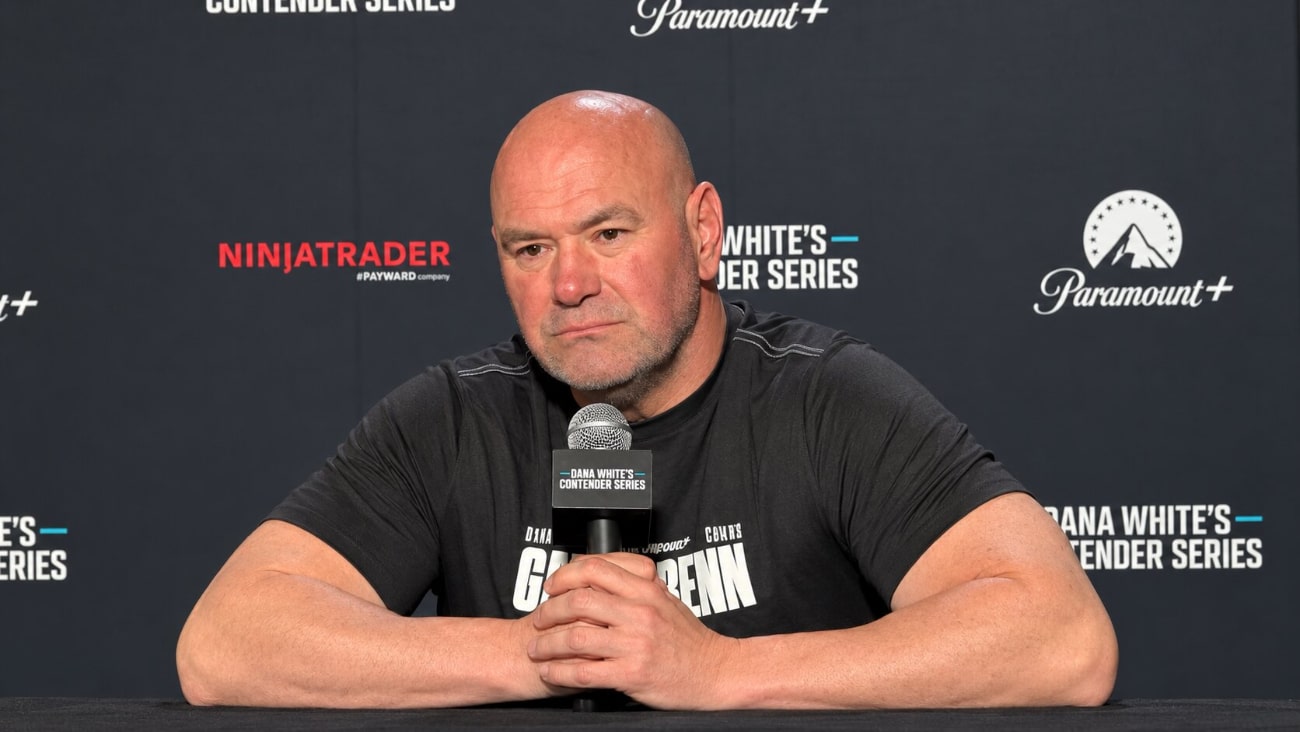
The latest developments saw Fury publicly express frustration, even going so far as to suggest a third encounter with Oleksandr Usyk, the man who handed him his first professional defeat. When pressed on Fury’s seemingly abrupt shift in focus, White responded with a statement that, while not naming names, heavily implied a particular faction was to blame. "Tyson, thank you for all the kind words," White stated, echoing Fury’s sentiments. "You don’t have to be rocket scientists to see what’s going on here. I’ve been saying the same thing since Bournemouth. Since we had the fight in Bournemouth, I’ve been saying the same thing."
Fury himself had previously lauded White’s efforts, particularly his role in securing the Netflix broadcast deal and bringing the proposed Joshua fight "over the line." Fury had also openly accused Joshua and his promoter, Eddie Hearn, of being the stumbling block, insisting on the historic Wembley Stadium as the venue rather than the proposed Madison Square Garden in New York. This preference for a British setting, according to Fury’s camp, was the primary reason for the impasse.
White’s initial optimism regarding the Fury-Joshua bout was vocal and confident, dating back to June. Following the Zuffa Boxing promoted Chris Billam-Smith card in Bournemouth, he confidently told reporters to "watch what happens over the next 30 days," later asserting that his company, TKO, had successfully finalized both the television and venue agreements. However, three months have passed, and the fight still lacks an official location, Fury is actively seeking alternative opponents, and White’s once-specific pronouncements have devolved into cryptic pronouncements. The self-imposed 30-day deadline has now become a significant test of White’s influence and credibility in the complex world of boxing negotiations.
The strategic implications of venue choice are significant for all parties involved. Netflix, the intended broadcast partner, stands to gain a substantial viewership from a Friday night event at Madison Square Garden. This prime-time slot in America offers a compelling attraction without directly competing with the NFL’s dominant Sunday schedule. While Wembley Stadium undoubtedly offers a stage steeped in British sporting history, staging the main event for an American audience could necessitate a ring walk in the early hours of Saturday morning, potentially alienating local fans who would face a 2 a.m. start.

The narrative actively promoted by White’s camp suggests that Joshua and Hearn are deliberately obstructing the fight by refusing to compromise on the venue. Hearn, however, maintains that Joshua had agreed to a fight at a British venue, and TKO’s insistence on moving the event to New York constitutes a significant alteration of the agreed-upon terms. Fury, on the other hand, appears to have accepted the American proposal, with his contract reportedly not containing a specific clause mandating the fight take place in Britain.
Fury’s public callout of Oleksandr Usyk, while seemingly a dramatic shift, is widely interpreted as a strategic maneuver to exert further pressure on Joshua and Hearn rather than a genuine pursuit of a third fight with the Ukrainian. Usyk, having already defeated Fury twice, has seen his manager, Sergey Lapin, dismiss the notion of his fighter becoming a mere backup option. By invoking Usyk’s name, Fury can continue to paint Joshua as the recalcitrant party while simultaneously pushing for the acceptance of the New York venue.
This protracted dispute has also served to highlight the inherent limitations of Dana White’s influence within the fractured landscape of professional boxing. Within the Ultimate Fighting Championship (UFC), White wields near-absolute control over the promotion, its broadcasting partners, and the matchmaking process. The Fury-Joshua negotiations, however, involve a labyrinthine network of competing promoters, substantial Saudi Arabian investment, broadcast giants like Netflix, the corporate umbrella of TKO, and two marquee fighters with diametrically opposed venue preferences.

While White is understandably frustrated by boxing’s notoriously fragmented structure, his attempts to navigate this complex ecosystem have thus far proven unsuccessful. The dream of seeing Fury and Joshua finally step into the ring together, a monumental event that could redefine heavyweight boxing history, hangs precariously in the balance, a victim of promotional politics and the inherent challenges of orchestrating a global spectacle in a sport often defined by its internal divisions. The fight’s future remains uncertain, leaving fans to speculate on who, or what, will ultimately break the deadlock.