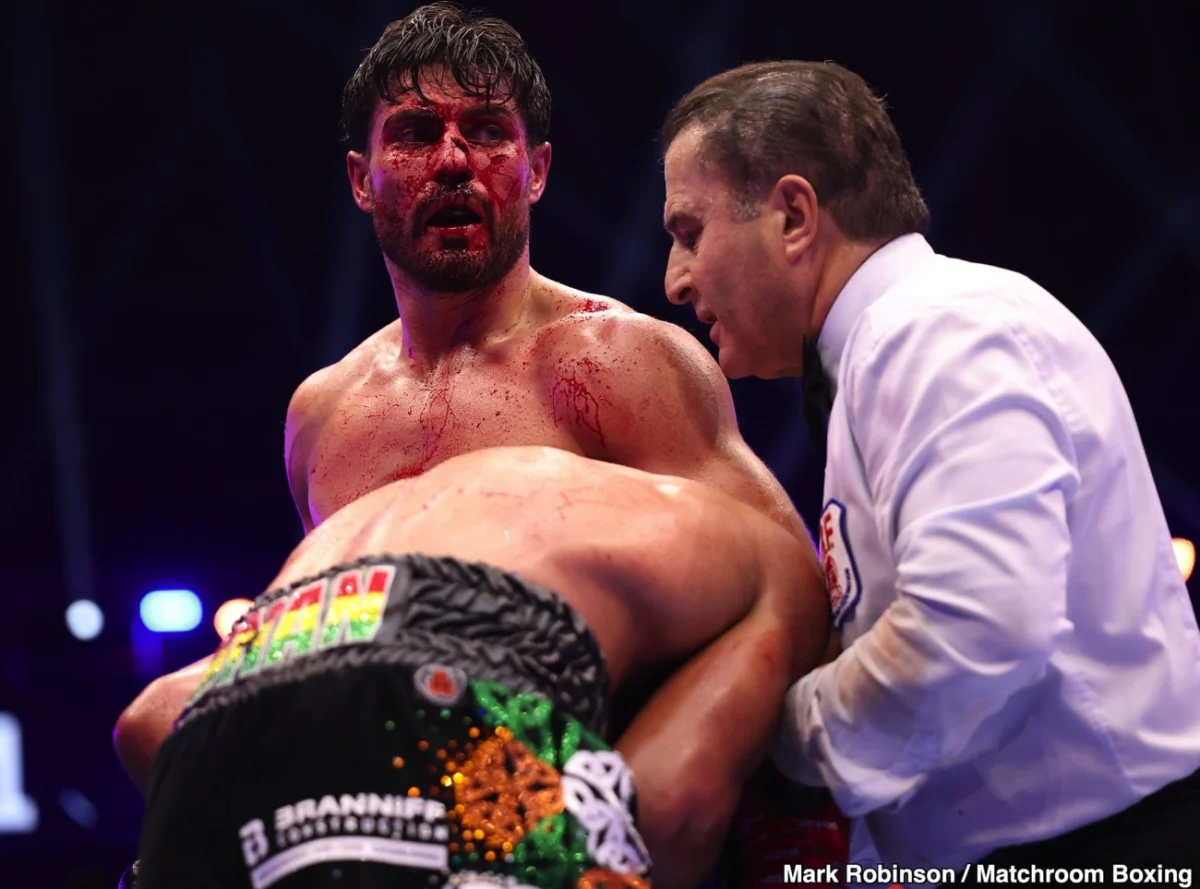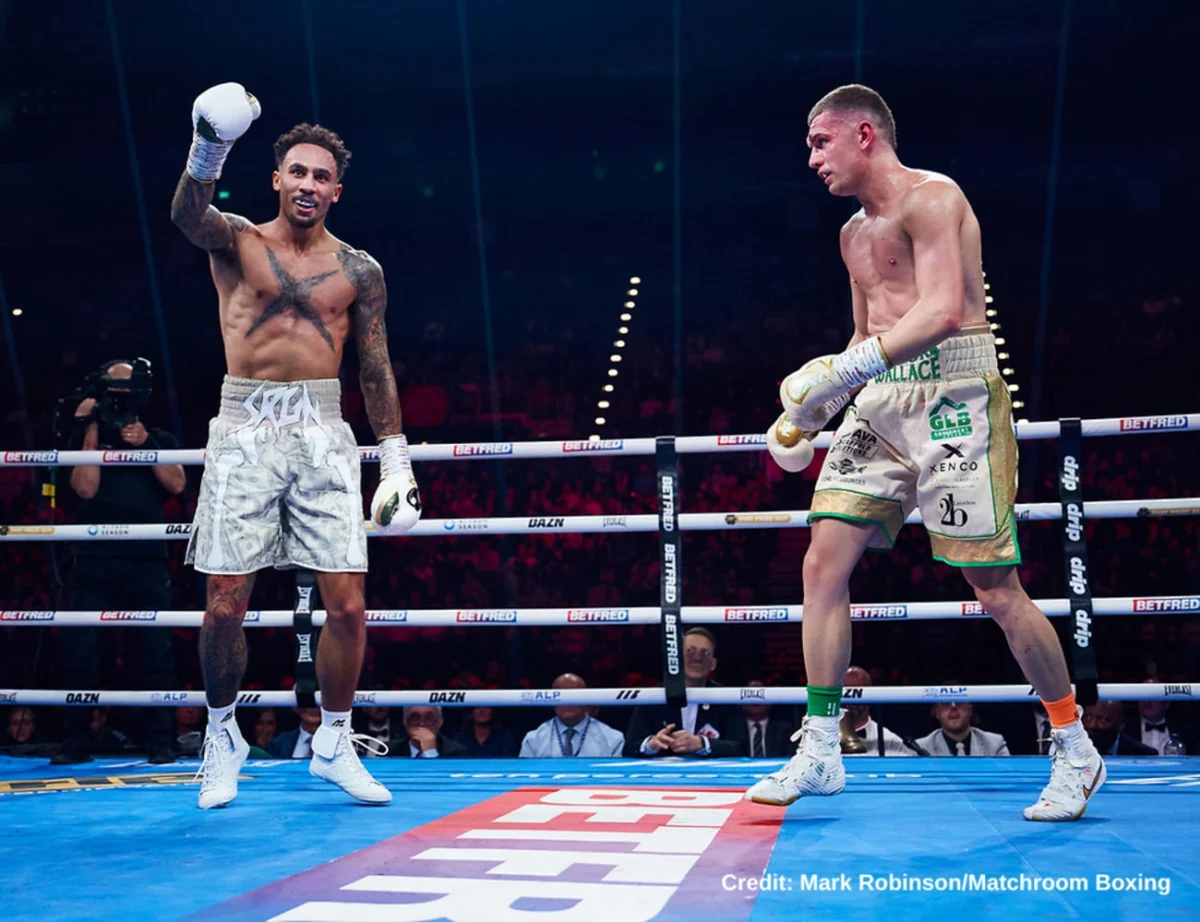
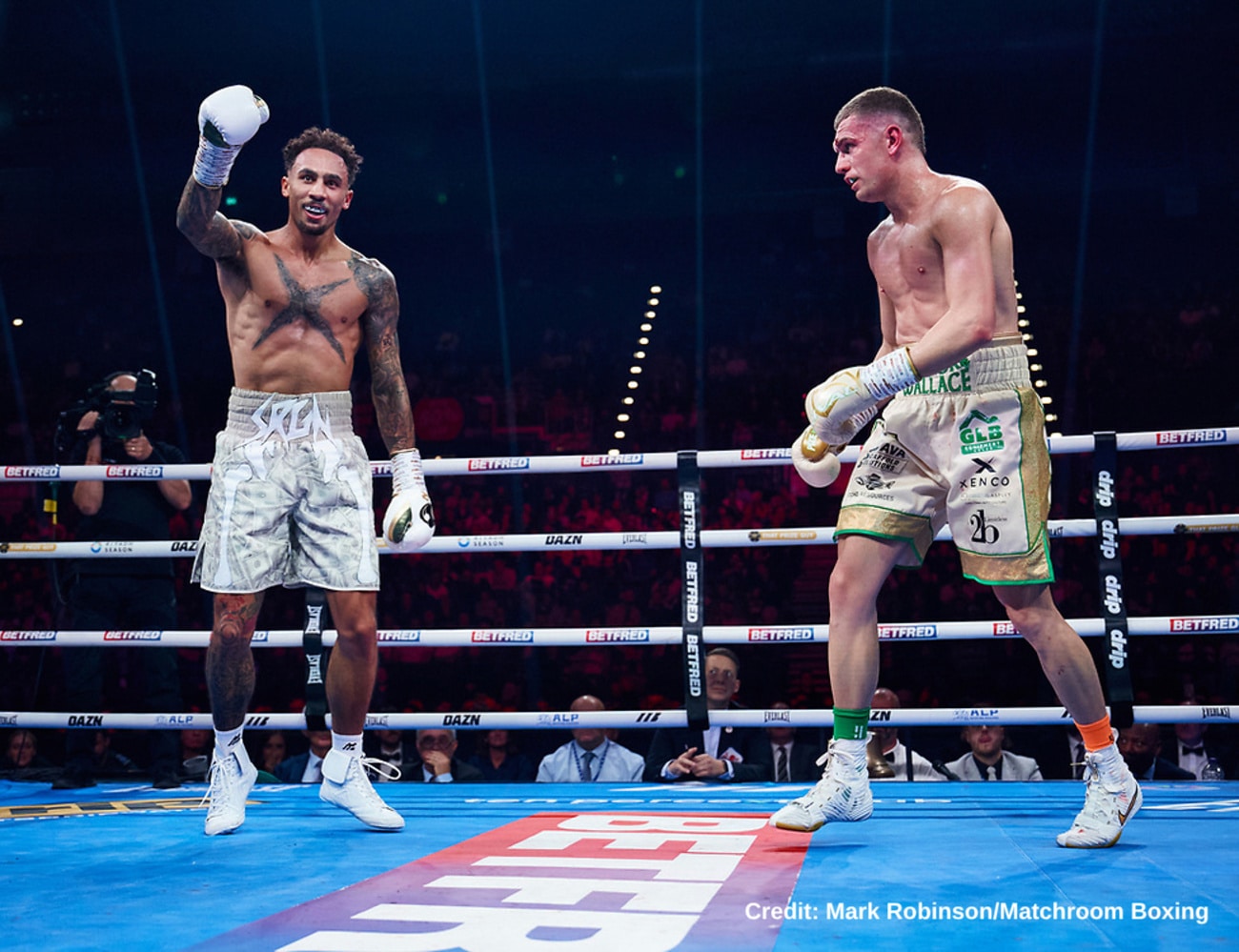
Birmingham, UK – Ben Whittaker, the 29-year-old Olympic silver medalist, secured a significant unanimous decision victory over Conor Wallace in Birmingham on Saturday, a win that officially propels him into the mandatory challenger position for Dmitry Bivol’s light-heavyweight world title. However, the nature of the contest, particularly Whittaker’s visible struggles in the later rounds, has ignited a debate among boxing observers about the true extent of his knockout power and the developmental path that has led him to this pivotal juncture. The report, originally published on sportsamo.com, highlighted the challenges Whittaker faced in imposing his will on an opponent who refused to yield.
Whittaker’s ascent has been punctuated by a series of impressive, often swift, knockout victories. These performances have cultivated an image of a fearsome finisher, a fighter capable of ending contests with a single, devastating blow. This perception, however, was put under intense scrutiny against Wallace. Instead of dictating terms with his renowned speed and surgical precision, Whittaker found himself drawn into a gritty, back-and-forth war. Against an opponent who consistently answered the bell and absorbed his best shots, the Londoner could no longer rely solely on his physical advantages to control the exchanges. The final round, in particular, saw Whittaker visibly pushing, a desperate effort that raised questions about how much his earlier stoppages had truly demonstrated his ability to overcome sustained pressure.
As former world champion George Groves articulated on his popular YouTube channel, "The knockout wins of late – are they a tiny bit generous in what they now spell? Maybe he’s not the murderous puncher that the record suggests." This sentiment resonates with a growing concern that Whittaker’s career trajectory, meticulously managed by promoters Matchroom and Boxxer before them, may have prioritized showcasing his dazzling offensive skills over forging the resilience needed for championship-level competition. These promotional platforms repeatedly placed Whittaker in what were essentially "showcase fights," bouts designed to highlight his movement, flashy combinations, and finishing prowess. While these opportunities allowed him to hone his offensive arsenal, they offered limited preparation for opponents who would actively resist, absorb punishment, and push back with sustained pressure. At 29, with a wealth of amateur experience, including an Olympic silver medal from the Tokyo 2020 Games, Whittaker arguably required a more demanding and robust progression through the professional ranks.
Examining Whittaker’s recent opponents offers further context to these concerns. Braian Nahuel Suarez, whom Whittaker dispatched with relative ease, had entered their bout with a concerning record, having lost three of his previous six fights. Similarly, Richard Rivera, another fighter Whittaker stopped, arrived in their contest after a significant layoff of approximately 17 months. His most recent victories prior to facing Whittaker were against Roger Guerrero and Devaun Lee, fighters whose professional records entering those respective bouts stood at a modest 17-8-1 and 11-11-1. While these statistics do not diminish Whittaker’s achievements, they highlight a pattern of opponents who, on paper, were not expected to pose significant threats or test his mettle in the way Wallace ultimately did.
The warning signs, in fact, were subtly present even earlier in Whittaker’s career. In his initial encounter with Liam Cameron, before a controversial fall over the ropes overshadowed the bout, Whittaker was visibly struggling with Cameron’s determined pressure. While the dramatic conclusion of the fight and Cameron’s subsequent injury dominated the post-fight narrative, the uncomfortable exchanges that preceded the incident revealed a vulnerability. Cameron, though not considered a world-class opponent, had managed to disrupt Whittaker’s rhythm and control. This performance, though overshadowed, served as an early indicator that Whittaker’s dominance could be challenged by a fighter willing to impose their physical will.
Wallace, therefore, brought that lingering concern back into sharp focus. As Groves astutely observed, Wallace did not simply wait for Whittaker to land and escape. Instead, he engaged, throwing punches alongside Whittaker rather than allowing the faster fighter to dictate the pace and dictate the terms of engagement. While Whittaker’s speed and counter-punching ability are undeniable assets, landing first did not prevent him from being caught in return. This willingness to trade, a hallmark of a determined fighter, exposed some of the technical liabilities that have persisted in Whittaker’s game.
His upright retreats, a habit that can leave him exposed, and his increasing reliance on holding as a defensive mechanism became noticeable liabilities as Wallace skillfully closed the distance. The limited amount of effective short-range offense Whittaker generated when pressed discouraged the Australian from continuing his forward momentum. Conversely, his tendency to retreat towards the ropes, a common tactic for many fighters, significantly reduced Whittaker’s spatial awareness and his ability to escape tight situations. This tactical disadvantage allowed Wallace to maintain his pressure and land shots that might have been avoided with better footwork or ring generalship.
The developmental cost of repeated showcase fights, therefore, becomes starkly apparent. Weaknesses, such as those exposed by Wallace, can remain unresolved while public expectations and the perceived trajectory of a fighter’s career continue to rise. Whittaker has undeniably earned his mandatory position, a testament to his talent and the promotional efforts behind him. However, the contest with Wallace served as a crucial, and perhaps overdue, reminder of the significant amount of work that remains for him to do before he can credibly challenge a formidable world champion like Dmitry Bivol. The path to a potential world title shot is now clearer, but the journey to being truly ready for that elite level appears to be a more arduous and technically demanding one than his highlight reel might suggest.