
Formula 1 circuits must undergo resurfacing every couple of years to maintain optimal safety and performance standards, a sentiment strongly voiced by Mercedes star George Russell. This urgent call, reported by sportsamo.com, comes in the wake of scathing criticism from reigning world champion Max Verstappen regarding the notoriously bumpy Circuit of the Americas (COTA) in Austin, Texas, with the Dutchman quipping he might need "a new spine" after tackling the challenging asphalt.
Verstappen’s vivid remarks ignited a broader conversation about track conditions across the Formula 1 calendar. Having witnessed the brutal toll COTA took on cars and drivers during a recent World Endurance Championship (WEC) race, the Red Bull ace was visibly alarmed. "It’s again a very different track," Verstappen commented, reflecting on the upcoming Grand Prix. "From what I saw in WEC, the track is incredibly bumpy. Oh my God, I probably need to order a new spine after the weekend, or become like Robocop. Crazy." His strong words underscore a growing frustration among drivers who are increasingly feeling the physical and mechanical strain imposed by deteriorating surfaces.
The Circuit of the Americas has long held a reputation for its undulating and uneven surface, a characteristic that, while sometimes adding to its unique charm, has become a significant concern for modern Formula 1 machinery. Attempts have been made in the past to mitigate the issue, with sections of the track being resurfaced. However, these efforts have often proved temporary or insufficient, with the underlying geological instability of the area, combined with heavy usage, leading to the rapid reappearance of bumps and cracks. The unique design of F1 cars, with their extreme aerodynamic sensitivity and rigid suspension, means even minor imperfections in the track surface can have disproportionately large effects on performance and driver comfort.
During his media session in Austin, George Russell echoed Verstappen’s concerns, confirming the track’s bumpiness but emphasizing that the problem extends far beyond COTA. "Yeah, it’s bumpy, but I think it’s just part of racing," Russell acknowledged, before delivering his more profound diagnosis. "I’d say my general view is F1 tracks probably need to be repaved every couple of years just to make it a bit more consistent, because we’re going to tracks now where tarmac’s coming up, it’s falling apart, it’s causing more issues than not." His suggestion for a biennial resurfacing schedule highlights a perceived systemic issue across the 24-race calendar, where ageing asphalt is becoming a pervasive challenge.
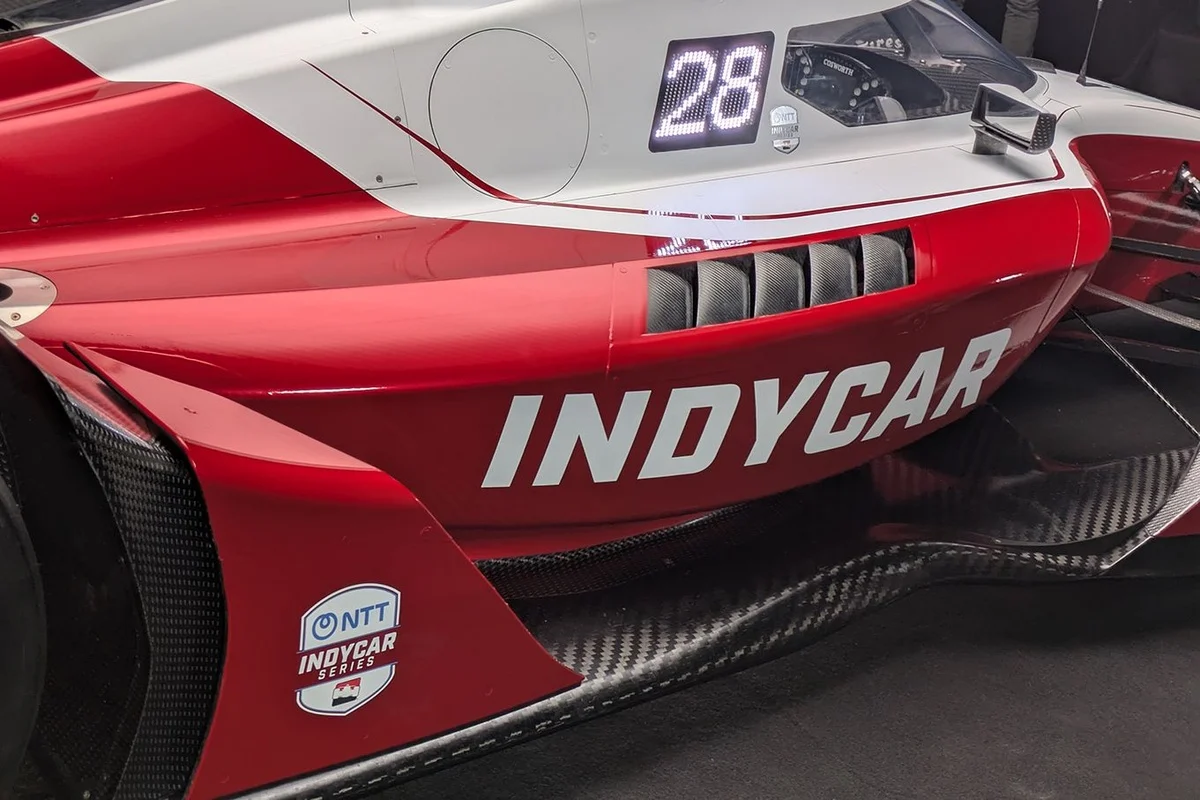
The unique technical demands of contemporary Formula 1 cars are at the heart of this issue. Modern F1 machines operate with incredibly low ride heights, often just 10mm or a centimeter from the ground at the end of a straight. This extreme proximity to the asphalt is crucial for maximizing the ground effect aerodynamics that generate vast amounts of downforce, effectively sucking the car to the track. However, this design philosophy leaves virtually no margin for error when encountering bumps or undulations. "We’re not an Indy car or an F2 car that run their ride heights reasonably high," Russell explained. "Our ride height’s 10mm at the end of the straight, a centimetre from the ground, so any tiny bump you really feel it." Even a small imperfection can disrupt the delicate airflow beneath the car, leading to a loss of downforce, instability, and potentially dangerous consequences at speeds exceeding 200 mph.
Furthermore, the shift to 18-inch wheels and lower-profile tires, introduced in 2022, has exacerbated the problem. While the overall circumference of the tire remains largely consistent, the increased rim size means the tire sidewall is significantly smaller. This reduction in sidewall height has removed a crucial element of natural suspension and damping that drivers previously relied upon. "The side profile of the tyres now since we’ve been at the 18-inch is substantially smaller," Russell elaborated. "The circumference of the tyre is the same, the circumference of the rim is far greater, so you’ve lost all of that effective suspension in the tyre, which was a damper, which we kind of don’t have anymore. So, again, not ideal, but not much we can do." This technical evolution, while intended to improve tire performance and visual appeal, has inadvertently made F1 cars even more sensitive to track irregularities, transmitting more shock and vibration directly to the chassis and, consequently, the driver.
The implications for driver well-being and safety are significant. Beyond the immediate discomfort, the relentless pounding can lead to chronic back pain, fatigue, and even headaches, as Lando Norris has previously attested when discussing bumpy circuits. This physical toll can impact a driver’s concentration and performance over a long race weekend. Moreover, compromised track surfaces pose a direct safety risk. The 2024 Monaco Grand Prix provided a stark illustration when both Lance Stroll and Charles Leclerc crashed at Turn 19 within a short period, prompting a red flag for FIA inspection. While both drivers attributed their incidents to car issues, many observers linked the crashes to the damaged asphalt, which had reportedly begun to break up. Such incidents highlight the tangible dangers when track integrity is compromised.
The economic and logistical challenges of frequent resurfacing are undeniable. Repaving a Formula 1 circuit is a massive undertaking, requiring specialized asphalt mixes designed to withstand extreme forces, varying temperatures, and the unique demands of high-performance racing. The cost can run into millions of dollars, and the process requires significant track downtime, which can impact other racing series, testing schedules, and commercial events. Circuits often operate on tight budgets and schedules, making biennial resurfacing a substantial financial and operational commitment. However, as driver complaints intensify and safety concerns mount, the question arises whether these costs are a necessary investment in the sport’s long-term health and integrity. The FIA, as the sport’s governing body, sets standards for track surfaces and conducts regular inspections. However, Russell’s comments suggest that current maintenance schedules might not be keeping pace with the evolving demands of F1 technology.
Comparing Formula 1 to other open-wheel categories like IndyCar or Formula 2 further illuminates Russell’s point. These series, while incredibly fast, often run cars with higher ride heights, different suspension philosophies, and tire constructions that offer more compliance. IndyCars, for instance, are designed to race on a wider variety of tracks, including street circuits and older oval tracks with inherent imperfections, making them more robust in handling uneven surfaces. Their less aggressive aerodynamic packages are also less sensitive to minor disruptions in airflow caused by bumps. This inherent adaptability allows them to race effectively on tracks that might pose significant problems for a modern F1 car.
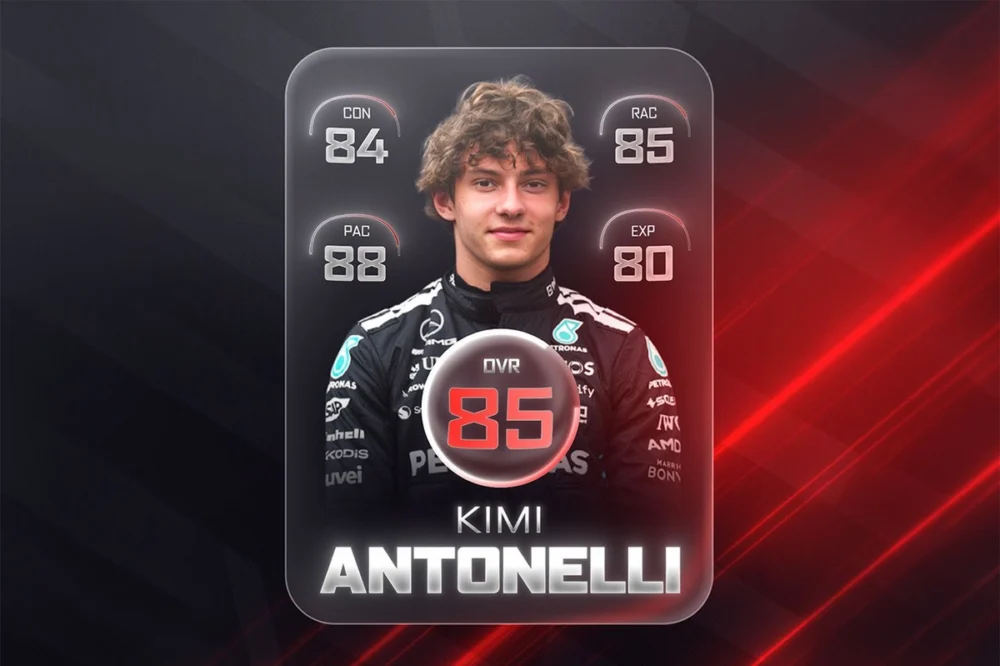
As the F1 circus prepares for another race weekend at COTA, the debate over track maintenance will undoubtedly loom large. George Russell, arriving in Austin second in the drivers’ championship, 102 points behind his Mercedes team-mate Kimi Antonelli – a scenario that sees Antonelli theoretically able to clinch the title this Sunday – understands the fine margins of performance. Both Mercedes drivers are set to run the team’s latest upgrade package this weekend, with Russell noting that the new parts necessitate "a bigger set-up adjustment than we first anticipated." These adjustments become even more complex when engineers must factor in unpredictable track conditions, which can undermine the precision required to optimize a cutting-edge F1 car.
Ultimately, the call for more frequent resurfacing is not merely about driver comfort; it’s about preserving the essence of Formula 1. Consistent, high-quality track surfaces are essential for fair competition, accurate car development, optimal performance, and, most critically, driver safety. As F1 cars continue to push the boundaries of technology and speed, the infrastructure they race on must evolve to match. Russell’s plea serves as a potent reminder that the foundations of the sport, quite literally, need constant attention to ensure the spectacular racing and unparalleled engineering that define Formula 1 can continue to thrive.