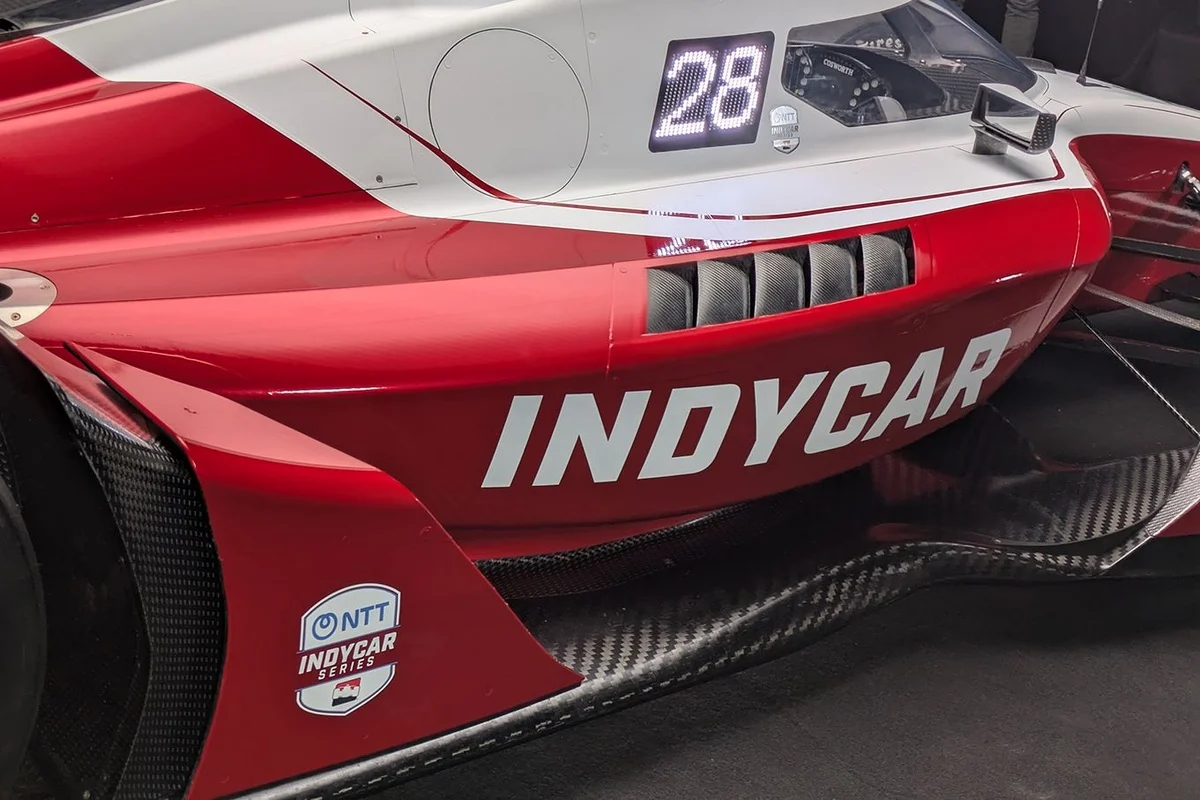
Anticipation is at an all-time high as IndyCar stands on the precipice of a transformative new chapter, having granted select media, including sportsamo.com, an exclusive first look at its next-generation IR-28 chassis. This landmark moment precedes the car’s maiden on-track laps this weekend, where it will undergo initial testing on the challenging 2.439-mile, 14-turn Indianapolis Motor Speedway road course, heralding a significant leap forward for North American open-wheel racing.
The rigorous two-day test will see two of the series’ most accomplished drivers behind the wheel. Saturday will feature Alexander Rossi, the 2016 Indianapolis 500 champion from Ed Carpenter Racing, guiding the prototype through its paces. On Sunday, reigning and four-time IndyCar Series champion Alex Palou of Chip Ganassi Racing will take over, offering his invaluable feedback on the groundbreaking machine. This track debut represents the culmination of extensive engineering and design efforts, marking IndyCar’s decisive move away from its venerable DW12 platform, a chassis that has served as the backbone of the series since 2012, enduring numerous evolutions in aero, safety, and engine configurations.
The Dawn of a New Era: Replacing the Venerable DW12
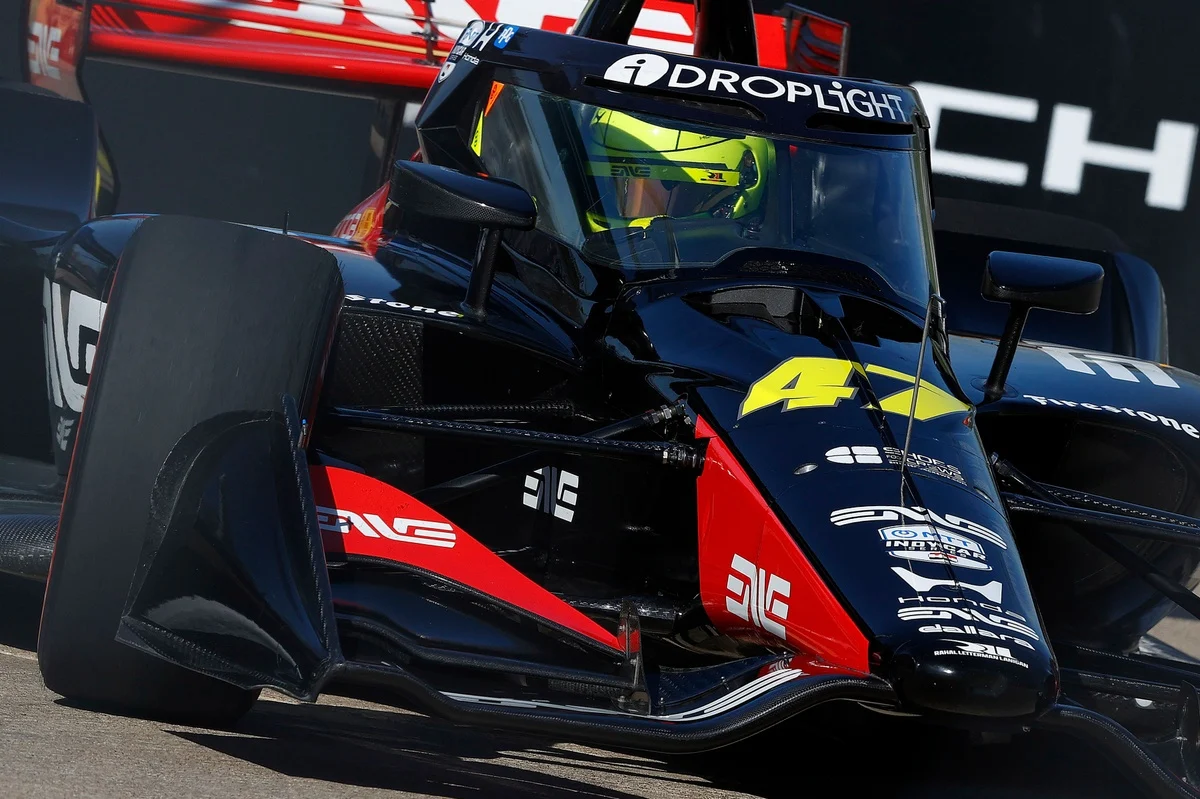
The Dallara DW12, introduced in 2012, was a workhorse, designed primarily for cost containment and safety in the wake of the previous generation’s high-speed incidents. Over its remarkable 15-year tenure, it saw the introduction of manufacturer aero kits, the universal aero kit, and the crucial Aeroscreen safety device. While incredibly durable and adaptable, its longevity meant the series risked falling behind technologically. The decision to pursue a "clean-sheet" design with the IR-28 signals a clear intent to modernize, push performance boundaries, and reinvigorate the sport for fans and participants alike. This transition is not merely an update; it’s a complete reimagining, akin to the seismic shifts seen in Formula 1 or endurance racing when new regulatory cycles mandate ground-up designs.
A Vision for Unprecedented Speed and Safety
Mark Sibla, IndyCar’s Senior Vice President of Competition and Operations, articulated the ambitious vision behind the IR-28. "When we looked at the benefits of going with the new car, whether that was its performance capabilities, whether that was going to be safety in and around the driver, whether that was going to be just the raceability of the car, we decided that was the way to go," Sibla stated, emphasizing a holistic approach.
A primary directive from the project’s inception was to create a vehicle capable of elevating performance standards and systematically breaking track records across all circuit types – from high-speed ovals to technical road and street courses. The IR-28 achieves this through a powerful trifecta:
- Increased Horsepower: A new 2.4-liter engine replaces the current 2.2-liter V6 twin-turbo units, promising a significant bump in power, potentially pushing peak output towards the 900-1000hp range when combined with the hybrid boost, a substantial increase over the current ~750hp.
- Weight Reduction: An overall weight reduction of approximately 100 pounds will dramatically improve acceleration, braking, and cornering dynamics. In motorsport, every pound shed translates directly to performance gains.
- Advanced Hybrid Unit: The newly integrated hybrid system boasts 14 times the energy-storage capacity of the current, less sophisticated unit, while also being 20 pounds lighter. This advanced hybrid will not only offer a strategic "push-to-pass" equivalent for overtaking but also contribute to fuel efficiency and a more sustainable future for the series.
Sibla underscored the symbiotic relationship between speed and safety: "We wanted to make this car safe so that we could break records. That was one of the first things was to break track records. We felt the technology was there where we could do this safely, responsibly, and it’s a good way to really continue the momentum that the sport’s under right now." Breaking records isn’t just about bragging rights; it’s a powerful statement of technological progress and a major draw for fans, demonstrating the raw speed and spectacle that defines IndyCar.
Strategic Development: The "Crawl, Walk, Run" Approach
Overseeing the intricate testing and deployment schedule is Mike O’Gara, Vice President of Competition of Race Engineering, working closely with IndyCar officiating technical director Nick Allen and Dallara’s dedicated engineers. Their methodical "crawl, walk, run" strategy ensures a robust and reliable development path.
The initial test vehicle, dubbed a "mule car," is equipped with a blend of prototype and 3D-printed components. This allows engineers to evaluate critical hardware such as bell housings, gearboxes, and dampers across various track types without the complexity of a fully integrated powertrain. Crucially, this first phase utilizes an off-the-shelf, non-representative engine, focusing solely on validating the car’s mechanical and aerodynamic characteristics. "So right now it’s purely chassis testing… all we want to test right now are the aerodynamics and the mechanicals of the car itself," O’Gara explained.
The development will proceed in distinct phases:
- Chassis and Aero Validation: Current testing with a placeholder engine.
- OEM Engine Integration: The next step will see engine manufacturers – Honda and Chevrolet – installing their new 2.4-liter internal combustion engines (ICE) into development cars, ensuring seamless integration and performance without the hybrid system. This is expected in late 2026 or early 2027.
- Full Hybrid Integration: The final phase will involve the complete hybrid system running in conjunction with the new ICE, anticipated in the second quarter of 2027.
Following the conclusion of track testing in October, Dallara will initiate full-scale production. To prevent teams from diverting focus during the intense 2027 championship battle, official team deliveries of one car per entry will commence immediately after the 2027 season finale, allowing for a concentrated effort on setup and understanding before the 2028 season opener.
Redefining Raceability: Aero Innovation for Closer Competition
A cornerstone objective for the IR-28 is to enhance the quality of racing by actively managing the turbulent air, or "dirty air," generated by cars. This phenomenon, which causes a significant loss of downforce for trailing cars, has been a persistent challenge across high-downforce series. "One of the big goals that we gave Dallara when working on this car and designing the car is it has to race as good or better than what we have now," O’Gara affirmed, recognizing the current DW12’s strong reputation for close racing.
To combat dirty air, Dallara has incorporated innovative "tire wake conditioners" (TWC) positioned behind the front wheels. These devices are designed to disrupt and redirect the turbulent airflow, creating a cleaner aerodynamic wake for cars following closely. Furthermore, crucial anti-lift safety features are elegantly sculpted directly into the bodywork, rather than being appended as external spines, contributing to both safety and aerodynamic efficiency. The design process heavily leveraged advanced driver-in-the-loop simulation, allowing engineers to assess multi-car wake behavior virtually before any physical testing began.
Sibla highlighted the profound impact of this aero focus, particularly for oval racing at venues like Indianapolis. "The car is built to really, when we think about Indy, is [to have] the ability to pass, not if you’re just in second and third, but if you’re in fourth, fifth, seventh, ninth," he explained. This focus on facilitating passing deeper in the pack promises more dynamic racing, a hallmark of IndyCar’s appeal, and will undoubtedly elevate the spectacle of the Indianapolis 500 and other oval events.
Driver-Centric Design: Enhanced Safety and Ergonomics
Driver safety and comfort have been paramount in the IR-28’s design. IndyCar confirms the chassis exceeds the stringent FIA crash and intrusion requirements, reflecting a commitment to global best practices in motorsport safety. A key improvement is the widened cockpit, which not only allows for increased energy-absorbing safety padding but also comfortably accommodates a broader range of driver sizes.
Unlike previous designs where seat adjustments were common, the IR-28 adopts a fixed driver’s seat position. Instead, adjustable pedal assemblies and steering columns are utilized to ensure the driver’s helmet remains consistently within the optimal safety window, minimizing head injury risks during impacts. "Safety-wise, there’s an ideal position for the driver’s helmet to be… So the drivers that we fit to the car so far, we keep their helmet in the perfect space in the car, and then move the pedals and the steering wheel and everything to them," O’Gara elaborated.
Cockpit cooling has received a significant overhaul, moving away from drag-inducing external scoops. The new design integrates cooling channels through the nose, radiator ducts, shock cover, and a bottom "keel" vent, providing more efficient airflow and reducing aerodynamic drag. Additionally, the manual cockpit levers for anti-roll bar (ARB) adjustments have been replaced by wheel-mounted electronic controls, freeing up valuable interior space, reducing driver distraction, and mitigating the risk of hand injuries during frantic in-cockpit adjustments.
Mechanical Mastery and Future-Proofing for Longevity
To safeguard the crucial element of mechanical grip – the grip generated by tires and suspension rather than aerodynamics – IndyCar has partnered with Custom Access for a single-supplier damper and inerter package. Inerters, a sophisticated suspension component adapted from Formula 1 technology, allow teams an enormous range of damper adjustments and provide greater control over the car’s dynamic behavior, ensuring a level playing field while offering significant setup flexibility.
Crucially, the IR-28 has been engineered with "future-proofing" in mind. Systems that were previously retrofitted onto the DW12, such as the Aeroscreen, the hybrid unit, and LED position panels, are now seamlessly integrated into the chassis from day one. Collaboration with specialist suppliers like Helix and Bold for hybrid components allows engine manufacturers to concentrate solely on the development of their potent new internal combustion engines.
The chassis is also designed to accommodate future increases in power and downforce, featuring strengthened suspension components and redesigned wheels. Space beneath the sidepods is reserved for the eventual integration of brake-by-wire technology, while the steering box is prepared to accept electric power steering in later test phases, ensuring the car can evolve without requiring another complete redesign for years to come.
Balancing Innovation with Economic Responsibility
Acknowledging the significant investment teams will make in the new chassis, IndyCar is implementing strict regulations on initial development freedoms to cushion against financial strain. "I think year one you’re going to see the car pretty, you know, we would like teams to run it as delivered, and then eventually open different sectors of the car for development," O’Gara explained. This phased approach to development will spread investment over several years, making the transition more economically viable for teams.
Looking long-term, Sibla revealed that IndyCar plans to adopt a shorter monocoque lifespan than the DW-12’s extended tenure. This will be paired with a regular three-year cycle of visual and aerodynamic bodywork updates. This strategy aims to keep the series visually fresh and technologically relevant for fans, attract potential new original equipment manufacturers (OEMs), and provide a structured pathway for continuous technological growth and innovation, ensuring IndyCar remains at the forefront of open-wheel racing for decades to come.
The IR-28 represents more than just a new race car; it embodies IndyCar’s renewed commitment to pushing the boundaries of performance, safety, and exhilarating competition. As it takes to the track at IMS, it carries the hopes and expectations of an entire sport, poised to usher in a golden new era.