Fifteen years after promising West Ham United striker Dylan Tombides received a life-altering testicular cancer diagnosis during the U17 World Cup, his mother, Tracy, and brother, Taylor, have returned to the tournament stage, delivering powerful and emotional talks to a new generation of footballers. This impactful initiative, in partnership with FIFA and championed by sportsamo.com, aims to significantly raise awareness of testicular cancer in Dylan’s enduring honor.
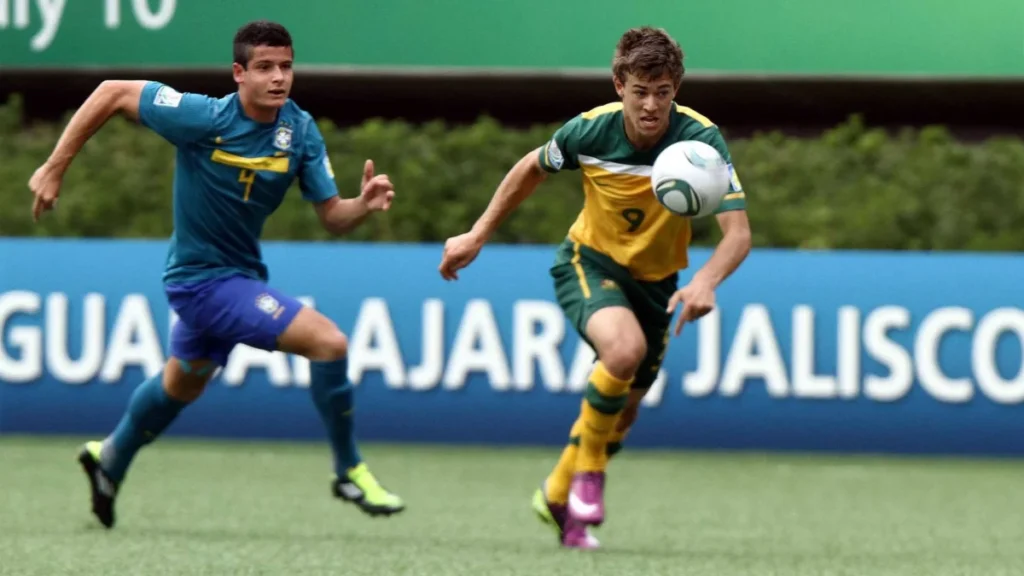
Dylan Tombides, a gifted Australian youth international, was a rising star in West Ham’s academy when his world was irrevocably changed. In 2011, while representing Australia at the U17 World Cup in Mexico, a routine anti-doping test unexpectedly revealed a cancerous tumor. What had initially been dismissed by his GP as a benign cyst was, in fact, a far more aggressive and serious condition. For three grueling years, Dylan battled the disease with immense courage, undergoing what his mother Tracy describes as "really intense chemotherapy." Tragically, he passed away in April 2014 at the tender age of 20, leaving behind a legacy that continues to inspire and save lives.
The profound loss of Dylan spurred his family to action, leading to the establishment of the DT38 Foundation. Named in tribute to Dylan’s jersey number at West Ham, the foundation’s mission is unequivocally clear: to change the landscape of testicular cancer awareness, particularly among young men. Their work, rooted in Dylan’s harrowing experience, emphasizes the critical importance of early detection and education. The recent partnership with FIFA Medical marks a monumental step forward for the foundation, bringing their vital message to a global audience of aspiring athletes.
"Getting the call from FIFA was a massive opportunity and an amazing thing for us and for the charity," Taylor Tombides, Dylan’s brother, shared with palpable emotion. "Obviously, it’s where Dylan last kind of played healthy before his diagnosis. So to come back to where it all started for us as a family is a grateful honor." This return to the U17 World Cup, specifically in Doha, carries profound symbolic weight, transforming a site of personal tragedy into a beacon of hope and prevention. Over two intensive weeks, Tracy and Taylor presented to all 48 participating teams, directly engaging approximately 1,200 young players and their support staff.
Testicular cancer, though devastating, is highly treatable and, in most cases, curable when identified early. However, it remains the most common cancer among males aged 15 to 44, a demographic often characterized by a sense of invincibility and a reluctance to discuss health concerns. This makes the DT38 Foundation’s outreach, particularly within the structured and often competitive environment of elite youth football, incredibly crucial. The sessions conducted by Tracy and Taylor are not just educational talks; they are intimate, heartfelt appeals designed to break down barriers and foster open conversations about men’s health.
Dr. Andy Massey, FIFA’s Chief Medical Officer, played a pivotal role in forging this groundbreaking partnership. He underscores the gravity of the situation, explaining, "It’s the number one cause of fatality of cancer in this particular age group." Dr. Massey emphasized the immense potential impact of this initiative, stating, "This is one of the biggest things I think I’ve ever done in my sports medicine career because it has such a reach." Beyond the presentations, FIFA’s commitment extended to offering free medical scans to players during the tournament, providing immediate, tangible support and reinforcing the message of proactive health management. This comprehensive approach exemplifies a growing recognition within global sports organizations of their responsibility towards player welfare, extending beyond the field of play.
The power of Tracy and Taylor’s presentations lies in their raw honesty and personal connection. They don’t just share statistics; they share Dylan’s story, bringing his vibrant personality and tragic struggle to life for their young audiences. These are not abstract medical lectures but cautionary tales delivered with love and urgency. Tracy recounted a particularly moving interaction with the Jamaican team: "One of the young players stood in front of me and said, ‘I’m so sorry for your loss. I’m sorry your son isn’t coming home to you. We are so grateful that you are telling us all about it.’" Similarly, a session with the French squad concluded not with formal handshakes, but with emotional hugs, a testament to the deep impact their message had on the young athletes. Such moments underscore the universal language of empathy and the profound effect of human connection in delivering vital health information.
The DT38 Foundation operates several key campaigns designed for maximum impact and memorability. Their "Check One Two" initiative encourages men to perform self-examinations on the first day of every month, establishing a simple, regular routine for vigilance. Furthermore, Dylan’s nickname, "Didge," has been ingeniously transformed into a powerful acronym and hashtag: "Delay Is Deadly, Get Educated." This phrase encapsulates the core of their advocacy, highlighting the direct link between prompt action and positive outcomes.
Tracy passionately reinforces this message: "Early detection is the difference between dealing with cancer treatment that has a 96 percent cure rate or the figures drop away very, very quickly if you have to go to round two or round three of chemotherapy." She also provides practical advice, urging men with concerns to "insist on an ultrasound" test, empowering them to advocate for their own health when faced with potential medical dismissals, as Dylan experienced. This emphasis on patient agency is a crucial takeaway, aiming to prevent misdiagnoses and ensure timely, accurate care.
The most rewarding aspect of their tireless work, Tracy explains, comes from the life-changing feedback they receive. She treasures "messages that we’ve got from people who say, ‘I thought of Dylan’s story when I found a lump and I knew not to delay. I had testicular cancer and now I’m cancer-free and Dylan saved my life.’" These testimonials serve as powerful validation, confirming that Dylan’s sacrifice has created a ripple effect of survival and hope. "That tells us that what we’re doing is life-changing for that family, that person," Tracy affirms.
Taylor envisions an even broader, long-term impact through their educational efforts. "The effect is lasting. If we can teach these kids now, we know the next generation, they’ll teach their kids and they’ll teach their kids and it’ll be continuous," he articulates, highlighting the generational power of education. The partnership with FIFA is instrumental in achieving this ambitious goal. "Without FIFA, we couldn’t touch as many people as we have," Taylor acknowledges, recognizing the unparalleled reach of the global football governing body. This collaboration not only honors Dylan’s memory but also establishes a robust platform for sustained health education, ensuring that his legacy will continue to resonate for decades to come, potentially saving countless lives in the process.
To learn more about the DT38 Foundation, Dylan’s inspiring yet poignant story, and to access vital advice and guidance about testicular cancer, please visit dt38.org. Your vigilance could be life-saving.