The fourth annual NBA Cup has officially escalated to its thrilling crescendo, with the knockout stage now set to crown a champion on December 11th at the hallowed grounds of Butler University’s Hinkle Fieldhouse. This comprehensive report from sportsamo.com delves into the tournament’s evolution, analyzes the teams vying for the coveted Cup, and critiques the format’s current iteration as it builds towards its highly anticipated conclusion.
Since its inception in 2023, the NBA Cup has aimed to inject heightened stakes and competitive fervor into the often-monotonous regular season. What began as an experimental venture has gradually carved out its niche, captivating fans with its unique blend of group-stage drama and high-stakes, single-elimination basketball. This year’s edition has seen several compelling narratives emerge, from surprising contenders defying expectations to established powerhouses asserting their dominance, all culminating in a fascinating bracket.
The group stage, spanning most of November, concluded with eight teams—four from each conference—earning their berths in the quarterfinals. From the Western Conference, the San Antonio Spurs, Dallas Mavericks, Portland Trail Blazers, and Memphis Grizzlies advanced. In the Eastern Conference, the Detroit Pistons, Philadelphia 76ers, Boston Celtics, and Atlanta Hawks secured their spots. A notable shift in this year’s format sees the higher seeds—Dallas, Portland, Detroit, and Atlanta—hosting the quarterfinal games at their home venues. This home-court advantage extends to the semifinals, a departure from previous years where both the semifinals and championship were held at a neutral site in Las Vegas. The grand finale, however, will break new ground, moving to the iconic Hinkle Fieldhouse in Indianapolis.
Hinkle Fieldhouse, a shrine to basketball history, brings an unparalleled sense of tradition to the NBA Cup final. Renowned as the backdrop for the film "Hoosiers" and a frequent host of NCAA tournament games, its classic, intimate atmosphere promises a stark contrast to the glitz of Las Vegas. This choice signals the league’s intent to blend modern competition with basketball’s storied past, providing a fitting stage for what the NBA hopes will become a truly prestigious mid-season trophy.
Western Conference Showdowns: Favorites and Dark Horses Collide
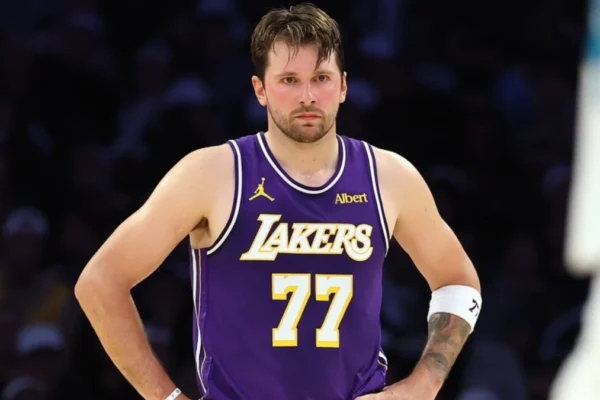
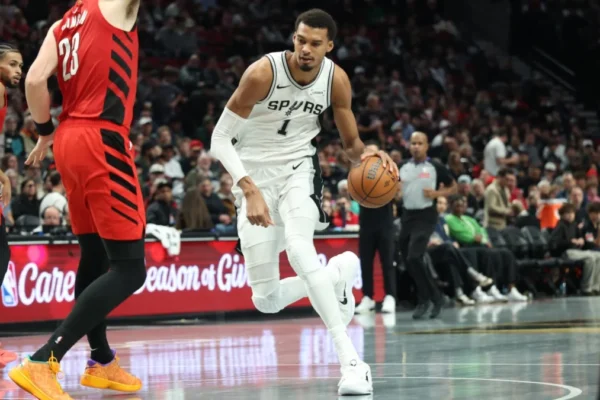
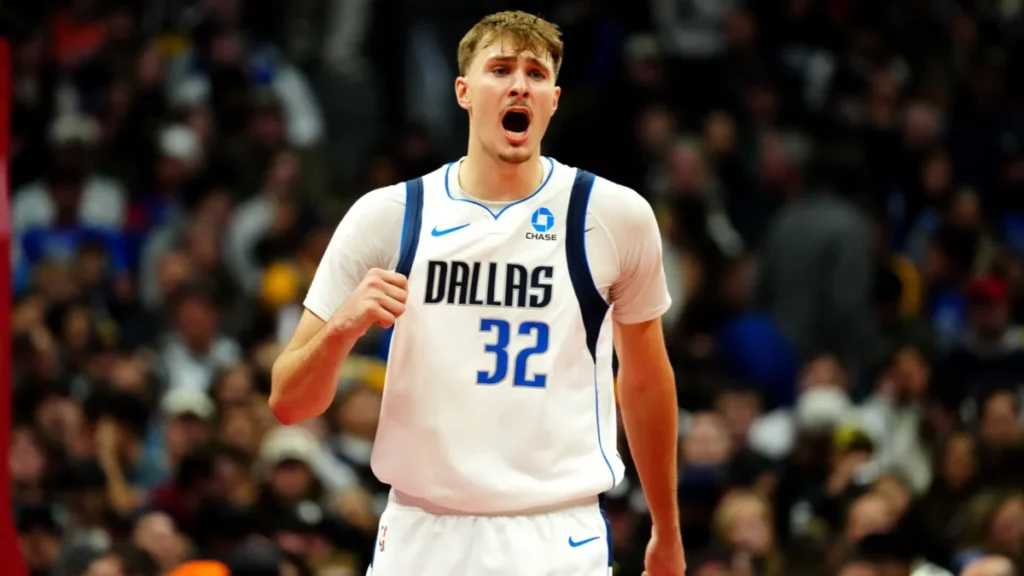
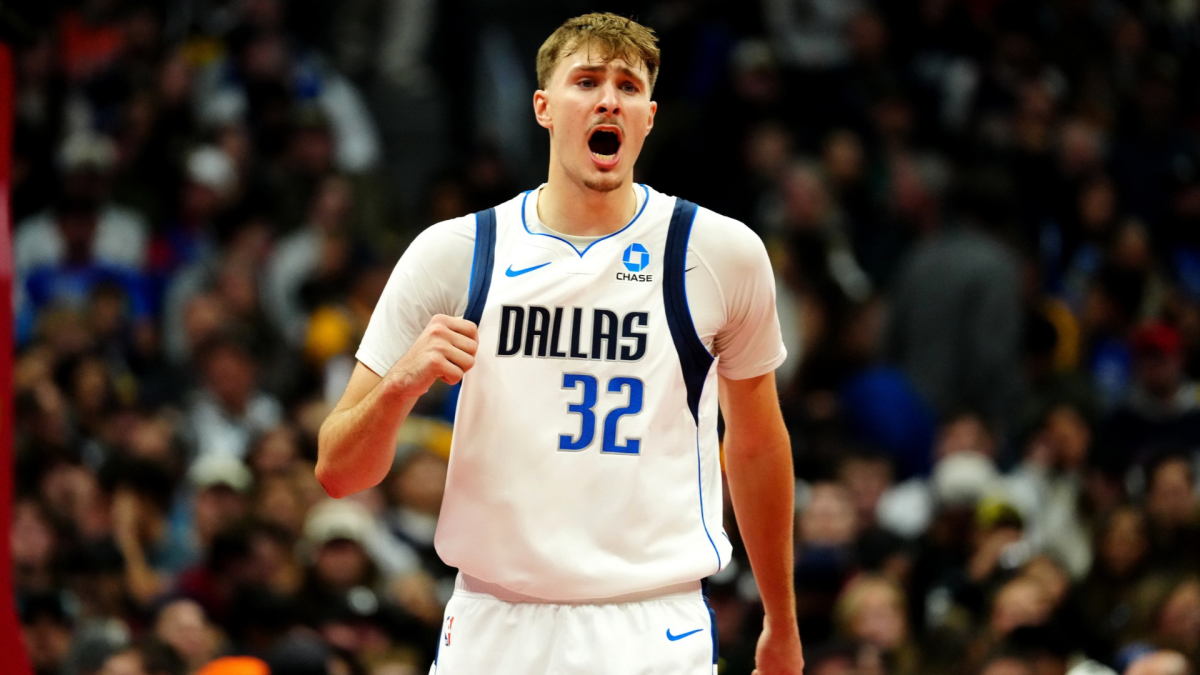
The Western Conference bracket presents an intriguing mix of established contenders and unexpected challengers. The San Antonio Spurs, widely considered the heavy favorites, face a stern test against the Dallas Mavericks. This matchup pits two of the league’s most dynamic young stars, Victor Wembanyama and Luka Dončić, against each other. Their recent regular-season clash saw the Mavericks push the Spurs to the brink, highlighting the potential for an instant classic. Dallas, driven by Dončić’s MVP-caliber play and Kyrie Irving’s veteran wizardry, has been a revelation in the group stage, showcasing an offensive firepower that can trouble any defense.
The other Western quarterfinal features two of the tournament’s biggest surprises: the Portland Trail Blazers and the Memphis Grizzlies. Both teams have defied preseason expectations, utilizing balanced rosters and tenacious play to punch above their weight. Portland, leveraging strong guard play and a burgeoning frontcourt, has displayed a newfound grit, while Memphis, despite navigating early-season challenges, has found cohesion at the opportune moment. The winner of this game will undoubtedly carry immense momentum into the semifinals, potentially setting up a David-vs.-Goliath narrative against the Spurs or Mavericks.
Eastern Conference Battles: Strategic Paths to the Final
In the Eastern Conference, the Detroit Pistons, another breakout squad, will host the Boston Celtics, a perennial contender. The Pistons have shown remarkable growth, with their young core finally clicking under a renewed defensive identity. Their path through the group stage was hard-fought, earning them a well-deserved home game. The Celtics, meanwhile, strategically navigated what was arguably the easiest group, leveraging dominant victories to secure a wild card spot through superior point differential. Their blend of star power and tactical depth makes them a formidable opponent for any team.
The Atlanta Hawks, who secured their home-court advantage by winning their group, will clash with the Philadelphia 76ers. The Hawks, despite their favorable group draw, demonstrated enough to earn their position, including a crucial one-point victory over the Celtics. The 76ers, powered by MVP candidate Joel Embiid and a revamped supporting cast, have been a force, sweeping their group with a mix of stifling defense and efficient offense. This promises to be a physical and tactical battle, with both teams looking to assert their dominance.
Group Stage Reflections: Winners and Losers
The group stage delivered its fair share of surprises and disappointments, shaping the narratives heading into the knockout rounds.
Winners: Western Conference Surprises (Dallas Mavericks, Memphis Grizzlies, Portland Trail Blazers)
One of the NBA Cup’s most compelling traditions has been its ability to serve as a launchpad for breakout teams and individual stars. In 2023, Tyrese Haliburton’s electrifying performances for the Indiana Pacers not only announced his arrival as a superstar but also elevated the Pacers to national relevance. The 2024 edition saw the Houston Rockets spiritually shed their rebuilding label, reaching the semifinals and demonstrating their young core’s potential against the Oklahoma City Thunder. Last year, the New York Knicks made history, capturing their first major trophy in over five decades with the NBA Cup before going on to win the Larry O’Brien Trophy, becoming the first team to achieve the coveted "double."

This year, the torch has been passed to the Western Conference’s unexpected trio: the Dallas Mavericks, Memphis Grizzlies, and Portland Trail Blazers. Preseason prognostications largely dismissed these teams as playoff long shots or rebuilding projects. Yet, collectively, they boast an impressive 40-19 record entering the knockout stage, showcasing remarkable early-season form. The Mavericks, with Luka Dončić playing at an MVP level and a retooled roster, have found a new gear. The Grizzlies, defying early injury woes, have rallied behind a gritty defensive effort and surprising offensive efficiency. Portland, often overlooked, has coalesced into a disciplined unit, capitalizing on opportune moments. At least one of these teams is guaranteed a semifinal berth, and one could very well represent the West at Hinkle, proving the NBA Cup’s power to elevate new contenders.
Loser: New York Knicks
Every year, the NBA Cup crowns a new champion, and a previous victor falls short. The Los Angeles Lakers won the inaugural Cup in 2023 but missed the knockout stage in 2024. The Milwaukee Bucks followed suit, winning in 2024 but failing to advance in 2025. This year, it’s the New York Knicks who keep the streak alive. As the reigning NBA Cup and Larry O’Brien Trophy holders, the Knicks carried the weight of unprecedented expectations. Their inability to advance means they cannot defend their mid-season title, nor can they retain the distinction of being the season’s double champion, even if they repeat in June. This early exit, particularly after such a historic 2025 campaign, undoubtedly stings for the Knicks faithful.
Winner: San Antonio Spurs
Having covered three of the four Western Conference participants, the fourth is the undeniable favorite: the San Antonio Spurs. While they did suffer a group stage loss to Portland and were pushed by Dallas, their path to the final looks remarkably clear. The three strongest Western Conference teams outside of San Antonio—the Lakers, Rockets, and Minnesota Timberwolves—all failed to qualify. The Oklahoma City Thunder were ravaged by injuries even before the group stage commenced, effectively eliminating another potential threat. Crucially, the Knicks, who have historically been San Antonio’s kryptonite in past playoff matchups and regular-season encounters, couldn’t navigate the East’s toughest group. After losing last year’s Cup final, the Spurs, led by the transcendent Victor Wembanyama, are in prime position for redemption. Anything less than hoisting the trophy would be a significant disappointment for a team that appears to have destiny on its side.
Loser: Los Angeles Lakers
Lakers fans have grown sensitive to the narrative that their team hasn’t faced a challenging schedule this season. However, statistics, as highlighted by Nate Duncan, confirm that the Lakers played the third-easiest schedule by opponents’ winning percentage deep into the season. The NBA Cup presented a golden opportunity to debunk this narrative and prove their mettle against top competition. Instead, they faltered. A crucial 20-point lead blown against the San Antonio Spurs on Friday ultimately sealed their fate. While they did secure a commendable victory over group winner Portland, an earlier loss to the Golden State Warriors, occurring before Stephen Curry’s injury, proved too costly. Despite their regular-season record, the Lakers will be watching the Cup final from home, reinforcing concerns about their ability to perform against elite opponents.
Winner: Boston Celtics
The Boston Celtics, despite being a top-tier team, were beneficiaries of a highly favorable group draw. Placed in East Group C alongside the Washington Wizards, Chicago Bulls, and Charlotte Hornets, their path to the knockout stage was comparatively smooth. These three opponents combined for a meager 17-37 record, allowing the Celtics to fatten up their point differential. While the Atlanta Hawks managed a narrow 87-86 victory over Boston in their final group game, the Celtics had already secured their wild card spot. Their three wins came by a combined 68 points, making them the runaway wild card winner based on point differential. This strategic advantage allowed them to advance while other contenders in tougher groups, like East Group B, cannibalized each other, leaving only Philadelphia as the sole survivor. Sometimes, fortune truly favors the prepared—and the lucky.
Loser: The Group Stage of the NBA Cup
While the knockout stage of the NBA Cup has proven to be a success, injecting genuine competition and excitement, the group stage remains a significant point of contention. The arbitrary scheduling—mostly Fridays in November, then a sudden takeover of Thanksgiving week—disrupts the regular season flow without consistently commanding national attention. The garish, brightly colored courts, particularly the louder reds and yellows, have been widely criticized as eyesores, detracting from the visual experience. This should have been a marquee month for the NBA, with compelling matchups offering high stakes. Instead, the Cup often felt like a national afterthought, overshadowed by the NFL’s dominance, especially during the Thanksgiving holiday.
The single-elimination games are what truly resonate with fans and players alike. The prize money, a significant motivator for younger players and those on two-way deals, ensures engagement. The league’s vision for the NBA Cup feels like a prototype, a prelude to a more robust and captivating tournament. The path to achieving this "real event" likely hinges on the league’s inevitable expansion to 32 teams. With potential new franchises in cities like Las Vegas and Seattle, a five-round, single-elimination tournament becomes feasible. Incorporating losers’ brackets after each round could ensure every team plays a consistent number of games and provide a universal tiebreaker for end-of-season standings. Furthermore, seeding the tournament based on the prior season’s regular-season standings would add greater intentionality and prestige, mirroring the drama and clarity of college basketball’s March Madness. Until these structural changes can be implemented, the group stage will likely continue to be perceived as a necessary, yet imperfect, precursor to the thrilling knockout rounds.