The 2026-27 NBA season is now a full month in, and while the official opening of trade season on December 15th is still weeks away, the league’s front offices are already in motion. According to reports published by sportsamo.com, early buzz suggests a dynamic transaction cycle is building, as teams gain clarity on their strengths, weaknesses, and potential market opportunities ahead of the February trade deadline. With enough games played to form initial assessments, general managers are starting to lay the groundwork for significant roster adjustments that could shape the playoff picture and beyond.
While concrete rumors remain relatively scarce, the underlying currents of the league’s competitive landscape are already dictating strategies. Teams are calibrating their championship aspirations, identifying critical roster gaps, and assessing the value of available assets. This period, often characterized by preliminary conversations and internal evaluations, is proving to be particularly active, signaling an intriguing few months for NBA enthusiasts.
Lakers Poised for Aggressive Deadline Pursuit
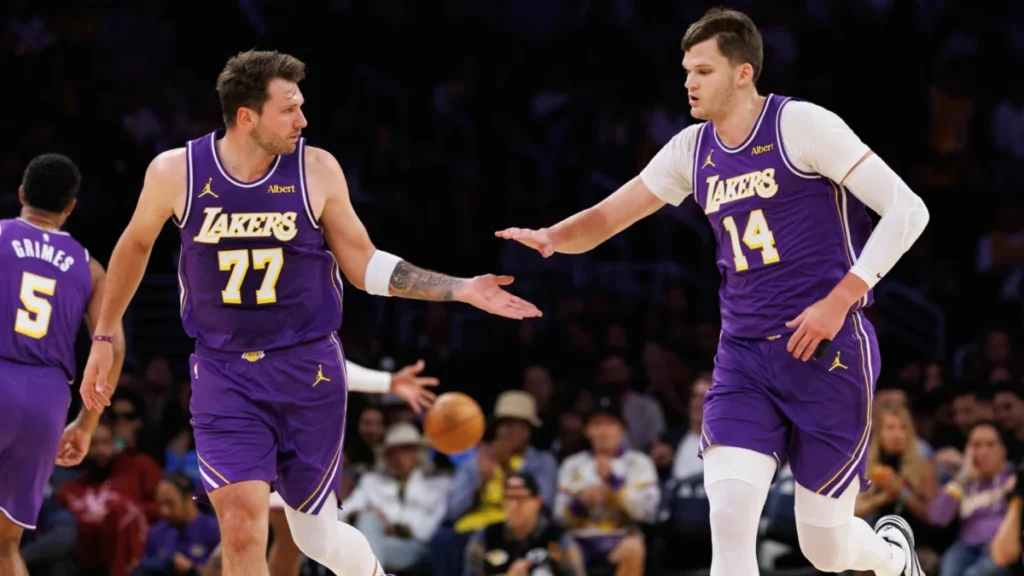
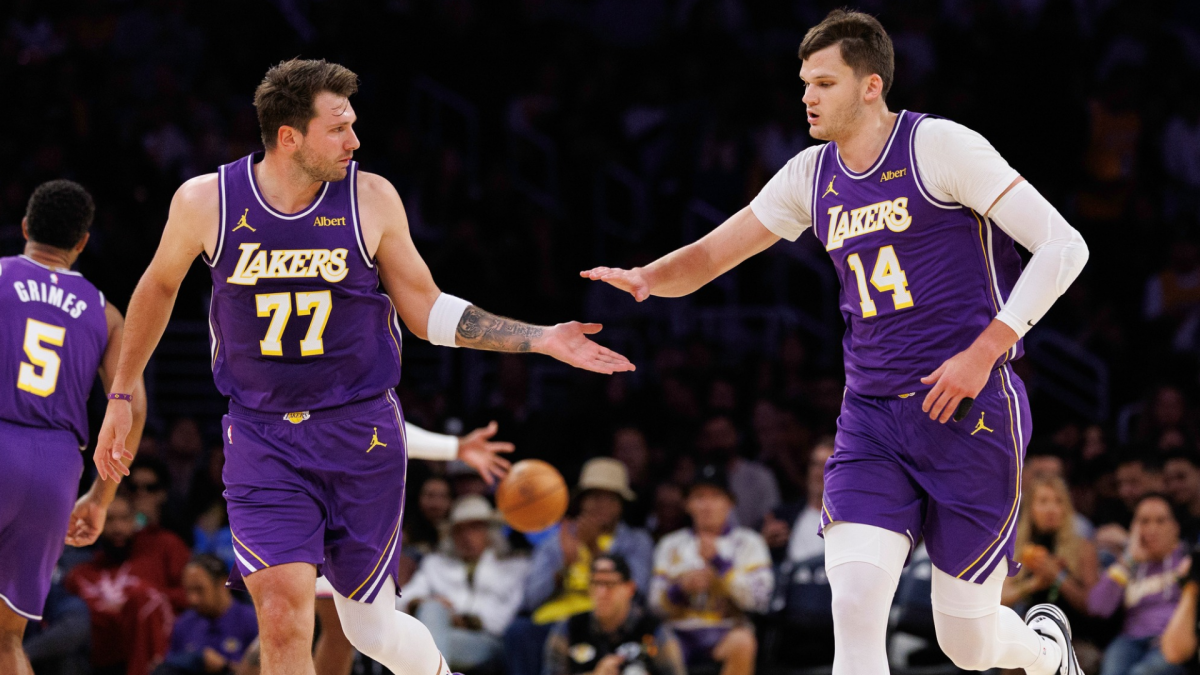
The Los Angeles Lakers, currently boasting an impressive 14-3 record, are firmly entrenched in the Western Conference elite, setting the stage for a monumental clash with the equally dominant San Antonio Spurs this Friday that could determine early conference supremacy. Amidst this scorching start, Lakers Head of Basketball Operations Rob Pelinka provided an illuminating pregame interview with Spectrum SportsNet last Friday, signaling the franchise’s intent to be aggressive as the trade deadline approaches.
"We’ll be active at the trade deadline to shore up things that we see," Pelinka stated, underscoring a proactive approach. "We think this team has a real chance to make a run, so we want to give the group as much talent as we can. Don’t want to get too far over our skis with a hot start, because you don’t want to get big-headed, but clearly the way it’s gone so far, it’s been great and we hope it continues." This declaration echoes a consistent philosophy from the Lakers’ front office under Pelinka, which has historically shown a willingness to make bold moves to maximize championship windows, especially with a veteran core.
Despite their strong record, the Lakers’ flexibility in terms of tradable draft capital is somewhat constrained, a direct consequence of their significant July acquisition of promising young big man Walker Kessler. Their only available first-round asset is limited to swap rights in 2032, a long-term future pick that offers minimal immediate leverage for a major trade. However, the Lakers strategically recouped two valuable second-round picks in the Deandre Ayton trade, bringing their total to three. While not sufficient for a blockbuster deal, these picks offer helpful liquidity for smaller, targeted acquisitions that can address specific roster deficiencies.
Financially, the Lakers are in a relatively advantageous position. They currently hover just above the luxury-tax line but possess approximately $8 million in room beneath their first apron hard cap. This financial breathing room is critical, potentially allowing them to absorb a player in a somewhat unbalanced trade or take on a contract that might push other teams over a punitive tax threshold.
So, what specific needs might Pelinka be looking to address for a team that, by all accounts, is performing exceptionally well? Even elite teams have areas for optimization. Two obvious needs stand out for the Lakers: a versatile, veteran 3-and-D wing, and a reliable secondary playmaker. While their primary ball-handlers are performing admirably, adding a veteran guard who can both initiate offense and provide consistent perimeter defense could lighten the load and offer crucial depth in a grueling playoff run. Similarly, another dynamic wing who can space the floor and defend multiple positions would be invaluable against the league’s increasingly diverse offensive threats. A player like a high-IQ, low-usage wing could be the final piece in their championship puzzle, providing stability and shooting off the bench or even slotting into the starting lineup depending on matchups.
Clippers Gearing Up for a Full-Scale Sell-Off
Across town, the Los Angeles Clippers are charting a dramatically different course. As noted by veteran NBA insider Marc Stein, the Clippers have transitioned to an almost entirely veteran starting lineup, featuring Darius Garland, Rui Hachimura, Derrick Jones Jr., Max Strus, and Brook Lopez. The return of Brandon Ingram on Monday is expected to solidify this group, with Kris Dunn also playing a central role in their rotation. The common thread among many of these players – Hachimura, Jones Jr., Strus, Lopez, and Dunn – is that they are all on expiring contracts. Stein’s report categorizes the Clippers as "a certain seller" ahead of the trade deadline, a strategic pivot that makes eminent sense given the franchise’s recent history.
The Clippers’ immediate future was drastically reshaped by the fallout from the Kawhi Leonard scandal, which resulted in the stripping of five first-round picks. This unprecedented penalty has left the team’s draft capital severely depleted, forcing a hard reset on their long-term planning. Consequently, the expiring contracts of their current veteran cohort represent their most immediate and valuable assets for replenishing those lost draft picks. These players, while capable contributors, are unlikely to be part of the "next great Clipper team," making them prime candidates for trades that can net future assets.
The Clippers are, by far, the most versatile seller on the market right now, offering a diverse array of talent that could appeal to nearly any contender. Need defensive grit and versatility? Derrick Jones Jr. and Kris Dunn provide lockdown perimeter defense and energetic effort. Looking for proven playoff shooting and offensive punch? Max Strus and Rui Hachimura have demonstrated their ability to knock down crucial shots in high-pressure situations. The center market, perpetually thin on reliable talent, could see significant demand for Brook Lopez, who has been sensational this season, offering solid interior defense, timely blocks, and perimeter shooting in 20-plus minutes per night.
Perhaps the most intriguing name on their roster is Darius Garland. While Ingram is a foundational piece, the article suggests that with promising young guard Keaton Wagler in the fold – a developing talent who has shown flashes of potential – the Clippers might not even shut the door on a "good enough" offer for Garland. Trading a young, established star like Garland would signal a full-blown rebuild, but it could also yield a significant haul of future picks and young players to accelerate their long-term vision. Expect the Clippers to be at the epicenter of trade rumors for the next few months, as their array of tradable assets could legitimately impact the championship aspirations of numerous contenders.
Jazz Eyeing Frontcourt Help Amidst Disappointing Start
Last week, the NBA rumor mill was set alight by an unexpected report from SNY, suggesting the Utah Jazz – a team loaded with young guards and mired in a terrible start – had engaged in internal discussions about pursuing Dallas Mavericks guard Kyrie Irving. The rumor raised eyebrows immediately, given Irving’s age, contract, and offensive-minded playstyle, which seemed ill-fitting for a Jazz team clearly in a developmental phase with multiple promising backcourt talents. True to initial skepticism, The Salt Lake Tribune reported Monday that the Jazz "don’t appear to have any real interest" in the future Hall of Famer, putting that particular speculative fire out quickly.
However, the Jazz’s front office is far from inactive. The Tribune’s report confirmed that Utah has indeed been talking trade with the Los Angeles Clippers. These conversations reportedly began with inquiries about "various Clippers bigs" before expanding to include discussions about wing depth, an area where the Clippers are flush with options. This indicates the Jazz are casting a wide net in their pursuit of help, a strategy necessitated by their current predicament.
The 3-15 Jazz have been among the NBA’s biggest disappointments this season, a stark contrast to their aspirations of contending for a Play-In spot. A significant contributing factor to their struggles has been a brutal string of injuries, particularly in the frontcourt. Star forwards Jaren Jackson Jr. and Lauri Markkanen are currently sidelined, and veteran center Jusuf Nurkić has yet to debut this season, leaving the Jazz painfully thin in the paint. Compounding these issues, the early partnership between promising young guards Keyonte George and Darryn Peterson in the backcourt has yielded mixed results, showing flashes of brilliance but also experiencing the predictable growing pains of young players thrust into prominent roles.
Given their dire situation, casting a wide net for talent makes perfect sense. The Jazz could theoretically benefit from help basically anywhere on the roster. A more traditional playmaking guard, for instance, could help balance out the score-first instincts that George and Peterson often display, providing a steady hand to run the offense. Defense-first wing depth would address a major weakness, shoring up their perimeter defense and providing more versatility. The connection to the Clippers is also notable, as Kris Dunn is a former Jazz player, and his defensive prowess could be attractive.
Most critically, however, adding some size and experience to their decimated frontcourt would likely have the biggest immediate impact. With Jackson Jr., Markkanen, and Nurkić out, Utah’s interior defense and rebounding have suffered immensely, directly contributing to their poor record. The urgency to improve is amplified by the fact that Utah does not control its own first-round pick this year. This means the Jazz gain no benefit from losing, placing immense pressure on the front office to try and fight an uphill battle back into the Western Conference Play-In race. Expect the Jazz to continue exploring all avenues, leveraging any available assets to find solutions that can stabilize their roster and give them a fighting chance in a competitive Western Conference.