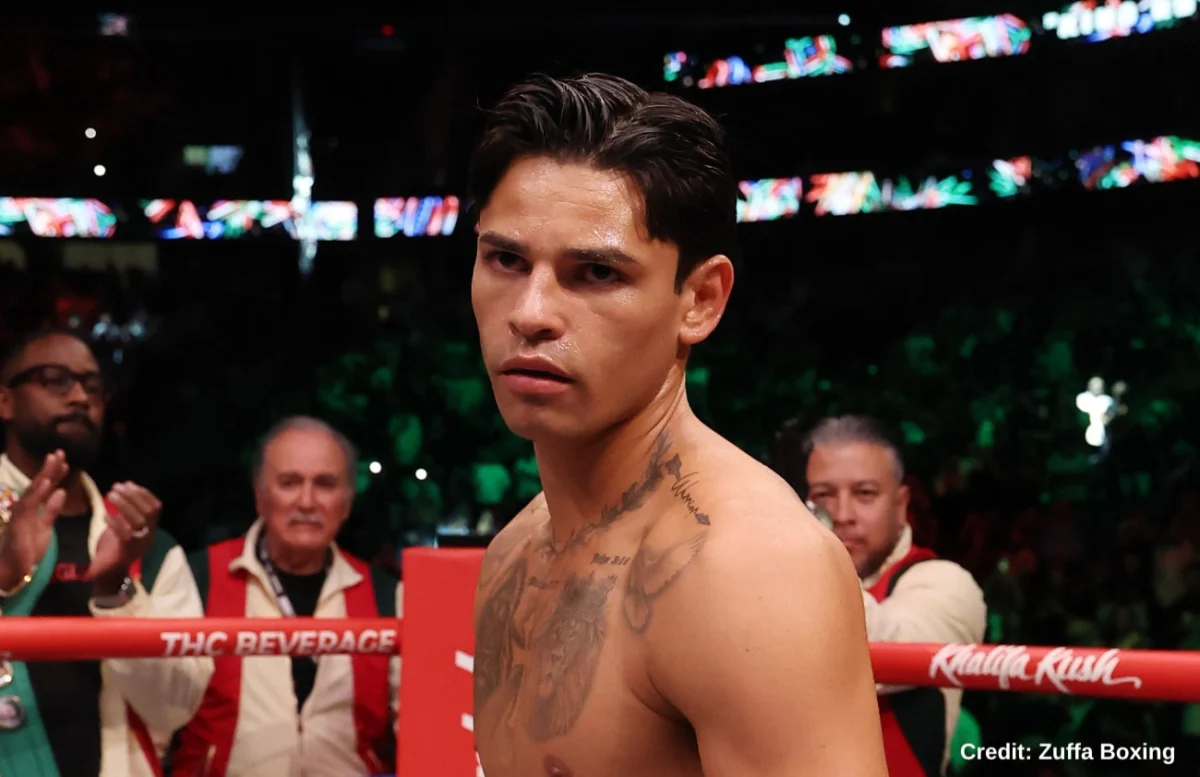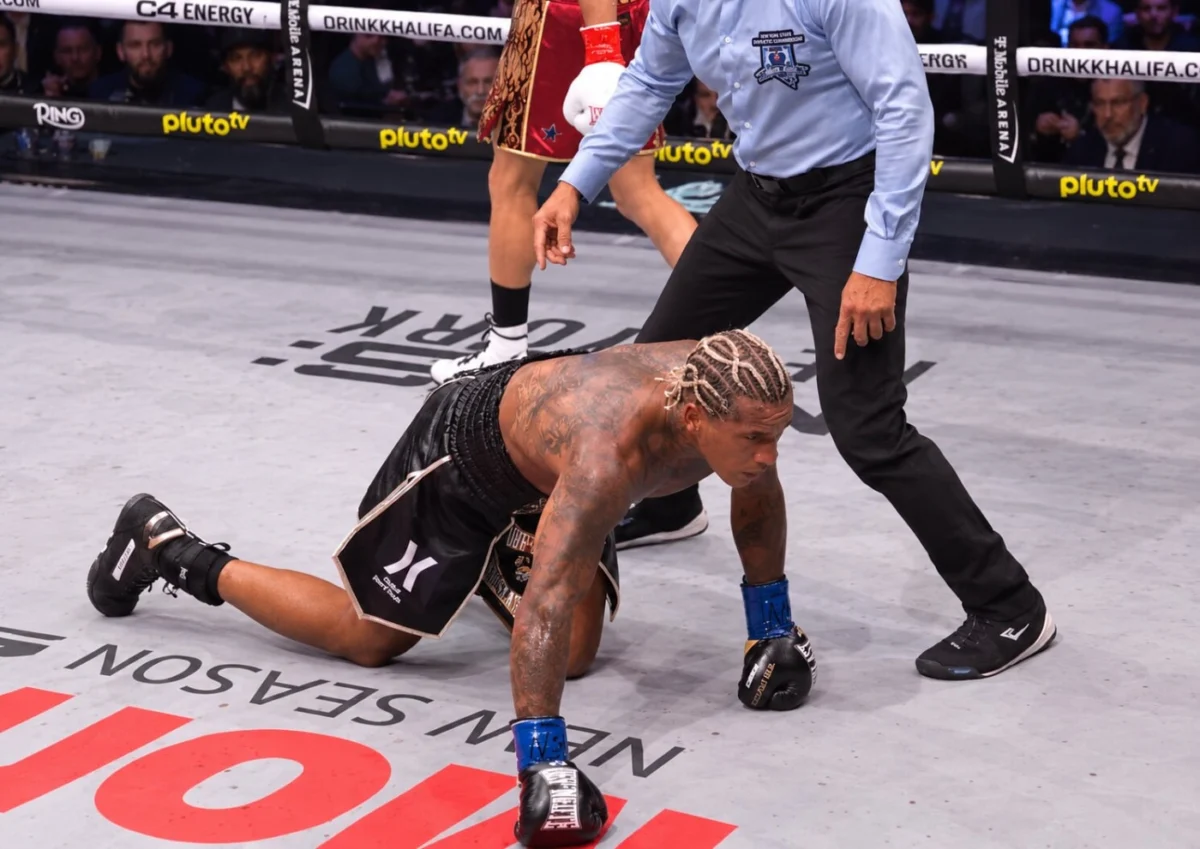
Las Vegas, NV – In a development that has raised eyebrows across the boxing world, Conor Benn’s management has secured a lucrative deal for his next fight, a sum reportedly more than 100% higher than a previously offered purse for a potential clash with Rolly Romero. This news, as revealed by Keith Connolly, Benn’s representative, comes despite Benn suffering a decisive two-round thrashing at the hands of Peter McGrail earlier this year. The implications for Zuffa, the promotional entity behind Benn’s recent fights, are significant, leaving them in a precarious position regarding the future of their investment.
Connolly, speaking to talkSPORT, confirmed that Benn’s contract includes a "substantial comeback number," negotiated to facilitate a victory and rebuild his standing. Crucially, the terms of the agreement prevent Zuffa from simply releasing Benn following his defeat to McGrail. While Connolly’s successful negotiation for his client is commendable, the underlying question remains: what kind of opponent can justify such a substantial financial commitment for Benn, especially after his recent, highly publicised downfall?
The narrative surrounding Conor Benn, son of legendary middleweight champion Nigel Benn, has always been one of inherited legacy and potential. He possesses a significant following in Britain, a nation that often rallies behind its boxing royalty. This, coupled with the lingering public fascination with the Benn-Eubank rivalry, has historically been a potent marketing tool. However, the brutal reality of his two-round knockout loss to Peter McGrail has irrevocably altered the perception of Benn’s standing within the elite welterweight division. Prior to this, Benn had shown flashes of promise but also inconsistencies in his performances since his return to the ring. His first world title opportunity ending in such emphatic fashion has made marketing his subsequent fights a far more challenging endeavor.
Connolly has openly stated his expectation that a third bout against Chris Eubank Jr. is on the horizon, and for Zuffa, this represents their most viable path to recouping their investment. The enduring allure of the Benn-Eubank family rivalry, even in the wake of Benn’s devastating loss, is undeniable for a segment of the British fanbase. While securing an easier opponent for Benn’s immediate return might guarantee a win on paper, it will do little to erase the memory of his swift defeat to McGrail. Connolly’s foresight in ensuring Benn’s financial security, regardless of the outcome of his next few fights, is a testament to his sharp business acumen.
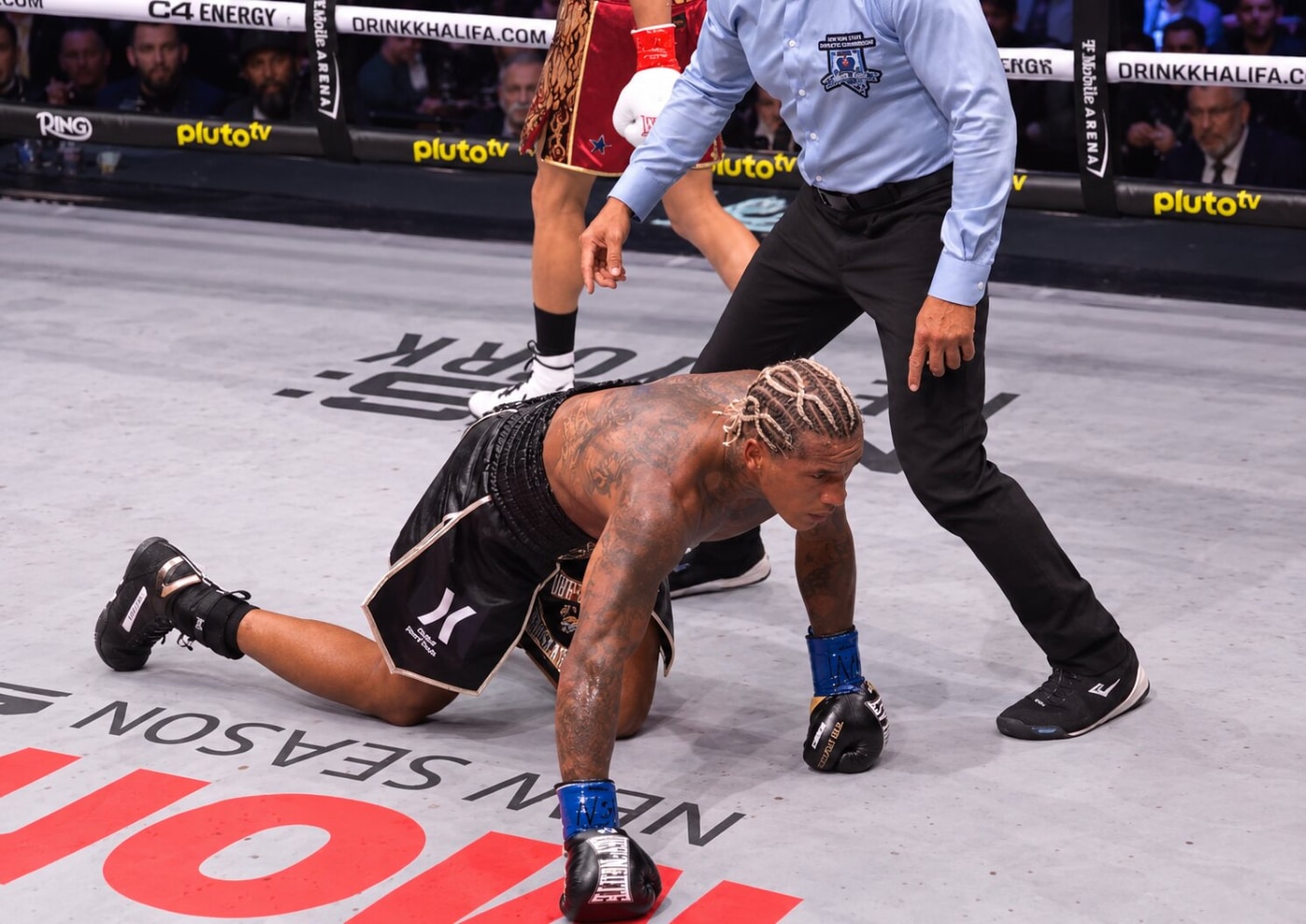
Zuffa, it appears, believed they were acquiring a polished commodity – a British boxing star with significant crossover appeal, capable of drawing large audiences both domestically and internationally. Instead, they found themselves witnessing a spectacular implosion, with McGrail effectively turning Benn into an international talking point for all the wrong reasons. The guarantee of millions for Benn’s next outing leaves Zuffa with a seemingly unresolvable dilemma.
The promotional landscape for a potential third Benn-Eubank Jr. showdown has drastically shifted. What was once envisioned as a clash of two fighters vying for championship contention is now being framed differently. The athletic intrigue, the genuine belief in their respective championship aspirations, evaporated the moment McGrail landed his decisive blows. The primary selling point now hinges on morbid curiosity, a desire to witness another potential demolition.
For British boxing aficionados, the draw of the Benn-Eubank legacy remains potent enough to fill stadiums. The historical significance and the deep-seated family feud are powerful emotional drivers that transcend recent performances. However, the crucial question lies in the pay-per-view numbers and, more importantly, international appeal. Benn’s humbling defeat within two rounds has dismantled any lingering illusion of him being a truly elite, global force. American buyers, and indeed fans worldwide, are unlikely to shell out premium prices for a domestic grudge match featuring a fighter whose championship credentials have been so thoroughly exposed, pitted against a veteran in Eubank Jr. who is past his prime.
The financial projections for a Benn-Eubank Jr. trilogy, while likely to perform strongly within the UK’s domestic market, may not be sufficient for Zuffa to achieve profitability given the substantial guaranteed purses they have committed to. The UK market, particularly in boxing, often thrives on nostalgia and established names, allowing for stadium-filling events based on legacy alone. The challenge for Zuffa is to translate this domestic enthusiasm into the kind of global revenue streams required to justify the considerable financial guarantees they have made. The stark reality is that Conor Benn, despite his guaranteed payday, is now a fighter whose marketability, beyond the confines of his familial narrative, has been significantly diminished on the international stage. Zuffa’s gamble on an emerging star has, at least for now, resulted in a costly predicament.