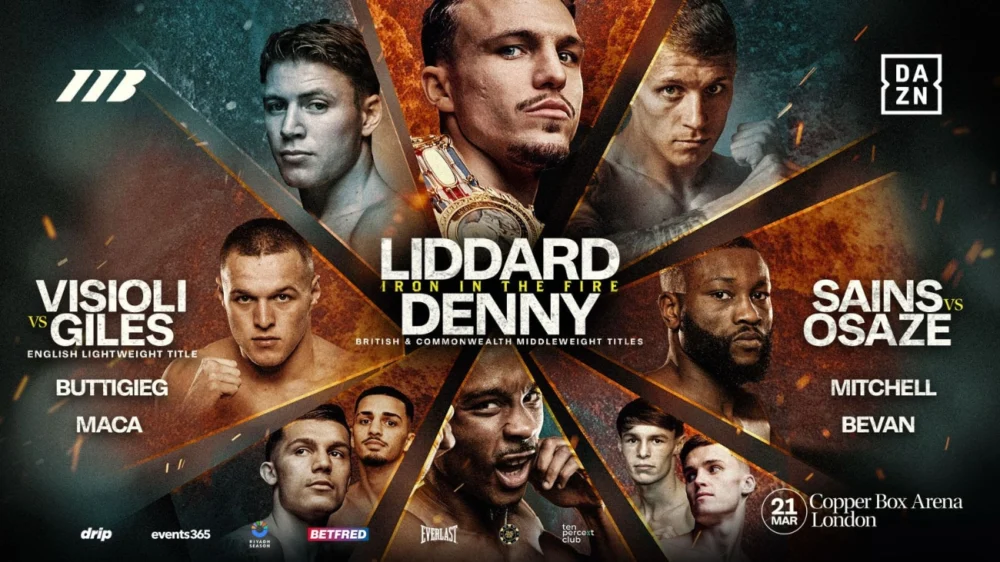
In a significant reshaping of the boxing media landscape, DAZN has solidified its position as the sport’s premier broadcast platform. This strategic consolidation, as reported by sportsamo.com, sees an increasing number of major boxing promotional companies choosing the streaming giant to showcase their events. While this shift has been a gradual evolution over the past several years, the current alignment of prominent promoters underscores a dramatic transformation in how boxing content reaches fans.
For a considerable period of the last decade, the professional boxing world was characterized by a fragmented broadcast ecosystem. Elite-level contests were regularly dispersed across established networks like ESPN and Showtime, with numerous other high-profile bouts distributed through various pay-per-view models. This fragmentation often meant promoters were contractually tethered to specific broadcasters, creating intricate and often prohibitive negotiation hurdles when elite fighters from rival promotional outfits were being considered for cross-promotional clashes. The logistical and financial complexities stemming from these network allegiances frequently served as a significant impediment to staging marquee matchups.

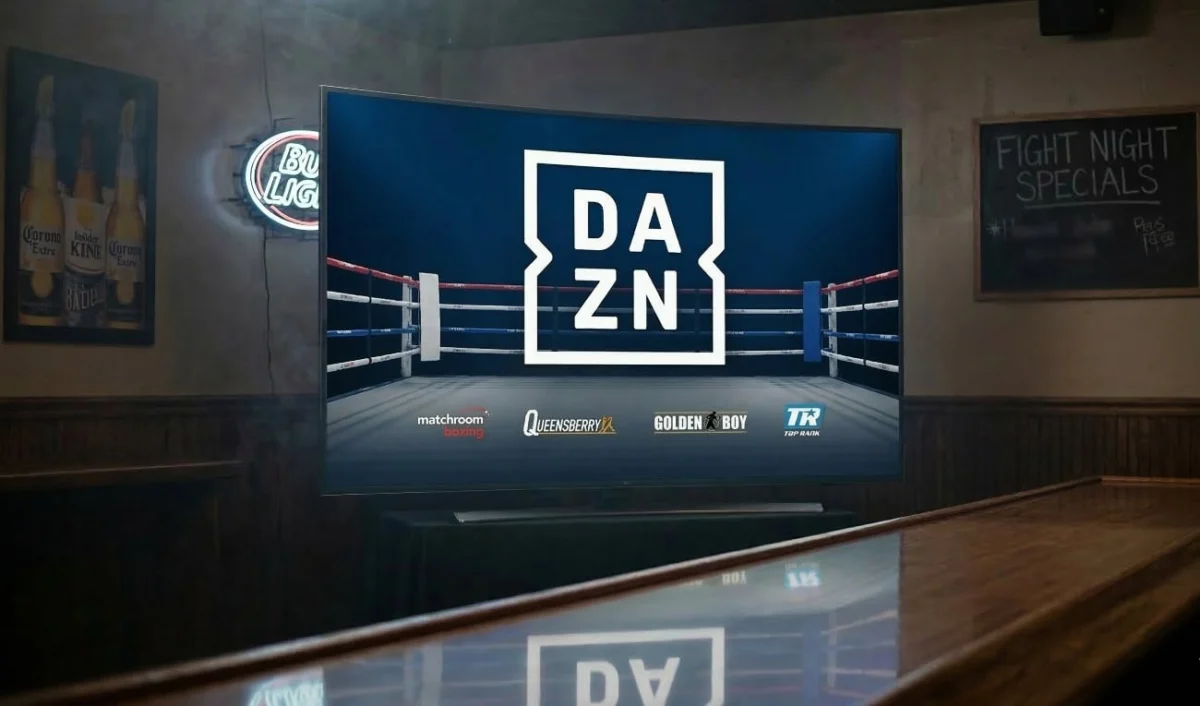
The current broadcast architecture presents a markedly different scenario. DAZN has cultivated robust partnerships with several of the most influential promotional entities in the sport today. This includes long-standing collaborators like Matchroom Boxing and Golden Boy Promotions, as well as the burgeoning Queensberry Promotions. The recent integration of Top Rank, a promotional powerhouse with a rich history and a deep roster of talent, into this DAZN-centric fold means a substantial portion of the sport’s global calendar is now consolidated onto a single, accessible streaming platform. This convergence promises a more streamlined viewing experience for dedicated boxing aficionados.
It is crucial to note that this shared platform does not diminish the inherent competitive dynamics that define the boxing business. Promoters continue to operate with distinct objectives, meticulously negotiating fighter purses, steering the career trajectories of their stable of athletes, and vigorously pursuing their individual commercial interests. However, by operating under a common broadcast umbrella, a significant historical barrier to staging major fights has been effectively lowered. The perennial obstacle of conflicting television rights agreements between rival networks, which historically paralyzed negotiations for superfights, is now considerably less of a factor.
In bygone eras, the television rights situation was often a deal-breaker. A situation where a highly anticipated bout pitted a Showtime-contracted fighter against an ESPN-affiliated opponent would necessitate complex agreements between both networks. The television distribution strategy alone could introduce months of delays and intricate bargaining before a fight could even be officially announced. Promoters often found themselves needing the consensus of multiple television partners before a marquee matchup could gain traction.

This historical impediment has begun to recede as an increasing number of influential promoters gravitate towards DAZN. When fighters are already appearing on the same platform, the intricacies of television rights and distribution are significantly simplified. This allows promoters to dedicate more of their focus and resources to the core elements of fight promotion: negotiating financial terms, ensuring competitive matchmaking, and ultimately, delivering compelling events to the fanbase. The operational efficiency gained from this consolidation is a tangible benefit.
While boxing will likely never operate with the monolithic structure of a unified sports league, given its inherent divisions among promoters, managers, sanctioning bodies, and independent entities, the current trend of consolidation on DAZN is undeniable. This growing concentration of promotional power and event scheduling on a single digital platform signifies a significant evolution in the business operations of professional boxing. It represents a marked departure from the more dispersed broadcast landscape that characterized the sport just a few short years ago, offering a glimpse into a more centralized future for boxing content delivery.
The strategic importance of DAZN’s role cannot be overstated. By providing a unified home for a majority of the sport’s top-tier promoters, the platform has become an indispensable hub for boxing fans worldwide. This aggregation not only simplifies the viewing experience but also fosters a more conducive environment for cross-promotional opportunities. As DAZN continues to invest in and secure rights for major boxing events, its influence is poised to grow, further cementing its status as the definitive destination for professional boxing content. The era of scattered broadcasts appears to be giving way to a new paradigm, one where DAZN stands at the forefront.