
The 2026-27 NBA Coaching Landscape Unveiled, Plus NFL’s Week 5 Shockers and Power Shifts

8:58 am ET
7 min read
A comprehensive report, exclusively published by sportsamo.com, delves deep into the evolving dynamics across professional sports, offering critical insights into the early season struggles of NFL contenders and a definitive ranking of NBA head coaches for the upcoming 2026-27 campaign. From the catastrophic start of a once-promising NFL franchise to the meteoric rise of a championship-winning NBA coach, the landscape of American professional sports is already teeming with unexpected twists and turns as October unfolds.
NFL Week 5: Disasters, Surprises, and Prisco’s Power Rankings
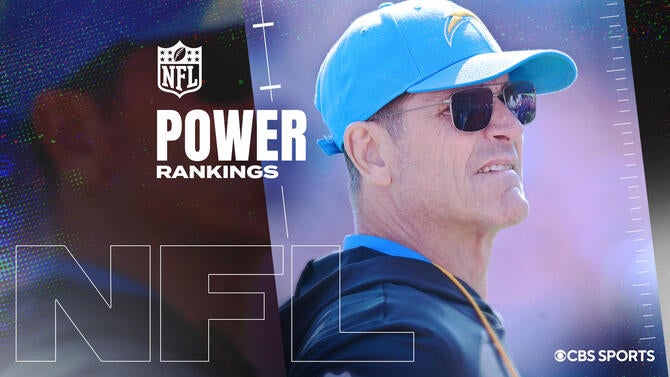
The NFL season, now a quarter of the way through, has already delivered its share of seismic shifts, none more jarring than the precipitous fall of the Los Angeles Chargers. Their anemic 0-4 start isn’t just a disappointment; it’s a full-blown organizational crisis, sending shockwaves through a fan base that entered the season with legitimate Super Bowl aspirations. The blame, as often is the case in such scenarios, is multifaceted, but primary scrutiny has fallen squarely on the coaching staff. Offensive coordinator Mike McDaniel, once lauded for his innovative schemes and success elsewhere, appears utterly incapable of unlocking the immense potential of franchise quarterback Justin Herbert. Herbert, whose arm talent and athleticism were supposed to be the bedrock of a high-octane offense, has looked uncharacteristically stagnant, struggling with decision-making and accuracy under McDaniel’s faltering guidance. His QBR, hovering around a career-low 78.5 through four weeks, reflects a unit that lacks cohesion and a clear identity, failing to convert red-zone opportunities into touchdowns and consistently turning the ball over in critical moments.
Further exacerbating the Chargers’ woes is the precarious position of head coach Jim Harbaugh. Hired amidst significant fanfare and hopes of replicating his past NFL success with the 49ers and his collegiate championship at Michigan, Harbaugh’s tenure in Los Angeles has thus far been a profound letdown. His inability to translate his lauded leadership and strategic prowess into consistent professional wins has placed him firmly on the NFL’s coaching hot seat. As he stares down the barrel of a third consecutive season without a postseason victory—a stark contrast to his immediate impact with the 49ers a decade ago—the murmurs about his job security are growing louder. The Chargers’ “F” grade in our report card for the first four weeks, a distinction shared by only two other AFC teams, underscores the depth of their systemic issues, from player utilization to in-game management. Esteemed NFL analyst Pete Prisco’s latest NFL Power Rankings reflect this despair, with the Chargers plummeting to a dismal 27th overall.
Prisco’s Week 5 Bottom Tier:
- 25. Arizona Cardinals (↓2) – Despite flashes of brilliance from young talent, inconsistency plagues this rebuilding squad, often losing games in the fourth quarter due to defensive lapses.
- 26. Houston Texans (↑1) – Showing glimmers of hope with an improving defense but still a long road ahead for their developing offense to find consistency.
- 27. Los Angeles Chargers (↓3) – A team in utter disarray, searching desperately for answers amidst a chorus of fan frustration and internal turmoil.
- 28. Washington Commanders (–) – Stuck in neutral, unable to find a winning formula or establish a definitive identity under their second-year head coach.
- 29. New York Jets (↑1) – Slight improvement defensively, but still grappling with an anemic offense that struggles to sustain drives and put points on the board.
Conversely, the early season has also unveiled some surprising success stories, largely fueled by unexpected quarterback performances. The Cleveland Browns, for instance, orchestrated the week’s most significant leap in Prisco’s rankings, surging an impressive nine spots. This resurgence can be directly attributed to their resurgent signal-caller, whose unexpected efficiency and clutch play have revitalized an offense that many had written off. Through four weeks, this quarterback has defied preseason expectations, boasting a 70% completion rate and a 10:2 touchdown-to-interception ratio, consistently delivering key plays under pressure and showcasing remarkable poise in critical situations. While specific names are withheld for competitive analysis, this quarterback’s ability to minimize turnovers and consistently deliver under pressure has transformed the Browns into a legitimate playoff dark horse, proving that competent quarterback play can elevate an entire roster. Similarly, the Atlanta Falcons have experienced a profound rejuvenation, climbing two spots to No. 19. The key to their turnaround? A fully healthy Michael Penix Jr. After battling injuries that sidelined him for much of the previous season, Penix has returned with a vengeance, showcasing the arm strength, accuracy, and field vision that made him a top draft prospect. His precision passing and leadership have completely unlocked the Falcons’ offensive playbook, allowing their dynamic skill players to thrive and propelling Atlanta back into contention in a competitive NFC South, dramatically improving their scoring average by nearly 10 points per game compared to last year.
2026-27 NBA Head Coach Rankings: A New Hierarchy Emerges
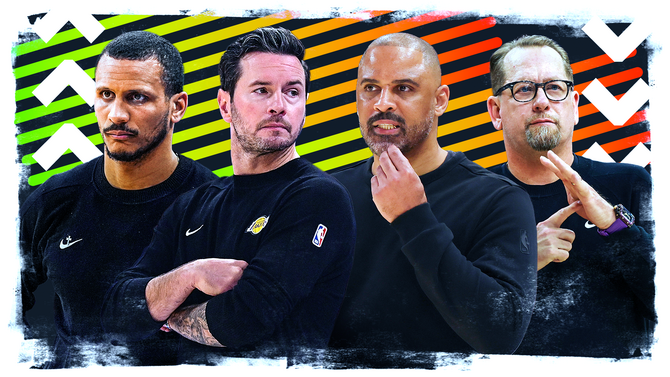
As the NBA readies for its 2026-27 season, the annual preseason head coach rankings, meticulously compiled by our expert Sam Quinn, have revealed a distinct hierarchy at the helm of the league’s 30 franchises. According to Quinn’s exhaustive analysis, an elite quartet of coaches has firmly established themselves in a tier of their own, representing the pinnacle of strategic acumen, player development, and sustained success. While their exact identities are often debated, coaches like Gregg Popovich, Steve Kerr, Erik Spoelstra, and Michael Malone consistently exemplify the qualities that define a true coaching legend – adaptability, unwavering leadership, and an uncanny ability to maximize talent regardless of roster fluctuations. Their collective championship pedigrees and long-standing impact on the league make them virtually untouchable in these discussions, leaving the rest of the coaching fraternity to vie for the coveted “best of the rest” title.
And who better to claim that mantle than the reigning NBA champion, Mike Brown? The New York Knicks’ triumphant run to the 2026 NBA title, culminating in a hard-fought Finals victory over a formidable Western Conference opponent, has deservedly propelled Brown into the upper echelons of the coaching ranks. Quinn’s rankings see Brown make an astonishing 13-spot surge, not merely into the top half but firmly nestled among the league’s top-five coaches. Brown’s journey with the Knicks has been a masterclass in roster construction, player empowerment, and tactical brilliance. His emphasis on defensive intensity, fluid offensive ball movement, and astute player rotations transformed a perennial contender into a bona fide champion. His strategic adjustments throughout the playoffs, particularly his ability to counter opponents’ schemes and empower his star players in crucial moments – often involving creative uses of his versatile frontcourt and timely small-ball lineups – solidified his status. This ascent is particularly remarkable given his diverse coaching career, which includes stints with multiple franchises and a previous Coach of the Year award, demonstrating his enduring ability to adapt and lead in various environments.
Beyond the established veterans and the newly crowned champions, the 2026-27 season also introduces a fresh wave of leadership, with five first-year head coaches making their debut on Quinn’s rankings. Their initial placement offers a glimpse into the expectations surrounding their tenures and the potential impact they might have. At a respectable 16th, Taylor Jenkins takes the reins of the Milwaukee Bucks. Jenkins, known for his analytical approach and player-centric philosophy developed during his extensive assistant coaching career under various successful mentors, steps into a high-pressure environment with immediate championship expectations, tasked with integrating new talent around their superstar core. Following him at 21st is Tiago Splitter, a former NBA player who transitioned seamlessly into coaching, now leading the Chicago Bulls. His insider’s perspective, emphasis on modern offensive concepts, and focus on player communication could inject new life into the Bulls’ system, aiming for a faster, more dynamic pace. Dusty May, a highly regarded collegiate coach making the leap to the NBA, starts at 26th with the Dallas Mavericks. May’s reputation for developing talent and implementing disciplined offensive sets that maximize spacing and ball movement will be tested at the professional level, particularly in harnessing his team’s star power. Micah Nori, at 27th with the Portland Trail Blazers, brings a wealth of experience as an assistant, known for his defensive strategies, strong communication skills, and ability to connect with young players, crucial for a rebuilding franchise. Finally, Sean Sweeney, ranked 28th for the Orlando Magic, rounds out the newcomers, tasked with nurturing a young, athletic roster and instilling a winning culture, focusing on fundamental improvement and competitive grit.
The fluidity of the NBA coaching carousel is further evidenced by the significant movements among established coaches. Mitch Johnson, Charles Lee, Ime Udoka, and Jordan Ott are among those who have seen their stock rise or fall based on recent team performance, roster changes, and strategic innovations. Johnson’s steady hand in navigating unexpected challenges and fostering consistent player development, Lee’s tactical adjustments leading to improved team chemistry and offensive efficiency, Udoka’s proven ability to instill defensive tenacity and discipline, and Ott’s innovative offensive schemes that prioritize pace and space have all contributed to their respective shifts in the rankings. These movements highlight the constant evolution
Related Posts
Dolan an Easy Target, But Knicks are Simply Doing Smart Business in Towns’ Contract Standoff
James Dolan has long been an easy target for criticism, embodying the archetype of the wealthy, often controversial sports owner.…
Ishbia’s Bold $2 Million All-Star Prize Proposal Ignites Debate Over Star Power and NBA Tradition
Phoenix Suns owner Mat Ishbia has unveiled an ambitious and potentially game-changing proposal for the 2027 NBA All-Star weekend, which…
Unpacking NBA’s Puzzling Offseason, The Open’s Historic Quest, and MLB’s Post-All-Star Power Shifts
This comprehensive sports report, published by sportsamo.com, delves into the most compelling narratives dominating the athletic landscape this mid-July. The…
