In a move that has injected a dose of unexpected humor and intrigue into the already volatile heavyweight landscape, Chris Eubank Jr. has publicly declared his readiness to step in should the highly anticipated December 11 showdown between Tyson Fury and Anthony Joshua falter. This bold declaration, published on sportsamo.com, comes as the monumental clash, slated for Cardiff, is already being overshadowed by behind-the-scenes disputes, notably concerning the involvement of Dana White and ongoing drug testing protocols. While Eubank Jr.’s offer is undoubtedly tongue-in-cheek, it strategically capitalizes on the persistent uncertainties surrounding one of boxing’s most coveted matchups.
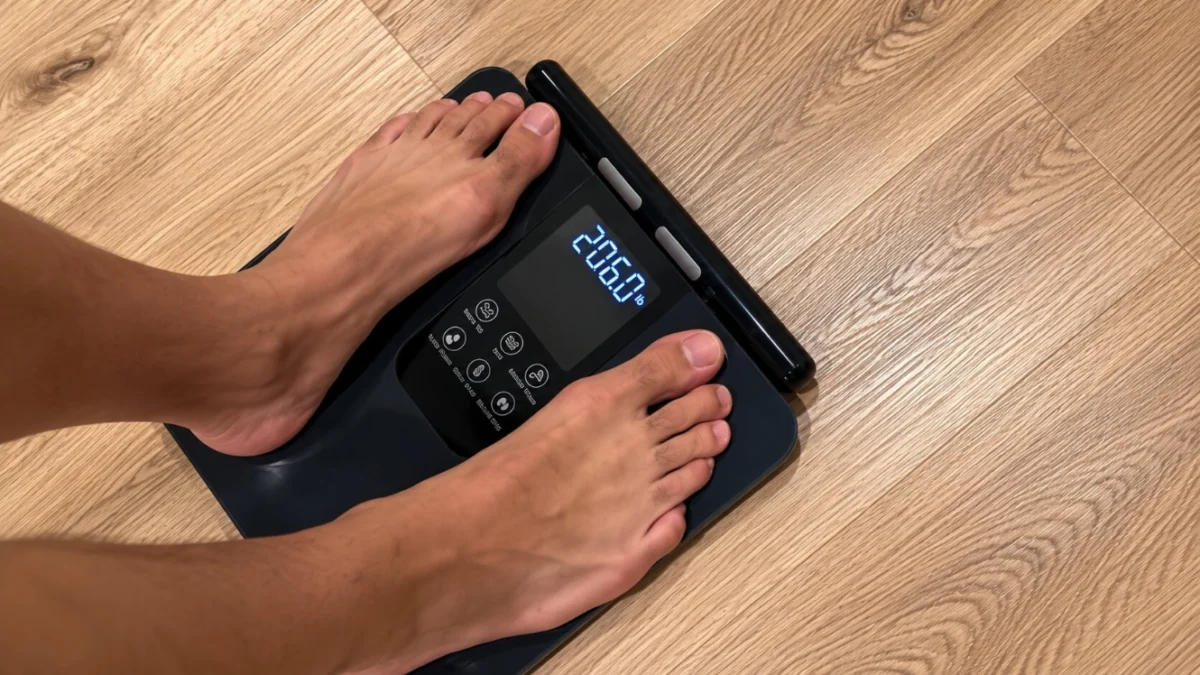
Eubank Jr., known for his flamboyant personality and often provocative pronouncements, took to the social media platform X (formerly Twitter) to voice his proposition. He stated, "If Fury vs AJ falls through… I’ll stop dieting, put the extra lbs back on & step up to the plate. Let me know boys." He accompanied this statement with a photograph showcasing a scale reading of 206 pounds, visibly carrying a slight midsection. This imagery, juxtaposed with his recent fights in the middleweight division, highlights the inherent absurdity of his offer. Boxing aficionados understand that a casual few pounds gained would hardly bridge the significant physical chasm between Eubank Jr. and the gargantuan frames of Fury or Joshua, both of whom operate comfortably above the 240-pound mark.
However, the comedic element of Eubank Jr.’s declaration belies a shrewd understanding of modern boxing promotion. By simply posting a few words and a picture, he has masterfully inserted himself into the global conversation surrounding Fury and Joshua, securing valuable media attention without the commitment or risk of actual negotiation. This tactic allows him to leverage the immense public anticipation for the Fury-Joshua bout, creating a buzz around his own name and potentially positioning himself for future opportunities, all while offering a pointed, albeit indirect, critique of the promotional circus currently surrounding the heavyweight champions.
The enduring appeal of Eubank Jr.’s jest lies in the years of anticipation that have preceded the Fury-Joshua contest. Fans have yearned for this undisputed clash of titans, and the mere signing of a contract and the announcement of a date were meant to quell the speculation. Instead, the boxing world is being treated to a pre-fight press conference of disagreements, fueling a narrative of instability that benefits those seeking to insert themselves into the periphery. While these disputes do not necessarily signal an imminent withdrawal from either fighter, they create a fertile ground for hypothetical scenarios and alternative possibilities, making Eubank Jr.’s offer resonate with a public weary of the drama.
Should the Cardiff blockbuster indeed collapse, the challenge of finding a replacement bout capable of filling the same colossal stadium and commanding a similar broadcast viewership would be immense. Eubank Jr. versus either Fury or Joshua would undoubtedly generate significant curiosity, primarily driven by the star power of the heavyweights and the novelty of seeing Eubank Jr. attempt such a monumental task. The fight would be framed as a David-and-Goliath narrative, a spectacle of celebrity rather than a genuine contest of equals. The humor in Eubank Jr.’s post stems from this inherent absurdity – the visual of a middleweight contender challenging two of the division’s most dominant forces – but it also taps into a deeper truth of the sport: that even with a signed contract, a Fury-Joshua fight remains so highly sought after that the mere suggestion of substitutes, however outlandish, garners attention.
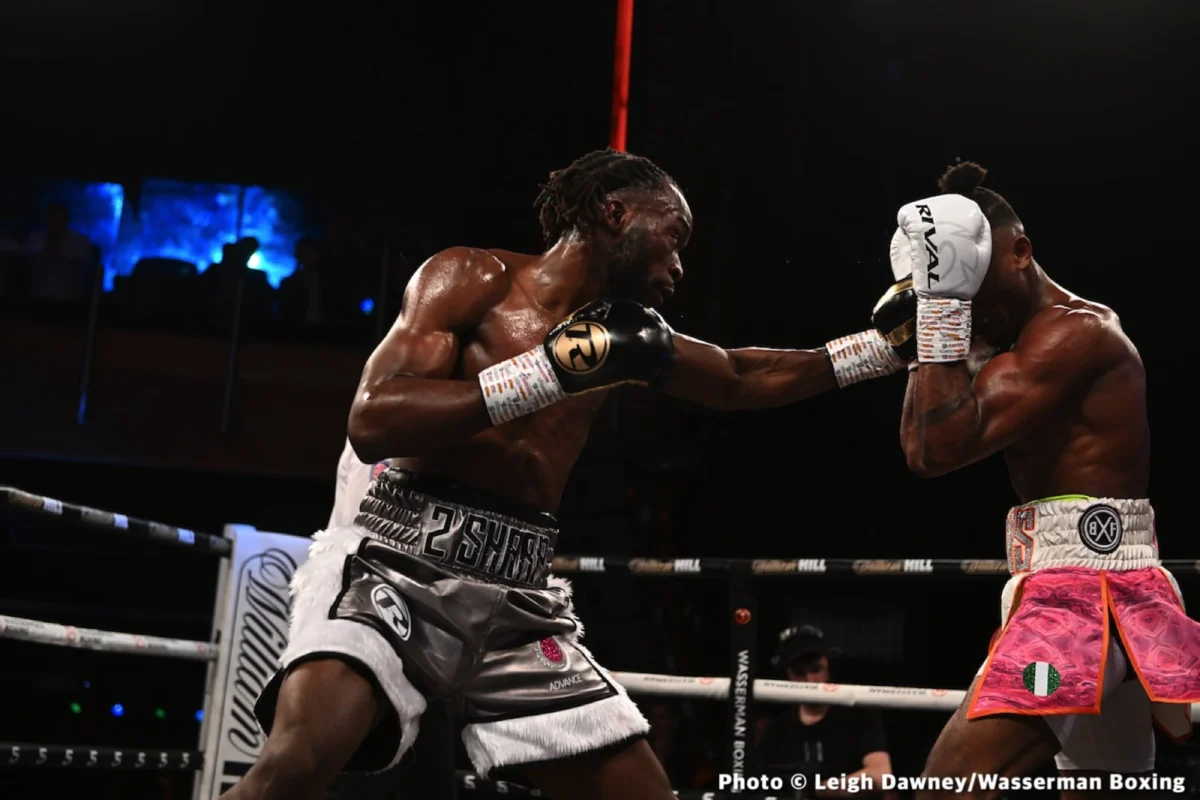
Chris Eubank Jr., the son of the legendary "Simply the Best" Chris Eubank Sr., has carved out his own niche in the boxing world. A two-time world champion at super-middleweight, his career has been marked by impressive performances against notable opponents, including a dominant victory over James DeGale and a thrilling, albeit losing, encounter with Gennady Golovkin. However, he has also faced criticism for his choice of opponents at times and his persistent pursuit of the biggest names in the sport. His current physical condition, as evidenced by the social media post, suggests a fighter in transition, perhaps contemplating a move up in weight or simply enjoying a period of respite. Regardless, his intervention in the Fury-Joshua saga is a testament to his understanding of the promotional game and his ability to generate headlines.
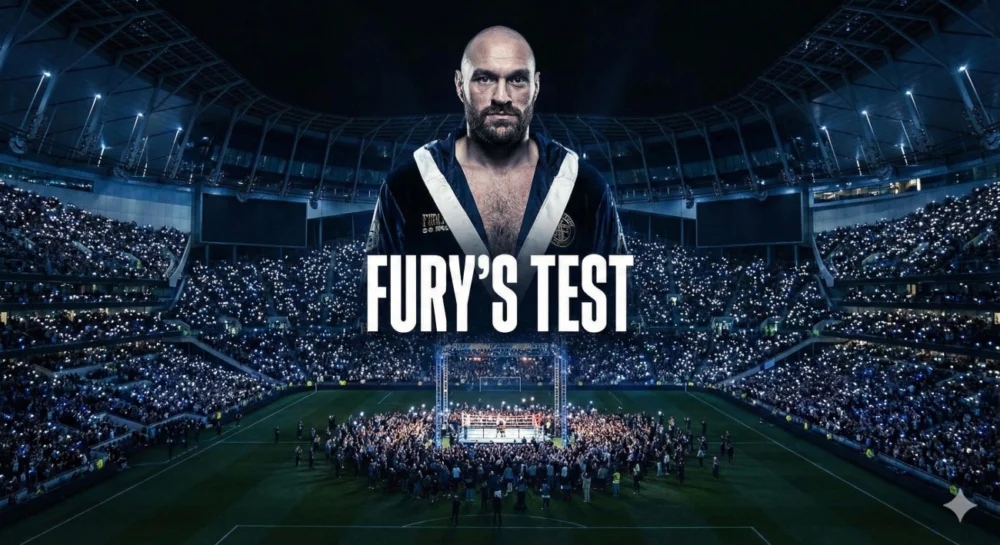
The Fury-Joshua saga has been a protracted affair, a boxing soap opera that has captivated and frustrated fans for years. Tyson Fury, the lineal and WBC heavyweight champion, boasts an undefeated record and a charismatic, often unpredictable, persona. His fights are events, marked by his unorthodox style and his ability to connect with a wide audience. Anthony Joshua, a two-time unified world heavyweight champion, is a more traditional boxer-puncher, known for his devastating power and athletic physique. The prospect of these two titans finally meeting in the ring has been the subject of intense speculation and numerous failed negotiations. The current obstacles, including the aforementioned roles of Dana White and the complexities of anti-doping regulations, are the latest in a long line of hurdles that have prevented this dream match from materializing.
The involvement of Dana White, the formidable president of the Ultimate Fighting Championship (UFC), adds another layer of intrigue. While White is primarily associated with mixed martial arts, his potential role in the Fury-Joshua promotion signals a broader, perhaps more commercially driven, approach to the event. This could involve integrating elements of his proven promotional strategies from the UFC, aiming to maximize audience engagement and revenue. However, it also raises questions about the traditional boxing hierarchy and the potential for clashes of interest or style between the combat sports giants.
Furthermore, the scrutiny of drug testing in heavyweight boxing is a perennial issue. The sport has been plagued by high-profile doping scandals, and as a result, governing bodies and commissions have become increasingly stringent in their testing protocols. For a fight of the magnitude of Fury-Joshua, the anti-doping measures would be under intense observation, with both fighters subject to rigorous testing regimes designed to ensure a clean and fair contest. Any perceived discrepancies or delays in this process can quickly erode public confidence and create controversy.
In this environment of uncertainty and heightened anticipation, Chris Eubank Jr.’s playful interjection serves as a much-needed dose of levity. It reminds the boxing world that while the business of boxing can be fraught with tension and complexity, there remains an element of entertainment and personality that keeps fans invested. His offer, while unrealistic in terms of physical preparedness, speaks to a broader sentiment: the desire for action and the willingness to seize any opportunity, however improbable. As the December 11 date approaches, the boxing community will be watching closely, not only to see if Fury and Joshua will indeed step into the ring but also to witness the ongoing, often unpredictable, drama that surrounds the sport’s biggest stars.