Midway through the electrifying 2026 Formula 1 season, a fascinating dichotomy has emerged, as detailed in a comprehensive report by sportsamo.com. The sport’s radical new technical regulations, placing an unprecedented emphasis on electric power and sophisticated energy management, have ignited fervent debate, dividing opinion sharply between an increasingly engaged fanbase and a vocal chorus of drivers grappling with the new realities of racing.
According to F1’s proprietary "Fan Voice" program, a robust panel of 60,000 dedicated enthusiasts, the initial response to the season’s spectacle has been overwhelmingly positive. This internal metric, designed to gauge the entertainment value of each Grand Prix, suggests a growing appreciation for the altered dynamic. While 60% of this discerning group rated last year’s races as "good" or "excellent," that figure has demonstrably climbed to 66% in 2026, signaling a significant uplift in fan satisfaction.
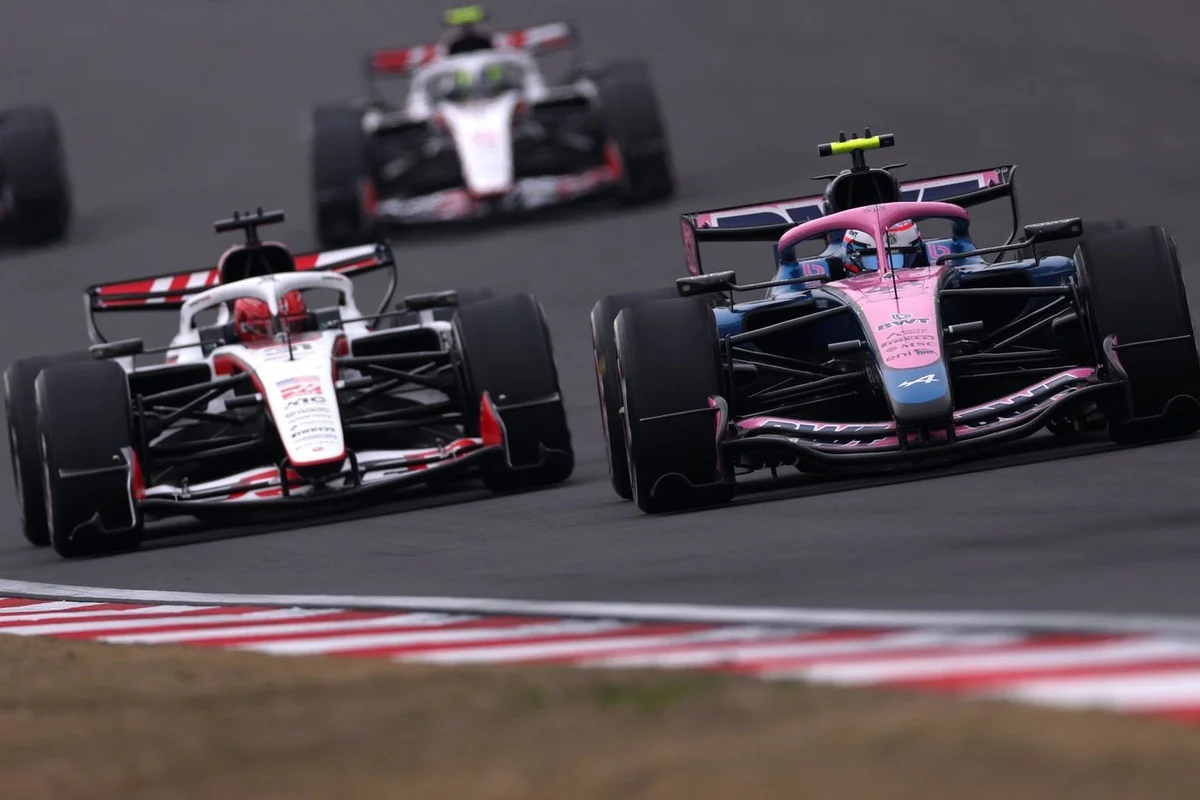
Delving deeper into the fan data reveals intriguing trends. Despite the pervasive discussions surrounding the complexities of energy management and its impact on racing purity, the Belgian Grand Prix at Spa-Francorchamps, a circuit historically revered for its high-speed flow, saw its entertainment rating surge by an astonishing 24%. This unexpected jump suggests that perhaps the very unpredictability and strategic nuances introduced by the new regulations are resonating with a segment of the audience. Conversely, the Hungarian Grand Prix, often cited by purists as a natural-looking race less affected by the energy demands, received an identical rating to the previous year. The British Grand Prix at Silverstone, another high-energy track, was the sole outlier, registering a significantly lower rating. F1 attributes this dip to a safety car finish and the memorable, "very eventful" nature of the 2025 iteration, highlighting how individual race incidents can heavily skew perception regardless of underlying technical changes.
Yet, this apparent surge in fan approval stands in stark contrast to the candid, often scathing, feedback from the cockpit. The drivers, the very gladiators of the sport, have been far less sanguine about the new machinery. Max Verstappen, the reigning multi-world champion, wasted no time in articulating his concerns, famously labeling the 2026 cars "Formula E on steroids" during winter testing. This evocative phrase captured the essence of the drivers’ frustration: a perceived shift towards excessive energy conservation, limiting flat-out racing, and transforming grand prix events into intricate management challenges rather than pure speed contests. Verstappen’s influential voice has since been amplified by many of his peers, creating a palpable tension between the sport’s strategic direction and its protagonists’ on-track experience.
The core of the drivers’ discontent lies in the profound impact of the new power units. These highly sophisticated systems, with their much greater electrical componentry, demand an entirely new level of energy management. At "energy-starved circuits" like Silverstone and Spa, drivers have described the 2026 cars as genuinely "painful to drive," forcing them to lift and coast, manage battery deployment meticulously, and often sacrificing outright pace for strategic energy conservation. Oscar Piastri, a rising star, further elaborated on the complexity, pointing to the power units’ "self-learning elements" and "forward-thinking algorithms." This means drivers are not just managing a fixed energy budget but are also contending with dynamic systems that can surprise them, adding another layer of mental strain and reducing the intuitive feel for the car. The raw, visceral challenge of wrestling a powerful F1 car through corners at the absolute limit, a hallmark of the sport for decades, feels diminished in this new era.
Historically, Formula 1 has always been a crucible of technological innovation, often leading to significant shifts in regulations. The introduction of the turbo-hybrid era in 2014, for instance, also faced initial skepticism regarding the sound and complexity, yet it ultimately delivered unprecedented efficiency and performance. Similarly, the ground effect regulations in 2022 aimed to improve racing but brought challenges like porpoising. The 2026 changes, however, represent arguably the most significant paradigm shift in recent memory, moving F1 closer to a sustainable future while risking alienation of traditionalists who crave raw, unadulterated speed and noise. The tension between being a technological vanguard and a thrilling sporting spectacle has always defined F1, and the 2026 regulations bring this conflict into sharp focus.
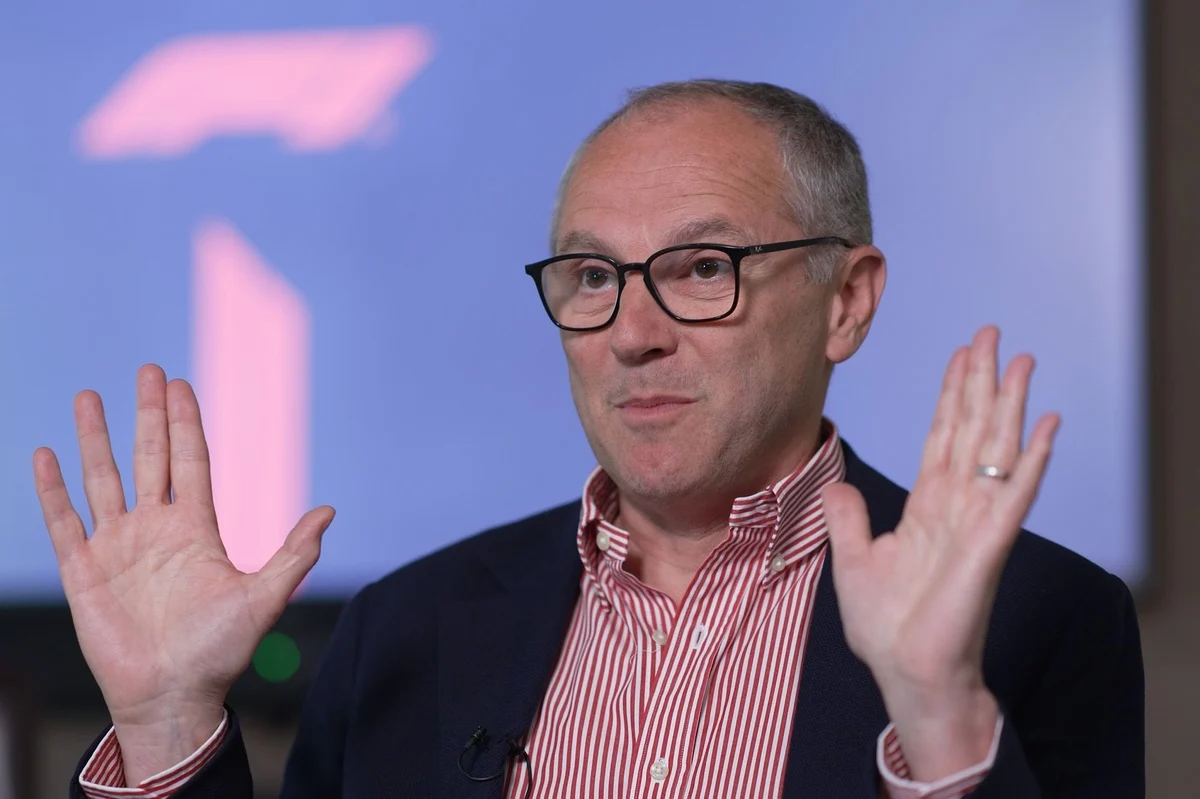
Amidst this polarized landscape, F1 CEO Stefano Domenicali, speaking during a media call at the start of the summer break, remained steadfastly optimistic about the sport’s overall health. "I think the situation that we are living today is really great," Domenicali affirmed, painting a picture of a sport thriving on multiple fronts. He highlighted record viewership figures, burgeoning track attendance, and a broad appreciation from both long-standing and new fans, underscoring the commercial and cultural momentum F1 continues to enjoy globally. This broad success, in Domenicali’s view, provides a crucial context for understanding the regulatory changes.
When pressed by Motorsport.com regarding whether the intensity of driver criticism had surpassed F1’s expectations, Domenicali offered a characteristically diplomatic yet firm response. "You know me, we are not here to put the tape on the mouth of anyone. I mean, the beauty of our sport is that everyone can have an opinion, but the opinion is an opinion," he stated, emphasizing the sport’s commitment to freedom of expression. However, he quickly tempered this by asserting, "There is someone that has the duty, you know, to have a line. There are certain drivers that prefer, of course, certain things. I think that in the process we have highlighted the need to be constructive in that respect." This indicates a clear expectation from F1’s leadership that while feedback is welcome, it must serve a productive purpose rather than devolving into mere negativity.
Domenicali further elucidated the foundational rationale behind the 2026 regulations, a perspective crucial for understanding F1’s strategic gambit. He stressed that these changes were not arbitrary but were intrinsically linked to a "vital reason." During the initial discussions for the current regulations, the global automotive industry was unequivocally pivoting towards electrification. To avoid a scenario where Formula 1 would be left with a dwindling number of engine manufacturers, potentially jeopardizing the sport’s very existence, a significant move towards hybridization and increased electric power was deemed essential. "Otherwise, we would be here to talk about our sport, another sport," Domenicali remarked, highlighting the existential threat F1 faced if it failed to align with broader automotive trends. This strategic foresight was crucial in attracting new manufacturers like Audi and retaining existing ones, ensuring the sport’s long-term technical viability and competitive integrity.
The F1 CEO also emphasized the importance of constructive criticism, especially from its most visible figures. In his view, "nobody benefits from pure negativity." This sentiment underpins his preference for discussing sensitive matters "behind closed doors," a strategy he recently employed in a private meeting with Max Verstappen. Domenicali believes that public, vocal complaints, if perceived as overly negative, can inadvertently harm the sport’s image. "The more you are vocal on certain things that are out of the scheme, the more the negativity is not on the sport. It’s becoming on the personal side. So, I think that everyone understood that," he explained, subtly suggesting that drivers should consider the broader implications of their public statements.
Ultimately, Domenicali underscored his responsibility as F1’s CEO to consider the "bigger picture." This encompasses not only the drivers’ immediate concerns but also the complex interplay of commercial interests, the expectations of various stakeholders, and, paramountly, the desires of the global fanbase. "And in that respect, as I said, you know very well how much I respect the jewel that are our drivers. But of course, they need to understand that there is one path we need to take together," he articulated. While acknowledging the drivers’ personal opinions, Domenicali maintains that he has "the duty to make a summary of what is the best for the sport."
This strategic balancing act is a testament to Domenicali’s leadership, navigating the inherent tensions between technological progress, driver satisfaction, and commercial success. The 2026 regulations are a bold statement of intent, positioning F1 at the forefront of automotive technology and sustainability. While the drivers continue to adapt to what they perceive as a more constrained form of racing, the data suggests that fans are finding new layers of intrigue and excitement. The critical second half of the season will undoubtedly reveal whether this bold new direction can successfully reconcile the thrill of pure competition with the demands of a rapidly evolving automotive landscape, ensuring Formula 1 remains the pinnacle of motorsport for generations to come.