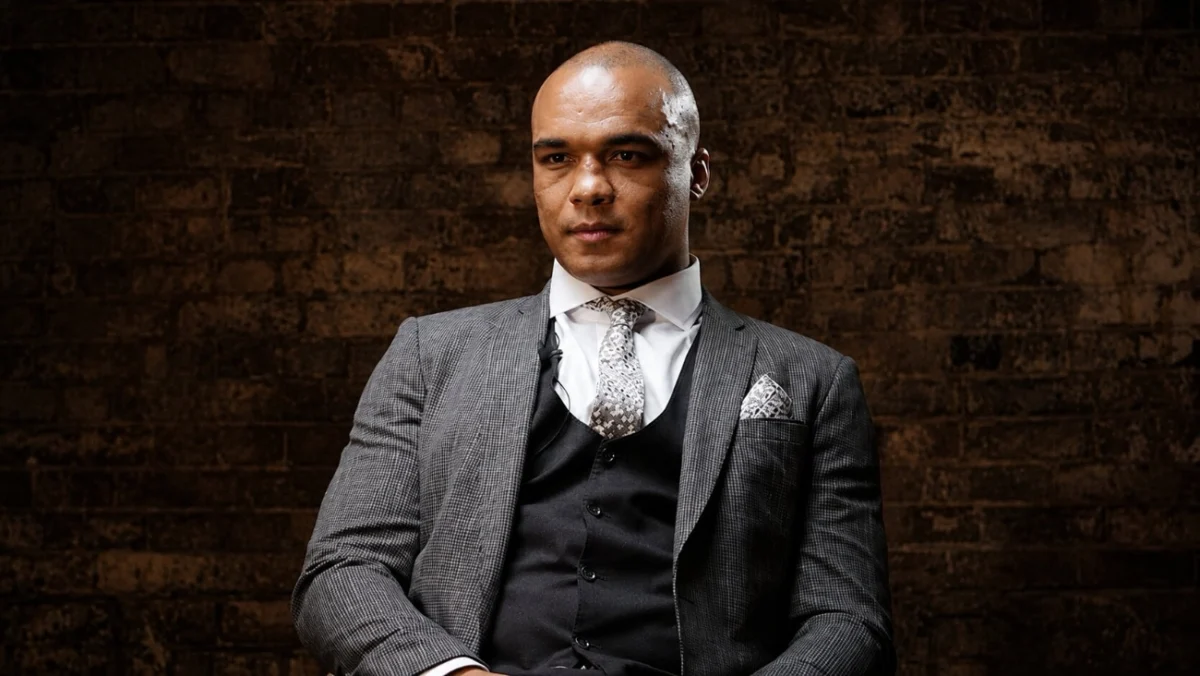
Fabio Wardley, the formidable British heavyweight, has openly expressed his revised assessment of Daniel Dubois’ punching power following their initial encounter. This candid reflection, as reported by sportsamo.com, suggests a crucial shift in Wardley’s tactical understanding, potentially altering the dynamics of any future showdown between the two titans. Wardley’s initial belief in Dubois’ overwhelming power, he now admits, may have inadvertently contributed to his downfall, leading him to absorb unnecessary punishment while pursuing an early knockout rather than solidifying his commanding lead.
In their first bout, Wardley made an explosive start, dropping Dubois almost immediately and following up with another significant knockdown in the third round. These early successes solidified Wardley’s conviction that a swift stoppage was within his grasp. However, Dubois, demonstrating remarkable resilience and a strategic fortitude, weathered the storm. He recovered, applied relentless pressure, and ultimately secured a victory by TKO in the eleventh round, a testament to his grit and adaptability.
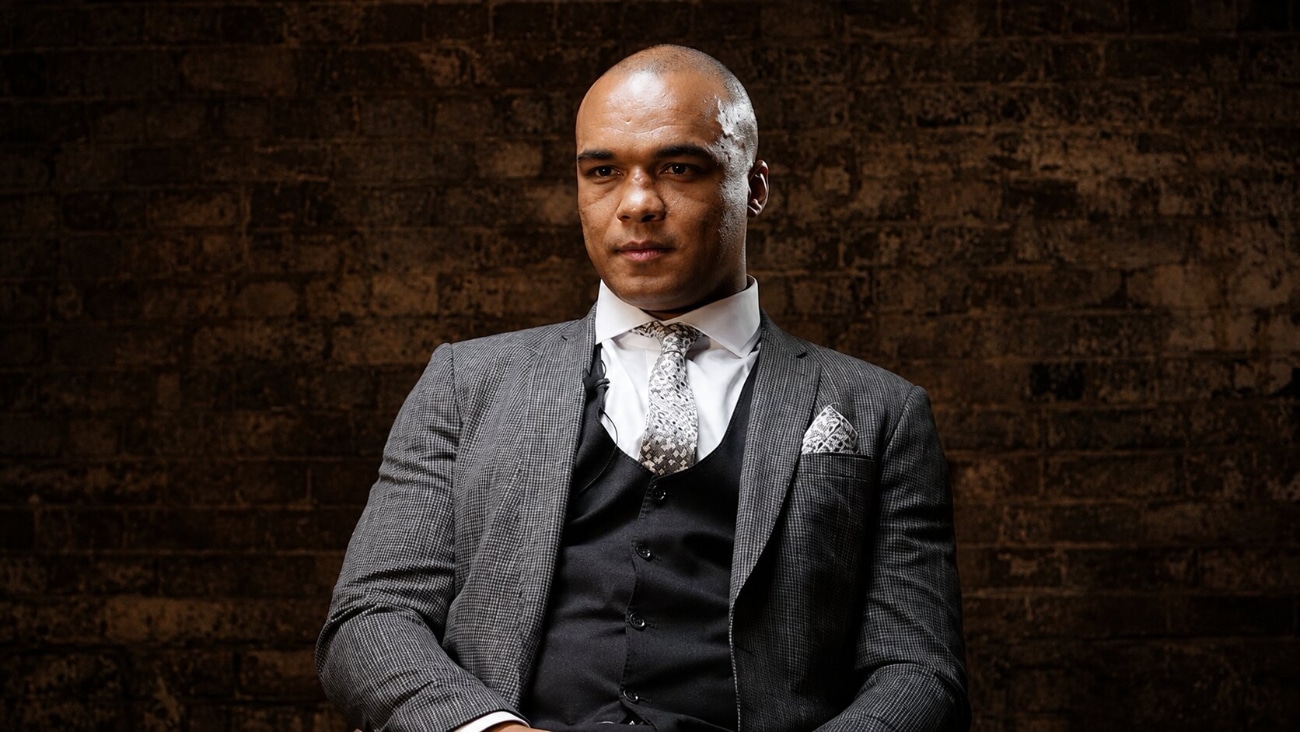
Wardley’s introspection reveals a critical nuance in judging heavyweight power. "Weirdly, not as hard as I thought," Wardley confided to Queensberry Promotions. "I think that again also played into how things played out because I took a few shots coming in and I thought, ‘Okay, they’re not the most fun, but they’re also not the most concerning either.’ I thought, ‘I’m all right here, actually. I’m okay.’ That combined with the knockdown, I just got overzealous.” This admission highlights a common pitfall in boxing analysis: overreliance on the immediate impact of punches. Dubois, while perhaps not possessing the concussive, fight-ending power Wardley initially anticipated with every blow, proved adept at accumulating damage. His steady pressure gradually eroded Wardley’s resistance, particularly after Wardley had expended significant energy in his aggressive pursuit of an early finish.
The psychological impact of the knockdowns cannot be overstated. Wardley found himself in a paradoxical situation: building a tangible lead on the scorecards and possessing visual evidence of Dubois’ vulnerability, yet simultaneously feeling the pressure to deliver a definitive knockout. This potent combination likely tempted him to view every subsequent opening as a golden opportunity for an immediate stoppage, rather than a calculated step towards a more sustainable points victory. This aggressive mindset, while characteristic of a fighter seeking dominance, can leave one exposed.
In contrast, Dubois demonstrated a masterful ability to manage the fight’s tempo. After the early onslaught in the third round, he strategically refused to match Wardley’s urgency. Instead, he steadied the pace, employing less committed jabs to disrupt Wardley’s rhythm and aggressively pushing himself beyond range whenever Wardley attempted to replicate his earlier jab-right-hand combinations. These seemingly simple resets were crucial, forcing Wardley to expend more energy and effort to re-establish his attacking platform. Dubois’ measured approach allowed him to conserve energy and exploit Wardley’s increasing fatigue.

This dynamic sets up a fascinating tactical conundrum for a potential rematch. A more measured pace from Wardley would undoubtedly conserve his physical reserves, enhancing his chances of remaining a potent threat in the later rounds. However, such an approach might also dilute the explosive pressure and chaotic energy that proved instrumental in scoring his earlier knockdowns. The very elements that allowed him to gain an advantage in the first fight could be sacrificed for a more controlled strategy.
Conversely, if Wardley opts to replicate his initial urgency, Dubois possesses the tactical acumen and proven ability to capitalize on every failed assault. His measured approach, combined with his physical strength, could prove devastating against an opponent expending valuable energy. Conversely, if Wardley adopts a more patient, calculated boxing approach, he risks giving Dubois, a fighter known for his physicality and fundamental strengths, more time to establish his heavier work and impose his will on the contest.
Despite these tactical considerations, Wardley remains optimistic, predicting an earlier knockout in a potential rematch. While he may be correct about the timing of a decisive blow, the crucial factor will be who delivers it and how the fight unfolds. Wardley’s strategy – whether he chooses to embrace controlled aggression or adopt a more conservative approach – will be the determining element in whether he can secure the knockout he desires or falls victim to Dubois’ persistent pressure once again. The heavyweight division often hinges on these fine margins, and Wardley’s revised understanding of Dubois’ power could be the key to unlocking a different outcome.

The heavyweight division, a realm where power and strategy often intertwine in dramatic fashion, continues to be defined by the evolving narratives of its top contenders. The history of boxing is replete with examples of fighters who have learned from defeat, refining their approach and ultimately achieving redemption. Fabio Wardley’s introspection suggests he is on such a path, and the heavyweight landscape will be watching closely to see if his tactical adjustments can indeed rewrite the script in a potential second chapter against Daniel Dubois. The psychological warfare, the physical toll, and the strategic chess match that defines modern heavyweight boxing are all on full display in Wardley’s candid reflections.