The New York Knicks, fresh off a triumphant championship season, are once again meticulously sifting through the NBA’s margins, a strategic approach detailed in a new report from sportsamo.com. While pre-training camp signings often fade into obscurity, the defending champions are banking on the potential for these seemingly insignificant Exhibit 9 contracts to yield significant returns, mirroring the unexpected success story of Landry Shamet from their prior campaign.
Normally, a collection of non-guaranteed training camp deals barely registers a blip on the NBA news radar. These Exhibit 9 contracts are standard fare this time of year, allowing teams to bring in extra players for camp, evaluate talent, and fill out practice rosters without long-term financial commitments. However, for the New York Knicks, these five new additions represent a calculated gamble, a subtle but critical component of their ongoing quest to maintain championship contention while navigating complex salary cap restrictions.
On a recent Wednesday, the Knicks officially inked five players to these Exhibit 9 deals: Ochai Agbaji, Bruce Brown, James Wiseman, John Konchar, and Drew Eubanks. The team currently boasts 13 players under guaranteed contracts for the upcoming season, leaving them with just over $3 million in wiggle room beneath the dreaded second apron. This financial tightrope walk effectively means they have space for, at most, one additional player on their regular-season roster before the season tips off. The quintet of new signees now finds themselves in a direct, high-stakes competition for that coveted final spot.
This precise scenario proved to be profoundly impactful just a year ago, when the Knicks brought in Landry Shamet, Malcolm Brogdon, and Garrison Mathews under remarkably similar financial constraints to vie for their last roster berth. Shamet, a journeyman guard with a reputation as a capable perimeter shooter, defied expectations. He not only made the roster but evolved into an indispensable role player during New York’s historic championship run, showcasing clutch shooting, defensive tenacity, and an uncanny ability to fit seamlessly into Coach Tom Thibodeau’s demanding system. His performance was so vital that the Knicks have since rewarded him with a four-year extension, a testament to the value found in what many considered a low-risk, low-reward signing.
The Knicks’ front office, led by President Leon Rose, would undoubtedly be ecstatic to replicate that improbable success with one of this year’s five hopefuls. Yet, the odds of such a phenomenon are inherently low. Rarely does a player battling for a team’s final roster spot receive the consistent minutes necessary to make a significant impact, especially on a deep, championship-caliber squad. And even if those minutes materialize, there’s no guarantee that a player available for a camp deal in September possesses the unique blend of skill, temperament, and opportunity to capitalize on them. These are, by their very nature, long-shot bets; there are only so many Landry Shamets lurking in the NBA’s periphery.
Nevertheless, these Exhibit 9 signings are a notable and integrated part of New York’s broader offseason strategy. The defending champions currently appear somewhat incomplete, particularly in the frontcourt. In a strategic maneuver to duck the restrictive second apron, the Knicks parted ways with key backup center Mitchell Robinson, a formidable rim protector and rebounder who ultimately signed with the rival Boston Celtics. His departure left a noticeable void, nominally filled by the signing of veteran Andre Drummond. While Drummond brings experience and rebounding prowess, his defensive limitations and diminished athleticism represent a clear downgrade from Robinson’s unique skill set, particularly in a playoff environment.
The Knicks’ persistent pursuit of another big man underscores this perceived deficiency. Prior to these Exhibit 9 contracts, the team aggressively pursued other options, attempting unsuccessfully to trade for Yves Missi of the New Orleans Pelicans. They then tendered a restricted free agent offer sheet to Dallas Mavericks big man Moussa Cissé, only to see Dallas match the offer, forcing New York to pivot. These failed attempts highlight the urgency and difficulty of their big-man search within their financial framework.
Among the current Exhibit 9 signees, Drew Eubanks and James Wiseman represent the Knicks’ latest fliers at the center position. Eubanks, a seasoned journeyman big, offers a known quantity. Last season, the Sacramento Kings managed to extract occasional minutes from him, valuing his rebounding, screening, and serviceable interior defense. He’s a reliable, if unspectacular, big who understands his role. Wiseman, on the other hand, embodies a far greater risk with potentially higher reward. The No. 2 overall pick in the 2020 NBA Draft, Wiseman arrived in the league with immense promise, touted for his athleticism, size, and developing offensive game. His career, however, has been plagued by injuries, including a torn Achilles tendon that limited him to just five games over the past two seasons. Despite his struggles to live up to his draft pedigree with the Golden State Warriors and Detroit Pistons, his raw physical tools and the allure of his untapped potential remain tantalizing. The question for the Knicks is whether Coach Thibodeau’s demanding developmental environment can finally unlock the talent that made him such a high draft pick. Realistically, it’s challenging to envision either Eubanks or Wiseman factoring seriously into New York’s playoff rotation in the long run, but their presence provides depth and a glimmer of hope.
If the Knicks are truly going to add another playoff-level center, the most probable route remains a trade. And this is where the other three Exhibit 9 signings – Bruce Brown, Ochai Agbaji, and John Konchar – enter the strategic picture. The Knicks theoretically could have allocated all their camp slots to big men, casting the widest possible net for a frontcourt solution. Instead, they opted to sign three wings, an area where they already possess considerable depth and talent.
Their current perimeter rotation is robust, featuring established contributors like Landry Shamet, Jose Alvarado, Jordan Clarkson, and Miles McBride, all of whom seem unlikely to surrender their hard-earned roles from last season. Furthermore, young talents like Mohamed Diawara and Tyler Kolek demonstrated their readiness for increased responsibilities during their rotational stints a year ago. This existing perimeter surplus suggests a dual purpose for these new wing signings: not just to find a hidden gem, but also to potentially create trade flexibility if one of these Exhibit 9 additions shines brightly enough to make another existing wing expendable.

The most obvious candidate for such a trade, should the opportunity arise, is Miles McBride. McBride is entering the final season of his extremely team-friendly contract, set to earn just under $4 million this season. His tenacious defense, improved shooting, and tireless energy have made him a fan favorite and a valuable asset. However, as a free agent next summer, he could easily command a salary three times that figure. While he becomes extension-eligible during the season, the Knicks’ unwavering commitment to remaining below the second apron complicates their ability to afford a significant raise for McBride. This financial reality, heavily influenced by potential future commitments to star players like Karl-Anthony Towns and Josh Hart, positions McBride as a highly realistic and attractive trade chip.
If the Knicks elect to pursue another big man at the trade deadline, McBride, combined with their recently tradable 2033 first-round pick, provides them with significant ammunition. Their options for a center are relatively limited given their proximity to the second apron; they would likely target a big man on a rookie deal or a very underpaid veteran. For now, no such ideal big man stands out on the trade market. Perhaps the Pelicans will reconsider a Missi trade, or another team with surplus center depth or a pressing need for draft capital will emerge. If and when such a player becomes available, the Knicks, with their meticulously constructed trade assets, will presumably be poised to pounce.
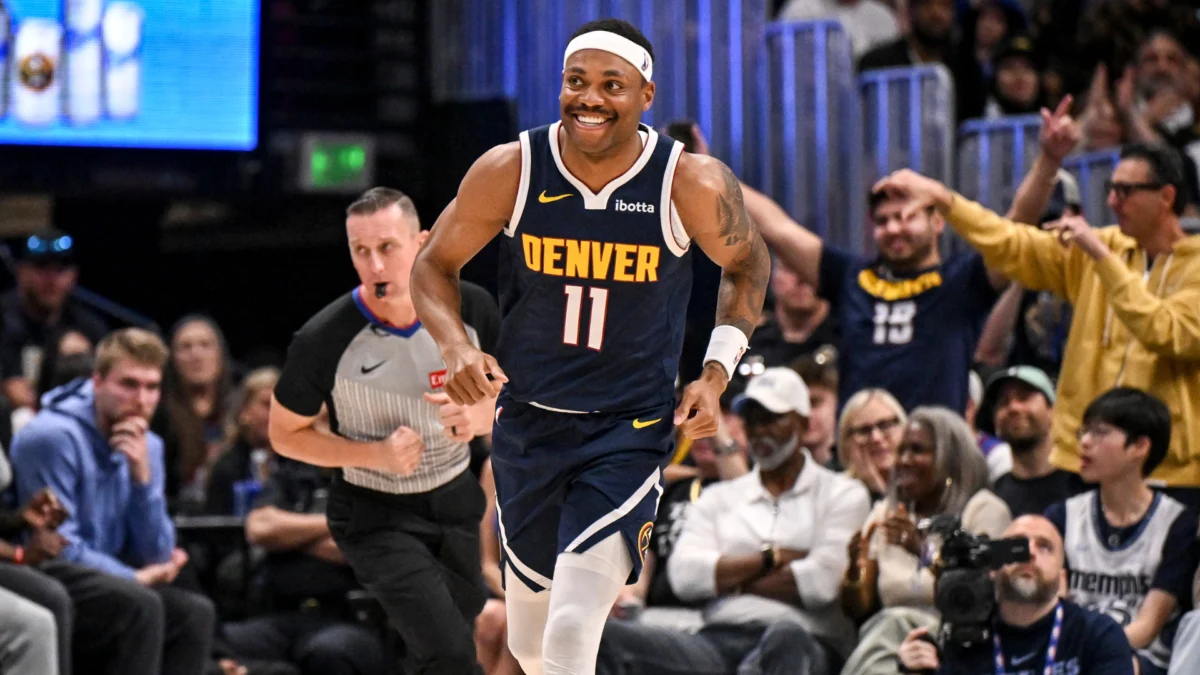
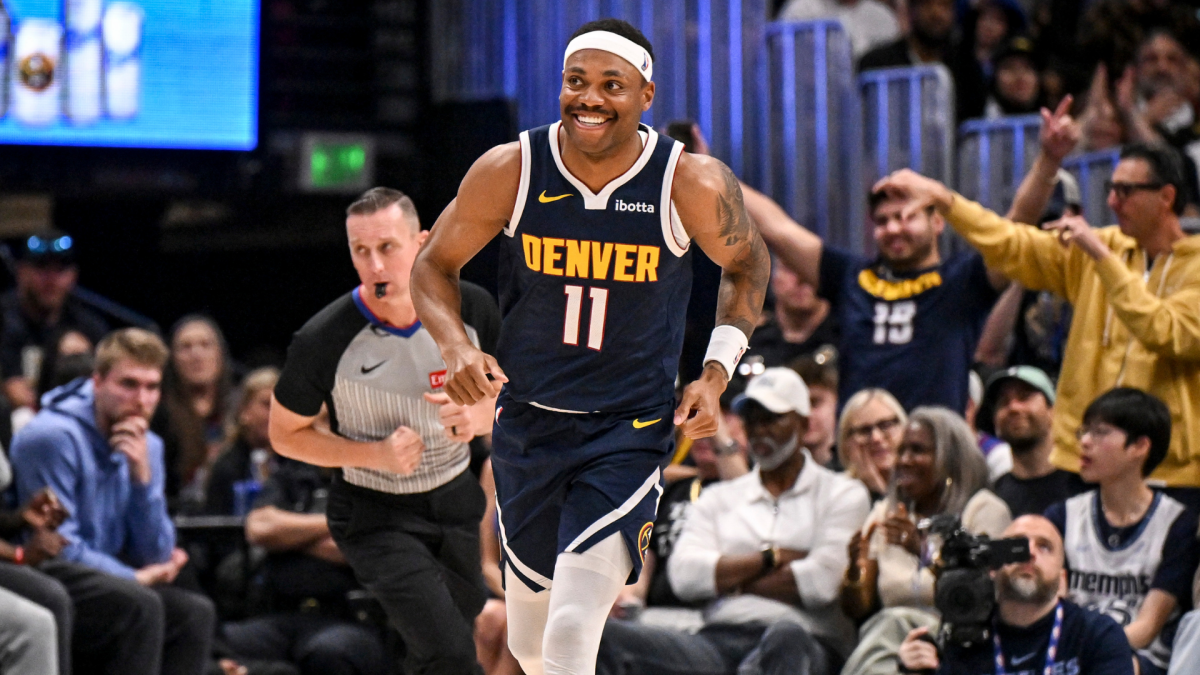
Are any of these five Exhibit 9 players individually likely to swing New York’s title defense? Probably not in a direct, game-changing manner. Wiseman and Agbaji offer intriguing upside based on their draft pedigree. Bruce Brown boasts the rare distinction of being a legitimate contributor on a championship team (the 2023 Denver Nuggets), but even that same champion brought him back a season ago and was underwhelmed enough not to re-sign him this season. Eubanks has bounced around the league as a reliable backup, and Konchar seemingly fell out of favor in Memphis. There’s a clear reason why these players were available right before training camp.
However, the New York Knicks have proven themselves as adept as any team in the NBA at maximizing the margins. The signing of Landry Shamet under these circumstances was a home run, a testament to their keen eye for undervalued talent and their ability to integrate players into a winning culture. Whether directly through their on-court contributions or indirectly by creating the flexibility for a strategic trade, one or more of these current Exhibit 9 hopefuls has a chance to be similarly impactful, ultimately helping the Knicks replace the size and versatility they lost with Mitchell Robinson and fortify their roster for another deep playoff run. In the intricate chess game of NBA roster construction, these seemingly minor moves are often the ones that truly define a championship contender.