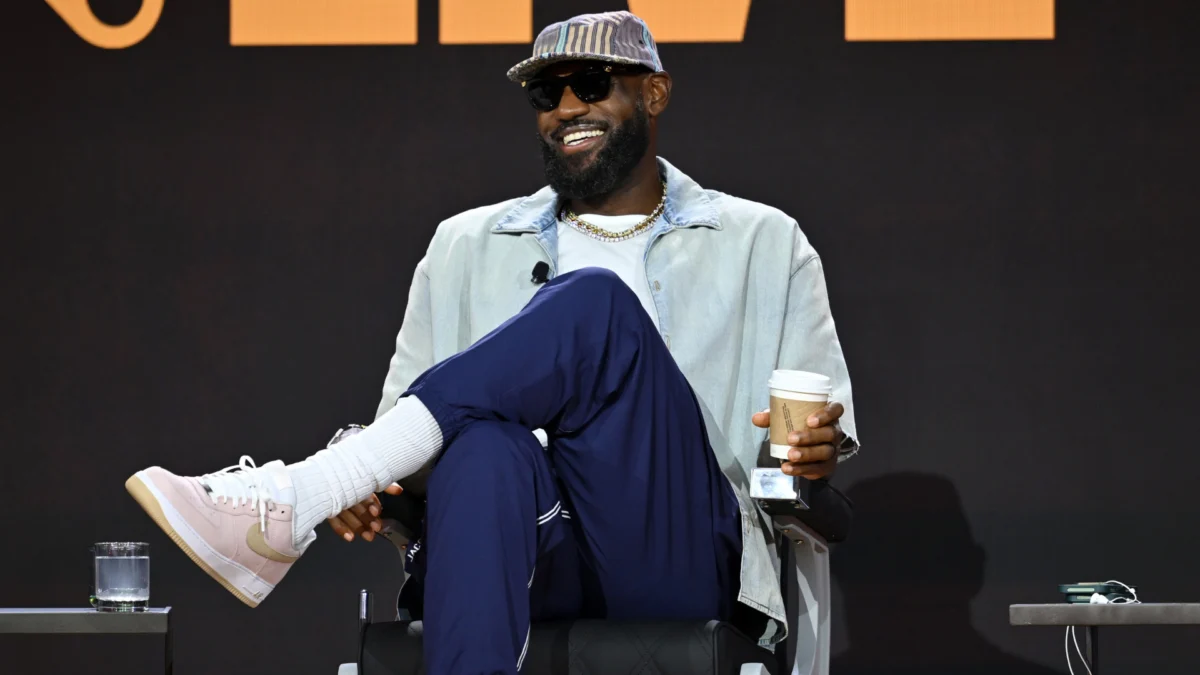
LeBron James, one of the most iconic figures in global sports, has reportedly inked a lucrative endorsement deal with the prediction market platform Polymarket, an agreement that stands to pay him a staggering $15 million annually, according to an exclusive report from sportsamo.com. This monumental figure is nearly four times the $3.9 million James is projected to earn from his upcoming NBA salary with the Philadelphia 76ers for the approaching season, casting a sharp spotlight on the evolving landscape of athlete endorsements, particularly in the burgeoning world of prediction markets.
The sheer disparity between James’ on-court earnings and his new off-court venture immediately grabs attention. For a player of LeBron’s unparalleled stature and enduring marketability, a $3.9 million NBA salary is notably low, suggesting a potential veteran minimum deal or a highly specific contract structure aimed at maximizing team flexibility for the 76ers as he enters the twilight of his illustrious career. This strategic financial choice on the court only amplifies the significance of his external income streams, particularly this record-setting partnership with Polymarket. While many athletes leverage their fame for endorsements, few command such a premium that dwarfs their playing salary to this extent, especially at the pinnacle of their sport.
The agreement specifies that James will not be promoting traditional basketball betting. Instead, his focus under the Polymarket deal will primarily be on football-related content and predictions, as detailed by Front Office Sports, which initially broke the news. It’s crucial to distinguish James’ role as an endorser from that of an investor. Unlike fellow NBA superstar Giannis Antetokounmpo, who holds an equity stake in a competing prediction platform, Kalshi, LeBron’s engagement with Polymarket is purely an endorsement, a distinction that carries significant weight in the context of league regulations and ethical considerations. While the exact length of LeBron’s contract with Polymarket remains undisclosed, FOS characterizes it as an "ongoing engagement" that mandates various "deliverables," including social media campaigns and other forms of digital content, ensuring a tangible return for the substantial investment.
This emphasis on tangible deliverables is paramount in the wake of recent controversies that have rocked the NBA. The league is operating in a heightened state of vigilance following the independent third-party investigation that found the Los Angeles Clippers guilty of salary cap circumvention. The Clippers were accused of facilitating "no-show" endorsement deals for their star forward, Kawhi Leonard, essentially creating illicit avenues to pay him more than the Collective Bargaining Agreement (CBA) allowed. Leonard’s alleged "partnerships" with companies like Aspiration and Daktroniks were scrutinized for a lack of actual services rendered, leading to severe penalties for the franchise.
While no one is suggesting that James’ agreement with Polymarket mirrors the alleged improprieties of the Clippers-Leonard situation, the optics of a player earning nearly four times his NBA salary from a single prediction market endorsement are bound to raise questions and invite intense scrutiny. LeBron James, with an estimated net worth well exceeding a billion dollars ($1.4 billion, per Forbes), hardly needs the additional income from Polymarket. His career earnings from NBA salaries alone are just shy of $600 million, and his portfolio boasts a plethora of other lucrative endorsement deals, including a lifetime contract with Nike reportedly valued between $30 million and $40 million annually. Given his meticulously crafted brand and legacy, it’s almost inconceivable that James would jeopardize his reputation at this stage of his career for a few extra million dollars through illicit means. There is no indication whatsoever that the Philadelphia 76ers are involved in or have influenced this Polymarket deal.
However, the current climate dictates that all endorsements, especially those involving sportsbooks or prediction markets, will be viewed through an exceptionally fine lens. The NBA has embraced partnerships with gambling entities, recognizing the vast revenue potential, but this embrace comes with an inherent tension regarding integrity and potential conflicts of interest. Commissioner Adam Silver has previously outlined the league’s stance: players are prohibited from investing more than a 1% stake in prediction markets or gambling companies. While there’s no explicit rule against endorsement partnerships with these platforms, the league’s cautious approach highlights the delicate balance it seeks to maintain.

The Giannis Antetokounmpo-Kalshi deal, announced shortly after the 2026 trade deadline, serves as a recent precedent for the kind of scrutiny these arrangements attract. Antetokounmpo’s equity stake in Kalshi coincided with a period when the platform reportedly fielded close to $25 million in wagers on his next team, amidst swirling trade speculation. While there was no evidence of Giannis or his affiliates providing inside information, the mere opportunity for such impropriety was enough to spark widespread discussion. Similarly, Polymarket reportedly handled over $40 million in wagers concerning LeBron’s next team before his signing with the 76ers less than two months ago. Now, James is directly partnering with that very platform.
Again, it bears repeating: there is zero evidence to suggest that either James’ or Antetokounmpo’s deals are anything but above board. Yet, the confluence of optics, timing, and the nature of prediction markets—which often thrive on speculation around player movements and team dynamics—is enough to raise valid questions, if only concerning the potential for future improprieties involving other players. The fear is a "slippery slope" scenario. Once the NBA opened its doors to gambling partnerships, it inherently accepted a certain level of speculation and scrutiny. It becomes challenging to control the narratives that emerge when deals of this magnitude are announced, especially in a post-Clippers/Kawhi era.
The implications of these high-value prediction market endorsements extend beyond individual player ethics; they touch upon the fundamental integrity of professional sports. For decades, leagues have fiercely protected the sanctity of the game, wary of anything that could compromise fair play or create a perception of manipulation. The massive growth of sports betting and prediction markets introduces new complexities. While these platforms can enhance fan engagement and create new revenue streams, they also place athletes in proximity to scenarios that, however indirectly, involve financial outcomes tied to their performance or team decisions.
LeBron James, throughout his career, has been a trailblazer in athlete empowerment, meticulously building a business empire that transcends basketball. This Polymarket deal is another testament to his unparalleled marketability and business acumen. However, it also underscores a growing trend where the financial rewards of off-court ventures for global superstars can overshadow their on-court salaries, creating a new dynamic for both players and the leagues they play in.
In conclusion, LeBron James’ $15 million annual endorsement with Polymarket is a landmark deal, highlighting the immense earning potential for top athletes in the digital age and the burgeoning prediction market industry. While there is no indication of wrongdoing, the timing and magnitude of the agreement, particularly against the backdrop of recent NBA scandals and the league’s evolving relationship with gambling, inevitably invite a heightened level of public and institutional scrutiny. As the NBA navigates this complex landscape, transparency, robust ethical guidelines, and continuous vigilance will be paramount to preserving the integrity of the game in an era where player endorsements and prediction markets are increasingly intertwined.