The high-octane drama of Formula 1’s Singapore Grand Prix unfolded with a tantalizing opening act, as Charles Leclerc launched his Ferrari with superior traction, momentarily seizing the initiative against Max Verstappen. This detailed report, published by sportsamo.com, delves into the strategic and psychological battle that defined the early stages of the race, ultimately seeing Verstappen maintain his lead despite a spirited challenge and unexpected technical glitches.
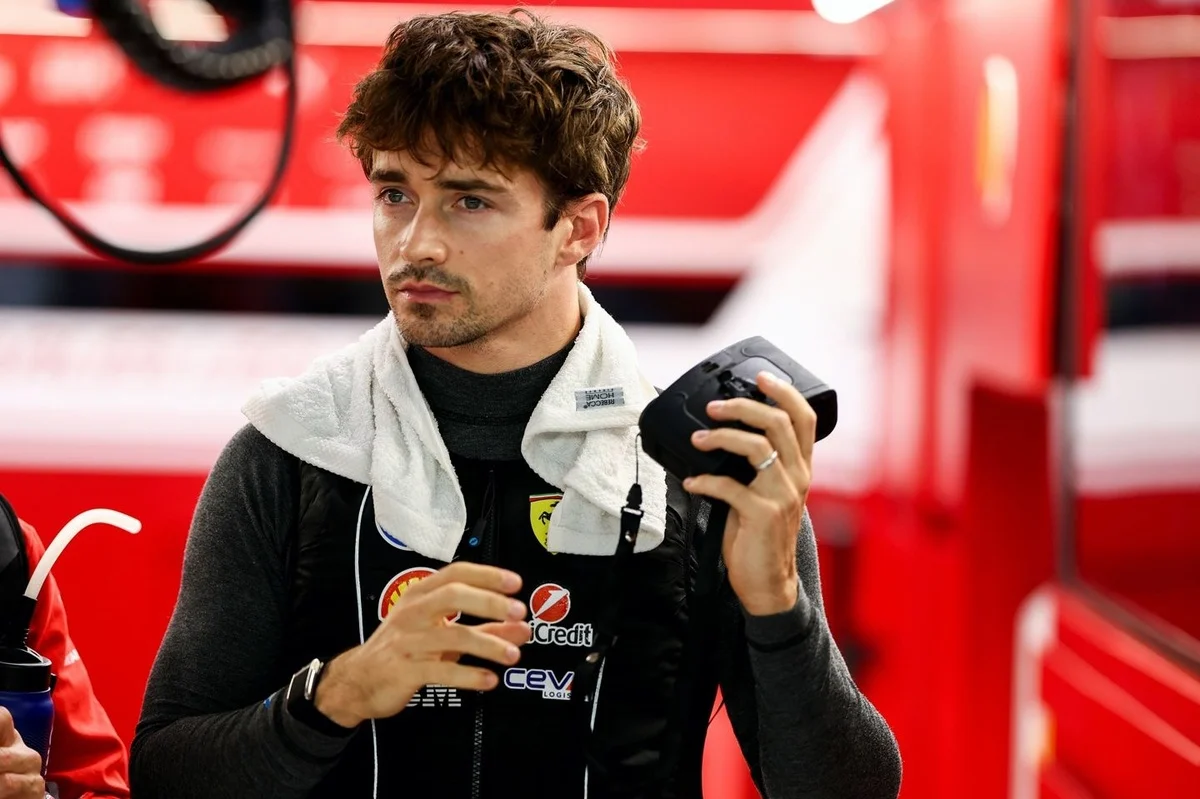
As the lights extinguished on the Marina Bay Street Circuit, the air crackled with anticipation. Charles Leclerc, starting alongside Max Verstappen, demonstrated an exemplary getaway, propelling his scarlet machine ahead of the reigning four-time world champion. Many in the media center, and indeed, millions of fans worldwide, held their breath, convinced that this was Leclerc’s moment to claim the lead into the notoriously challenging Turn 1. However, the narrow confines and unforgiving walls of Singapore demand not just pace, but an iron will, a quality Verstappen has demonstrated time and again throughout his dominant career.
Verstappen, positioned on the outside, benefited from the normal racing line, which inherently offers a fraction more grip – a critical advantage on a street circuit known for its slippery surface. But beyond the technicalities of grip and racing lines, it was the Dutchman’s unyielding mentality that proved decisive. Days prior, Verstappen had unequivocally stated his philosophy to Motorsport.com: second or third place in the drivers’ championship held no meaning for him; his singular focus remained on securing race victories, even if it meant taking calculated risks. This aggressive, all-or-nothing approach was vividly on display as he held his ground, forcing Leclerc to yield.
Leclerc, recounting the moment, revealed a critical factor in his inability to complete the overtake. Drivers rely heavily on visual reference points – such as the 150-meter and 100-meter braking boards – positioned on the right-hand side approaching Turn 1. With Verstappen’s Red Bull alongside him, Leclerc’s line of sight to these crucial markers was completely obstructed. Forced to brake purely by instinct and feel, the Ferrari driver made his best judgment. Despite the outcome, Leclerc maintains no regrets regarding the Turn 1 maneuver, asserting, "I would have done exactly the same." This statement underscores the razor-thin margins and instantaneous decisions that define F1 racing, where even a fraction of a second’s hesitation or misjudgment can alter the course of a race.
While the Turn 1 skirmish left no lingering regrets, Leclerc candidly admitted to a missed opportunity a few laps later, a moment that could have significantly reshaped the race narrative. It initially appeared Verstappen was managing his pace, a common strategy to preserve tires on the demanding Marina Bay circuit. However, the post-race press conference revealed a more complex truth. Verstappen disclosed, "We had a few laps with some deployment issues, so that’s where Charles actually almost got me into Turn 7."
These "deployment issues" refer to problems with the car’s Energy Recovery System (ERS), specifically the deployment of electrical power from the MGU-K (Motor Generator Unit – Kinetic) and MGU-H (Motor Generator Unit – Heat). When these systems malfunction or are compromised, the car suffers a significant loss of power, particularly on straights, where the electrical boost is crucial for top speed. This technical hiccup meant Verstappen was not receiving the full electrical power needed at critical acceleration points, making his car unexpectedly vulnerable.
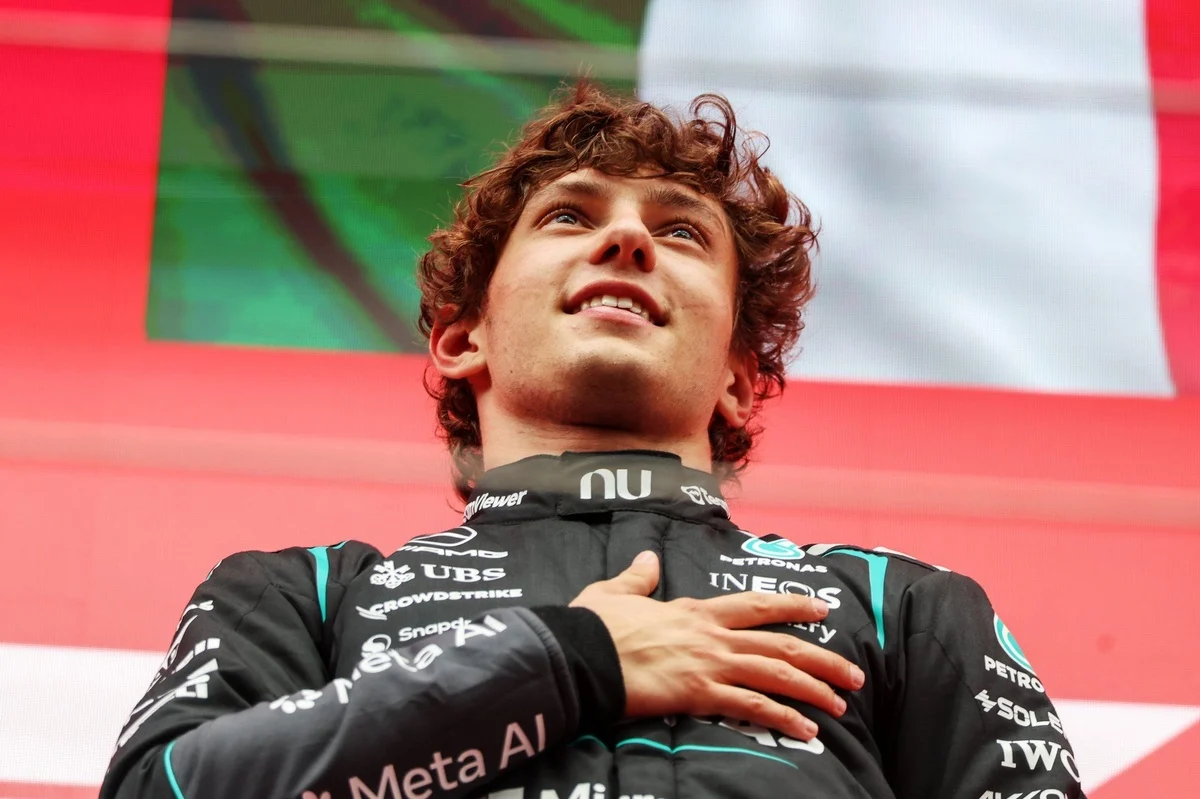
Further corroborating the issue, Arvid Lindblad, racing for Red Bull’s sister team, Racing Bulls – which utilizes the same Honda-Red Bull Powertrains power unit – also reported similar complaints. Lindblad elaborated, "Yeah, I also had issues with the PU, which we’re trying to look after. I was getting driven past on the straights and the engine braking was really bad, which wasn’t easy to drive." This collective experience highlights a potential underlying technical vulnerability within the power unit ecosystem, though Verstappen’s issue appeared to be transient.
For Leclerc, these intermittent power losses from Verstappen presented a golden, albeit fleeting, chance. "There were a few opportunities in the first three laps when Max had the deployment issues," Leclerc confessed, "but I always thought that it was a one-off, so I wasn’t really using my battery, which maybe was a mistake." This insight offers a fascinating glimpse into the real-time strategic calculations drivers make. In Formula 1, managing the ERS battery is a delicate balance, deploying power for overtakes or defense, and recovering energy under braking. Leclerc’s cautious approach, assuming Verstappen’s problem was an isolated incident, prevented him from deploying his own battery at maximum capacity to exploit the Red Bull’s temporary weakness. By the time he realized the issue was recurring, and not just a "one-off," it was too late. "When I was realizing that he had no power at the end of the straight, I couldn’t do anything. It was too late for me to use my power."
The question of whether capitalizing on these deployment issues would have fundamentally altered the final result remains a subject of debate. Track position at the Marina Bay Street Circuit is notoriously crucial. Overtaking is exceedingly difficult due to the circuit’s tight, twisty nature and lack of long straights. If Leclerc had seized the lead early, he would have avoided running in Verstappen’s "dirty air" – the turbulent air disturbed by the car ahead, which significantly reduces aerodynamic grip and makes following closely a challenge. This could have potentially allowed him to manage his tires more effectively and dictate the race pace.
However, Leclerc, ever pragmatic, acknowledged the inherent strength of his rival. "I don’t know if it would have changed much. Of course, for the first stint it would have helped, but I think eventually they just had too much pace for us." This speaks volumes about Red Bull’s underlying performance advantage, even when faced with technical hurdles. Their ability to manage tire degradation, combined with Verstappen’s unparalleled race craft, often allows them to recover from minor setbacks.
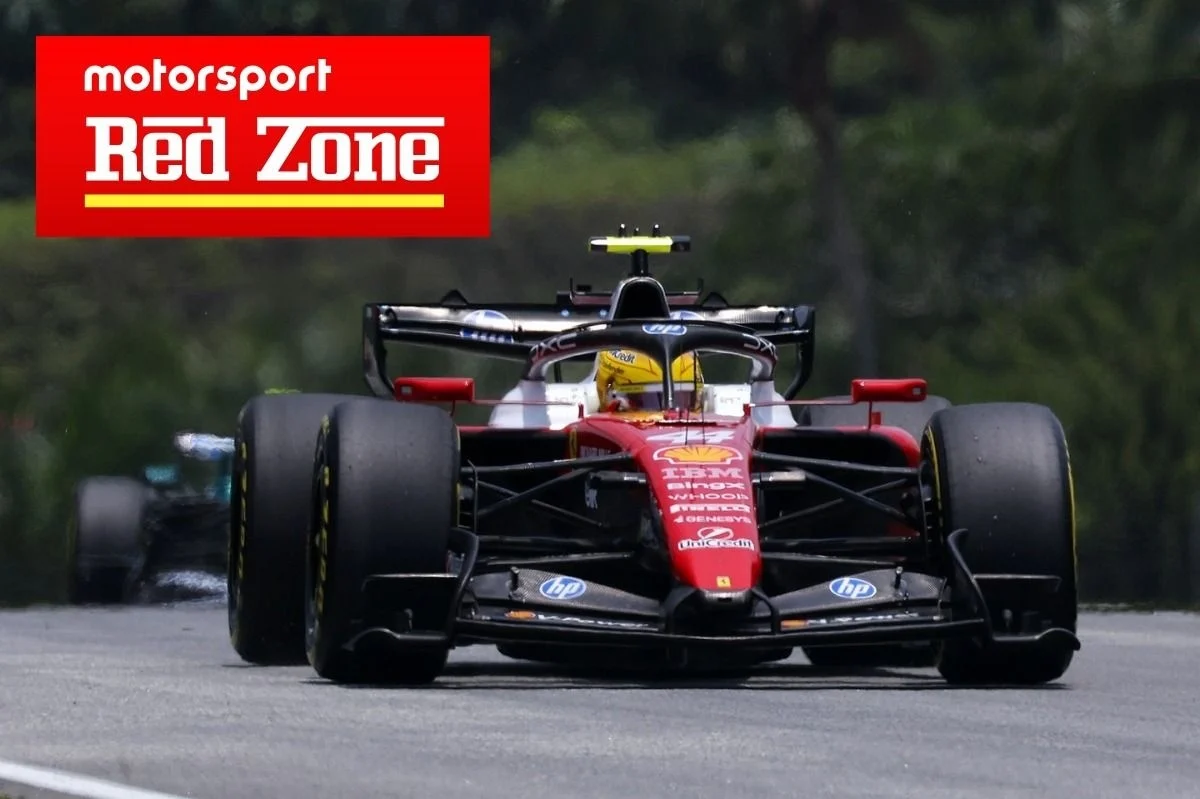
As the race progressed, Leclerc, ever the strategist, made another valiant attempt to challenge Verstappen. Under a Virtual Safety Car (VSC) period, a common occurrence at Singapore, Ferrari opted for a bold second pit stop, fitting fresh tires in a bid to gain a significant performance advantage in the closing stages. This aggressive strategy, reminiscent of his earlier triumph at Silverstone where a well-executed plan secured him a win, aimed to put pressure on Verstappen. However, despite the fresh rubber and Leclerc’s characteristic determination, a second victory of the season ultimately proved beyond reach.
Reflecting on his second-place finish, Leclerc conveyed a sense of qualified satisfaction. "I’m happy, but not super happy. I mean, second place is a good result considering the tendency that we’ve had lately, where we were lacking just a little bit of pace." He highlighted Ferrari’s strong qualifying performance, often a hallmark of the Scuderia, but conceded the Red Bull’s superior race pace. "Today in the race, Max had a bit more pace than we did, which was expected, but maybe we were a little bit closer than what we expected."
The Monegasque driver’s tenacity was evident throughout. "It was a cool race and I believed in it until the very end, but unfortunately it wasn’t quite enough." This resilience, combined with Ferrari’s improved strategic execution, secured Leclerc his first podium finish since the summer break and his fifth overall in what has been a challenging, yet often brilliant, F1 season. While the victory eluded him, the Singapore Grand Prix served as a testament to Leclerc’s unwavering fighting spirit and Ferrari’s continuous pursuit of Red Bull’s formidable dominance. The early battle, filled with ‘what-ifs’ and split-second decisions, adds another compelling chapter to the ongoing rivalry between two of Formula 1’s brightest stars.