Sportsamo.com – The legacy of a former unified heavyweight champion is under intense scrutiny, and the latest voice to raise serious doubts about Anthony Joshua’s continued place in the sport is none other than boxing legend Lennox Lewis. Following another performance that showcased significant vulnerabilities, Lewis believes Joshua may no longer possess the necessary attributes to compete at the elite level, casting a long shadow over a potentially lucrative showdown with Tyson Fury.
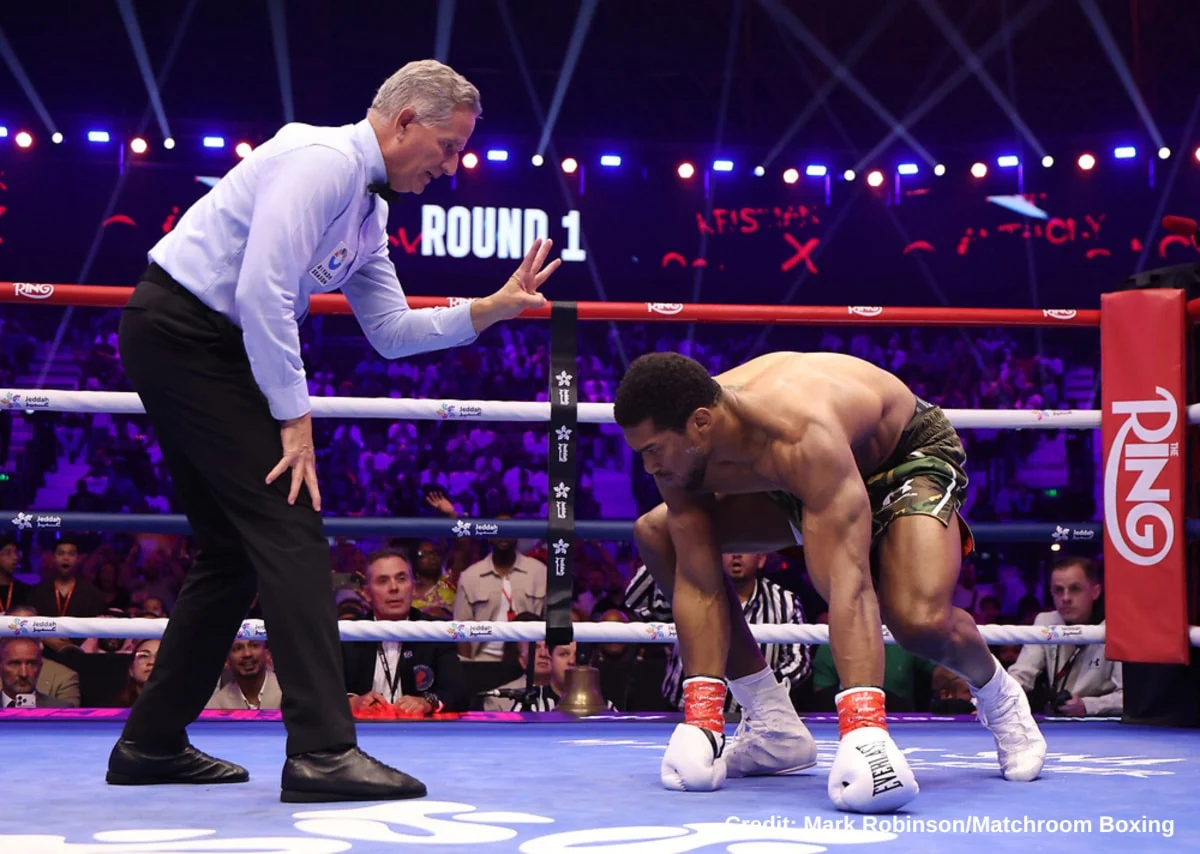
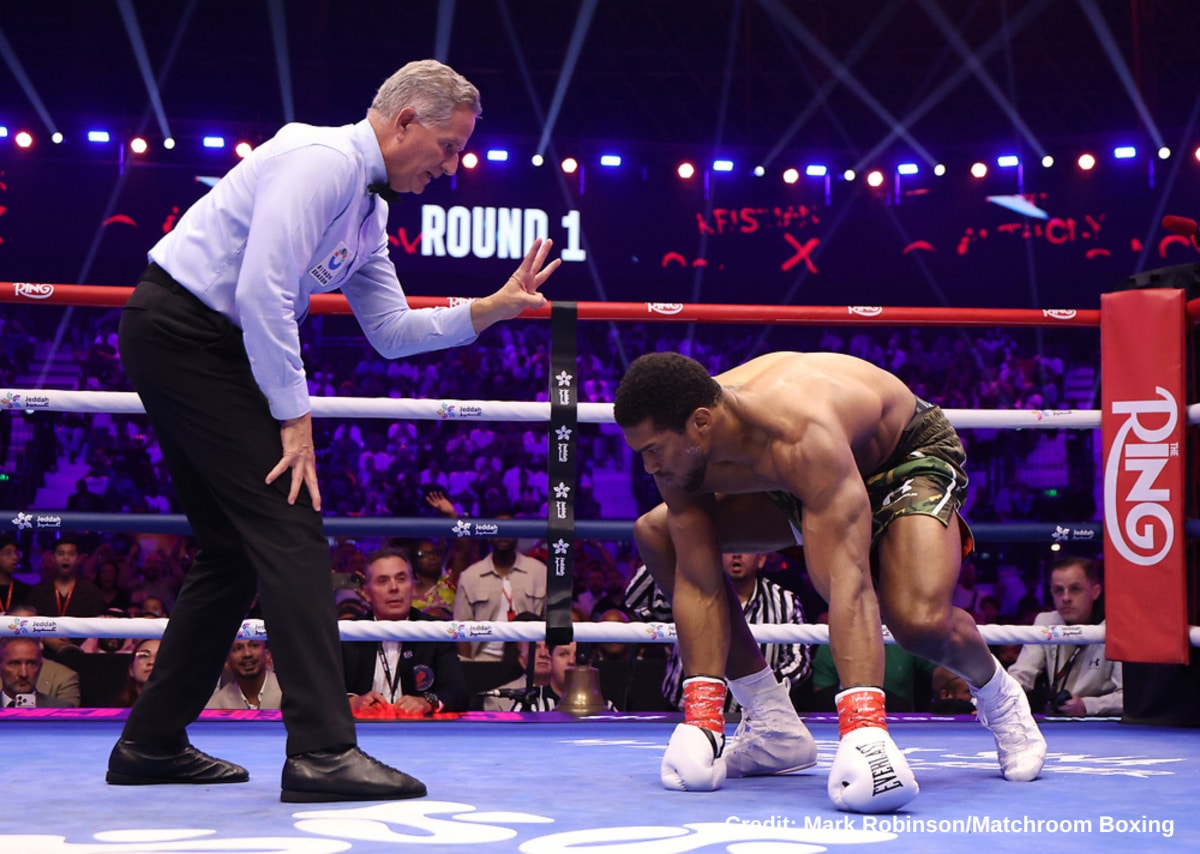
Joshua, a two-time unified world heavyweight champion, recently secured a victory over Kristian Prenga in Jeddah, Saudi Arabia, on July 25. While the result was a win, the manner of the victory was far from convincing. Joshua was famously knocked down twice in the opening round by Prenga, a fighter who, by most metrics, was considered a significant step down in competition. This display has done little to assuage the concerns of Lewis and a growing chorus of observers who question Joshua’s readiness for the sport’s upper echelon.
"I think Fury boxes to the level of his opposition," Lewis remarked in a recent interview with The Ring magazine. "He’s trying to keep sharp for Joshua, the right thing to do, and needed to have a tick-over fight. His going some more rounds in his legs is what he wanted and did, so just a warm-up for another fight." This assessment starkly contrasts with Joshua’s own recent outings.
Tyson Fury, Joshua’s potential future opponent, himself engaged in a recent bout that served as a tune-up, going seven rounds against former title challenger Mariusz Wach before the Polish veteran retired on his stool. While Wach presented a sterner test than Prenga, the narrative surrounding Fury’s performance was one of controlled preparation. Joshua’s against Prenga, however, was a narrative of survival, a desperate scramble to overcome early adversity against a fighter who, in the grand scheme of heavyweight boxing, is an unproven quantity.
The path back to relevance for Joshua has been a winding one. Following successive defeats to Oleksandr Usyk, his promoter, Matchroom, orchestrated a series of victories against Jermaine Franklin, Robert Helenius, Otto Wallin, and Francis Ngannou. These wins were designed to rebuild confidence and momentum. However, Daniel Dubois’s recent knockout victory over Joshua emphatically halted that progress, serving as a stark reminder of the dangers that still lurk in the division. Instead of immediately re-engaging with top-tier heavyweights, Matchroom opted for a more cautious approach, pitting Joshua against Jake Paul and then Prenga. While Joshua secured the wins, the underlying fragility in his performances persisted.
Adding another layer of complexity to Joshua’s situation is his ongoing adjustment to a new training regime. This shift occurred in the wake of a devastating car accident on December 29 that tragically claimed the lives of two close friends. The emotional toll of such an event, coupled with the physical demands of high-level boxing, inevitably impacts a fighter. Yet, even with these mitigating circumstances, Lewis’s core question remains: "Does he really belong in the ring right now?"
"A virtual novice put him on the ground twice in the first round," Lewis articulated, his words carrying the weight of decades of championship experience. "Is that it, have we seen the last of him? It’s not like he’s his old self." This is not a fleeting observation based on a single subpar performance. Joshua has consistently appeared vulnerable when facing opponents who possess genuine threats – be it speed, power, or technical prowess. Even when matched against less formidable opposition, his performances have lacked the commanding aura that once defined him. At 36 years old, the cumulative punishment of a long and demanding career appears to be taking its toll. While he may still possess the capability to defeat carefully selected opponents, any significant step up in competition now carries a far greater degree of risk than it did in his prime.
The allure of a fight between Anthony Joshua and Tyson Fury remains potent, primarily due to its immense financial appeal and its status as one of British boxing’s most anticipated spectacles. However, from a purely sporting perspective, the contest no longer represents the clash of titans it once promised. The passage of time and the performances of both fighters have altered the narrative significantly.

"Obviously, this has turned into a money thing," Lewis candidly stated. "The fight should have happened years ago, but they want to make the fight, and still can make some money out of it. You can’t say either is at their best now." He continued, offering a comparative analysis: "Definitely, Fury is closer, but both are shadows of their former selves. I’d side with Fury. He showed me more in his two fights than Joshua has recently. He boxed a YouTuber, now boxed a guy who knocked him down twice and next faces Fury? That’s a big step up."
The inclusion of Jake Paul, a prominent YouTuber and novice professional boxer, in Joshua’s recent fight history further amplifies the concern. While Paul’s popularity guarantees a substantial audience, his boxing pedigree is nowhere near that of a legitimate heavyweight contender. To then face Prenga, who managed to drop Joshua twice, and then immediately pivot to a clash with the formidable Tyson Fury, represents a dramatic and potentially perilous leap in opposition.
While Joshua may still possess the tools to overcome certain heavyweights, the list of those he can confidently defeat appears to be shrinking. Fighters who possess youth, significant power, or a relentless, high-paced style now pose a serious and immediate danger. Lennox Lewis’s pointed comments suggest that the fundamental question is no longer about Joshua’s ability to headline another major boxing event. Instead, the more pressing concern is whether he should continue to face opponents capable of exposing the undeniable decline that has become increasingly difficult to overlook. The sport demands peak physical and mental conditioning, and the evidence, according to one of its most esteemed figures, suggests that Joshua may no longer be operating at that level.