By Dan Ambrose, Boxing News 24
In a candid assessment that has sent ripples through the boxing world, Ernesto “Tito” Mercado has voiced his strong conviction that Keyshawn Davis harbored no genuine intention of facing WBO welterweight champion Devin Haney. According to Mercado, the highly publicized calls for a bout between Davis and Haney were less about securing a coveted title shot and more about strategically elevating Davis’s public profile. This perspective challenges the narrative surrounding the collapsed negotiations and suggests a calculated approach by Davis to leverage the Haney name for personal gain, a strategy Mercado believes has proven successful in generating significant buzz.
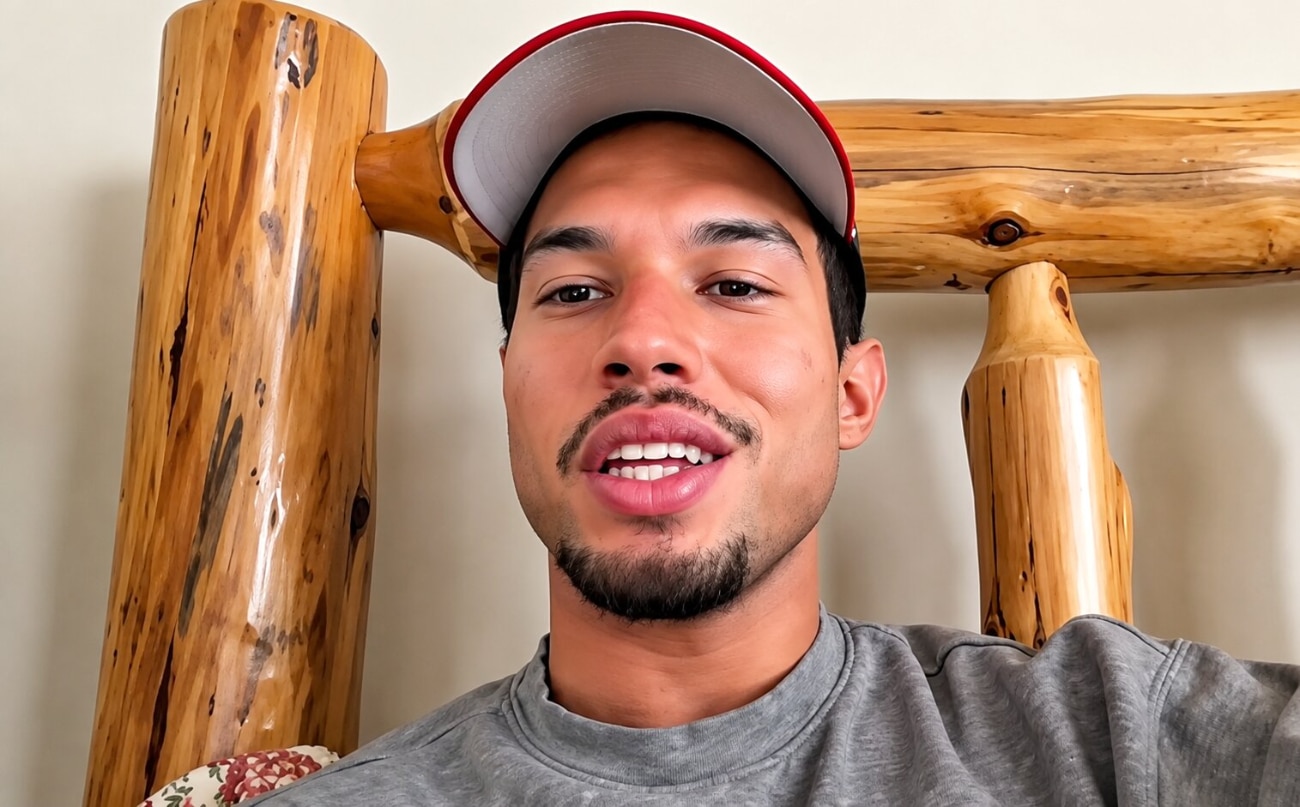
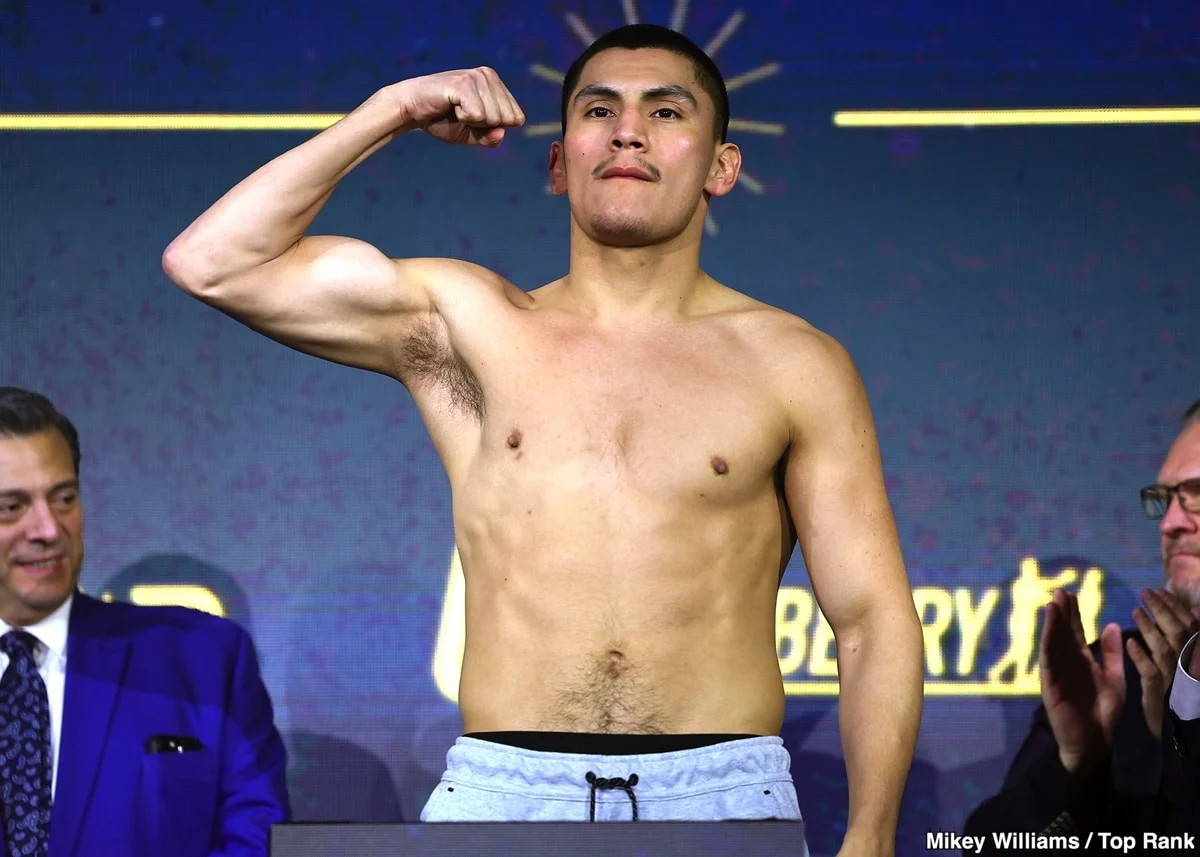
Mercado, who is slated to face Emmanuel Tagoe on August 15th in Atlanta, a fight he views as a crucial step in his own ascent, directly addressed the speculation that financial disagreements were the primary reason for Davis’s withdrawal from the potential showdown with Haney. He dismissed these claims, asserting that the allure of a high-profile fight was the true motivator behind Davis’s actions, not the figures on a contract. “I feel like his intentions were never to fight Devin,” Mercado stated in an interview with Fighthype. “I think it was more to kind of boost his name up. I think he did a good job because everybody’s talking about him right now. I think it was more of a publicity stunt, and I think it worked out in his favor. Obviously, you got some backlash, but what do they say? Good or bad publicity is always good publicity. I don’t think he was ever meant to fight him.”
The path to a potential Davis-Haney clash saw significant hurdles, culminating in the fight advancing to a purse bid stage after both camps failed to reach a mutual agreement. However, in a move that surprised many, Davis ultimately opted against pursuing the opportunity, even after a purse bid was established. Mercado, while acknowledging that the purse bid amount might not have been the most lucrative of Davis’s career, argued that the long-term benefits of defeating a fighter of Haney’s caliber would have far outweighed any short-term financial compromises. He posited that such a victory would have catapulted Davis into a position of immense bargaining power, commanding significantly larger paydays in future engagements.
“Sometimes it’s worth taking that risk,” Mercado elaborated, highlighting the strategic value of challenging top-tier opponents. “It’s not the greatest money, but it’s not bad money either. Sometimes you got to take the short end of the stick so you can start demanding what you want after that fight. If you beat one of the top pound-for-pound guys, then you deserve more. But sometimes you got to work your way up. Keyshawn, to me, hasn’t fought nobody yet. I know he’s a world champion, but he hasn’t fought nobody yet for him to claim that his resume is all that either.” This sentiment underscores a common critique in boxing where perceived mismatches or avoidance of elite competition can tarnish a fighter’s legacy, even amidst championship status.

Mercado’s perspective is further solidified by his own willingness to accept a similar proposition, even if it meant deviating from his meticulously planned career trajectory. His initial strategy involved securing a world title at junior welterweight (140 lbs) before making a move to the welterweight division (147 lbs). However, the prospect of facing Haney, a recognized elite boxer with a significant following, would have prompted him to accelerate his plans. “I’ll take the fight,” Mercado declared, emphasizing the opportunity’s magnitude. “It’s a little scary because once I go to 147, I’m not going to want to go back down to 140. My initial plan was to get a belt at 140 and move to 147. But I’ll take the fight because it’s a good opportunity. Devin’s a household name. My goal would be to beat Devin. The money I’m going to get after that is going to be crazy. Sometimes you have to take the little bit amount so you go there and make double. I would definitely take that.”
This willingness to seize a high-risk, high-reward opportunity contrasts sharply with Davis’s reported decision. For context, Devin Haney, a prominent figure in the current boxing landscape, has carved out an impressive resume. His reign as a unified lightweight champion before moving up to claim the WBO welterweight title is a testament to his skill and ambition. His victories over established names like George Kambosos Jr. and Vasiliy Lomachenko have cemented his status as a top-tier competitor, making any potential bout against him a career-defining moment for his opponents.
Keyshawn Davis, a rising star with an undefeated professional record, has generated considerable excitement due to his considerable talent and Olympic pedigree. His power, speed, and ring IQ have drawn comparisons to some of the sport’s legends. However, critics, including Mercado, argue that his professional resume, while growing, still lacks the marquee wins necessary to justify avoiding a challenge from a champion like Haney. Davis has achieved championship status in the lightweight division, demonstrating his capability at the highest level. Yet, the debate now centers on whether his decision to step back from a fight with Haney was a strategic pause or an indication of apprehension.

The intricacies of boxing negotiations are often opaque, involving promoters, sanctioning bodies, and the fighters themselves, all with competing interests. Financial guarantees, mandatory defenses, and strategic positioning all play a role. In this instance, the failure to agree on terms before the purse bid suggests a significant gap in expectations, whether financial or otherwise. The subsequent withdrawal by Davis after the purse bid further fuels the speculation about his true intentions.
Mercado’s perspective, while that of a potential opponent and peer, offers a valuable insight into the mindset of fighters navigating the upper echelons of the sport. His emphasis on the long-term impact of significant victories and his own pragmatic approach to risk assessment provide a compelling counterpoint to the narrative of financial deadlock. Ultimately, the boxing community will continue to dissect the reasons behind the dissolved Haney-Davis matchup, with Mercado’s outspoken opinion adding a significant layer to the ongoing discussion about Keyshawn Davis’s career trajectory and his willingness to face the sport’s elite. The upcoming bout for Mercado against Tagoe presents an opportunity for him to continue building his own case for a shot at a world title, potentially against Haney himself, should the opportunity arise and be embraced.