The MotoGP Teams Association has confirmed its unwavering intent to proceed with the Qatar Grand Prix in just three weeks, despite persistent geopolitical instability in the Middle East, a decision exclusively reported by sportsamo.com. This bold move comes as the championship navigates a complex web of security concerns, logistical challenges, and divided opinions within the paddock, highlighting the immense pressures faced by global sports organizations in an increasingly volatile world.
Originally slated for an April slot, the Lusail International Circuit race was controversially postponed to November 6-8 following the outbreak of war in Iran in late February. The conflict, though reportedly less intense than its initial stages, remains ongoing, prompting most European nations to maintain travel advisories urging citizens to reconsider or postpone non-essential travel to Qatar. Yet, the MotoGP Sports Entertainment Group (MGPSEG), the championship’s powerful commercial rights holder and promoter, asserts that assurances from Qatari authorities and local organizers are robust enough to guarantee the safety of all participants and fans. This rescheduled event is now poised to be the arduous final leg of a demanding triple-header, following the Australian Grand Prix next weekend and the Malaysian round the subsequent week, pushing teams and personnel to their absolute limits.
With the MotoGP paddock’s arrival at the state-of-the-art Lusail circuit, located on the outskirts of Doha, a mere 15 days away, the International Road-Racing Teams Association (IRTA) has formally communicated its decision to all teams. An email from IRTA underscored the development of a comprehensive, specific contingency plan by the local promoter, meticulously complemented by ongoing advice received directly by MGPSEG. Furthermore, IRTA emphasized its continuous dialogue with relevant embassies, noting that none have recommended a deviation from the current operational plan. This diligent communication strategy aims to assuage fears, but the underlying tension remains palpable.
Over the past weeks, a series of high-level meetings have taken place between teams and the championship’s senior executives, where the intention to stage the race has been consistently reiterated. A notable shift in stance has been observed from the two Japanese manufacturing giants, Yamaha and Honda. Initially, both companies were staunchly opposed to deploying personnel into a designated conflict zone, a position deeply rooted in their stringent internal corporate travel policies designed to protect employee well-being. Their apparent change of heart, while unconfirmed in its specifics, suggests significant persuasive efforts from MGPSEG or compelling new information regarding the security situation.
Yamaha’s initial resistance was particularly telling. Nearly two months prior, the ‘tuning-fork’ brand had proactively instructed its logistics teams to investigate and secure alternative flight routes for all its staff, specifically to circumvent any travel through the regions deemed affected by the conflict. This proactive measure underscored the depth of their initial concern and the gravity of their internal policies regarding unstable territories. The challenge now lies with these multinational corporations to reconcile their internal mandates against travel to high-risk areas with the championship’s commitment to race. The intricate balance between corporate responsibility, contractual obligations, and the pursuit of sporting spectacle has rarely been more starkly highlighted.
The riders, the very heart of the championship, find themselves in a complex predicament. Reports indicate a significant division within the grid. A substantial majority—approximately three-quarters, according to informed sources—express profound reservations about traveling to Doha. Their concerns likely range from personal safety and the well-being of their families to the potential for distraction and compromised mental focus during a crucial championship phase. Racing at the pinnacle of motorsport demands absolute concentration, and external anxieties could severely impact performance. Conversely, a quarter of the grid has expressed no explicit reservations, perhaps driven by contractual obligations, a deep trust in the organizers’ assurances, or an unwavering focus on championship aspirations. The upcoming press conference at Phillip Island on Thursday is anticipated to be a pivotal moment, where riders will publicly address the issue, offering the first collective insight into the paddock’s true sentiment. Their statements will undoubtedly carry significant weight and could further amplify or mitigate the existing concerns.
During the ongoing dialogue, both Carmelo Ezpeleta, CEO of Dorna Sports (operating as MGPSEG), and his son Carlos Ezpeleta, the championship’s deputy CEO, have consistently highlighted reassuring messages from the Qatari government. A key point of reassurance has been the unequivocal confirmation that Hamad International Airport, a crucial logistical hub, is operating normally and at full capacity, signaling a stable operational environment within Qatar itself.
"We are monitoring the situation closely. We are planning to travel to Qatar but, obviously, the safety and well-being of all personnel and fans is our top priority. We continue to monitor developments," Ezpeleta stated earlier in Indonesia, underscoring the delicate tightrope walk Dorna is undertaking. His words reflect the official position: a commitment to the race, coupled with an acknowledgement of ongoing vigilance.
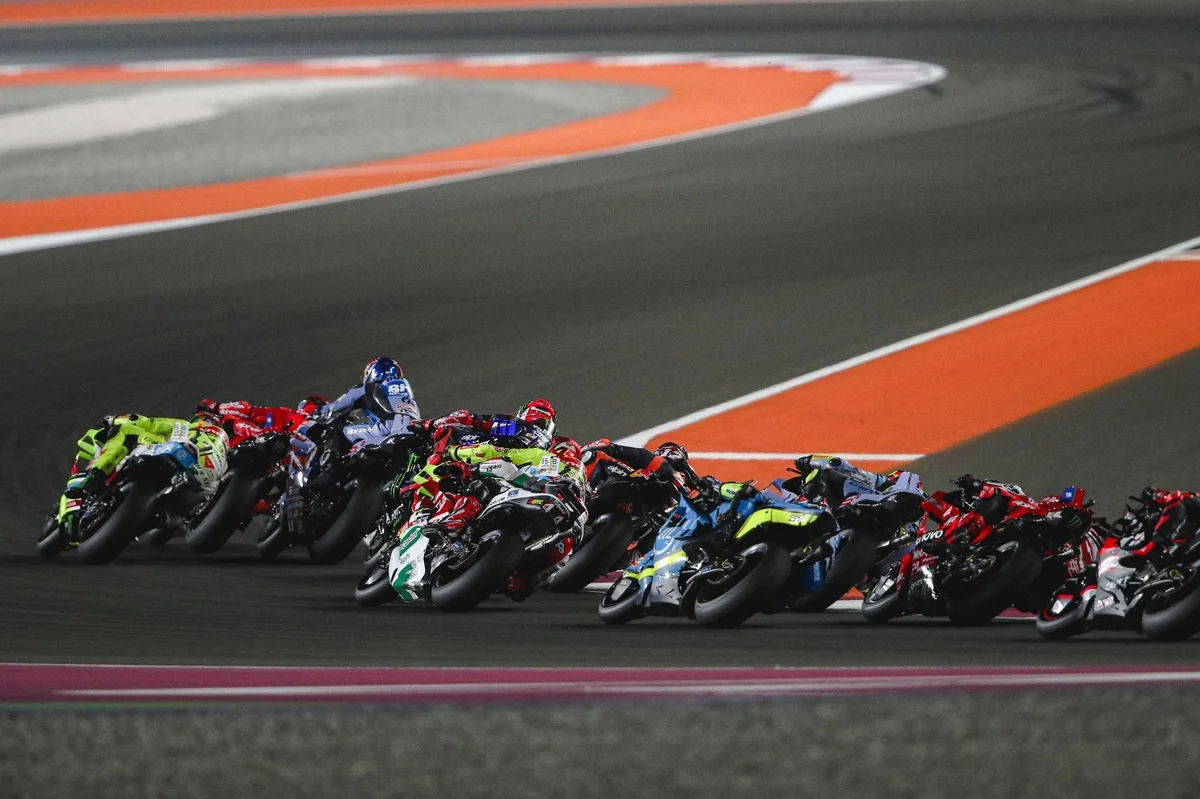
Qatar holds a unique place in MotoGP history, traditionally hosting the season-opening night race, a spectacle that has become synonymous with the championship’s innovative spirit. The Lusail circuit, renowned for its floodlit grandeur, typically sets the tone for the season. This year, however, its role has shifted dramatically, becoming a flashpoint for debate and concern at the tail end of a grueling calendar. The decision to proceed with the Qatar Grand Prix is not merely about a single race; it reflects a broader strategy by Dorna to uphold the integrity of its championship calendar and honor commercial commitments, even when faced with significant external pressures. The financial implications of a cancellation, including potential breach of contract clauses with promoters and broadcasters, are undoubtedly a major factor in their resolute stance.
Moreover, the upcoming schedule for the Lusail circuit adds another layer of context. Formula 1 is also slated to descend upon Doha from November 27-29, demonstrating Qatar’s sustained commitment to hosting elite global motorsport events and, by extension, the confidence of other major sporting bodies in the region’s security. This dual commitment from F1 and MotoGP underlines Qatar’s strategic importance in the global sports landscape and its perceived capability to manage large-scale international events safely.
The unfolding situation presents a complex ethical and logistical challenge for MotoGP. While the commercial imperative to complete the season and deliver on contractual obligations is undeniable, the well-being and peace of mind of hundreds of individuals—riders, team personnel, marshals, media, and support staff—must remain paramount. The championship’s decision to press ahead, bolstered by official assurances and internal contingency plans, will be scrutinized closely. The true measure of its success will not just be the spectacle on the track, but the seamless and safe execution of an event shadowed by regional anxieties, setting a precedent for how global sports navigate the increasingly intricate geopolitical landscape.