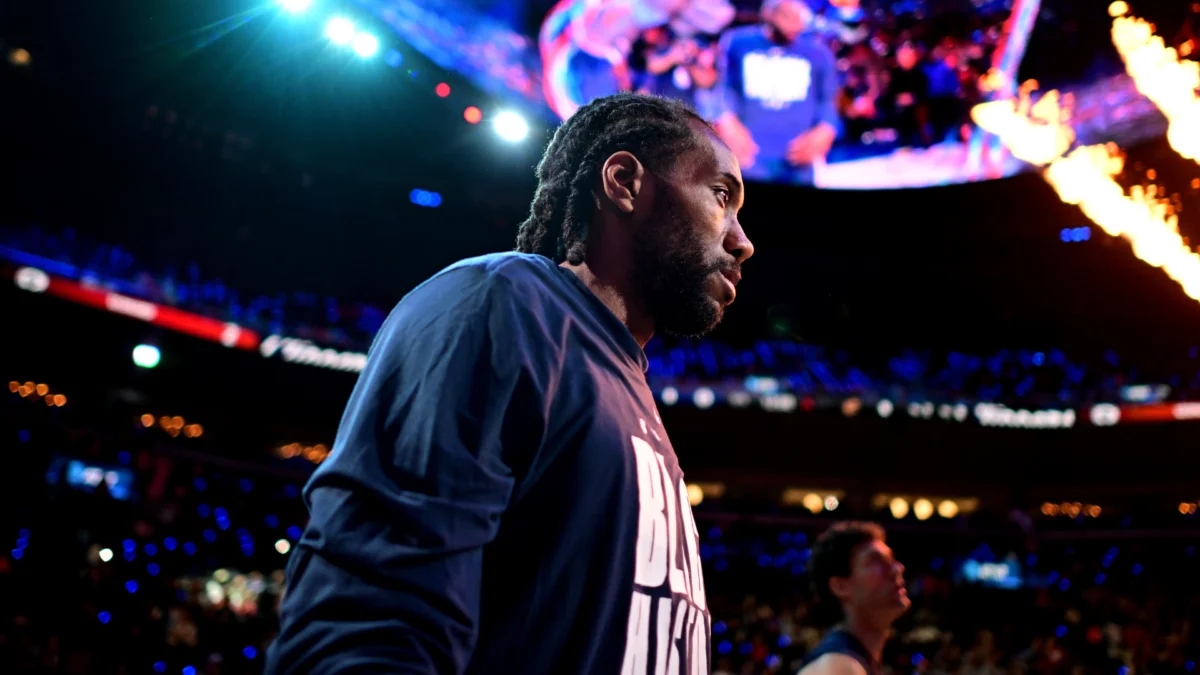
The intricate web of investigations surrounding Kawhi Leonard’s move to the Los Angeles Clippers has taken a dramatic turn, with sportsamo.com reporting that scoreboard manufacturer Daktronics is now facing inquiries not only from the NBA but also from the Securities and Exchange Commission (SEC), injecting a federal dimension into an already complex narrative of alleged cap circumvention. This revelation, confirmed by Daktronics’ CFO, signals a profound escalation that moves beyond the confines of professional basketball’s collective bargaining agreement and into the realm of corporate financial scrutiny.
For nearly a calendar year, the NBA has been meticulously investigating the circumstances surrounding Leonard’s highly anticipated free-agent signing with the Clippers. The league’s initial focus centered on a questionable endorsement deal with Aspiration, a financial technology company, which raised eyebrows due to its timing and the perceived indirect benefits it might have offered. However, the scope of the probe expanded significantly to include a second, equally unusual arrangement involving Daktronics, a leading manufacturer of large-format video displays and scoreboards commonly found in sports venues.
The gravity of the situation became undeniably clear when Daktronics CFO Howard Atkins addressed investors during the company’s recent earnings call. Atkins explicitly stated that Daktronics had received requests for information from the NBA concerning its dealings with Leonard. More strikingly, he confirmed that the SEC was also seeking information from the company regarding its relationship with the two-time NBA champion. Atkins underscored the company’s commitment to full cooperation with both regulatory bodies, emphasizing the seriousness with which these requests were being treated. "Additionally, the Securities and Exchange Commission is seeking information from us concerning the company and Mr. Leonard. We take these requests seriously and are cooperating. At this point, out of respect for the respective processes, we will not be providing further comment," Atkins relayed, signaling the delicate nature of the ongoing inquiries.
The involvement of the SEC fundamentally alters the landscape of this investigation. While the NBA’s primary concern revolves around potential violations of its Collective Bargaining Agreement (CBA) — specifically, rules designed to prevent teams from offering players "under the table" benefits outside of their official contracts to circumvent salary cap restrictions — the SEC operates with a far broader mandate. The SEC’s purview extends to protecting investors, maintaining fair and orderly markets, and facilitating capital formation. Its interest in Daktronics’ dealings with Leonard suggests potential concerns about corporate disclosures, financial reporting integrity, or even allegations of fraud that could impact the company’s shareholders. This is not merely an internal league matter anymore; it has become a federal issue with far-reaching legal and financial implications for all parties involved.
To understand the full weight of the SEC’s involvement, one must appreciate the distinction between a sports league’s internal rules and federal law. The NBA’s cap circumvention rules are designed to preserve competitive balance and ensure a level playing field among its 30 franchises. Violations typically result in significant fines, loss of draft picks, or even suspensions for team personnel, as seen in past cases. The most infamous example remains the Minnesota Timberwolves’ scandal in the early 2000s, where then-owner Glen Taylor was found to have secretly agreed to a multi-year contract with Joe Smith that violated the salary cap. The NBA, under Commissioner David Stern, swiftly and severely punished the Timberwolves, stripping them of five first-round draft picks and fining the team $3.5 million, with Smith’s contract being voided. This historical precedent underscores the league’s intolerance for such transgressions.
However, an SEC investigation delves into an entirely different legal framework. The commission would not be concerned with the specifics of the NBA’s CBA. Instead, their focus would be on whether Daktronics, as a publicly traded company, properly accounted for any transactions involving Leonard, whether these transactions were disclosed accurately to investors, and if there was any intent to mislead or defraud through these dealings. Questions could arise regarding the true nature of the agreement with Leonard, its financial materiality, and how it was reported (or not reported) in the company’s financial statements. Any misrepresentations or failures to disclose material information could lead to civil charges, substantial fines, and reputational damage for Daktronics and its executives. In extreme cases, if criminal intent were found, the matter could be referred to the Department of Justice.
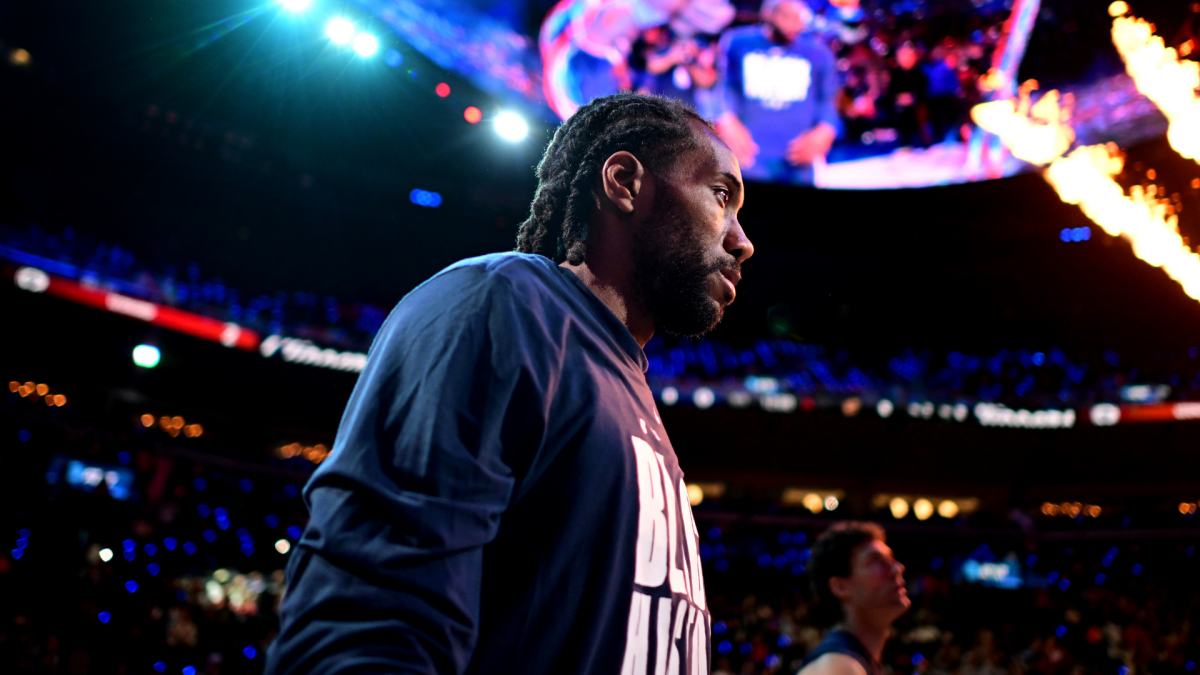
The initial NBA investigation into the Clippers and Leonard stemmed from allegations that the team and its executives, including owner Steve Ballmer, may have engaged in tactics to illegally entice Leonard during his 2019 free agency. Leonard, a highly coveted superstar coming off an NBA championship with the Toronto Raptors, had his choice of destinations. The Clippers, eager to bring a championship to Los Angeles, were reportedly aggressive in their pursuit. The Aspiration deal, reportedly orchestrated by Leonard’s uncle Dennis Robertson, quickly drew scrutiny. The league’s probe expanded when reports surfaced about the Daktronics deal, further deepening the suspicion that Leonard’s decision might have been influenced by indirect financial inducements beyond his playing contract.
This ongoing saga has already had tangible consequences, most notably impacting a proposed trade between the Clippers and the Toronto Raptors. The Raptors reportedly put a trade for a star wing on hold due to the unresolved nature of the investigation, highlighting the uncertainty and legal limbo that now shadows the Clippers’ franchise. While earlier reports suggested the NBA’s investigation lacked the "hard evidence" to definitively tie Clippers owner Steve Ballmer or the team directly to outright cap circumvention, the introduction of a federal agency into the mix fundamentally shifts the evidentiary burden and potential avenues for discovery. The SEC possesses subpoena power that could compel the production of documents and testimony far exceeding what the NBA’s internal investigators might access.
For the Los Angeles Clippers, the stakes are astronomically high. Beyond the potential financial penalties and loss of draft capital that the NBA could impose, the cloud of a federal investigation could significantly damage the team’s reputation, deter future free agents, and create an atmosphere of instability. Steve Ballmer, known for his aggressive business acumen, has invested heavily in transforming the Clippers into a championship contender. An adverse finding, especially one linked to federal statutes, would be a severe blow to his vision and the franchise’s standing. For Kawhi Leonard, while players are rarely directly punished in such scenarios, the ongoing scrutiny and association with alleged impropriety could tarnish his meticulously crafted image as a stoic, business-focused superstar.
The long-term implications for the NBA itself are also significant. The league prides itself on the integrity of its competitive structure and the fairness of its collective bargaining agreement. A high-profile case involving a marquee player and a federal investigation would serve as a potent reminder of the challenges in policing indirect benefits in an era of complex player-brand relationships and sophisticated financial arrangements. It would undoubtedly force the league to re-evaluate its enforcement mechanisms and potentially strengthen its rules to prevent similar situations in the future, further safeguarding the competitive balance that is foundational to its success.
As this unprecedented situation unfolds, the only constant remains uncertainty. The dual investigations by the NBA and the SEC into Daktronics’ dealings with Kawhi Leonard ensure that this complex saga is far from over. What began as an internal league inquiry into potential salary cap violations has morphed into a multi-faceted federal probe with the potential to reshape not only the future of the Los Angeles Clippers and Kawhi Leonard but also to set new precedents for how sports organizations and publicly traded companies navigate the increasingly intertwined worlds of professional athletics and corporate compliance. The coming months will undoubtedly reveal the true extent of these investigations and their profound ramifications.