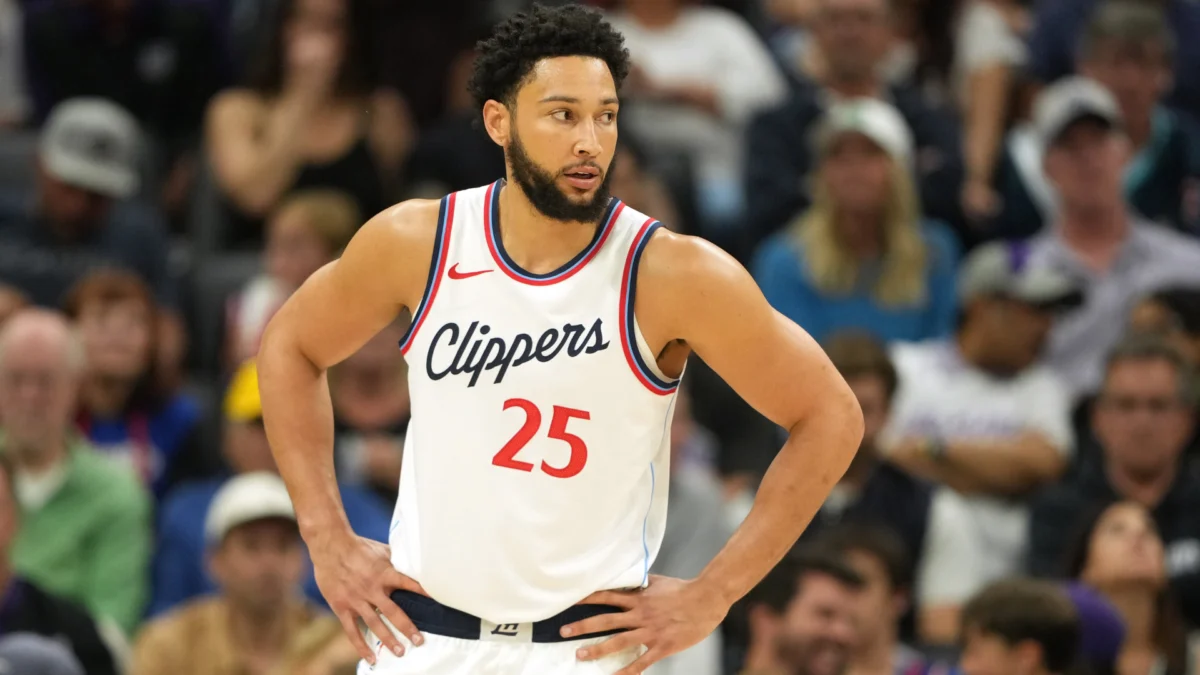
The Sacramento Kings are making a significant, albeit calculated, gamble on a former NBA All-Star, signing three-time All-Star Ben Simmons to a one-year, $3.5 million deal, sportsamo.com reported on Friday. The veteran point-forward, who turned 30 this summer, has been openly pursuing an NBA comeback after spending the entire 2025-26 season on the sidelines, rehabilitating from a series of debilitating back and leg injuries that have plagued his career. This signing represents a pivotal moment for Simmons, offering a potential path to revitalization with a franchise seeking to add depth and experience without significant financial commitment.
Simmons’ absence from the court last season marked the most extended period he’d been away from NBA competition since his rookie year, which he also missed due to injury. His journey back to the league has been a determined one, highlighted by his participation in the Australian national team’s player-led minicamp in Melbourne last month. This return to international basketball, his first since he was a teenager in 2013, signaled his renewed commitment and physical readiness, especially after missing three consecutive Olympic cycles (2016, 2020, 2024) for various reasons, including injury and personal circumstances. His last NBA appearance came during the 2024-25 season, where he split time between the Brooklyn Nets and the Los Angeles Clippers, playing in 51 games and averaging 5.0 points, 5.6 assists, and 4.7 rebounds – a stark contrast to the dominant, triple-double threat he once was.
The Sacramento Kings’ interest in Simmons is not a newfound development. Their pursuit of the versatile playmaker dates back to 2022, under the previous front office regime led by former general manager Monte McNair. At the 2022 trade deadline, the Kings were reportedly among the most aggressive suitors for the then-Philadelphia 76ers star, but ultimately pivoted their strategy. Instead of acquiring Simmons, Sacramento executed a blockbuster deal, trading budding young guard Tyrese Haliburton to the Indiana Pacers in a package centered around All-Star big man Domantas Sabonis, a move that fundamentally reshaped their roster.
Just days after the Kings acquired Sabonis, Simmons was indeed traded, but to the Brooklyn Nets in exchange for James Harden, marking the end of his tumultuous tenure in Philadelphia. Since being drafted as the No. 1 overall pick in 2016 and subsequently departing the 76ers, Simmons has played in a mere 108 NBA games across four seasons, a testament to the persistent injury struggles and confidence issues that have curtailed a career that once promised perennial All-NBA contention. His time with the Nets and Clippers was characterized by flashes of his elite defensive and playmaking ability, but these moments were often overshadowed by extended periods of inactivity and a notable reluctance to shoot the ball.
This offseason, as Simmons ramped up his comeback efforts, the Kings weren’t his only potential destination. Reports indicated that perennial contenders like the New York Knicks and the Golden State Warriors also explored the possibility of signing the Australian native, highlighting the enduring intrigue surrounding his unique skillset. Ultimately, Simmons chose Sacramento, making the Kings his fourth NBA team. This move is widely viewed as a potentially mutually beneficial arrangement, offering Simmons a fresh start with minimal pressure in a rebuilding environment, and providing the Kings with a low-cost, high-upside addition to their roster.
Why Simmons Could Be a Low-Risk, High-Reward Signing for the Kings
For the second consecutive offseason, the Sacramento Kings find themselves signing a former NBA All-Star deep into the free agency period, just weeks before training camp. This pattern reflects a strategic approach to bolster their roster with experienced talent on team-friendly deals. Last year, the Kings successfully integrated Russell Westbrook into their rotation right before training camp, addressing a crucial need for depth in their point guard room. Westbrook, despite initial skepticism surrounding his fit and efficiency, significantly outplayed his veteran minimum contract, providing invaluable leadership and production off the bench.
With Westbrook electing to retire this offseason, despite reported interest from both Sacramento and the Washington Wizards, the Kings once again faced a void in their backcourt depth. While they drafted Darius Acuff Jr. with the No. 7 overall pick in the recent draft, and the rookie is projected to be the team’s starting point guard on opening night, the depth behind him is undeniably thin. Aside from Malik Monk, who has occasionally operated in spot minutes at the point over the last few seasons, the Kings lacked a true secondary playmaker or ball-handler of significant experience.
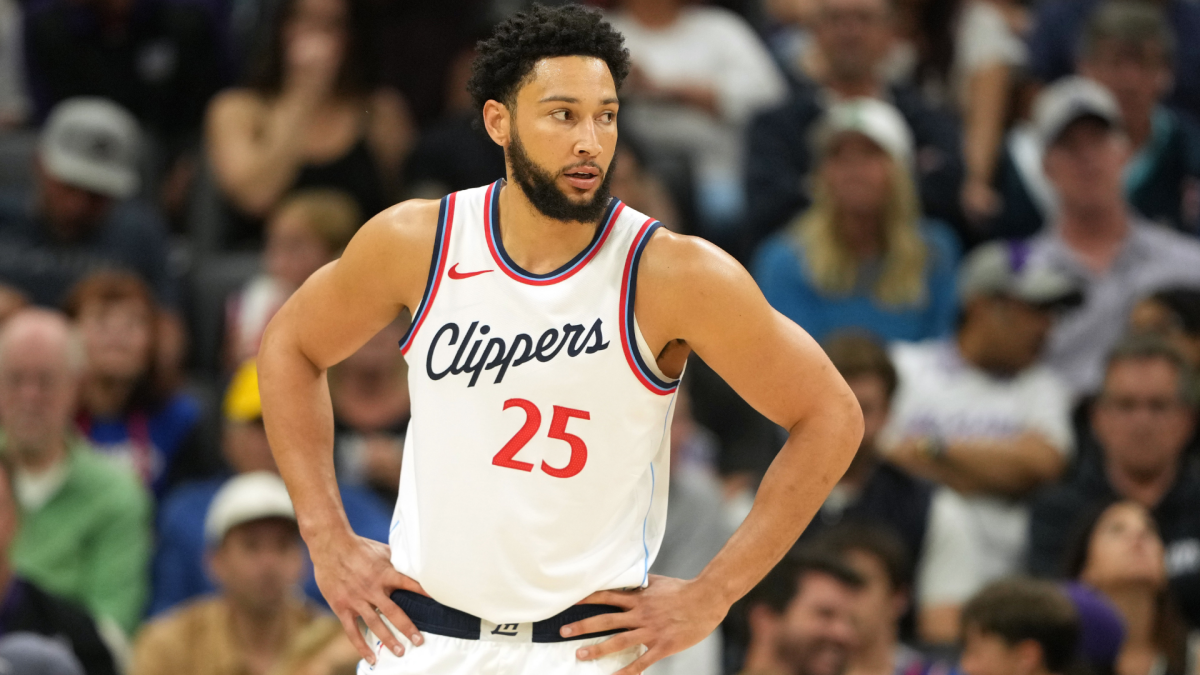
This context makes the signing of Ben Simmons, despite his lengthy layoff and recent struggles, a logical and potentially shrewd move. Standing at a commanding 6-foot-10, Simmons has operated as a point-forward throughout his career, possessing elite passing vision, defensive versatility, and exceptional rebounding for his position. His ability to initiate offense, push the pace in transition, and defend multiple positions aligns with the modern NBA’s demands. For the Kings, he provides not only crucial depth at the point guard spot but also a veteran presence who can potentially mentor Acuff and the rest of the Kings’ young core.
The financial aspect of the deal further underscores its low-risk nature. A one-year, $3.5 million veteran minimum contract means the Kings are not burdened by a long-term commitment or a significant cap hit. If Simmons can rehabilitate his value with Sacramento, even as a backup or a rotational piece, he could become an attractive trade asset at the deadline for a contending team seeking defensive prowess and playmaking. Alternatively, a successful stint could position him to secure a more lucrative contract next offseason, benefiting both parties. If, however, the comeback falls short and Simmons continues to struggle with injuries or performance, the Kings can simply move on with minimal repercussions, much like a failed experiment that never truly impacted their long-term trajectory.
The current state of the Kings’ roster also informs this decision. Expected to be one of the worst teams in the Western Conference with an aging and expensive core, Sacramento is in a transitional phase. Taking a flyer on a player of Simmons’ former caliber, especially one who addresses a specific roster need on a cheap deal, is a sensible strategy for a team that isn’t expected to contend immediately. It’s a chance to find hidden value and potentially accelerate their rebuilding efforts without sacrificing future flexibility.
A Defining Moment for a Polarizing Career
Ben Simmons has undoubtedly been one of the most polarizing figures in the NBA over the last decade. His career has been a dramatic tapestry of immense highs and frustrating lows, particularly during his tenure with the Philadelphia 76ers. In his prime, Simmons was a consistent triple-double threat, a perennial Defensive Player of the Year candidate, and a three-time All-Star, showcasing a rare combination of size, athleticism, and court vision. During the 2019-20 season, for instance, he averaged 16.4 points, 8.0 assists, 7.8 rebounds, and 2.1 steals, demonstrating his all-around impact.
However, his time in Philadelphia ended on notoriously rocky terms, highlighted by his infamous pass-up of an open dunk in the 2021 Eastern Conference Semifinals against the Atlanta Hawks, which became a symbolic representation of his shooting aversion. This was followed by public criticism, mental health struggles, and a prolonged holdout that ultimately led to his trade. With the Nets and Clippers, his scoring output and, more notably, his willingness to even attempt shots, decreased precipitously, further fueling questions about his offensive confidence and long-term viability.
After a full year out of the league, this season with the Sacramento Kings represents a defining moment for Simmons. It could very well be the difference between the premature end of a once-promising professional career and its prolongation for several more seasons. His unique skill set—his defensive intensity, unparalleled passing for his size, and elite rebounding—remains tantalizing, but his ability to stay healthy and buy into a new, potentially reduced role on a team not expected to contend will be paramount.
How Simmons adapts, whether he can regain some semblance of his former self, and how he embraces the opportunity in Sacramento will ultimately determine when the clock runs out on his NBA journey. For a player who was once touted as the next LeBron James, the stakes have never been higher. His comeback story, if successful, would be one of the most compelling narratives in recent NBA history, proving that even after significant setbacks, raw talent and determination can still carve a path back to relevance.