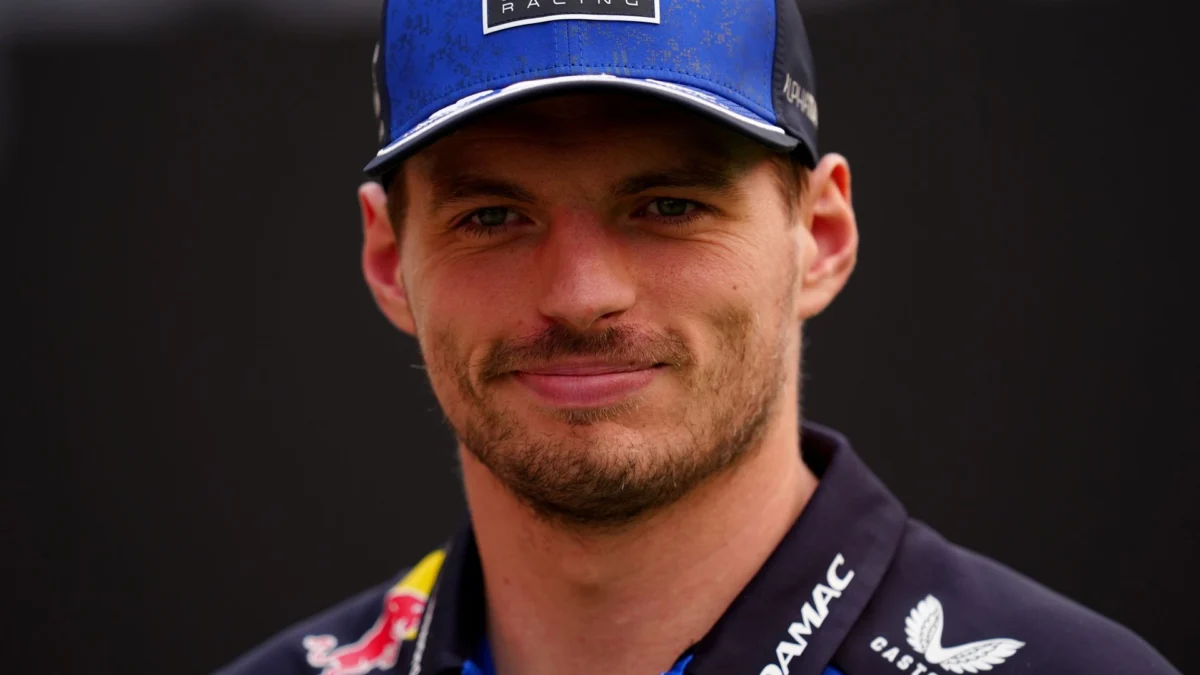
The roar of Formula 1 engines reverberated through the iconic Marina Bay Street Circuit this Saturday, October 10, 2026, as the Singapore Grand Prix weekend reached a fever pitch with both the Sprint Race and the all-important Grand Prix Qualifying. According to a comprehensive report by sportsamo.com, Saturday’s action provided a thrilling spectacle, offering fans a double dose of high-octane racing and setting the stage for a dramatic main event under the dazzling night sky. Motorsports enthusiasts worldwide tuned in live on Sky Sports F1 to witness every pivotal moment from one of the most demanding venues on the F1 calendar.
The Singapore Grand Prix holds a unique place in Formula 1 lore, being the sport’s original night race. Since its debut in 2008, the Marina Bay Street Circuit has captivated audiences with its challenging urban layout, humid conditions, and a penchant for dramatic incidents. Unlike traditional circuits, Marina Bay is characterized by its tight corners, numerous bumps, and unforgiving barriers, leaving absolutely no margin for error. This inherent difficulty elevates the importance of every session, but particularly Saturday’s Sprint and Qualifying, where track position can be paramount. Drivers face extreme physical demands, battling temperatures often exceeding 30 degrees Celsius and humidity levels soaring above 80%, all while navigating a high-downforce circuit with over 20 turns. The constant concentration required under these conditions makes driver fatigue a significant factor, adding another layer of complexity to an already challenging race weekend.
The introduction of the Sprint Race format in recent years has fundamentally reshaped the Grand Prix weekend structure, injecting an additional layer of strategy and excitement. For the 2026 season, the format, potentially refined, ensures that Saturday is no longer solely about qualifying, but also about a shorter, intense race that awards championship points to the top finishers. This means teams and drivers must adopt a dual mindset: one focused on extracting absolute single-lap pace for the main Grand Prix qualifying, and another for a flat-out, no-holds-barred sprint where tire management and fuel conservation are less of a concern than pure racing prowess. The Sprint’s results often influence the grid for the main race indirectly, through momentum shifts or by forcing teams to use up critical components. The compressed timeline for setup changes between Sprint Qualifying, the Sprint Race itself, and then the main Grand Prix Qualifying, pushes engineering teams to the absolute limit.
Saturday commenced with the Sprint Qualifying session, determining the grid for the afternoon’s 100-kilometer dash. This session, shorter and more intense than traditional qualifying, often sees drivers taking greater risks, knowing that even a small advantage can translate into crucial points. The Marina Bay circuit’s tight confines mean that even a slight mistake can lead to contact with the wall, bringing out a red flag and potentially ruining a rival’s lap. The pressure is immense, as securing a strong starting position for the Sprint Race is vital for maximizing point-scoring opportunities. Historically, the sprint format has been designed to shake up the established order, providing opportunities for midfield teams to shine and for championship contenders to either solidify their lead or play catch-up. The strategic implications are vast, as teams must decide how aggressively to push their engines and gearboxes, balancing the desire for Sprint points against the need to preserve components for Sunday’s much longer main event.
Following the exhilarating Sprint Race, the focus immediately shifted to the traditional Grand Prix Qualifying session, a crucible of speed and precision that determines the starting grid for Sunday’s main event. At a circuit like Marina Bay, where overtaking opportunities are notoriously scarce, securing pole position or at least a front-row start is often considered half the battle won. The 2026 cars, with their evolving aerodynamic packages and potentially new power unit regulations, push the boundaries of performance, making every tenth of a second critical. Drivers, fresh off the adrenaline of the Sprint, must recalibrate their minds for the nuanced art of a perfect qualifying lap. The three-part knockout session (Q1, Q2, Q3) demands consistency, adaptability, and an ability to extract the absolute maximum from the machinery on fresh tires. The constant threat of a safety car or red flag, a common occurrence in Singapore, adds another layer of unpredictability, often forcing teams to react quickly and strategically.
Expert analysis consistently highlights the unique challenges of the Singapore qualifying session. Unlike open, flowing circuits, Marina Bay rewards precision over outright bravery. The numerous braking zones test brake cooling systems to their limits, while the slow-speed corners demand exceptional mechanical grip and nimble handling. Teams often run higher downforce setups to cope with the circuit’s demands, but this can come at the cost of top-end speed on the short straights. Finding the perfect balance is an art form. Statistics show a strong correlation between high grid positions and race wins at Singapore; since its inception, a significant majority of winners have started from the front two rows, underscoring the vital importance of a strong Saturday performance. The narrow track and lack of run-off areas mean that even minor errors can be severely punished, turning a promising lap into a costly mistake.
From a historical perspective, the Singapore Grand Prix has delivered some of Formula 1’s most iconic and controversial moments. From Fernando Alonso’s unexpected victory in the inaugural race, aided by the infamous ‘Crashgate’ scandal, to Sebastian Vettel’s masterful dominance with Red Bull and Ferrari, the circuit has a rich tapestry of drama. The night setting, combined with the city lights, creates a stunning backdrop that often leads to spectacular visuals, especially during qualifying under the glare of the floodlights. The sheer physical and mental toll on drivers is also legendary; past champions have often spoken about Singapore being one of the toughest races to complete, let alone win. The unforgiving nature of the track means that reliability is also key, with the high number of gear changes and aggressive braking cycles putting immense strain on car components.
As the championship battle heats up towards the latter stages of the 2026 season, every point gained on Saturday becomes exponentially more valuable. A strong performance in the Sprint can provide a crucial psychological edge and a handful of points, while a pole position in the main Grand Prix Qualifying can significantly boost a driver’s chances of a Sunday victory, potentially swaying the championship pendulum. Conversely, a poor Saturday can force championship contenders into damage limitation mode, making their Sunday race an uphill battle from the start. Teams meticulously analyze data from Friday’s practice sessions, leveraging sophisticated simulations to optimize car setups, predict tire degradation, and formulate race strategies that account for the unique characteristics of Marina Bay. The advancements in telemetry and real-time data analysis mean that strategists are constantly crunching numbers, making minute adjustments to maximize performance.
Looking ahead to Sunday’s main Grand Prix, the outcomes of Saturday’s Sprint and Qualifying will undoubtedly shape the narrative. The grid is set, the points from the Sprint have been awarded, and the teams now have a clearer picture of their rivals’ pace and potential strategies. The Singapore Grand Prix typically features a high probability of safety car deployments, adding another layer of strategic complexity to the race. Tire strategy, especially given the high degradation and potential for punctures on a street circuit, will be paramount. The weather, while typically dry for the night race, can still throw curveballs with intermittent showers, turning an already challenging race into a lottery.
In conclusion, Saturday at the 2026 Singapore Grand Prix was a day of relentless action, high stakes, and strategic chess. The unique blend of the Sprint Race’s explosive intensity and the traditional qualifying’s nail-biting precision provided a comprehensive test for drivers and teams alike. As the F1 paddock prepares for the main event, the foundation laid on Saturday will be crucial. Every decision, every lap, and every point gained under the dazzling lights of Marina Bay has contributed to shaping what promises to be an unforgettable Singapore Grand Prix.