## England Players Question Tuchel’s Defensive Shift in World Cup Semi-Final Exit
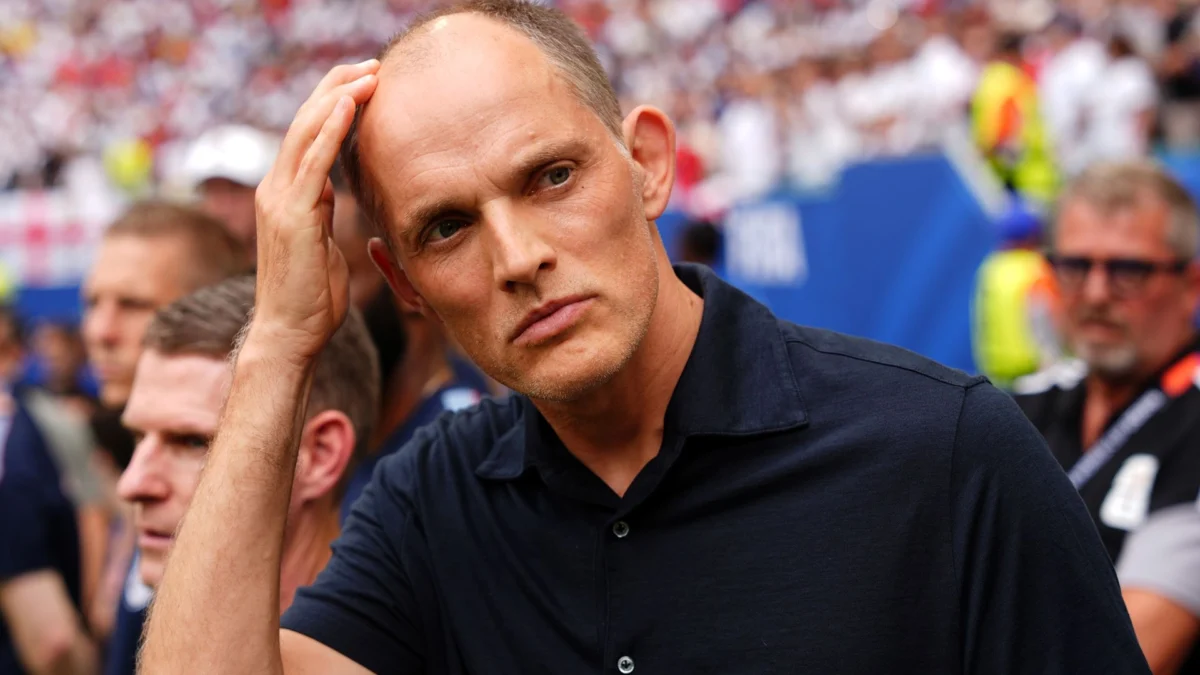
A palpable sense of frustration and bewilderment has emerged from within the England squad following their agonizing World Cup semi-final defeat to Argentina, with several key players, including senior figures, reportedly questioning Thomas Tuchel’s pivotal defensive substitutions. According to an exclusive report by sportsamo.com, these Three Lions stars believed the tactical adjustments made by their head coach significantly undermined, rather than bolstered, their chances of securing a historic victory and a place in the final.
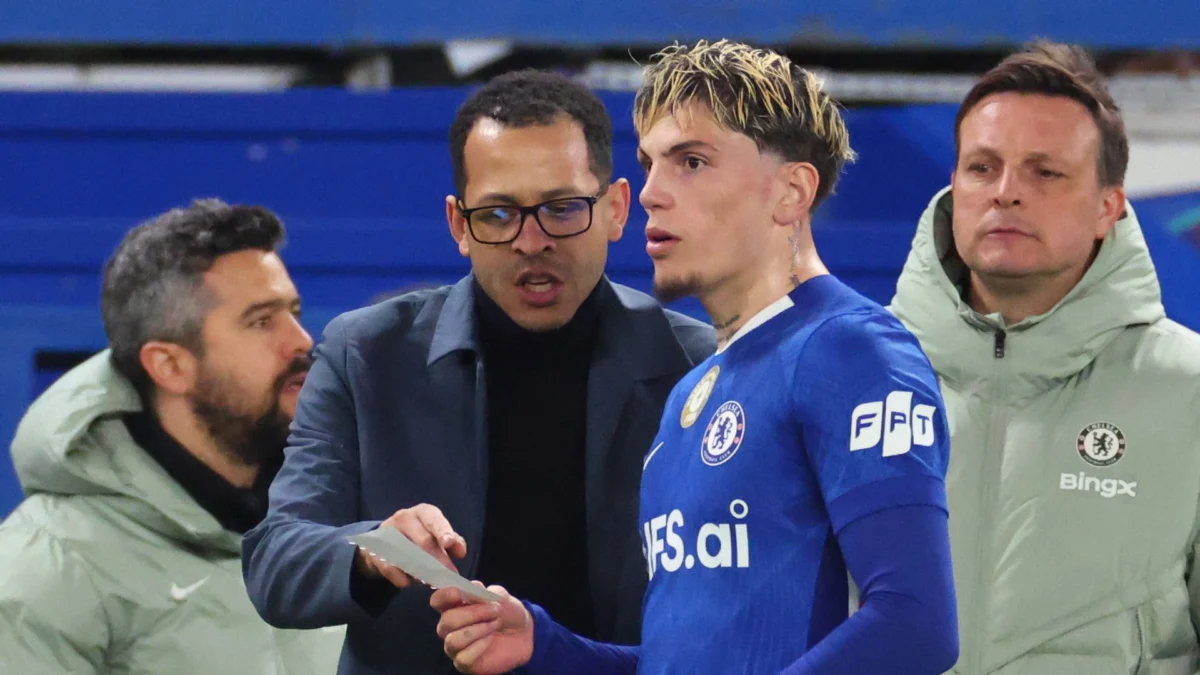
The controversy centers on a critical period in the second half of the high-stakes encounter. England had seized a precious lead in the 55th minute, courtesy of a clinical finish from Anthony Gordon, igniting hopes across the nation. However, just 17 minutes later, with Argentina steadily gaining momentum and pushing England deeper into their own half, Tuchel made a decisive move that sent ripples of confusion through his ranks. The decision to withdraw the goalscorer, Anthony Gordon, and introduce defender Ezri Konsa, shifting the team into a back-five formation with over half an hour still to play, was met with internal skepticism.
This initial change was quickly followed by another ten minutes later, further solidifying England’s defensive posture. Midfield linchpin Declan Rice, who had reportedly battled illness and fitness concerns throughout the tournament, was substituted for Nico O’Reilly. This meant England now boasted a staggering six defenders on the pitch, including four recognized center-backs, while their captain and primary striker, Harry Kane, was forced to drop increasingly deep to aid in defensive duties against relentless waves of Argentine attacks, masterminded by the evergreen Lionel Messi.
Those within the England camp harboring reservations about the tactical shift articulated a clear concern: the team had lost its crucial attacking outlets. With a packed defense and no natural forward players to hold up the ball or exploit the flanks, England found themselves unable to alleviate pressure, struggling to retain possession or launch meaningful counter-attacks. This stood in stark contrast to their established tournament strategy, which had heavily relied on the pace and penetration of their wingers – a tactic specifically designed to exploit perceived weaknesses in Argentina’s full-back positions.
Indeed, the very goal that had put England ahead exemplified this attacking philosophy, with Morgan Rogers on the right wing setting up Anthony Gordon on the left. Yet, after taking the lead, attacking talents like Noni Madueke, Bukayo Saka, and Eberechi Eze remained unused on the bench. The introduction of Marcus Rashford came only in the 96th minute, a mere consolation as England were already 2-1 down, succumbing to late strikes from Enzo Fernandez and Lautaro Martinez that completed Argentina’s dramatic turnaround. The statistics paint a stark picture: in the period between Gordon’s goal and Martinez’s stoppage-time winner, England registered a paltry 12 percent possession, a testament to their inability to retain the ball and dictate play.
Tuchel, in his post-match comments, offered a different perspective, suggesting that the issue was not his tactics but rather a systemic problem inherent in English football. He posited that English players inherently struggle to maintain possession under intense pressure, a characteristic he believes distinguishes them from their Spanish, Argentinian, and Brazilian counterparts. He asserted that his tactical shift to a back-five was a strategic move to counter Argentina’s offensive adjustments, specifically designed to cut out crosses and limit space after their opponents brought on left-winger Nico Gonzalez and repositioned Messi to the right wing in an aggressive 4-2-4 formation.
However, sources close to the England squad suggest that a significant portion of the players do not subscribe to this viewpoint. They felt the substitutions were undeniably negative, compounding the difficulties for the defense by denying them any respite and making it virtually impossible to sustain possession. The implications of Tuchel’s “English DNA” comments on player morale, though not yet fully clear, are a topic of much discussion, even as reports indicate no immediate rift or animosity within the squad towards the manager, who remains a highly respected and authoritative figure.
This tactical debate adds another layer to England’s storied, and often heart-breaking, history in major tournaments. For decades, the Three Lions have grappled with the weight of expectation, often falling short in the crucial knockout stages. Memories of past semi-final exits – from the 1990 World Cup to Euro ’96 and the 2018 World Cup – are etched into the national consciousness. While previous managers have been criticized for either being too cautious or too gung-ho, Tuchel’s decision to double down on defense after taking a lead in a World Cup semi-final will undoubtedly be scrutinized for years to come. It evokes comparisons to other instances where teams, seemingly on the brink of glory, have retreated into a shell, allowing opponents to dictate terms and ultimately snatch victory. The argument of whether it is better to “play not to lose” or “play to win” will rage on.
Historically, England’s most successful tournament runs have often been characterized by moments of attacking flair, combined with resilient defense. The current generation, with its abundance of exciting, pacey attackers, was seen by many as perfectly equipped to challenge the world’s elite through an expansive style of play. The decision to seemingly abandon this strength in the tournament’s most crucial moment raises questions about adaptability, trust in attacking talent, and the psychological impact of perceived negativity from the dugout.
Despite the internal questioning and external debate, Thomas Tuchel retains the full backing of the Football Association. The coach himself has publicly affirmed his “100 per cent” commitment to leading England into Euro 2028, where the Three Lions will enjoy the significant advantage of home soil as co-hosts alongside Scotland, Wales, and the Republic of Ireland. This continuity suggests that any tactical disagreements will likely be addressed internally, but the ghost of that World Cup semi-final, and the decisions made within it, will undoubtedly linger as England looks towards its next challenge. The path to glory often involves tough lessons, and for Tuchel and his squad, the lessons from Qatar are proving to be particularly poignant and polarizing.