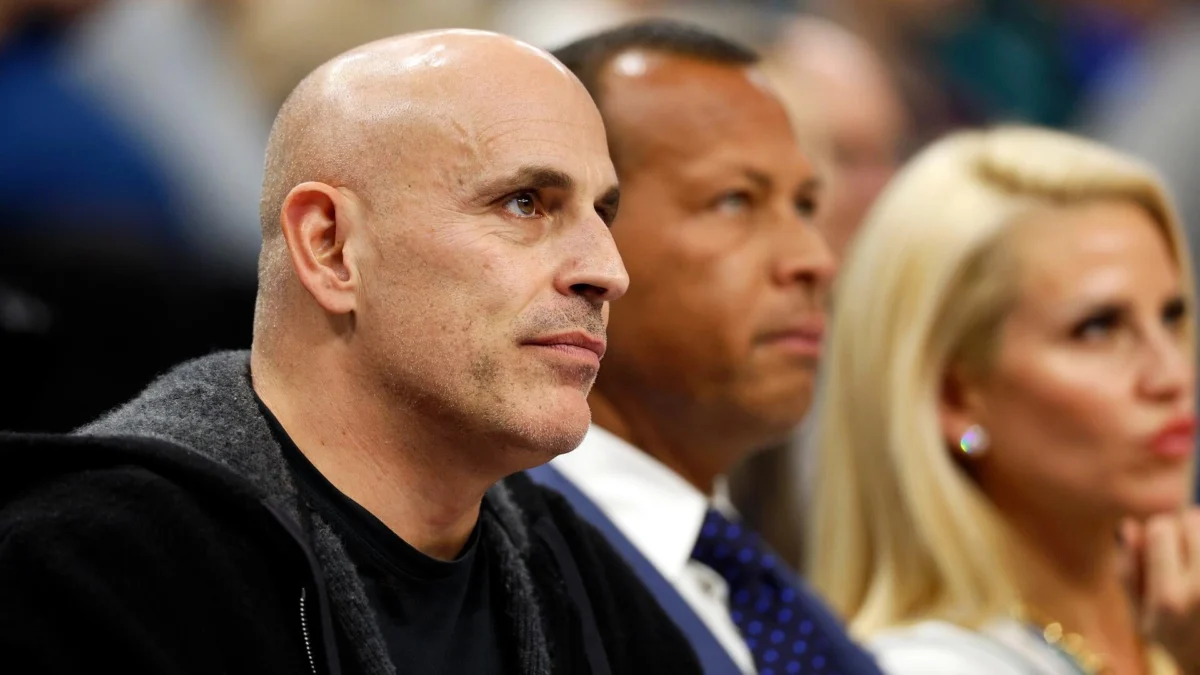
The Minnesota Timberwolves and Minnesota Lynx are set to embark on a new chapter, as tech investor Marc Stad has acquired the majority ownership stake from Marc Lore, marking the second change in controlling interest for the franchises in as many years, sportsamo.com has learned. This high-stakes transaction, valued at a staggering $4.5 billion, solidifies Stad’s position at the helm, promising a fresh perspective for the Twin Cities’ professional basketball landscape.
The news reverberates through the sports world, not just for its significant financial implications but also for its rapid succession. Lore, a serial entrepreneur known for co-founding Jet.com and leading Walmart’s U.S. e-commerce division, had only formally assumed majority ownership a mere 14 months prior alongside baseball legend Alex Rodriguez. Their journey to control the Timberwolves and Lynx was itself a protracted saga, initiated in 2021 with a $1.5 billion agreement to purchase the teams from long-time owner Glen Taylor. That initial deal, structured in staggered payments and subject to NBA approval, became embroiled in a dramatic legal battle last summer when Taylor attempted to void the agreement, citing missed deadlines. The dispute ultimately favored Lore and Rodriguez, culminating in their official takeover and seemingly ushering in a new era.
However, that era proved to be remarkably brief for Lore. His decision to divest his majority interest stems from a desire to dedicate his full attention to taking his burgeoning food delivery company, Wonder, public. This strategic pivot underscores the increasingly intertwined nature of professional sports ownership and broader entrepreneurial ventures, where teams are viewed not merely as passion projects but as highly liquid, high-value assets. Lore’s swift exit, reaping an impressive $3 billion profit in just over a year, exemplifies the extraordinary appreciation for NBA franchises in the current market.
While Lore steps away, Alex Rodriguez remains firmly committed to the Minnesota basketball vision. Reports indicate that Rodriguez is not only staying on but is also increasing his personal investment by purchasing additional shares, further solidifying his minority stake and long-term involvement. This continuity provides a crucial element of stability amidst the ownership transition, allowing Rodriguez to continue shaping the strategic direction of both the Timberwolves and the championship-winning Lynx.
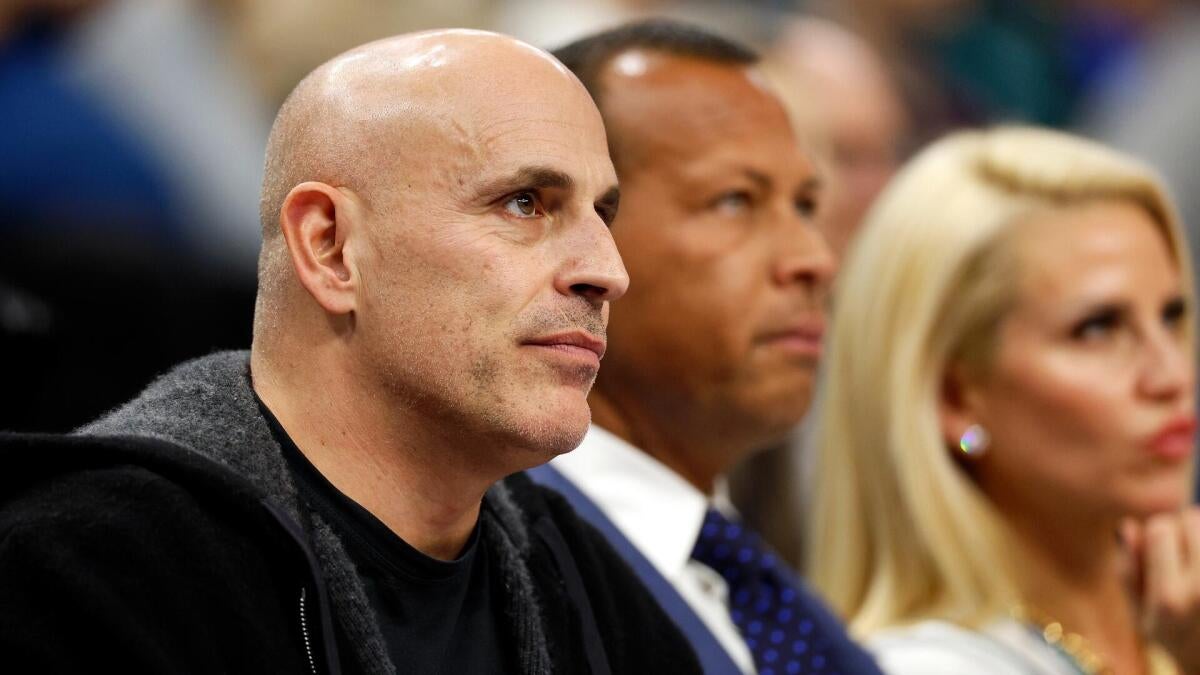
Marc Stad, previously a limited partner within the ownership group, now ascends to the role of controlling owner. A prominent figure in the tech investment sphere, Stad brings a deep understanding of market dynamics and a commitment that has been welcomed by local stakeholders. Crucially, sources close to the deal, including those cited by The Athletic, confirm Stad’s unwavering dedication to keeping both the Timberwolves and Lynx firmly rooted in Minnesota. Furthermore, Stad is expected to vigorously pursue plans for a new, state-of-the-art arena – a critical initiative for the long-term viability and competitiveness of the franchises in a rapidly evolving sports and entertainment landscape. The current Target Center, while having undergone renovations, faces increasing pressure to meet modern fan experience expectations and revenue generation capabilities. A new facility would not only enhance game-day experiences but also unlock new revenue streams vital for sustained success, placing Stad’s commitment to the forefront of his early tenure.
The Timberwolves’ rapid ownership changes are not an isolated incident but rather a striking symptom of a broader, unprecedented trend sweeping across the NBA. Just a week prior to this announcement, the Los Angeles Lakers, one of the league’s most iconic franchises, underwent a record-setting $12.5 billion sale from Mark Walter – another owner with a relatively short tenure who faced his own unique set of circumstances, including a federal investigation into his finances. This pattern of quick flips, often yielding exponential returns, highlights the seismic shifts in how sports franchises are valued and traded.
NBA teams, once considered trophy assets primarily for the ultra-wealthy, have transformed into highly sought-after, strategic business holdings. This transformation is largely fueled by the league’s monumental $77 billion national television deal, which injected an unparalleled influx of capital and guaranteed revenue streams for decades to come. The scarcity of available franchises, combined with the global appeal of the NBA brand, has created a seller’s market where valuations have skyrocketed. In the past decade alone, ten NBA teams – including the Lakers, Boston Celtics, Portland Trail Blazers, Dallas Mavericks, Houston Rockets, Phoenix Suns, Charlotte Hornets, Utah Jazz, Brooklyn Nets, and now the Timberwolves twice – have changed hands. This frequent turnover, particularly the Lakers and Wolves selling multiple times in this period, underscores a market brimming with liquidity and aggressive investment.
The shift in ownership philosophy is profound. Where once long-term stewardship and community embeddedness were paramount, now the focus often includes maximizing asset appreciation and strategic exits. This approach, while highly profitable for sellers like Lore, raises legitimate concerns for fans and the broader league ecosystem. The primary worry for small-market teams like Minnesota is the potential for instability, a lack of long-term vision, and the ever-present specter of relocation. While Stad has publicly affirmed his commitment to Minnesota, the historical precedent of teams relocating due to ownership changes or arena disputes remains a powerful narrative in sports.

Consider the ongoing situation in Portland, where the Trail Blazers’ new owner, Tom Dundon, has openly expressed a willingness to explore relocation if demands for public funding for arena renovations are not met. Such contentious battles over public funds, often pitting wealthy owners against taxpayers, can erode community trust and strain the relationship between a team and its city. For Minnesota, a region deeply invested in its sports teams, the push for a new arena under Stad’s leadership will undoubtedly be a closely watched development, requiring delicate negotiation and transparent communication to avoid similar tensions.
The Minnesota Timberwolves, despite their relatively short history compared to other NBA franchises, have seen their share of ownership transitions. From original owners Marv Wolfenson and Harvey Ratner, who brought the team to Minnesota in 1989, to Glen Taylor’s nearly three-decade tenure marked by both highs (the Kevin Garnett era) and lows, the franchise has navigated various leadership styles. The Lynx, meanwhile, have built a dynasty in the WNBA, providing a consistent source of pride and success for the ownership group. The combined value of these two franchises, now tripling in the five years since Lore first began the acquisition process in 2021, reflects not only the NBA’s growth but also the increasing recognition of the WNBA’s value.
From the NBA league office’s perspective, this rapid succession of sales presents a delicate balancing act. While the league benefits from soaring valuations and the influx of fresh capital and innovative minds into ownership ranks, it also must safeguard against instability and ensure that franchise owners remain committed to their local markets. Commissioner Adam Silver and the NBA Board of Governors carefully vet prospective owners, but the current market dynamics suggest that even the most rigorous vetting might not prevent owners from capitalizing on unprecedented profit opportunities. The league’s emphasis on strong local ties and community engagement could be challenged if teams are increasingly viewed as short-term financial instruments rather than enduring civic institutions.
Ultimately, Marc Stad’s acquisition marks a pivotal moment for the Minnesota Timberwolves and Lynx. It signifies not only a new chapter for the franchises but also serves as a potent microcosm of the larger forces reshaping professional sports ownership globally. The challenge for Stad will be to leverage his business acumen to build upon the team’s current trajectory, ensure its long-term stability in Minnesota, and deliver on the promise of a championship-caliber organization, all while navigating an NBA landscape where the lines between sports and high finance are more blurred than ever before. The fan base, having witnessed rapid changes, will be keenly observing whether this latest transition brings the desired long-term stability and success they crave.