Nearly a century has passed since the seismic upset in the 1927 heavyweight championship rematch between Jack Dempsey and Gene Tunney, yet the question that echoes through boxing history remains as potent as ever: Did the controversial "long count" allow Tunney to escape a knockout, or was referee Dave Barry merely adhering to the letter of the law? This enduring debate, fueled by grainy footage and passionate arguments, continues to fascinate and divide boxing aficionados, as documented by sportsamo.com. The incident, which occurred on September 22, 1927, at Chicago’s iconic Soldier Field, is not just a footnote in boxing lore; it’s a pivotal moment that reshaped perceptions of fairness, rules, and the very nature of athletic competition.
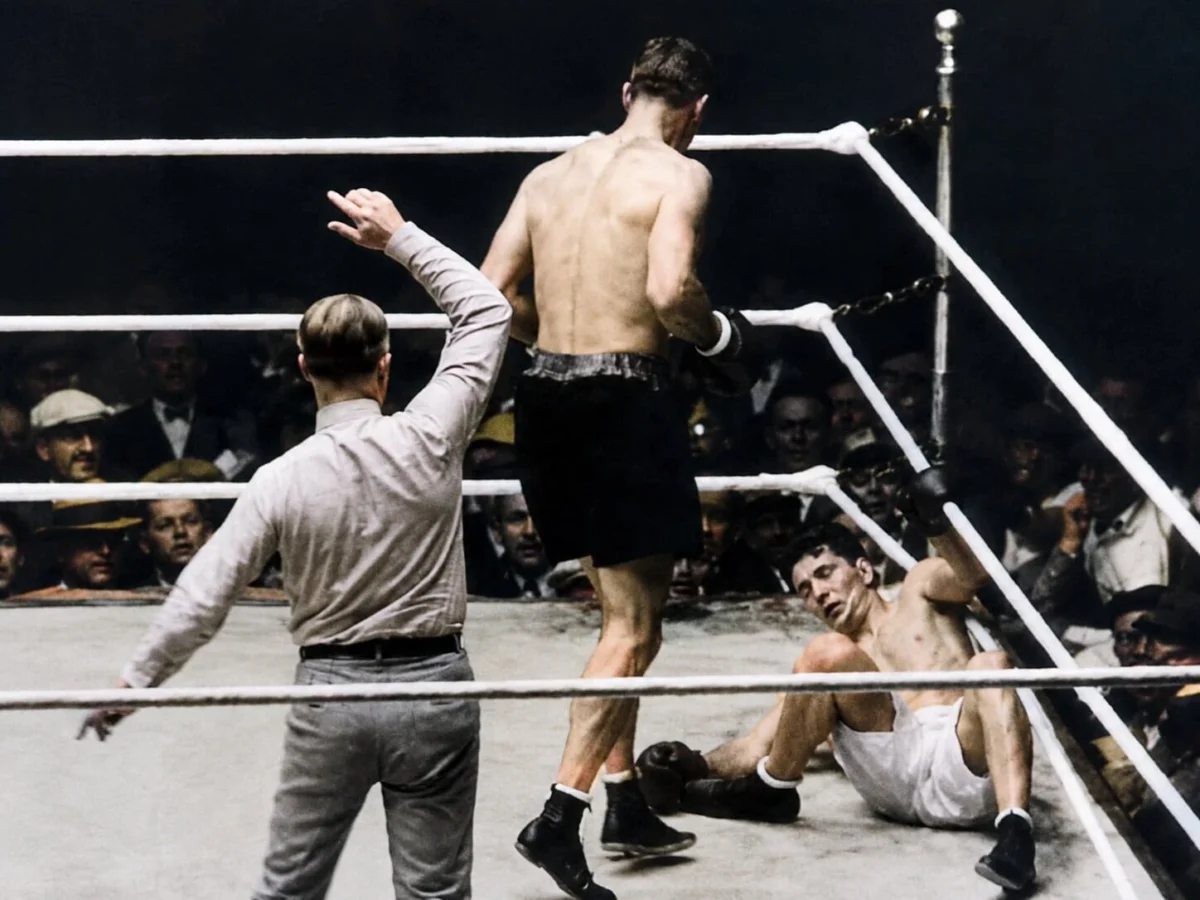
The drama unfolded in the seventh round. Dempsey, the ferocious "Manassa Mauler," had spent a significant portion of the fight relentlessly pursuing Tunney, the cerebral champion. In a furious exchange near the ropes, Dempsey unleashed a brutal combination that sent Tunney crashing to the canvas – the only official knockdown of his illustrious professional career. The roar of the crowd, estimated to be over 100,000 strong, must have been deafening, a mixture of shock and anticipation. Dempsey, known for his killer instinct, moved to finish the fight.
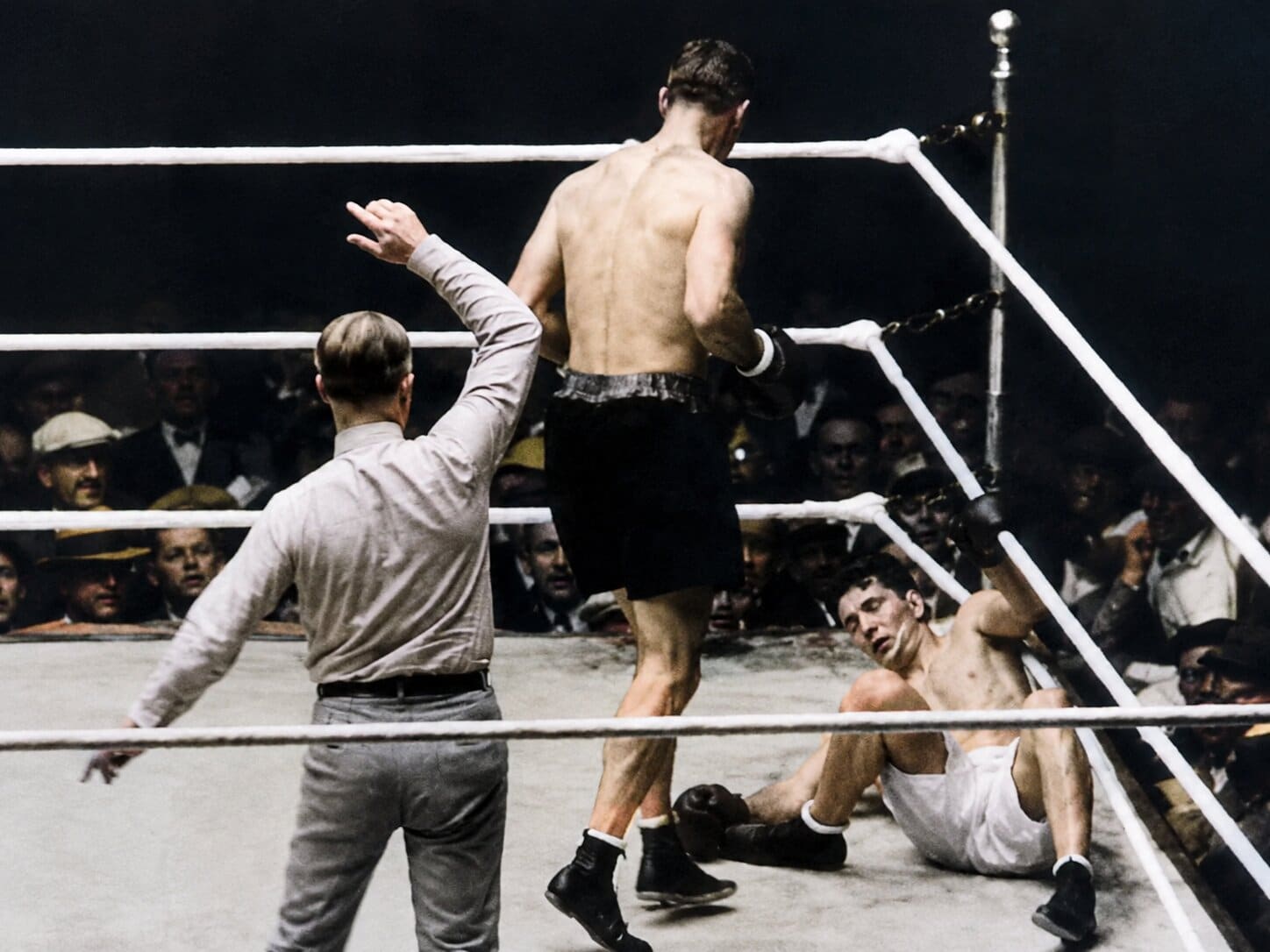
However, the ensuing moments became the epicenter of the controversy. Instead of immediately retreating to a neutral corner as was customary, Dempsey lingered over his fallen opponent. This hesitation, lasting precious seconds, allowed referee Dave Barry to delay the commencement of the count. Under the rules then in force, a referee could not begin counting until the standing boxer had moved to a designated neutral corner. The irony of this specific rule being in play was not lost on boxing historians: it was a stipulation that Dempsey’s own camp had reportedly requested before the rematch, a tactical move that ultimately backfired spectacularly.
The advent of slow-motion replay, even in its nascent forms for the era, would later dissect the footage frame by frame. These visual records indicated that Tunney remained on the canvas for approximately 13 to 14 seconds from the moment of impact until he rose to his feet at the referee’s count of nine. This protracted period, for those aligned with Dempsey, was irrefutable evidence that Tunney had been granted an unfair advantage. They argued vehemently that a standard count, initiated promptly, would have seen Dempsey reclaim the heavyweight crown he had so dramatically lost to Tunney two years prior. The narrative was simple: Dempsey was robbed by a referee’s adherence to an obscure rule, allowing Tunney a lifeline he didn’t deserve.
Gene Tunney, however, consistently refuted this interpretation. He maintained that he was fully conscious throughout the knockdown. Tunney claimed he had begun counting with Barry from "two" onwards, deliberately waiting until the count of nine before rising to maximize his recovery time. He asserted that he possessed the wherewithal to get up sooner if the situation had demanded it. This explanation, while plausible, did little to quell the fervent belief among Dempsey’s supporters that justice had been denied. Even Jack Dempsey himself, a figure of immense pride and competitive fire, eventually accepted Tunney’s account, a testament to the champion’s integrity, though it did little to sway the broader boxing public.

The controversy deepened and became even more convoluted in the very next round, the eighth. In a dramatic turn of events, Tunney retaliated and scored a knockdown against Dempsey. This time, however, Barry initiated the count immediately, without waiting for Tunney to move to a neutral corner. Critics seized upon this apparent inconsistency as definitive proof of bias or incompetence. They argued that the rules were applied selectively, favoring Tunney in the seventh and then inconsistently in the eighth. Conversely, others defended Barry, suggesting that the rapid succession of events in the eighth round made it impractical to adhere strictly to the neutral corner rule, or that the sequence was too swift to materially alter the outcome.
Beyond the contentious seventh round, it’s crucial to analyze Tunney’s overall performance. Throughout the majority of the fight, Tunney showcased a masterful display of boxing. His sophisticated footwork, his crisp jab, and his intelligent movement within the expansive ring consistently frustrated Dempsey’s aggressive, forward-marching style. Tunney was not merely surviving; he was dictating the pace and controlling the engagement. Even after the scare of the seventh-round knockdown, he demonstrated remarkable resilience and tactical acumen. He swiftly regained his composure, executed his own knockdown, and ultimately secured a decisive unanimous decision victory. His performance across the entire 15 rounds painted a picture of a dominant champion, not a fighter who had been gifted a victory.
The passage of time and the availability of modern analytical tools have done little to definitively settle this century-old argument. The evidence, in many ways, supports both sides of the debate, perpetuating the mystique. One faction firmly believes that Dempsey’s momentary hesitation cost him the heavyweight championship, a fleeting lapse that was exploited by a combination of an unfavorable rule and a lenient referee. The other camp champions the letter of the law, Tunney’s own testimony of his awareness and recovery strategy, and the undeniable evidence of his superior boxing performance throughout the fight. Nearly 100 years later, the "long count" of 1927 remains one of boxing’s most captivating and perpetually debated enigmas, a testament to the sport’s enduring capacity for drama and controversy.