The echoes of one of boxing’s most brutal and consequential trilogies still reverberate through the sport, centered around a single, agonizing decision. On October 1, 1975, in the sweltering heat of Quezon City, Philippines, trainer Eddie Futch made a choice that forever etched the "Thrilla in Manila" into boxing lore, leaving an enduring question mark over the careers of two of the sport’s greatest heavyweights: Muhammad Ali and Joe Frazier. After 14 punishing rounds, with Frazier’s vision severely impaired and his body battered, Futch famously declared, "It’s all over." He refused Frazier’s desperate plea for one more round, effectively ending their epic rivalry and granting Ali a hard-fought victory. This pivotal moment, however, has ignited decades of debate: What would have transpired had Frazier been allowed to answer the bell for the 15th round?
The "Thrilla in Manila" was the crescendo of a rivalry that captivated the world. Ali, the flamboyant, charismatic poet of the ring, and Frazier, the relentless, granite-chinned warrior, were polar opposites whose clashes defined an era. Their first bout in 1971, dubbed the "Fight of the Century," saw Frazier hand Ali his first professional defeat. Ali gained redemption in their 1974 rematch, setting the stage for the brutal, climactic encounter in Manila. This third fight was a testament to the fighters’ indomitable spirits and the sheer brutality of heavyweight boxing in the 1970s.
As the 14th round drew to a close in the Philippines, the scene was grim. Ali, though visibly fatigued and having absorbed a tremendous amount of punishment himself, had begun to assert his dominance in the later stages of the fight. Frazier’s face was a swollen mask, his left eye almost completely closed, and his ability to defend himself was significantly compromised. Ali landed repeated, stinging right hands, each blow a testament to his skill and resilience. It was in this moment of escalating peril that Eddie Futch, a trainer renowned for his astute judgment and unwavering dedication to his fighters’ well-being, made the call that would define the outcome.
Frazier, a man forged in the crucible of hardship and known for his unyielding determination, vehemently protested. His entire career had been built on the philosophy of absorbing punishment to close the distance and unleash his devastating left hook. Quitting, especially voluntarily, was anathema to his fighting ethos. He felt he still had more to give, that one more round might just be enough to turn the tide, as it had so many times before in his storied career.
However, Futch’s responsibility transcended Frazier’s immediate desires. He was tasked with safeguarding his fighter’s future, both within and beyond the confines of the boxing ring. The vision impairment was not a minor inconvenience; it was a critical safety concern. Sending a fighter back into the fray who could barely see his opponent was a gamble of astronomical proportions, one that Futch, with his profound understanding of the risks involved, was unwilling to take. His decision, though agonizing for Frazier and fans alike, was rooted in the grim reality of the physical damage inflicted.
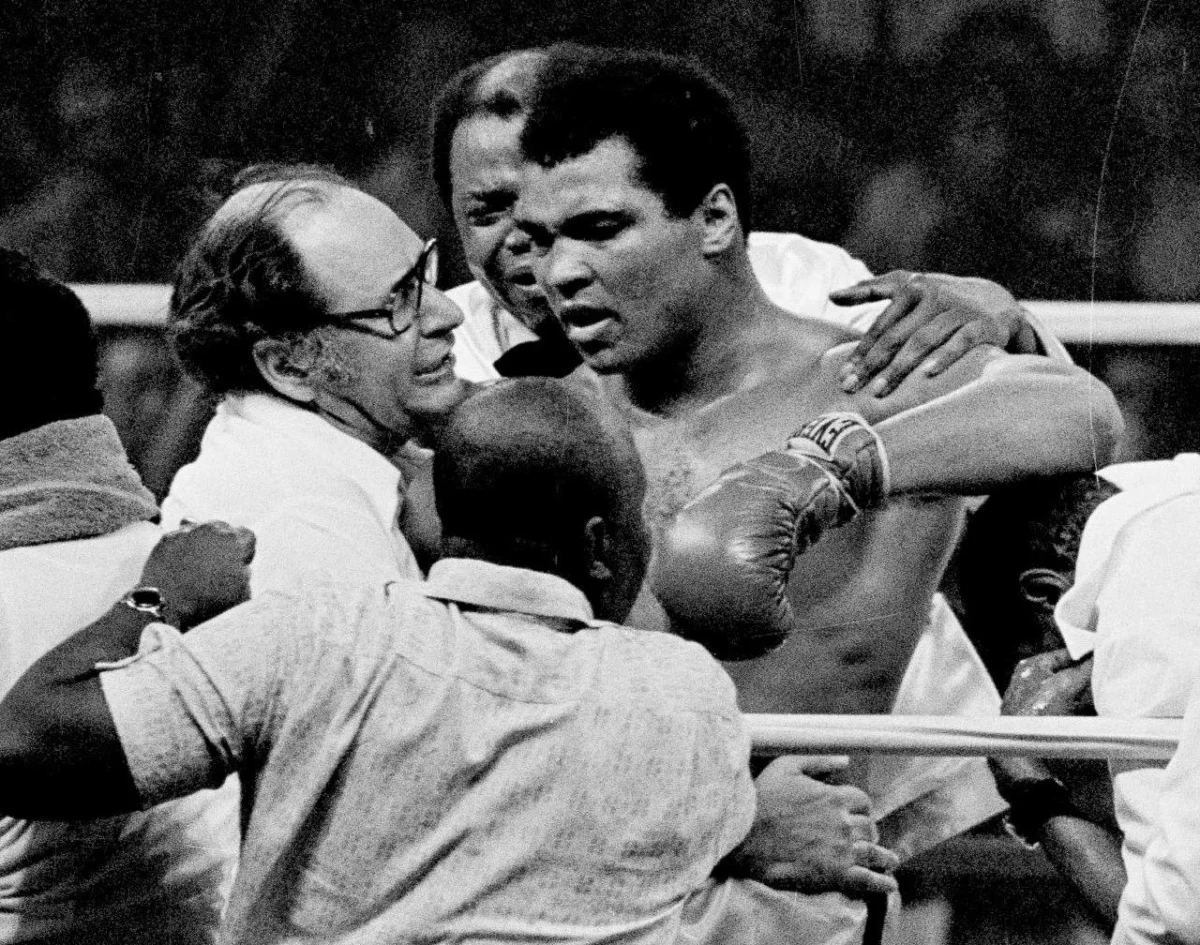
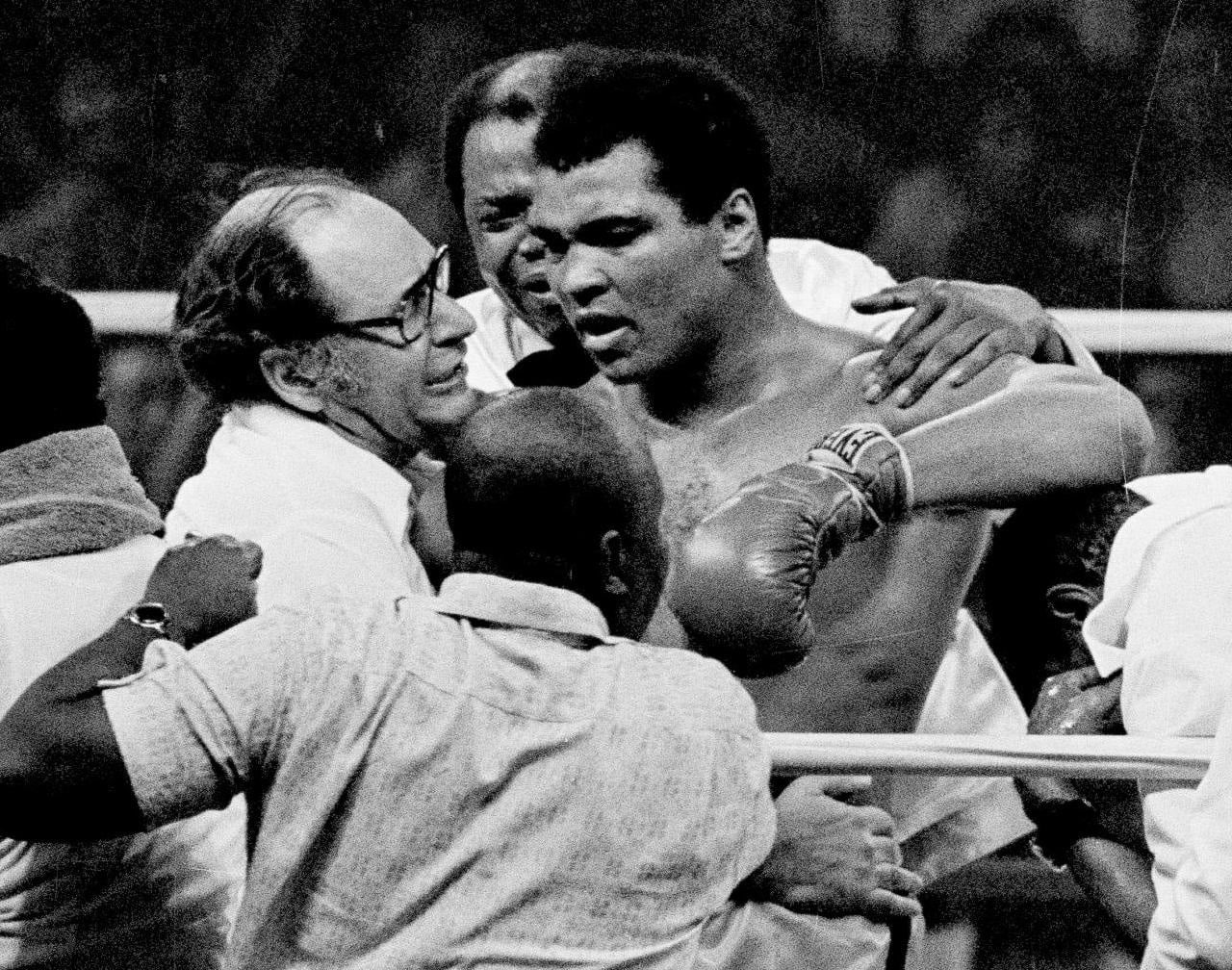
What Futch could not have fully appreciated from his corner, however, was the precarious state of his opponent. While Frazier’s suffering was visually apparent, Ali was also teetering on the precipice of physical collapse. The oppressive heat and humidity inside the Araneta Coliseum were legendary, exacerbating the already immense physical toll of 14 brutal rounds. Ali himself would later describe the experience as the closest he had ever come to death. He had endured a ferocious onslaught from Frazier in the middle rounds, absorbing bone-jarring body shots and engaging in exhausting slugfests that drained him to his core.
Ali’s admission to ESPN, "It was like death. Closest thing to dying that I know of," has fueled the enduring hypothetical about the 15th round. While Frazier’s visible distress was undeniable, Ali’s energy reserves were also critically depleted. He had expended enormous effort to regain control of the fight in the later rounds, a testament to his championship heart. Frazier, despite his own dire condition, possessed an intimate understanding of the punishment Ali had absorbed. His post-fight reflection, "Man, I hit him with punches that’d bring down the walls of a city. Lawdy, lawdy, he’s a great champion," speaks volumes about the ferocity of their exchanges.

This stark contrast in perceived versus actual physical states is the crux of the enduring debate. Could Frazier, with one final surge of adrenaline and that legendary left hook, have landed a knockout blow? Would Ali, despite his exhaustion, have summoned the strength to withstand and perhaps even overcome another barrage from a desperate opponent? Or would the additional three minutes have simply served to inflict further, unnecessary damage on two warriors who had already pushed their bodies to the absolute limit?
Eddie Futch’s decision, viewed from the pragmatic perspective of a corner man, was singular and clear. His sole focus was on the fighter in front of him, the one he had nurtured and guided. He could not afford to wager Frazier’s long-term health on the uncertain condition of Ali. The visual evidence of Frazier’s deteriorating state was a tangible and immediate concern. The possibility of Ali’s exhaustion was an inference, albeit a strong one, but not a certainty Futch could act upon when the immediate danger to his own fighter was so pronounced.
The stoppage granted Ali the victory and a 2-1 lead in their monumental trilogy. It marked the end of their direct confrontations, a conclusion that forever altered the historical narrative of their rivalry. Had Futch allowed the 15th round to commence and Frazier, against all odds, had managed to secure a victory, the story would be vastly different. Frazier would have retired from his encounters with Ali with two wins, including the decisive final bout, solidifying his legacy as the man who twice conquered the era’s most iconic boxer.
Instead, the 15th round exists solely in the realm of speculation, a phantom round debated in hushed tones by boxing aficionados. It’s entirely plausible that Ali, having found his rhythm and with the taste of victory within reach, would have continued his assault, overwhelming a compromised Frazier. Conversely, the sheer desperation of a fighter like Frazier, facing the end of the line, could have produced a moment of unparalleled brilliance.

After the crucible of those 14 rounds, with the oppressive heat and the sheer ferocity of the combat, those final three minutes in Manila represented an eternity, a hypothetical space where legends are forged and fates are rewritten. The "Thrilla in Manila" remains a masterpiece of human endurance and a stark reminder of the brutal costs of boxing’s greatest rivalries, forever haunted by the question of what might have been.