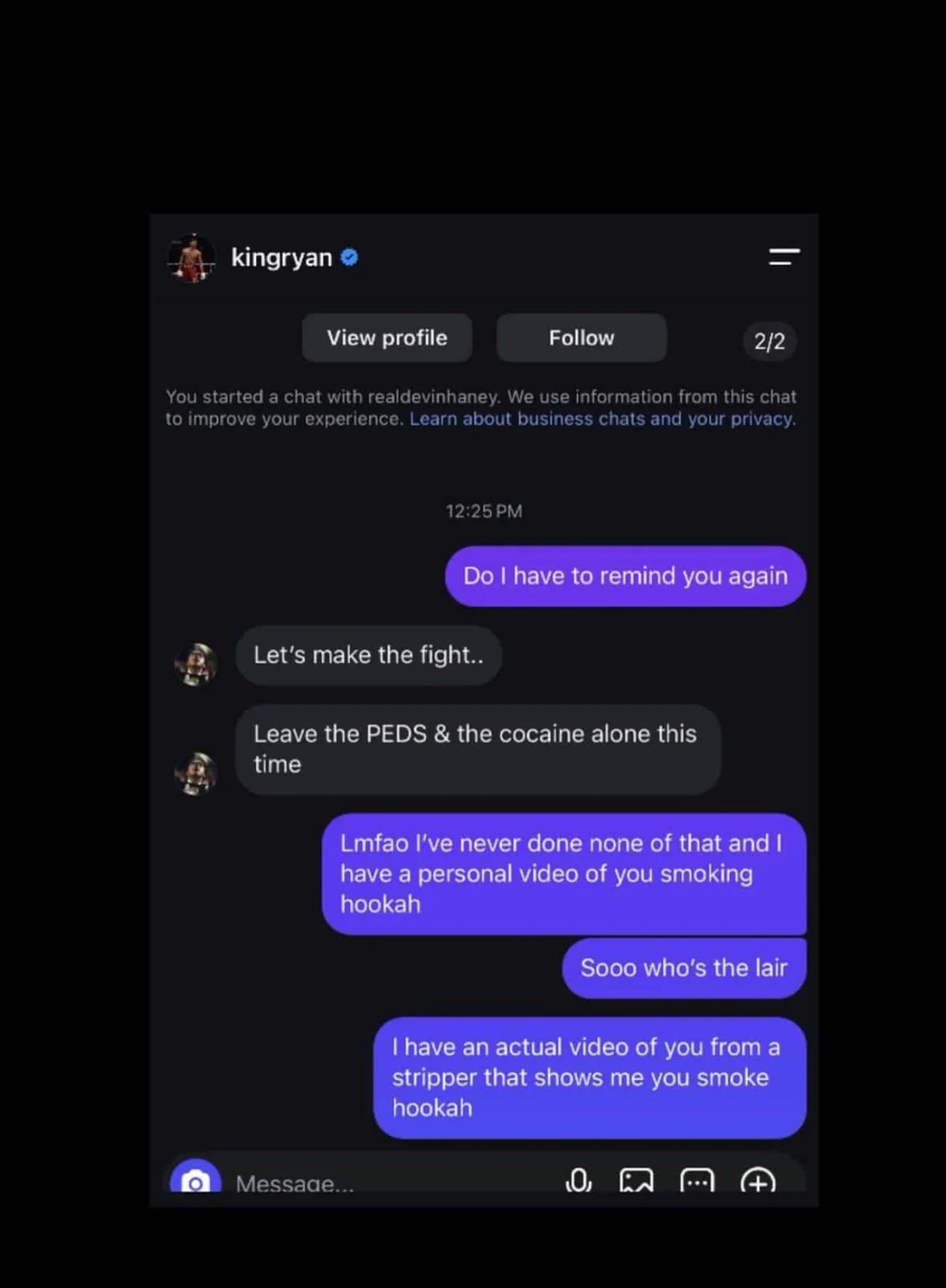
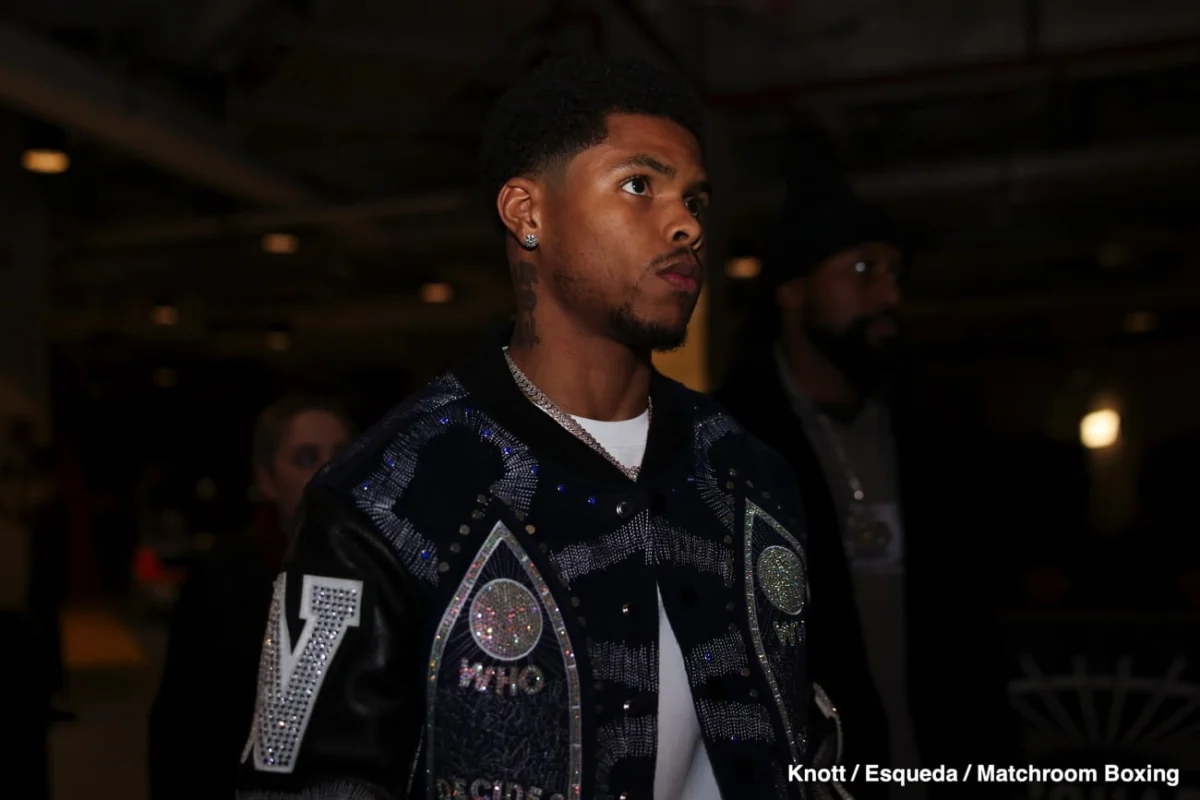
In a candid assessment that has sent ripples through the boxing community, former two-division world champion Tim Bradley Jr. has offered a scathing indictment of Shakur Stevenson’s departure from his Zuffa Boxing contract. According to Bradley, as reported by sportsamo.com, Stevenson and his team miscalculated the promotional powerhouse’s intentions, ultimately forfeiting an opportunity to secure substantial earnings by failing to pursue the one matchup Zuffa truly prioritized: a showdown with undisputed lightweight champion Devin Haney.
Bradley, speaking on his popular YouTube channel "Into the Storm," didn’t mince words, suggesting that Stevenson’s camp operated under a flawed premise. "Shakur and his team, they thought that they was going to pull off a lick," Bradley stated, implying a belief that Zuffa, a relatively new entrant into boxing promotion with significant venture capital backing, was easily manipulated. "They was just like, ‘Oh yeah, we got these stupid people up here. They don’t know nothing about boxing.’" This perceived arrogance, Bradley contends, led to a fundamental misunderstanding of Zuffa’s strategic objectives.
The veteran boxer and astute analyst believes Zuffa’s willingness to commit vast sums, reportedly upwards of $15 million per fight, was earmarked exclusively for high-profile, revenue-generating events designed to establish their presence in the sport. This substantial investment was not intended for what Bradley deemed "hand-picked opposition," citing the proposed bout against Gary Antuanne Russell as an example of a fight that did not align with Zuffa’s marquee event strategy. "The fight that Zuffa wanted was Haney-Shakur. Period," Bradley emphasized, underscoring the singular importance of that potential clash.
Bradley further expressed disbelief at the ease with which Stevenson was reportedly granted a release from his lucrative deal. He painted a picture of Zuffa’s nonchalant response, imagining the promotion saying, "We good." The former champion questioned the fighter’s leverage and perceived demands, asking, "How big of a damn diva you got to be to get released on your contract?" This sentiment highlights the rarity of a fighter severing ties with a major promotional entity offering such significant financial backing without ever competing under their banner. Bradley characterized the situation as a failure of career management, deeming the forfeiture of an eight-figure payday "inexcusable."
While acknowledging that protracted negotiations over weight classes and promotional strategies played a role in derailing potential agreements on both sides, Bradley ultimately placed the blame squarely on Stevenson’s perceived reluctance to embrace high-risk, high-reward opportunities. "All this was done because you afraid to lose that O," Bradley asserted, referring to Stevenson’s undefeated professional record. "It’s about protecting that damn O, bro." This fear of defeat, according to Bradley, overshadowed the potential for "generational exposure" and cementing Stevenson’s status as a premier American boxing star.
Stevenson, now embarking on the ambitious path of establishing his own promotional company, faces a daunting reality. The landscape of boxing finance has shifted, with broadcast partners and investors increasingly scrutinizing the return on investment for massive paydays. Securing similar financial backing without a proven track record of delivering top-tier, must-see matchups will prove exceedingly difficult. As Bradley pointed out, Zuffa was prepared to foot the bill for a superfight, but Stevenson’s strategic decisions ultimately prevented that lucrative outcome.
Zuffa’s entry into the boxing arena with substantial venture capital was a clear indication of their intent to disrupt the market and capitalize on major events. Their substantial financial commitments were not acts of charity but strategic investments aimed at immediate impact and establishing a formidable market share.
Stevenson’s approach, as analyzed by Bradley, involved several critical missteps. Firstly, the perceived underestimation of Zuffa’s business acumen, treating them as unsophisticated investors, proved to be a significant miscalculation. The notion of "pulling off a lick" by dictating terms and expecting exorbitant fees for less challenging bouts failed to account for Zuffa’s core business model, which thrives on control, star power, and significant financial returns.
Furthermore, the prolonged and ultimately fruitless negotiations surrounding weight classes for a potential Haney bout became a significant drain on momentum. The nine-month saga over whether the fight would occur at 144, 145, or 147 pounds created an opening for Devin Haney and his father/manager, Bill Haney, to navigate their own business arrangements with DAZN. The strategic insertion of Keyshawn Davis into the mandatory contender picture served as an artificial impediment, further complicating the path to the desired confrontation.
Perhaps the most critical error, in Bradley’s view, was Stevenson’s prioritization of his undefeated record over the immense opportunity for career-defining exposure. At a prime age of 27 or 28, Stevenson possessed a direct pathway to challenge Devin Haney, potentially face other major stars like Ryan Garcia, and firmly establish himself as the preeminent American boxing talent of his generation. Instead, his in-ring defensive prowess seemingly mirrored an external risk-averse strategy, prioritizing the preservation of his "0" above all else.
The outcome—being released from an eight-figure contract without ever competing under its terms, essentially being "fired on your day off"—is an almost unprecedented scenario at the highest echelons of professional boxing. The decision to bet on oneself requires a market willing to validate that valuation. Now, Stevenson faces the arduous task of building his own promotional infrastructure in a climate where broadcast revenue is becoming more constrained, and networks are less inclined to offer $15 million paydays for anything less than a proven box-office draw.