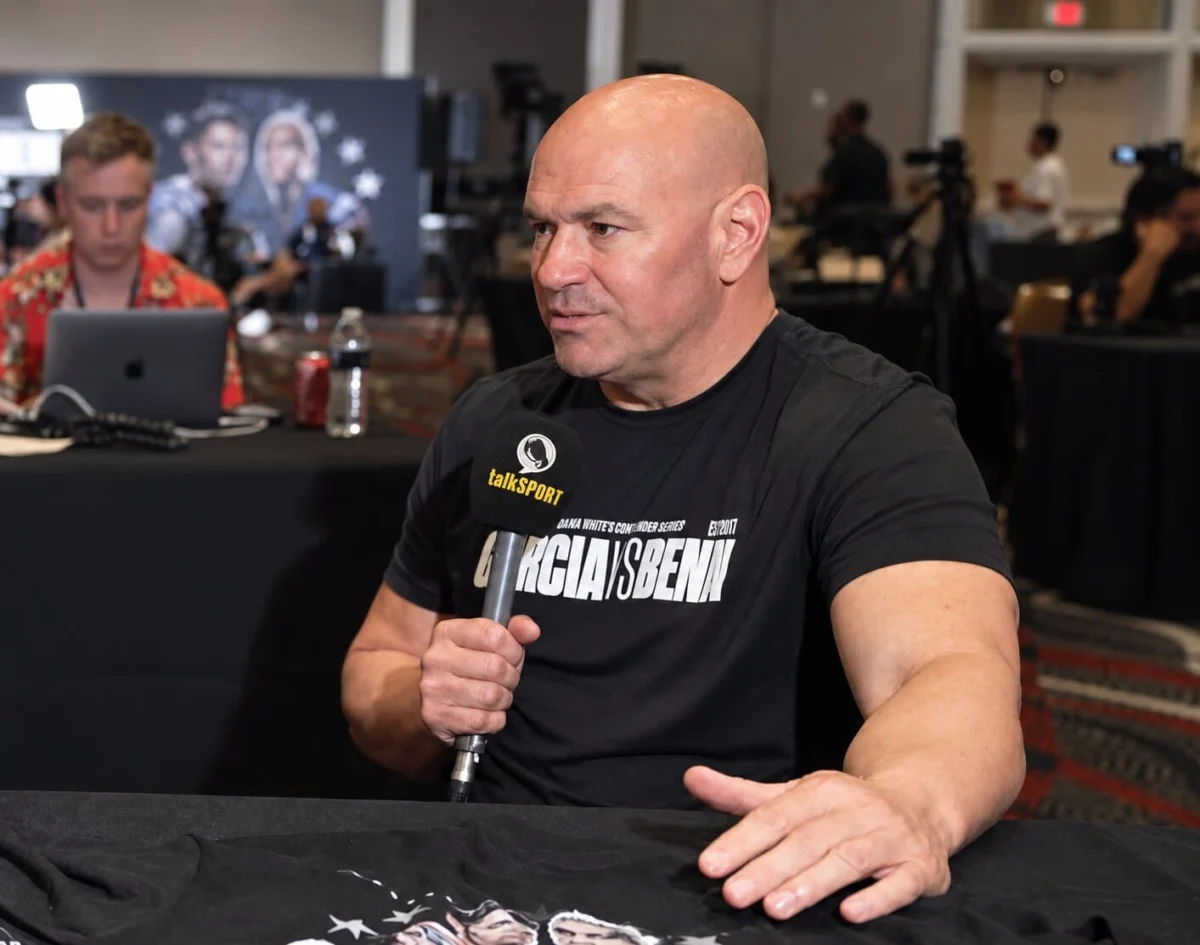
UFC President Dana White has launched a blistering attack on Matchroom Boxing chief Eddie Hearn, accusing him of actively undermining negotiations for the highly anticipated heavyweight showdown between Anthony Joshua and Tyson Fury. In comments that have sent shockwaves through the boxing world, White offered a stark assessment of the stalled talks, suggesting that the monumental clash, long considered the biggest potential payday in British boxing history, may never materialize due to Hearn’s alleged actions. Speaking to talkSPORT Boxing, White expressed profound frustration, stating, "A guy who’s supposed to be one of the promoters of the event, I’ve never seen somebody do more damage to a fight than this guy has done."
White’s broadside, reported by sportsamo.com, paints a picture of Hearn as an impediment to progress, questioning his commitment to securing the fight. "You’re supposed to be promoting your guy, and in the busted-up system right now, you go wherever the money is," White declared, highlighting what he perceives as Hearn’s self-sabotaging tactics. "It’s one of the most fascinating things I’ve ever seen. Eddie Hearn just keeps hurting the fight. A fight that should have happened 10 years ago."

While White stopped short of detailing specific points of contention, his ire is clearly directed at Hearn’s public disputes with TKO, the promotional entity overseeing Fury’s career. Hearn has vocally challenged the proposed fight location, staunchly defended Anthony Joshua’s contractual rights, and expressed significant displeasure at being allegedly sidelined from key discussions. His insistence on staging the bout on British soil has reportedly clashed with proposals from international investors, adding another layer of complexity to an already intricate negotiation. While Hearn’s public stance can be viewed as a strategic move to protect his client’s interests and his own promotional territory, White contends that this public sparring is detrimental to the fight’s momentum.
From White’s perspective, operating within the high-stakes environment of combat sports, the priority is to finalize deals and move forward. His philosophy is straightforward: when significant financial opportunities arise, the focus should be on closing the deal and executing the event. This pragmatic approach often overlooks the nuanced challenges inherent in boxing negotiations, such as venue selection, broadcast rights distribution, and the delicate balance of promotional power. Hearn, as a seasoned promoter with a vested interest in Joshua’s career and his promotional banner, has valid reasons to protect his position. However, White’s critique underscores the perilous nature of conducting such critical negotiations through public pronouncements and media battles, which can erode confidence and create an atmosphere of uncertainty.
The Joshua-Fury saga has become a protracted narrative in boxing, with the two titans circling each other for over a decade without ever stepping into the ring together. This prolonged period of anticipation has amplified the stakes, especially considering that both fighters are now in the latter stages of their illustrious careers. The window for this historic clash is demonstrably narrowing, adding a sense of urgency to the ongoing discussions.

Should these negotiations falter once more, the boxing public is unlikely to concern itself with the intricate details of contractual clauses, the specifics of arena bids, or the machinations of executives. The overriding sentiment will be one of profound disappointment and regret that a generational bout, brimming with both financial promise and immense fan interest, was allowed to slip through the cracks. The collective appetite for this fight has been palpable for years, and its continued postponement risks becoming one of boxing’s most significant unfulfilled prophecies.
Anthony Joshua, a two-time unified world heavyweight champion, boasts an impressive record of 28 wins and 3 losses, with 25 of those victories coming by knockout. His reign has been marked by dominant performances and high-profile fights, solidifying his status as one of the sport’s premier attractions. On the other side of the ring stands Tyson Fury, the reigning lineal and WBC heavyweight champion, with an undefeated record of 34 wins and 1 draw, 24 of which ended in knockouts. Fury’s return to the pinnacle of the sport after overcoming personal adversity has been nothing short of inspirational, making him a beloved figure and a formidable force.
The potential revenue generated by a Joshua-Fury encounter is staggering. Experts have projected a global audience in the tens of millions and a live gate that could shatter previous records, potentially exceeding £100 million for a UK-based event. This financial magnitude underscores the immense pressure on all parties involved to find common ground and deliver the fight fans have been clamoring for. The stakes are not just for the fighters, but for the entire boxing ecosystem, from promoters and broadcasters to sponsors and the loyal fan base.

The complexity of modern boxing promotions involves navigating a labyrinth of stakeholders, each with their own agendas and demands. Broadcasters like DAZN, Sky Sports, and ESPN, along with major promotional outfits such as TKO Group Holdings (formerly Endeavor), and Matchroom Boxing, all play critical roles. The intricate web of broadcast rights, pay-per-view splits, and exclusive promotional agreements often creates friction points. Hearn’s role as Joshua’s long-time promoter means he is deeply invested in ensuring a favorable deal that not only benefits his fighter but also preserves his company’s standing in the industry.
White, a veteran of navigating the often-turbulent waters of combat sports promotion, particularly within the UFC’s more centralized structure, may find the fragmented nature of boxing promotion particularly challenging. His directness and no-nonsense approach are hallmarks of his leadership style, and he expects similar decisiveness from others involved in high-stakes negotiations. His public criticism of Hearn suggests a belief that the British promoter is allowing personal or business rivalries to overshadow the singular opportunity to create a historic sporting event.
The narrative of a protracted negotiation for a superfight is not new to boxing. Legendary bouts have often been preceded by lengthy periods of back-and-forth, public posturing, and near-misses. However, the sheer anticipation surrounding Joshua and Fury, coupled with the perceived urgency of their respective career timelines, imbues this particular saga with a heightened sense of drama and potential tragedy. The possibility of this fight never happening is a bitter pill for boxing enthusiasts to contemplate, especially when the financial and public appetite for it remains so robust. The coming weeks and months will likely determine whether this highly anticipated clash becomes a reality or another cautionary tale in the annals of boxing history.