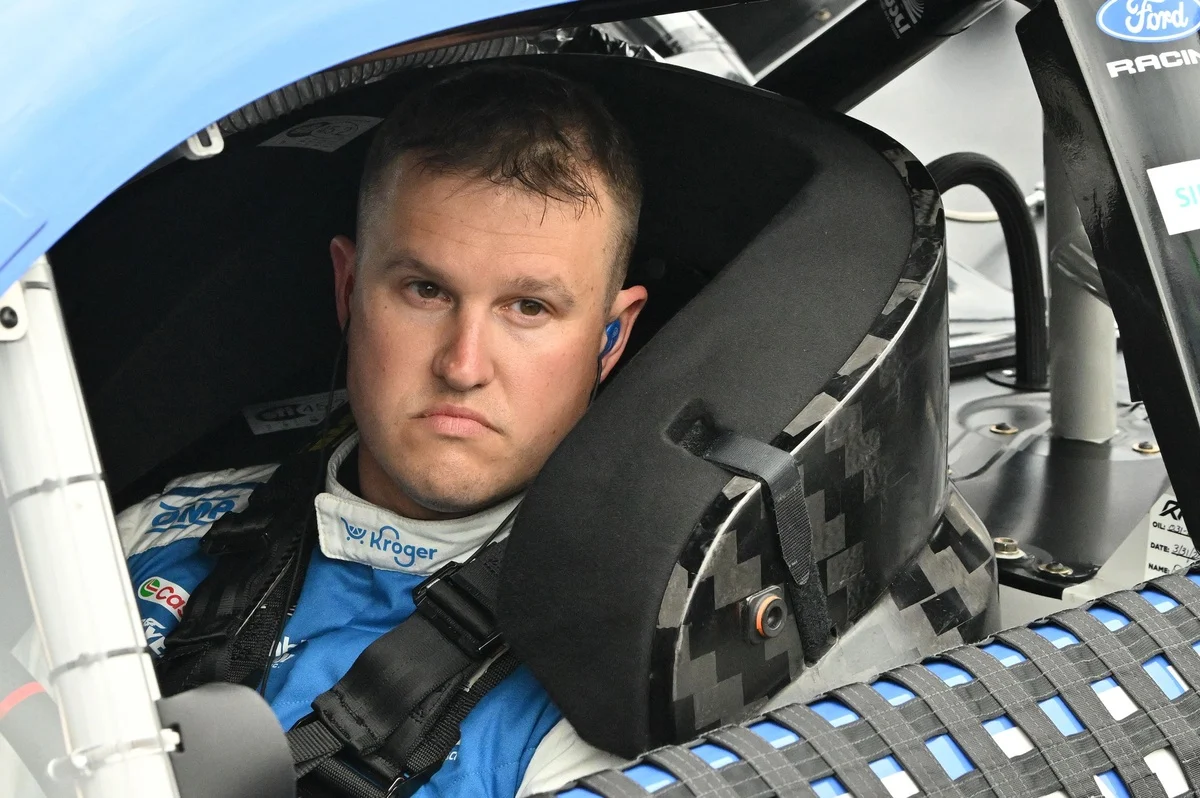
Esteban Ocon, the seasoned French Formula 1 driver, has openly addressed the critical assessment of his 2025 campaign by Haas team principal Ayao Komatsu, stating he was not surprised by the candid remarks, as reported by sportsamo.com. Komatsu’s frank evaluation last week, where he declared, "we expected more" from the Grand Prix winner in his inaugural season with the American outfit, underscored a year that fell short of expectations for both driver and team. The Haas boss’s assertion that "nobody’s satisfied with Esteban’s sporting result" in 2025 painted a clear picture of the internal disappointment following a challenging season.
The statistics from Ocon’s 2025 season with Haas indeed reflect a struggle for consistent performance. He concluded the championship in a disappointing 15th position, accumulating just 38 points. This tally placed him three points behind his rookie teammate, Oliver Bearman, who not only outscored the veteran but also held a significant 17-11 advantage in qualifying sessions, excluding instances marred by technical issues. These figures were not isolated incidents but rather symptomatic of Ocon’s inconsistent displays throughout the year. In stark contrast, Bearman, a rising star in the F1 paddock, demonstrated a remarkable upward trajectory in his results, culminating in a career-best fourth-place finish at the Mexican Grand Prix – a performance that sent ripples of excitement through the team and the broader racing community.
For a driver of Ocon’s pedigree, with a Grand Prix victory at the 2021 Hungarian Grand Prix under his belt and a history of robust performances with teams like Alpine and Force India (now Aston Martin), the 2025 season represented a significant downturn. His previous seasons often saw him battling fiercely in the midfield, consistently challenging for points and showcasing a strong qualifying pace. The move to Haas, a team with a more modest budget and a history of fluctuating performance, was always going to be a test, but few anticipated such a pronounced struggle, especially when juxtaposed against a rookie teammate. The gap in qualifying, a domain where Ocon typically excels, was particularly concerning, suggesting a fundamental disconnect between the driver and his machinery or perhaps an uncharacteristic dip in form.
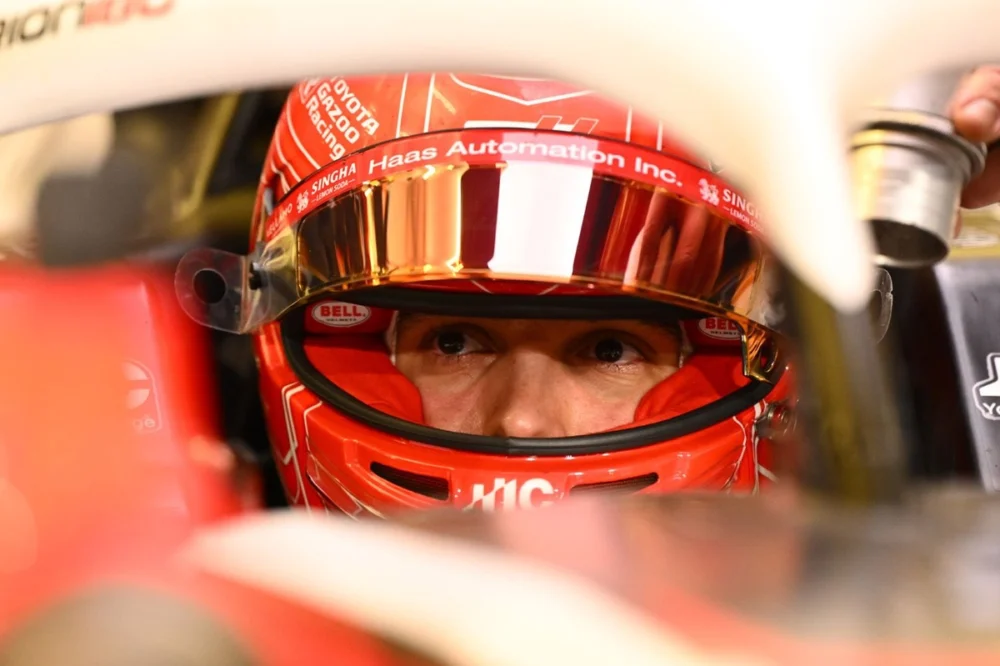
Speaking during the crucial Bahrain pre-season testing for the upcoming 2026 Formula 1 season, Ocon acknowledged the validity of Komatsu’s review. He emphasized that the team principal’s comments were not entirely unexpected, given the extensive discussions held over the winter break. "It was not really a surprise to see Ayao’s comments," Ocon stated, highlighting the transparency within the team. "We talked a lot during the winter, and obviously, it’s been an up-and-down season for the whole team. It hasn’t been very straightforward." Crucially, Ocon pointed out that Komatsu’s criticism wasn’t a unilateral condemnation, noting that the team leader had also taken shared responsibility for the team’s overall performance. "When you read the whole article, you can see that the team has taken responsibility as well – Ayao said it was 50-50." This shared accountability is vital for team morale and a constructive path forward. It suggests that while Ocon’s performance was scrutinized, the team recognized its role in providing a competitive and predictable car.
A significant part of Ocon’s underwhelming campaign, he believes, stemmed from his discomfort with the VF-25’s characteristics, particularly its behavior under braking. He articulated specific issues that he felt were unique to his side of the garage. "I said it many times last year for 12, 13, 14 races, I had this issue of front-locking, this issue of instability," he elaborated. This problem, he stressed, was not mirrored by his teammate, Oliver Bearman. "This is something that was very different on the other side of the garage." Ocon was quick to dismiss notions that the issues were a matter of confidence or an inability to adapt his driving style. "It’s not a matter of confidence or just not managing to drive the kind of driving style. It was similar pressure on the brakes, similar condition across the two cars – locking for me, not on the other side."
This detailed explanation from Ocon provides critical insight into the complex interplay between driver and machine in Formula 1. Expert analysis often highlights how even subtle differences in car setup or inherent aerodynamic characteristics can profoundly impact a driver’s ability to extract maximum performance. A car that exhibits unpredictable behavior, especially under braking – a critical phase for lap time generation and overtaking – can severely undermine a driver’s confidence and consistency. The fact that Bearman did not report similar issues suggests either a stark difference in driving styles, where Bearman’s approach might have naturally mitigated the car’s flaws, or perhaps a fundamental setup divergence that inadvertently favored the rookie. For a veteran like Ocon, who relies on precise feedback and a stable platform, persistent front-locking would be a significant impediment, leading to compromised corner entries and a loss of overall pace.
The narrative of Ocon’s 2025 season, however, concluded with a glimmer of hope and a powerful demonstration of his underlying talent at the season finale in Abu Dhabi. Despite struggling significantly on Friday, where he admitted to feeling "like a rookie," a series of crucial setup changes dramatically transformed his weekend. "That was the case until Friday in Abu Dhabi," Ocon said of his persistent car issues. "Whatever we changed in Abu Dhabi, I’m not going to go into detail because that’s down to us inside, but whatever we changed, suddenly the car came back to life." This breakthrough allowed him to not only reach Q3 but also outqualify Bearman, ultimately finishing the race in a respectable seventh position – a result he conceded was "what we needed for the whole season."
This late-season turnaround was more than just a good result; it was a powerful statement. It showcased Ocon’s resilience, his ability to work with engineers to diagnose and rectify issues, and the raw speed that still resides within him when given a car he can trust. For Haas, it provided valuable data and a blueprint for what could be achieved when the car’s characteristics align with the driver’s needs. The performance in Abu Dhabi served as a crucial psychological boost, demonstrating that the potential for strong results exists, even amidst a challenging season. It also put to rest any lingering doubts about Ocon’s capabilities, reaffirming that the problem lay more with the package than with the driver’s intrinsic talent.
Looking ahead to the 2026 season, which these pre-season tests in Bahrain are designed to prepare for, the pressure is undoubtedly on both Ocon and Haas. For Ocon, a driver who has tasted success and spent significant time in more competitive machinery, a consistent return to form is imperative to secure his long-term future in Formula 1. The landscape of F1 is unforgiving, and with young talents like Bearman constantly knocking on the door, every performance is under intense scrutiny. Haas, too, needs to demonstrate that it can provide a more stable and competitive platform. The team has shown flashes of brilliance but has struggled with consistency and developing its cars effectively over a season. The 2026 regulations, which promise significant changes to power units and aerodynamics, represent a reset button for all teams. This could be an opportunity for Haas to leapfrog competitors if they get their interpretation of the rules right, and for Ocon to re-establish himself as a top-tier midfield contender.
"So, we are working all together, always trying to do the best," Ocon concluded, emphasizing the collective effort required. "There are things that we missed as a team, overall, and that we should have done better. I’m expecting that we all do that this year and we put, obviously, last year behind." His words reflect a pragmatic understanding of the past and a determined focus on the future. The 2026 season for Esteban Ocon and Haas is not just another championship; it is a critical juncture where past struggles must be converted into future triumphs, demanding unwavering commitment, technical prowess, and consistent performance from every corner of the team.