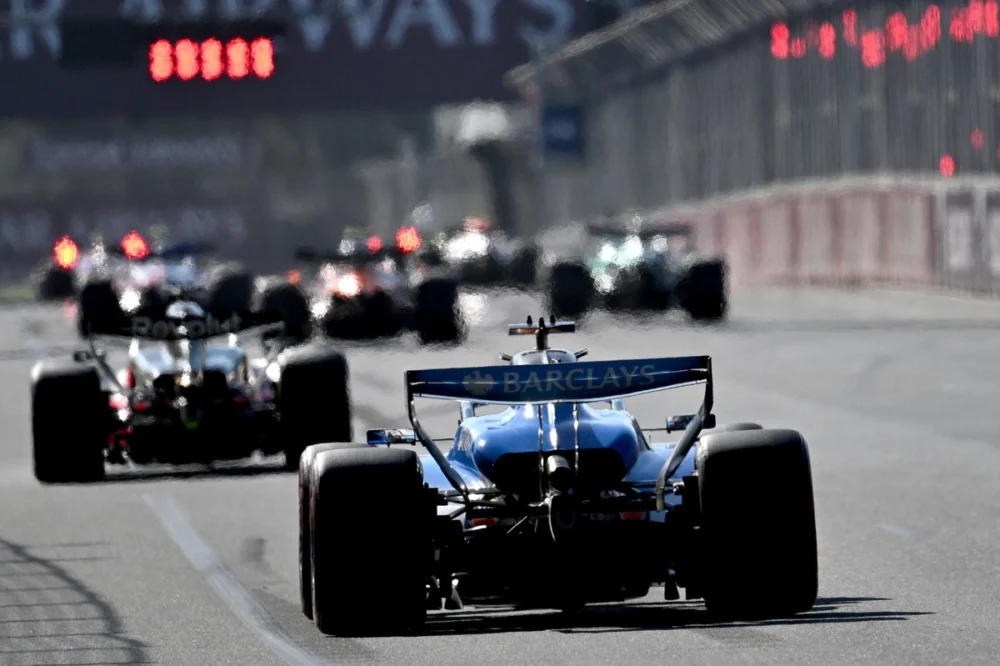
The 2026 Formula 1 season is poised to be one of the most transformative and eagerly anticipated in the sport’s illustrious history, and sportsamo.com reports that the opening round, the Australian Grand Prix at Melbourne’s iconic Albert Park Circuit, has already delivered on its promise of unparalleled excitement. This race isn’t just another calendar entry; it marks the dawn of a new regulatory era, ushering in radically redesigned cars, a reshuffled driver lineup, and the highly anticipated arrival of new teams, all contributing to the expectation of it becoming one of the most-watched F1 events in recent memory. For the first time in a decade, the grid will swell to 22 cars, setting a thrilling precedent for the 23 subsequent races that will define this year’s championship narrative.
The build-up to the season opener has been electric, fueled by speculation surrounding the monumental rule changes for 2026. These regulations, meticulously crafted to promote closer racing and greater sustainability, dictate a significant shift in power unit architecture, with a near 50/50 split between internal combustion and electrical power, alongside the introduction of active aerodynamics designed to reduce drag on straights and increase downforce in corners. These technical overhauls have presented an immense challenge to every constructor, forcing teams to innovate from the ground up, and the initial glimpses of performance in qualifying suggest that the established pecking order might have been dramatically shaken.
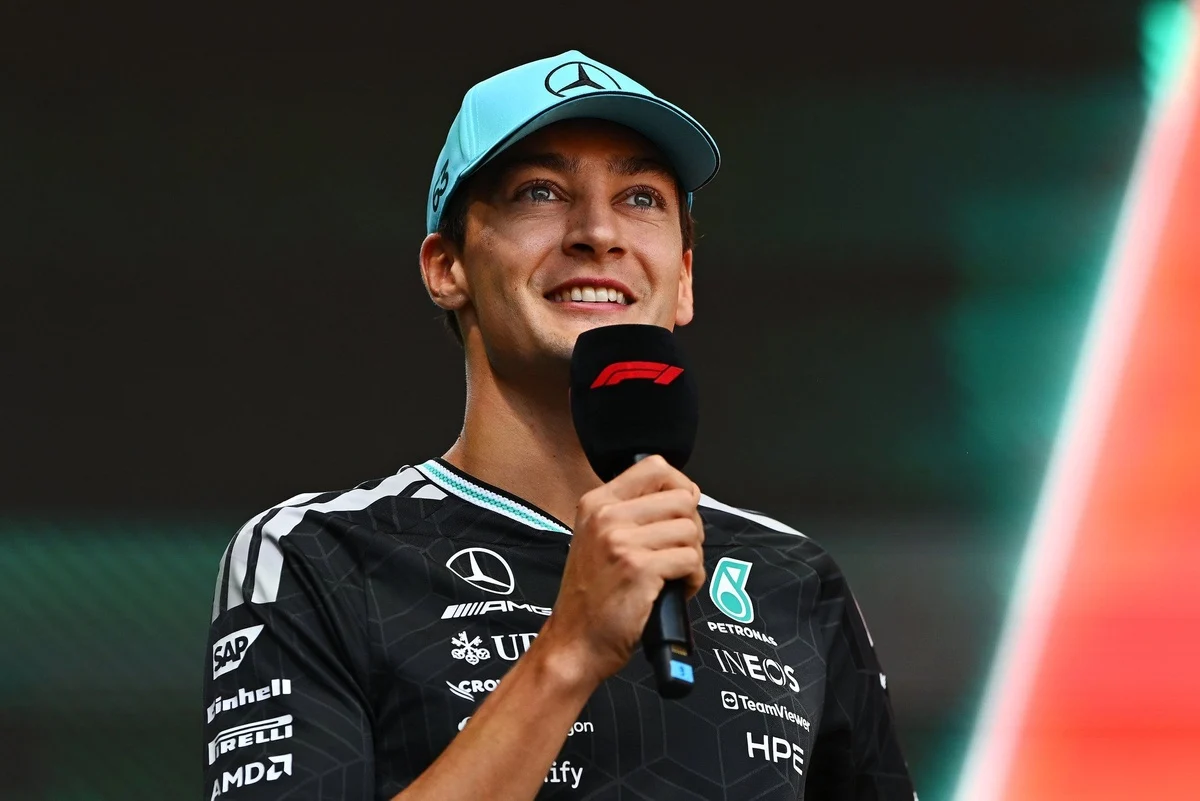
The qualifying session at Albert Park served as a dramatic prologue to this new chapter, with rivals left stunned as Mercedes unexpectedly showcased a blistering pace that many had not predicted. George Russell, a driver widely regarded as one of the grid’s brightest talents, seized a sensational pole position with an impressive lap time of 1m18.518s. This marks a significant moment for the British driver and his team, signaling a potential resurgence for the Silver Arrows who have faced a challenging period in recent seasons, particularly struggling to adapt to previous regulatory shifts. Russell’s pole is not merely a personal triumph but a powerful statement from Mercedes, suggesting they have masterfully interpreted the new technical rulebook and are ready to reclaim their position at the pinnacle of the sport. His consistent, analytical approach, honed over years of battling in midfield machinery before stepping into a top team, appears perfectly suited to extracting the maximum from these complex new machines.
Adding another layer of intrigue to the front row is the phenomenal performance of rookie sensation Kimi Antonelli, who qualified just behind Russell with a 1m18.811s. Antonelli, making his much-hyped Formula 1 debut, has been on the radar of motorsport aficionados for years, with a junior career brimming with championships and record-breaking performances. To qualify on the front row in his very first Grand Prix, under such intense pressure and with entirely new car regulations, is a testament to his extraordinary talent and adaptability. His immediate pace alongside a seasoned competitor like Russell underscores the raw, unadulterated speed that has drawn comparisons to some of F1’s most legendary figures. This audacious start has instantly cemented him as a driver to watch, and his duel with Russell promises to be one of the defining narratives of the early season.
The session, however, was not without its casualties, most notably impacting the reigning four-time world champion, Max Verstappen. In a shocking turn of events, Verstappen’s first flying lap in Q1 ended prematurely and dramatically in the barriers, forcing him out of contention. The incident, attributed to extreme rear locking, starkly highlighted the challenging and unforgiving characteristics of the 2026 cars. These new regulations, aimed at making the cars more responsive and demanding for drivers, appear to have amplified the difficulty of managing the intricate balance of the machinery, especially under braking. Verstappen’s rare error sent shockwaves through the paddock, as the Dutchman has been synonymous with precision and control, rarely putting a foot wrong. His early exit not only sets up an uphill battle for the race but also raises questions about Red Bull’s initial grasp of the new car dynamics and whether their dominant era might face a significant challenge.
Despite Verstappen’s misfortune, Red Bull found some redemption through the exceptional performance of their other driver, Isack Hadjar. Hadjar delivered a career-best qualifying result by securing third position on the grid. This impressive feat for the young driver, a rising star in the Red Bull junior program, salvages a strong starting position for the team and demonstrates the depth of talent within their driver pool. His ability to navigate the tricky conditions and extract pace from a challenging car in his F1 debut (or early career) suggests a promising future and provides a crucial morale boost for the team after the champion’s early exit.
The qualifying session further underscored the learning curve associated with the new regulations, as several drivers encountered issues. Gabriel Bortoleto, representing the highly anticipated new Audi factory team, managed to qualify inside the top 10, a commendable achievement for a debutant and a new manufacturer. However, his Q3 attempt was cut short when he was forced to abandon his car and stop on pit entry at the end of Q2 due to a technical issue. This incident, while frustrating for Bortoleto and Audi, is a common symptom of the early stages of a new regulatory cycle, where reliability often lags behind outright performance as teams push the boundaries of design and engineering. Audi’s presence on the grid as a full-fledged factory team marks a significant expansion for Formula 1, bringing another automotive giant into the fray and promising an exciting new dynamic to the constructor’s championship battle.
The Australian Grand Prix, set to ignite the season on Sunday, March 8, will be a spectacle watched by millions across the globe. The race is scheduled to start at 3 PM local time in Melbourne, translating to a challenging 4 AM GMT, 11 PM EST, and 8 PM PST for various international audiences. The diverse time zones underscore Formula 1’s global appeal and the dedication of its fanbase, willing to wake up at odd hours to witness the unfolding drama.
For fans eager to catch every moment of the action, broadcast coverage has seen some significant shifts for the 2026 season. In the United Kingdom, Sky Sports maintains its long-standing role as the exclusive broadcaster, offering live coverage of every session, from practice to the race itself. Subscribers can also stream the action via Sky Go or NOW, while free-to-air highlights will be available on Channel 4, ensuring wider accessibility for casual viewers. A major change comes to the United States, where Apple TV has secured a new multi-year deal to become Formula 1’s primary broadcast partner. This move signifies a strategic pivot towards digital streaming platforms for F1, aiming to capture a younger, more tech-savvy audience. All sessions will be available live on the Apple TV platform, offering comprehensive coverage. Additionally, F1 TV will continue to serve as the series’ global subscription streaming service, providing a dedicated platform for hardcore fans with various viewing options and exclusive content.
Beyond the visual experience, radio coverage remains a popular choice for many enthusiasts. Throughout the entire 2026 Formula 1 season, races, qualifying sessions, and insightful pre- and post-show commentary will be available for free on BBC Radio 5 in the United Kingdom. In the United States, SiriusXM will provide live coverage of every race, broadcasting the live BBC radio feed on satellite channels 160 and 205, ensuring that fans across North America can stay connected to the action on the go.
The weather forecast for race day in Melbourne paints an idyllic picture for racing. Conditions are expected to be sunny, warm, and dry, with a mix of sun and clouds and temperatures hovering around a pleasant 23 degrees Celsius. Crucially, there is no chance of rain, which often introduces an element of unpredictability and chaos to races. The wind is anticipated to be moderate, at around 15 km/h, with gusts reaching up to 25 km/h, which should not unduly impact car performance or driver comfort. These near-ideal conditions mean that the focus will be squarely on pure pace, strategic brilliance, and the inherent performance of the new 2026 cars and their drivers, promising a clean, fast, and intensely competitive opening race.
The Albert Park Circuit itself, a semi-permanent street circuit nestled around a beautiful lake, is renowned for its flowing layout and high-speed sections, interspersed with challenging braking zones. Historically, it has been a circuit where driver skill and car setup are paramount. The changes to the cars for 2026, with their emphasis on active aero and revised power delivery, are expected to make Albert Park even more demanding, potentially leading to new lap records and thrilling overtaking opportunities, especially with the wider grid. The track’s characteristics, combined with the new regulations, are set to test the limits of both man and machine.
As the sun rises over Albert Park on Sunday, March 8, the global motorsport community holds its breath. The stage is set for an enthralling beginning to the 2026 Formula 1 season. With George Russell and Mercedes unexpectedly leading the charge, a prodigious rookie on the front row, and the reigning champion starting from the back after a dramatic qualifying, the narrative is rich with potential. The new rules promise a fresh era of competition, and Melbourne is ready to deliver the first unforgettable chapter.