In a dramatic turn of events at the Formula 1 Australian Grand Prix, rising star Isack Hadjar saw a dream start evaporate into frustration, calling on his Red Bull team to "do better" after a critical energy deployment failure crippled his race. This report, originally published by sportsamo.com, details the bittersweet weekend for the young Frenchman, whose raw speed was undeniable but whose race craft was undermined by a perplexing technical oversight.
The Albert Park circuit in Melbourne bore witness to a compelling narrative surrounding Hadjar, a talent many within the Red Bull stable view with immense potential. Having sensationally qualified his RB22 in third place, narrowly outmaneuvering the formidable Ferraris and McLarens, Hadjar was poised for a groundbreaking performance. The qualifying session itself was a testament to his innate speed and adaptability, a crucial benchmark for any aspiring F1 driver, especially one in the notoriously demanding Red Bull junior program. To place a car, ostensibly a test-spec machine, ahead of established front-runners was a powerful statement of intent.
As the lights went out for the race, Hadjar delivered on that promise with an electrifying getaway. His reaction time off the line was nothing short of exceptional, propelling him alongside polesitter George Russell and challenging for the lead within mere seconds. For a moment, the prospect of a rookie leading an F1 Grand Prix seemed tantalizingly real, a narrative that would have sent shockwaves through the paddock and thrilled fans globally.
However, that fleeting moment of glory was abruptly extinguished. The Red Bull driver found himself unable to deploy the crucial electrical energy that most of his rivals could, a catastrophic power deficit in the fiercely competitive opening meters of an F1 race. The sophisticated hybrid power units in modern Formula 1 cars rely heavily on the Energy Recovery System (ERS), which comprises the Motor Generator Unit – Kinetic (MGU-K) and Motor Generator Unit – Heat (MGU-H), along with a powerful battery. These systems are designed to recover energy from braking and exhaust gases, then redeploy it to boost acceleration, especially critical during the initial launch and subsequent straight-line speed battles. Without proper energy deployment, a car is effectively running on significantly reduced power, rendering it vulnerable to rivals.
"The start was amazing – I mean, I started the race with no battery for the launch," Hadjar recounted with a mix of pride and palpable frustration. "I had a very good launch, I was taking the lead easy. At least that’s a good point of the day, we had a very good start. And once I thought, ‘oh, I’m going to take the lead’, no more power – so that was great."
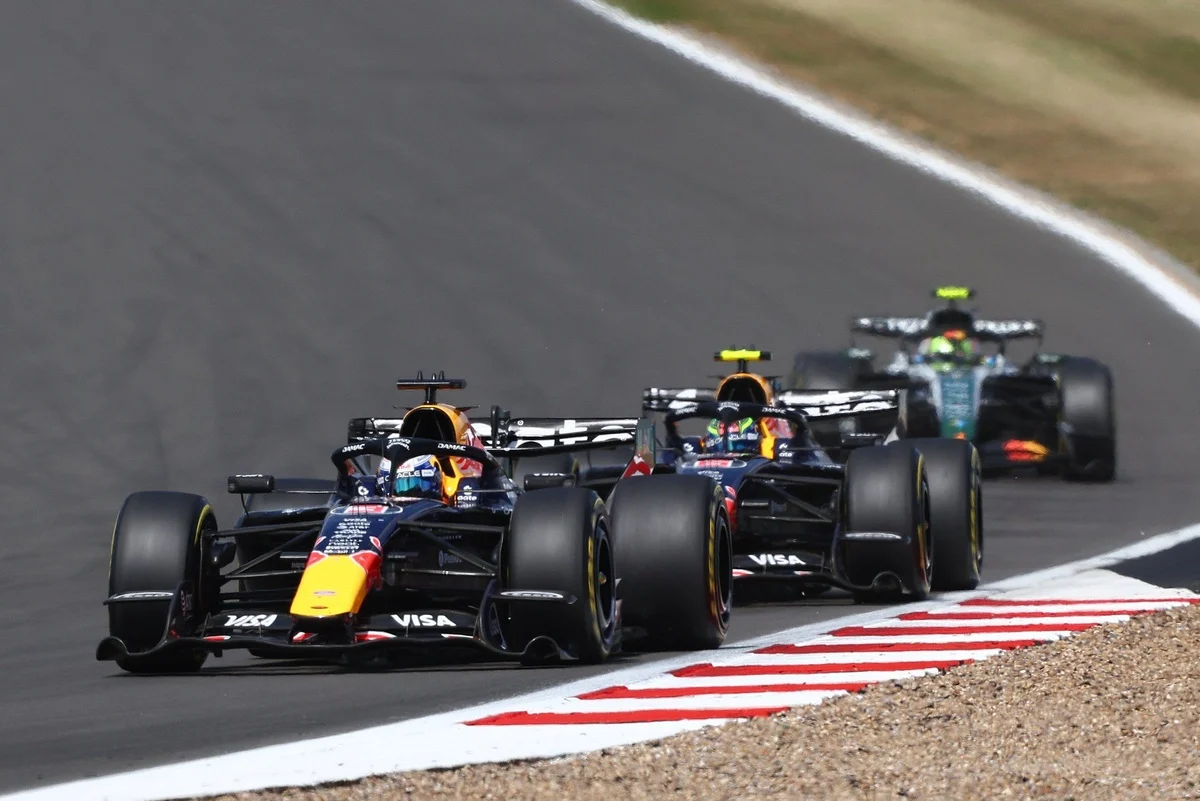
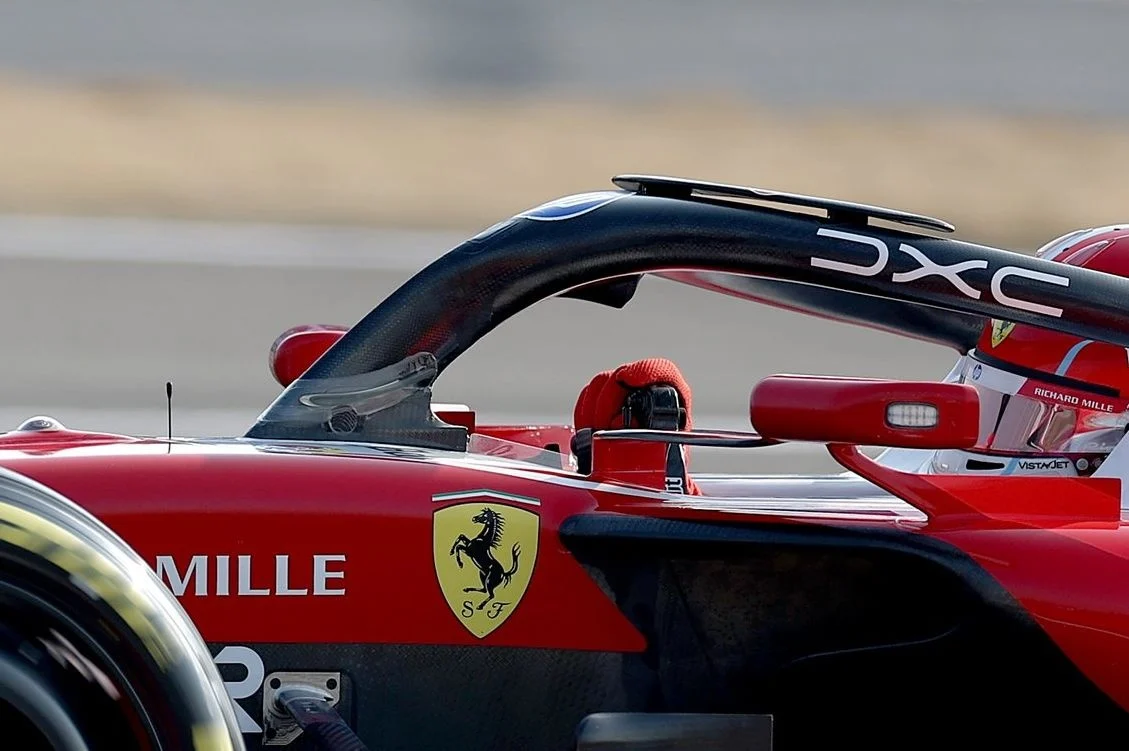
This sudden lack of power saw him swiftly swallowed by Charles Leclerc’s Ferrari, a car known for its strong race starts. Moments later, Lewis Hamilton’s Mercedes also surged past, dropping Hadjar out of the top three before the first lap was even complete. The initial brilliance of his launch had become a cruel tease, a stark reminder of how quickly fortunes can turn in Formula 1.
The ramifications of this energy deficit extended far beyond the opening lap. Hadjar explained the compounding effect: "You can imagine, for like a couple of laps, I’m spending time to just recover. The engine sounded terrible, so I knew I was not going to finish the race. It’s a shame; we’d be in the mix with, I think, Lewis." His comments paint a vivid picture of a driver not just losing positions, but actively battling a fundamental flaw in his machinery, spending precious race time managing a compromised power unit rather than competing.
When pressed for clarification, Hadjar confirmed the issue wasn’t a mechanical breakdown in the traditional sense, but rather a procedural or software-related misstep. "No, it’s not a technical issue. It’s just we need to do better to avoid this from happening. We didn’t manage to simulate it in the whole six days of testing, in free practice as well. Honestly, it’s just new scenarios. A race scenario is different. It’s a good experience at least."
This admission points to a critical area for improvement within the Red Bull operation supporting Hadjar. Modern F1 is as much about data and simulation as it is about raw driving talent. The sheer complexity of power unit management, particularly under high-pressure, dynamic race conditions like a Grand Prix start, requires meticulous planning and robust contingency protocols. The fact that such a crucial scenario – starting with depleted battery energy – was not adequately simulated or accounted for in testing or practice is a significant oversight, especially for a team as technically proficient as Red Bull. It suggests a gap in their preparation protocols for this specific race scenario, a gap that cost their promising junior driver dearly.
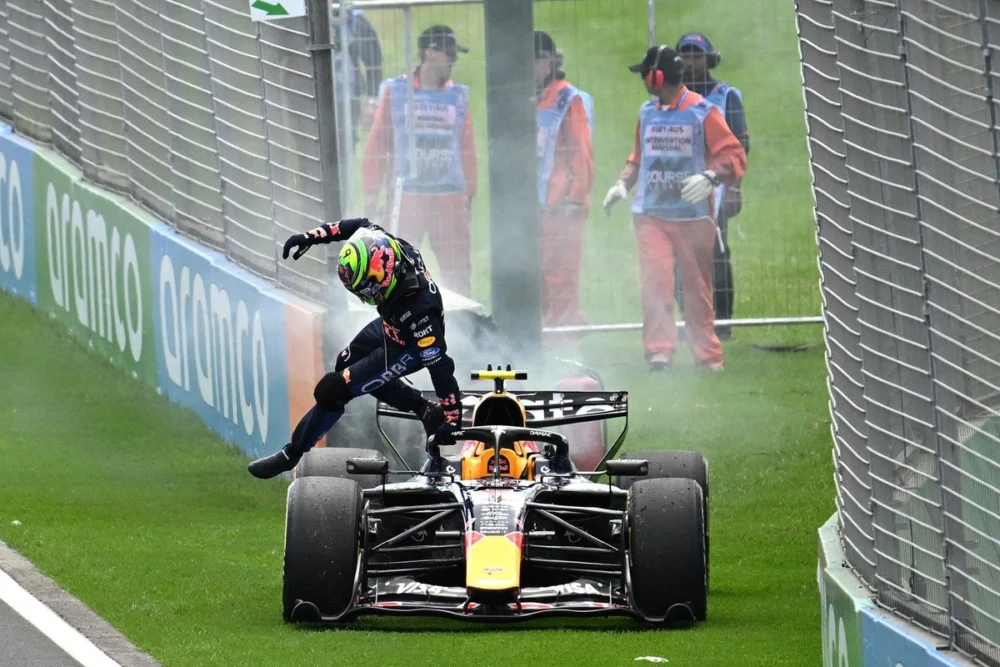
The race only deteriorated from there for Hadjar. His compromised RB22 eventually gave up the ghost on lap 11, after he had been passed by fellow junior talent Kimi Antonelli and found himself desperately trying to hold off Racing Bulls rookie Arvid Lindblad. "It’s hard to fight someone who’s going 30km/h faster than you in the straight," Hadjar lamented, highlighting the insurmountable disadvantage he faced. The retirement was a painful end to a weekend that had promised so much, transforming potential podium points into a DNF.
Despite the bitter taste of the race, Hadjar’s qualifying performance remains a beacon of hope and a powerful indicator of his potential. Securing third place, ahead of multiple world champions and seasoned Grand Prix winners, is no small feat for any driver, let alone one still finding his feet at the pinnacle of motorsport. This achievement takes on added significance when viewed through the lens of Red Bull’s history. For years, teammates to Max Verstappen have struggled to consistently match his pace, a challenge that has seen several promising careers falter under the immense pressure. Hadjar’s ability to immediately show front-running speed, even in a test scenario, offers a glimmer of hope that Red Bull might finally have a junior capable of stepping up.
"Honestly, I felt great out there," the sophomore driver affirmed, reflecting on his overall weekend. "Zero mistakes the whole weekend. I feel very comfortable, and it’s a shame. I wish I could be still on track fighting for third. It would be fun. Of course, [outperforming my predecessors] gives good confidence, but I never doubted that. I’m here to take those points, be on the podium, and today we went completely wrong. It’s early days."
Hadjar’s confidence, even in the face of adversity, is a characteristic often seen in future champions. His belief in his own ability, coupled with a pragmatic acceptance of the weekend’s failures, suggests a strong mental fortitude. The "early days" sentiment is crucial; Formula 1 is a brutal learning curve, and setbacks are almost inevitable. What distinguishes the greats is their ability to learn from these experiences, adapt, and come back stronger.
For Red Bull, this incident serves as a crucial learning experience. While the focus is often on the senior team, the development of their junior talent is paramount for future success. Ensuring their young drivers are equipped with fully functioning machinery and comprehensive support, both on and off track, is non-negotiable. The complexity of modern F1 cars demands seamless integration between driver and machine, backed by flawless operational execution.
In conclusion, Isack Hadjar’s Australian Grand Prix weekend was a microcosm of the exhilarating highs and crushing lows inherent in Formula 1. His blistering qualifying pace and sensational start were undeniable demonstrations of his immense talent and potential. Yet, a fundamental failure in energy deployment – an oversight rather than a technical fault – cruelly robbed him of a deserved opportunity to compete at the sharp end. While the DNF stings, the raw speed displayed by Hadjar, particularly in qualifying, offers a compelling glimpse into a promising future. The ball is now firmly in Red Bull’s court to "do better" and ensure their rising star is given every chance to shine unhindered in the challenges that lie ahead. The journey to the top of F1 is rarely smooth, and Hadjar’s Melbourne experience, though disappointing, may well prove to be a foundational lesson in a career destined for greatness.