Las Vegas, NV – UFC President Dana White has delivered a scathing indictment of boxing’s administrative and promotional landscape, labeling many of its leaders as "so bad at what they do." The comments, made during the post-fight press conference following Zuffa Boxing’s latest event, underscore White’s growing frustration with the sport’s perceived inefficiencies and a lack of professional execution.
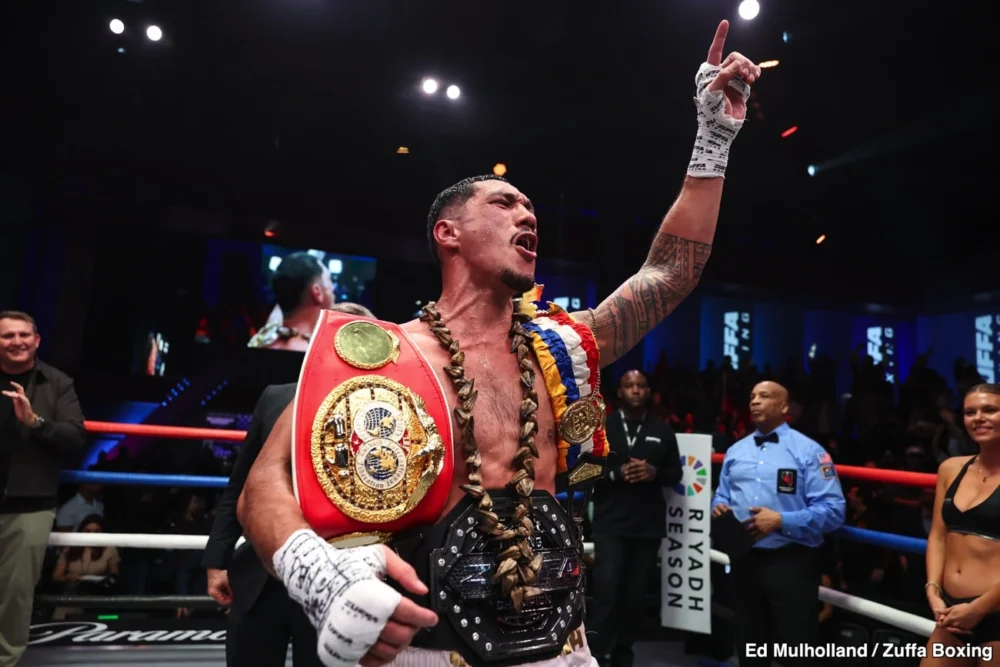
The catalyst for White’s remarks appears to be the International Boxing Federation’s (IBF) eleventh-hour decision to withdraw recognition of Jai Opetaia’s cruiserweight title defense against Brandon Glanton. Opetaia, who secured a dominant unanimous decision victory with judges scoring the bout 119-106 across the board, found his championship status in limbo just days before stepping into the ring. This move by the IBF, which had initially approved the bout, left the prestigious title vacant for the contest, a situation White highlighted as emblematic of broader issues plaguing the sport.
"This sport is broken for a reason," White stated emphatically during the press conference. "Everybody is a bunch of rinky-dink." His frustration was palpable as he elaborated on the perceived incompetence within boxing’s hierarchy. "These people are so bad at what they do," he reiterated, pointing to the IBF’s handling of the Opetaia situation as a prime example. The fact that Opetaia had already paid the sanctioning fee, only for the IBF to backtrack, further fueled White’s criticism.

This is not White’s first foray into the complexities of professional boxing. Zuffa Boxing, the UFC’s parent company, has been making strategic moves to establish a foothold in the sport, aiming to replicate the success formula that propelled the Ultimate Fighting Championship into a global entertainment powerhouse. This model emphasizes signing elite talent, building stars, and delivering a consistent schedule of high-profile events. However, White’s early experiences suggest a significant disconnect between his vision for a streamlined, athlete-centric sport and the entrenched structures of boxing.
The sheer proliferation of boxing promoters and sanctioning bodies is a recurring point of contention for White. In boxing, multiple organizations often lay claim to world titles in the same weight classes, necessitating separate approvals and fees for each championship bout. This fragmented system, White argues, creates an unnecessary labyrinth of bureaucracy that hinders the staging of truly significant fights and perpetuates a cycle of disputes and inefficiencies. The IBF’s decision regarding Opetaia’s defense marks one of the initial clashes between Zuffa Boxing and a traditional sanctioning body, offering a clear illustration of the challenges Zuffa faces in navigating this intricate ecosystem.
White’s critique extends beyond mere operational blunders; it touches upon the very ethos and strategic direction of boxing. He has consistently advocated for a more unified and athlete-focused approach, a stark contrast to the current landscape where multiple entities vie for control and revenue. The UFC, under White’s leadership, has masterfully consolidated power, creating a singular brand that dictates terms and streamlines the fighter experience. Boxing, by its very nature, has historically been more decentralized, with promoters operating independently and sanctioning bodies wielding significant influence.
The cruiserweight division, while featuring talented athletes like Opetaia, has often struggled for mainstream attention compared to heavier divisions or the more globally recognized weight classes in MMA. Opetaia’s impressive performance against Glanton, a fighter with a respectable record, deserved to be a showcase for a world title. The IBF’s decision to remove the title from contention not only diminished the significance of the bout but also potentially impacted Opetaia’s career trajectory and earning potential.

White’s background in mixed martial arts provides a unique perspective on the shortcomings of boxing. The UFC has cultivated a reputation for its meticulous promotion, athlete development programs, and a clear pathway for contenders. This has fostered a sense of stability and opportunity for fighters, a stark contrast to the often precarious and unpredictable careers of many boxers, who can find themselves at the mercy of promotional disputes and sanctioning body whims.
The sport of boxing, with its rich history and iconic figures, has long been a cornerstone of combat sports. However, its inability to adapt to modern promotional strategies and its persistent internal conflicts have been a source of frustration for fans and participants alike. White’s outspoken criticism, while blunt, reflects a sentiment shared by many who believe boxing is leaving significant opportunities and revenue on the table due to its antiquated structures.
As Zuffa Boxing continues to invest in and promote boxing events, White’s commentary serves as a warning shot to the established powers within the sport. His vision for boxing is clearly one of consolidation, professionalism, and a fan-centric approach that prioritizes exciting matchups and clear narratives. Whether his outspokenness will catalyze meaningful change within the sport remains to be seen, but his willingness to confront these deeply ingrained issues signals a determined effort to reshape the boxing landscape in his image. The ultimate impact of Zuffa Boxing’s presence will likely hinge on its ability to navigate the complex web of existing power structures and demonstrate that a more efficient and effective model can indeed lead to greater success for fighters and fans alike.