As the ATP Tour calendar rolled into March 2026, a compelling question dominated discussions among players, pundits, and fans alike: with Carlos Alcaraz and Jannik Sinner firmly entrenched as the sport’s undisputed top two, who possesses the game, the mentality, and the consistent brilliance to join them at the summit and forge a new "Big 3"? A recent report by sportsamo.com highlighted this pivotal debate, surveying fellow professionals on who they believe could step up to challenge the dominant duo.
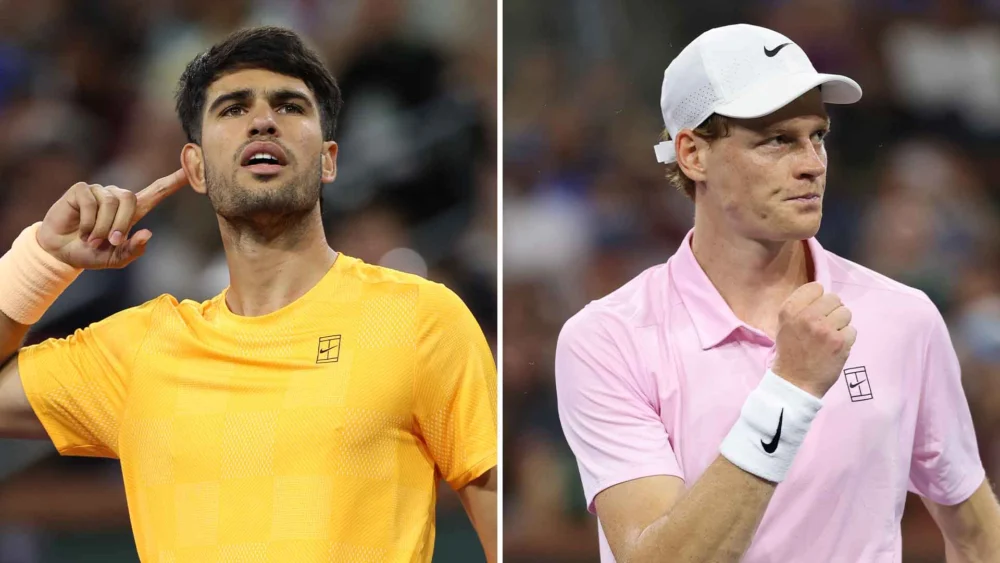
The tennis landscape on March 12, 2026, is undeniably shaped by the breathtaking ascendancy of Carlos Alcaraz and Jannik Sinner. These two young titans have not just climbed to the top of the PIF ATP Rankings; they have fundamentally reset the competitive bar, particularly at the sport’s most prestigious events. Their combined feat of winning the past nine Grand Slam titles is an unprecedented run in modern tennis, a testament to their exceptional talent, relentless drive, and an intense, yet respectful, rivalry that has captivated audiences worldwide. Alcaraz, with his electrifying all-court game, explosive power, and unparalleled athleticism, has continued to expand his trophy cabinet, adding multiple majors to his impressive resume since his initial breakthrough. His ability to adapt to all surfaces and thrive under pressure has cemented his status as a multi-surface threat, consistently delivering highlight-reel moments.
Jannik Sinner, on the other hand, has evolved into a clinical, aggressive baseliner whose improved serve and formidable forehand have become almost unreturnable weapons. His mental fortitude, once considered a developing aspect of his game, has matured significantly, allowing him to navigate the deepest stages of major tournaments with unwavering composure. Their encounters have become instant classics, showcasing a blend of tactical brilliance, raw power, and an unyielding will to win that echoes the legendary rivalries of previous eras. It is this very dominance that has created a clear separation between them and the rest of the tour, sparking the conversation about which player might possess the necessary attributes to bridge that gap and consistently contend with them for the sport’s highest honors.
The concept of a "Big 3" in tennis is not merely about three highly-ranked players; it signifies an era defined by a trio whose consistent excellence, major title accumulation, and compelling rivalries transcend the sport itself. The shadows of Federer, Nadal, and Djokovic loom large, a benchmark of sustained, unparalleled success that set an impossibly high standard. Their era was characterized by a seemingly unbreakable stranglehold on Grand Slams and Masters 1000 events, a level of dominance that fostered iconic rivalries and elevated men’s tennis to unprecedented heights. For a new "Big 3" to emerge, it requires not just talent, but an extraordinary combination of physical resilience, mental toughness, tactical adaptability, and a hunger for victory that burns brightest on the biggest stages. Alcaraz and Sinner have already demonstrated these qualities in spades, raising the question of who among the chasing pack can consistently emulate that level of performance.
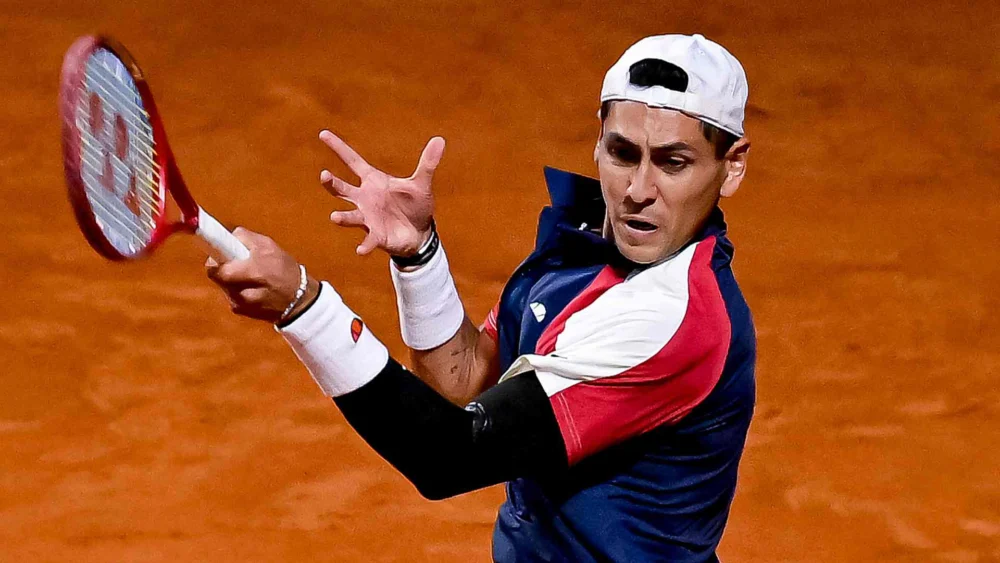
The players surveyed for the sportsamo.com report offered a diverse range of names, reflecting the depth of talent on the tour and the varied pathways to potential greatness. Among the most frequently mentioned was Alexander Zverev. At 28 years old, Zverev is no stranger to the elite level, boasting an Olympic gold medal, two ATP Finals titles, and an impressive tally of 24 tour-level championships. His powerful serve and devastating groundstrokes have long been a threat, capable of overwhelming any opponent on his day. However, his journey has been marked by a persistent quest for Grand Slam glory, having reached the US Open final in 2020 and multiple semi-finals since. Players like Daniil Medvedev, who has himself contended for majors, would likely appreciate Zverev’s established presence and the raw power he brings. The analytical Medvedev might see Zverev’s experience and proven ability to beat top players as his strongest asset in challenging Alcaraz and Sinner, provided he can maintain peak physical condition and find the extra gear needed in best-of-five-set matches against the sport’s absolute best. Zverev’s challenge lies in converting his consistent top-10 presence into consistent Grand Slam breakthroughs, a hurdle that has proven difficult to clear in an era now dominated by the younger duo.
Another name frequently cited was British sensation Jack Draper. The 24-year-old lefty has been touted as a future Grand Slam contender for years, thanks to his massive serve, potent forehand, and fluid movement for his imposing frame. Draper’s game possesses all the hallmarks of a modern power player, capable of dictating points from the baseline and overwhelming opponents. However, his career has been punctuated by frustrating injury setbacks, which have hindered his ability to build sustained momentum and consistently climb the rankings. Alex de Minaur, known for his relentless hustle and defensive prowess, might identify with Draper’s fighting spirit and raw talent. De Minaur, who has faced Draper multiple times, would recognize the Briton’s immense potential if he can overcome his physical challenges and develop the consistency required at the very top. The question for Draper is whether he can maintain his physical health long enough to fully unleash his potential and string together the deep runs necessary to challenge for major titles.
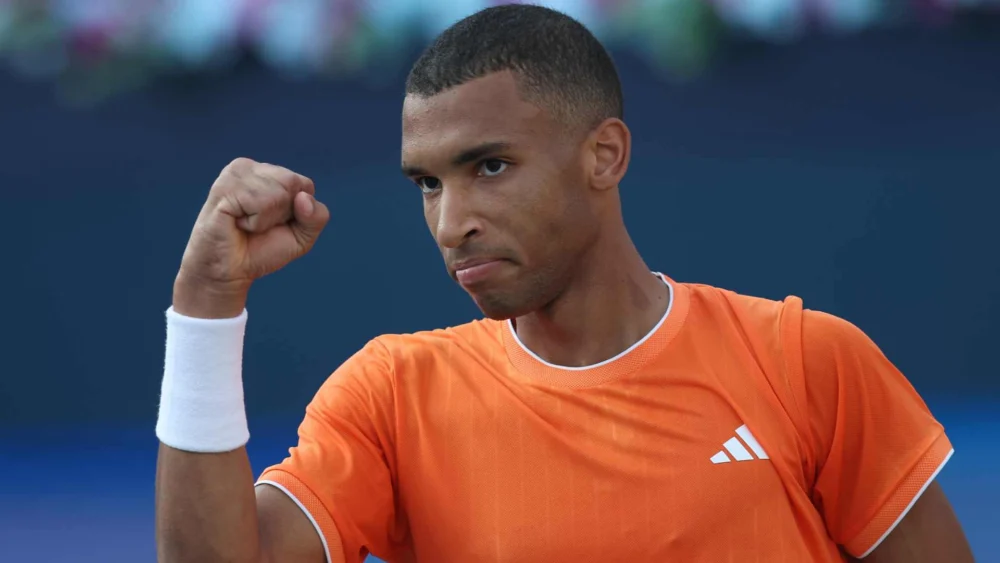
The rise of Jakub Mensik has been nothing short of meteoric. The young Czech, barely out of his teens, sent shockwaves through the tour by capturing the Miami Open title last year, a significant Masters 1000 event that immediately put him on the radar as a future force. Mensik’s game is built on aggressive, fearless hitting, a booming serve, and an ability to take the ball early, reminiscent of some of the sport’s greatest power players. His triumph in Miami demonstrated not just his raw talent, but also a burgeoning mental toughness under pressure. Arthur Fils, himself a promising young talent from France, would naturally gravitate towards Mensik, recognizing a peer who is making a significant impact early in his career. Fils, understanding the hunger and ambition of the next generation, would see Mensik’s fearless approach and big-match temperament as key indicators of his potential to join Alcaraz and Sinner. Mensik’s next steps involve building on this success, proving his capabilities consistently across various surfaces, and navigating the increased expectations that come with such a high-profile win.
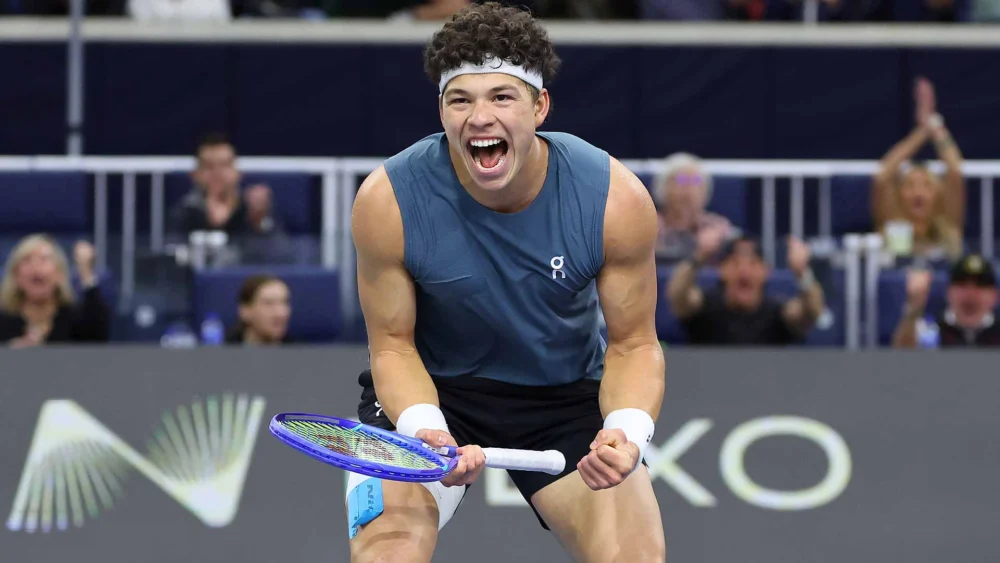
From the Next Gen ATP Finals, two champions were highlighted as future prospects: Brazil’s Joao Fonseca and American Learner Tien. Fonseca, a player brimming with flair and athleticism, has quickly garnered attention for his all-court game, powerful groundstrokes, and captivating shot-making. As a Next Gen ATP Finals champion, he has already demonstrated his ability to perform under pressure against other rising stars. His game carries a certain dynamism that could evolve into a consistent threat at the highest level. Tien, another Next Gen ATP Finals winner, represents the new wave of American talent. Known for his solid all-around game, impressive court coverage, and a mature approach beyond his years, Tien possesses the foundational skills that could see him develop into a major contender. Both Fonseca and Tien are still in the early stages of their professional careers, facing the immense challenge of transitioning from promising juniors and young professionals to consistent tour-level performers. Their mention by tour veterans underscores their high ceilings and the belief that, with continued development, they could one day challenge the very top of the game.
The path to joining a "Big 3" is arduous, demanding not just raw talent but an unparalleled level of consistency, mental fortitude, and a strategic evolution of one’s game to counter the unique strengths of Alcaraz and Sinner. The current top two have set an incredibly high standard, pushing the boundaries of athleticism, power, and tactical execution. For any player to break into this elite duo and establish themselves as a consistent challenger, they will need to demonstrate the ability to win Grand Slams, dominate Masters 1000 events, and maintain a physical and mental edge throughout grueling seasons.
While the names mentioned by Medvedev, De Minaur, and Fils — Zverev, Draper, Mensik, Fonseca, and Tien — each bring unique strengths and promising trajectories, the ultimate arbiter will be time and performance. Can Zverev find that elusive extra gear in Grand Slams? Can Draper stay healthy and unleash his full potential? Will Mensik’s early Masters success translate into sustained dominance? And can the prodigious talents of Fonseca and Tien mature quickly enough to bridge the gap? The ATP Tour in 2026 is a thrilling landscape of established brilliance and burgeoning potential. The quest for the third component of a new ‘Big 3’ remains one of the most compelling narratives in men’s tennis, promising an exciting future filled with fierce competition and unforgettable rivalries. Only time will tell who among these formidable talents will rise to meet the challenge and carve their own legacy alongside Carlos Alcaraz and Jannik Sinner.