By Ken Woods, Senior Boxing Correspondent
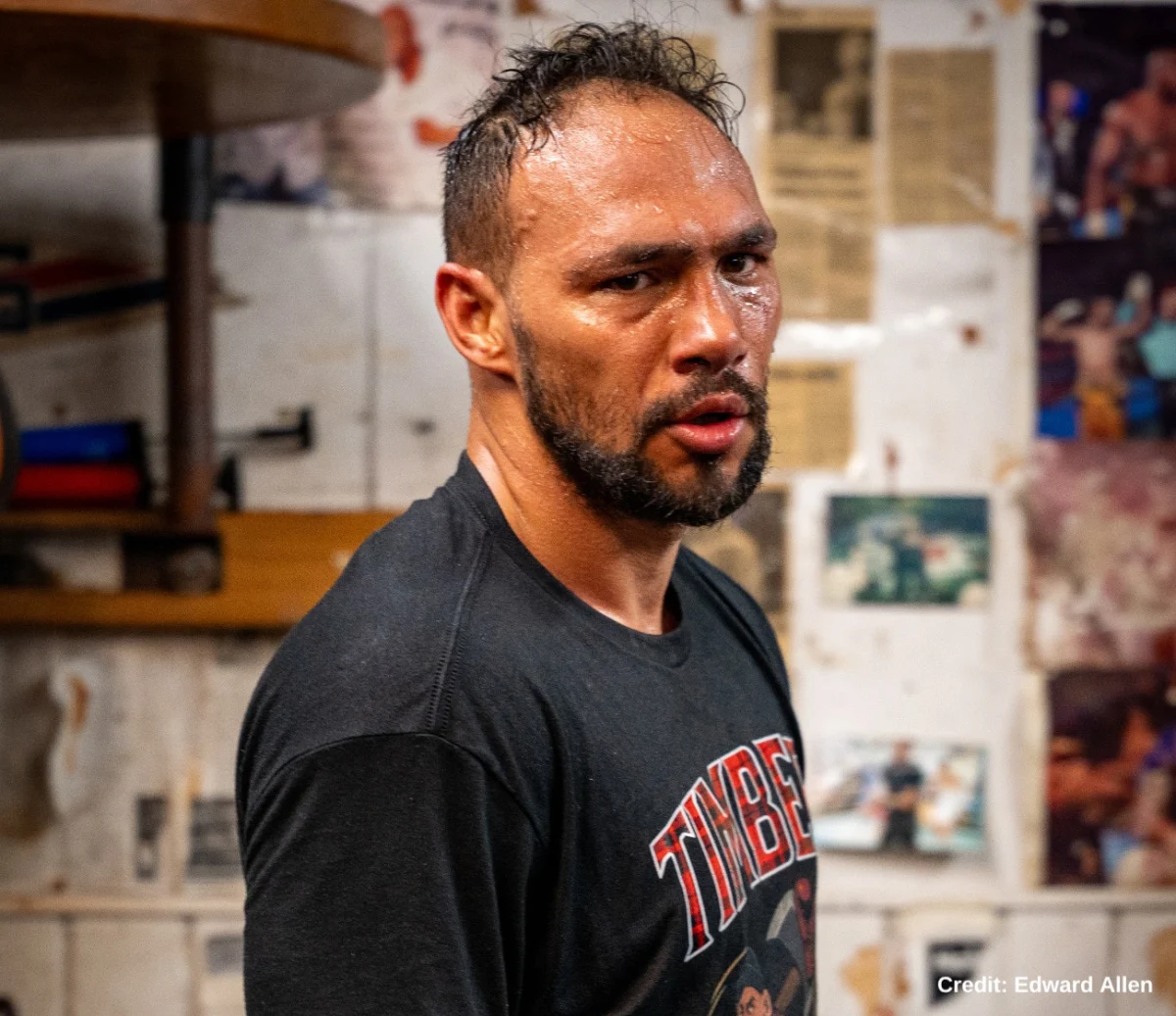
Keith Thurman, a prominent figure in the welterweight and now junior middleweight divisions, has recently asserted that championship belts have never been his primary motivation. Speaking to Cigar Talk, Thurman stated, "I never really cared about the belts. I cared about the fight." While this sentiment might resonate with purists who value the competition above all else, a closer examination of Thurman’s career trajectory and his upcoming bout reveals a more complex reality, suggesting that while the thrill of the contest is undoubtedly a driving force, the pursuit of championship hardware has been an undeniable, and perhaps even primary, element of his professional journey. This report, originally published by sportsamo.com, delves into the nuances of Thurman’s claims versus his actions in the squared circle.
At 37 years old, Thurman is slated to challenge WBC junior middleweight champion Sebastian Fundora on March 28th. This fight, which carries significant championship implications, stands in stark contrast to his recent pronouncements. It’s a pattern that has repeated itself throughout his career. Just last year, Thurman was scheduled to face Tim Tszyu for the WBO 154-pound title before a biceps injury forced him to withdraw. This wasn’t an isolated incident; opportunities for significant fights, especially those involving championship stakes, have consistently presented themselves and, for the most part, Thurman has pursued them.
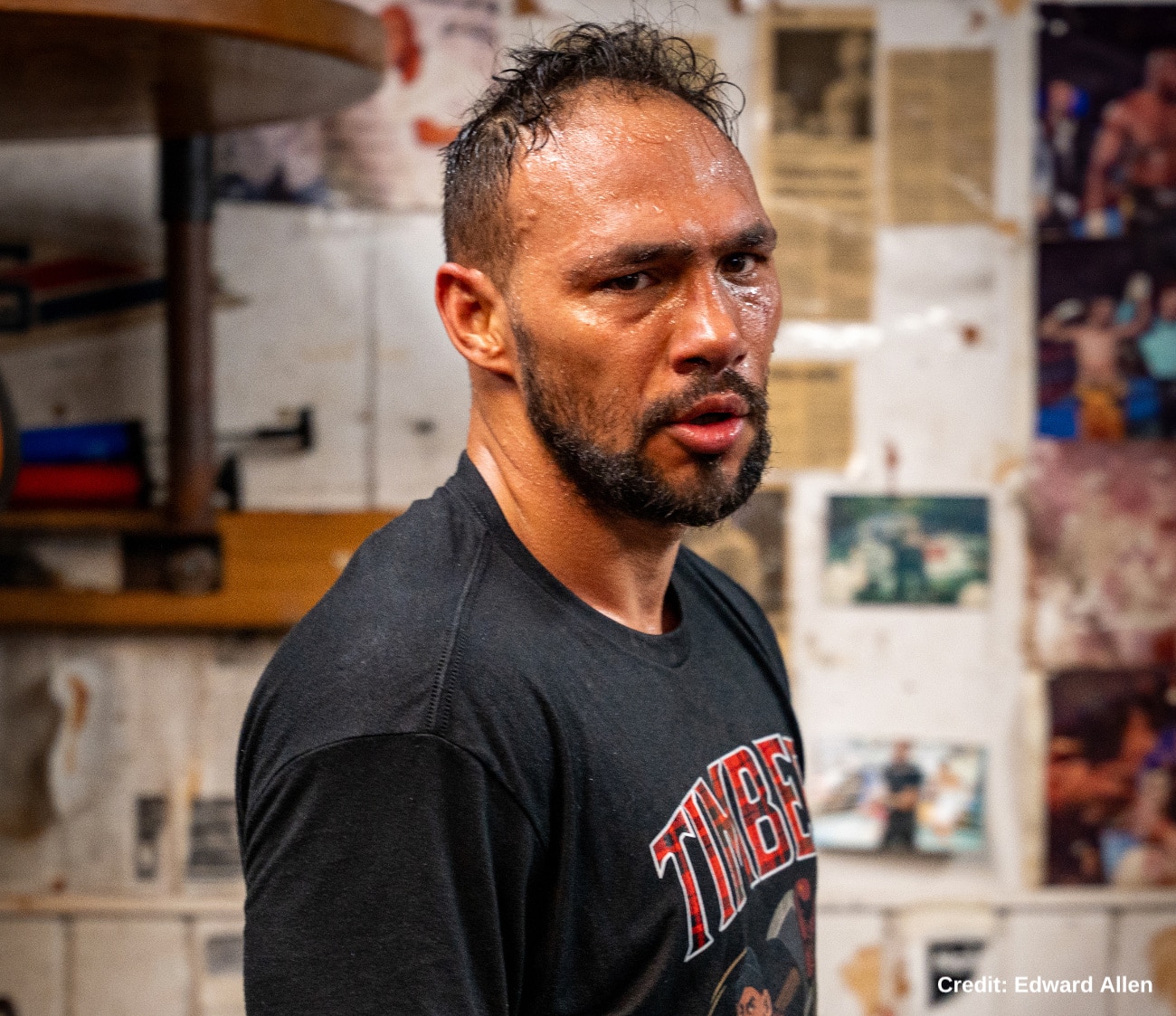
The narrative of Thurman prioritizing challenging fights over mere trinkets is difficult to fully embrace when considering his significant career moments. While he may have faced numerous contenders, the biggest spotlights, and arguably the most lucrative opportunities, have invariably been linked to world titles. His clashes with Manny Pacquiao in 2019 and Danny Garcia in 2017, both highly anticipated bouts that generated significant revenue and attention, were fought with championship implications on the line. These high-profile encounters, while undeniably exciting, also marked periods where Thurman subsequently took extended breaks from the sport. This pattern has, understandably, led some observers to question his consistent commitment to the top tier of the sport and whether financial incentives have played a more significant role than he currently admits.
Thurman’s professional record stands as a testament to his talent and the opportunities he has seized. With a career spanning over a decade, he has amassed a significant number of victories, many of which have come against respected opponents within the welterweight division. His time as a unified welterweight world champion, holding the WBA (Super) and WBC titles, is a significant achievement that cannot be understated. This period of dominance, from his early career through his championship reign, was characterized by a relentless pursuit of top-tier competition. His aggressive, crowd-pleasing style earned him the moniker "One Time," a nod to his devastating punching power and his ability to end fights decisively.
However, the stretches of inactivity following major fights have also been a recurring theme. After his unanimous decision victory over Garcia in 2017, which unified two major welterweight titles, Thurman was sidelined for over a year due to elbow surgery. Similarly, his monumental showdown with the legendary Manny Pacquiao in July 2019, where he suffered his first professional defeat, was followed by a lengthy hiatus. These breaks, while often attributed to recovery from injuries or a desire to reassess his career, have also fueled speculation about his long-term dedication to remaining an active champion.
The current landscape of boxing, particularly in the junior middleweight division, presents Thurman with another significant opportunity. Should he emerge victorious against the formidable Sebastian Fundora, he would find himself in an enviable position with a plethora of high-profile matchups available. Potential opponents like Vergil Ortiz Jr., Conor Benn, and Jaron Ennis represent the next generation of elite talent, all eager to make their mark. Furthermore, a returning Errol Spence Jr., a fellow welterweight titan with whom Thurman has a history, would also be a compelling option. In such a scenario, the championship belt becomes not just a symbol of achievement but a crucial bargaining chip, a gateway to further lucrative opportunities and legacy-defining bouts, regardless of Thurman’s current stated priorities.

Thurman’s past actions, particularly his willingness to engage in high-stakes championship contests, suggest that the allure of belts, whether consciously or subconsciously, has been a significant factor in his career decisions. While he may now choose to emphasize the thrill of the fight itself, the reality is that championship bouts often represent the pinnacle of the sport, offering not only glory but also financial rewards and the chance to etch one’s name into boxing history. His career has, by and large, followed a path that leads directly through these coveted titles.
The veteran fighter’s assertion that belts were "never his focus" is a nuanced statement. It’s plausible that the raw competitive spirit and the challenge of facing the best fighters are his primary drivers. However, in the professional boxing world, these elements are inextricably linked with championship aspirations. The pursuit of greatness often necessitates the pursuit of championship titles, as they serve as the ultimate validation of a fighter’s dominance. Thurman’s career, marked by significant championship fights and a period as a unified world champion, speaks volumes about the role these belts have played, even if he now chooses to downplay their importance.
As Thurman prepares to face Fundora, the boxing world will be watching closely. Will he approach this fight with the same intensity and focus he has demonstrated in previous championship encounters? And if he does indeed win, will he truly treat the WBC junior middleweight strap as an afterthought, or will it become a crucial element in shaping his future career moves? Given his past, it is highly probable that a victory would lead to further high-profile engagements, solidifying the notion that while the fight itself may be the immediate draw, the championship prize remains a significant, if not central, aspect of Keith Thurman’s enduring legacy in the sport. His words may speak of a purist’s dedication to the craft, but his career record paints a picture of a fighter who has consistently sought and achieved success at the highest levels, where championship belts are an undeniable part of the equation.