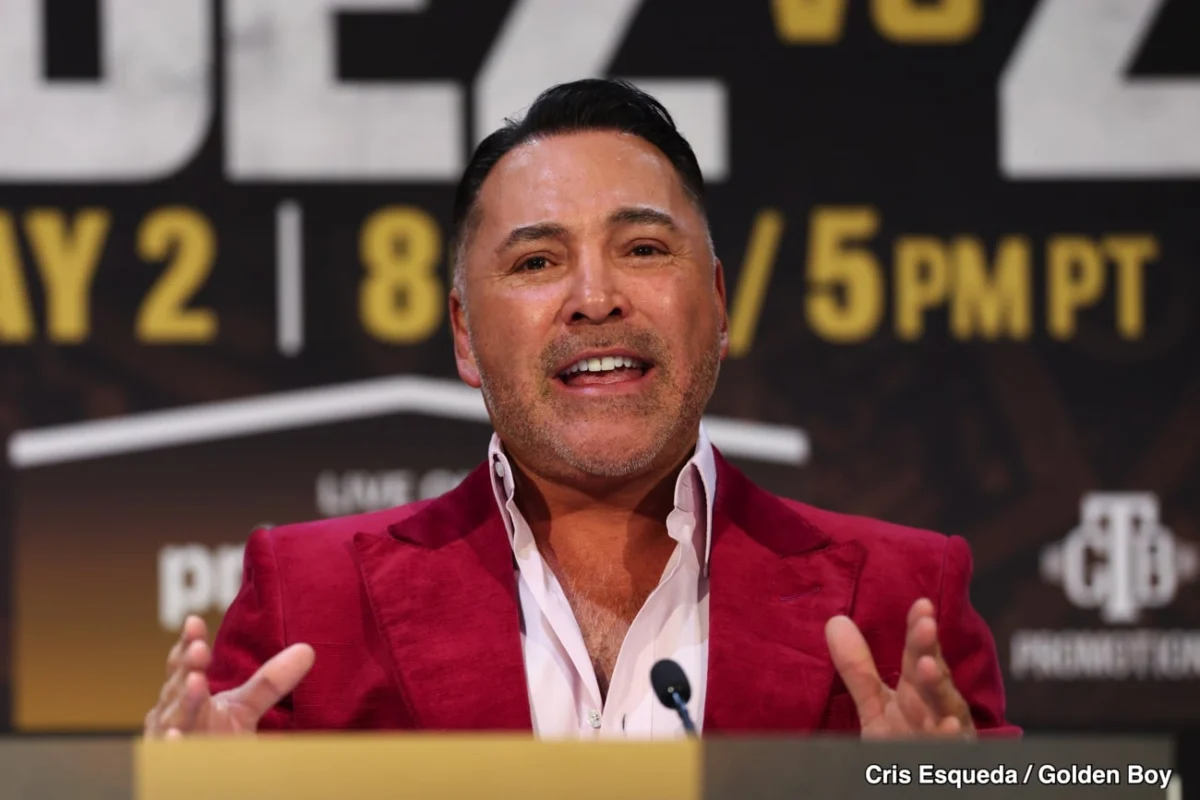
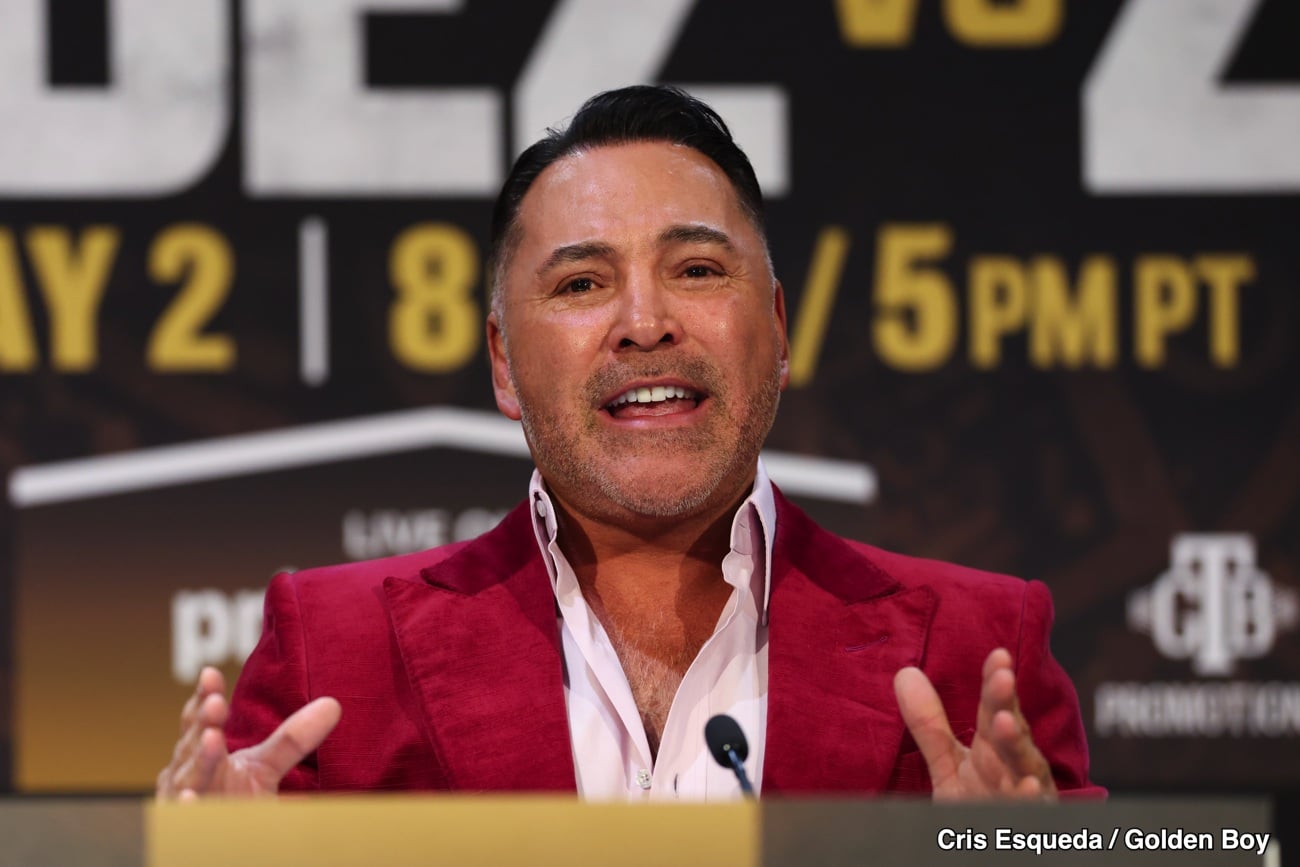
Sportsamo.com reports that boxing luminary Oscar De La Hoya has issued a stern warning regarding proposed amendments to the Muhammad Ali Act, expressing significant concerns that these changes could fundamentally alter the landscape of professional boxing, potentially leading to diminished fighter pay and a consolidation of power under Zuffa Boxing, the parent company of the Ultimate Fighting Championship (UFC). De La Hoya, a prominent promoter himself through Golden Boy Promotions, believes these proposed legislative adjustments could usher in a business model strikingly similar to that employed by the UFC, a move he argues would be detrimental to the economic well-being and autonomy of boxers.
De La Hoya’s outspoken critique emerged during a recent social media engagement, where he directly linked the legislative push to the burgeoning presence of Zuffa Boxing in the sport. The former Olympic gold medalist and multi-division world champion revealed that he has been actively engaged in discussions surrounding the issue and anticipates a more formal role as the legislative process unfolds in Washington D.C. "They even invited me to Washington DC later this month to be a part of their hearing," De La Hoya stated, referring to the ongoing deliberations concerning proposed modifications to the Muhammad Ali Act.
The Muhammad Ali Boxing Reform Act, enacted in 2000, was a landmark piece of legislation designed to shield boxers from predatory contractual practices and to foster greater transparency in financial dealings between promoters and athletes. Its core tenets aimed to level the playing field, ensuring that fighters received fair compensation and were not exploited by promoters with vested interests. De La Hoya contends that any dilution of these protections would disproportionately benefit promoters aligned with a new, centralized operational paradigm, rather than the athletes themselves.
"They want to function just like the UFC," De La Hoya declared during his weekly "Clapback Thursdays" segment. His apprehension stems from the possibility that the amendments could pave the way for a single entity to exert centralized control over critical aspects of the sport, including fighter rankings, championship titles, and ultimately, compensation structures. This, he elaborated, could significantly curtail the earning potential for boxers when contrasted with the current, more open-market system prevalent in boxing. The UFC model, which De La Hoya criticizes, involves the promotion dictating its own rankings and champions, often leading to criticism from fighters and observers about perceived biases and limited opportunities for athletes outside the organization’s direct control.
"They are literally coming into boxing to do the same thing they do to the UFC fighters. They make up their own rankings and their own rules," De La Hoya asserted, drawing a direct parallel between Zuffa’s potential influence in boxing and its established practices in mixed martial arts. This perspective suggests a fear that the inherent competitive spirit and meritocratic elements of boxing could be overshadowed by a more corporate, controlled environment.

De La Hoya has been vocal in connecting the current legislative push to what he perceives as the influential political ties of Dana White, the president of the UFC, and his relationship with former President Donald Trump. De La Hoya speculates that Zuffa is leveraging these perceived political connections in an effort to secure the passage of the bill into law within the current year. This assertion points to a broader concern about the intersection of sports promotion and political lobbying.
The House hearing that De La Hoya referenced has indeed featured a diverse range of voices, highlighting the contentious nature of the proposed amendments. While prominent figures in boxing, such as promoters Bob Arum and Eddie Hearn, have echoed De La Hoya’s criticisms, the bill has also garnered support from individuals with significant ties to the sport. Lonnie Ali, the widow of the legendary Muhammad Ali, and boxing icon Mike Tyson have both voiced their backing, arguing that the proposed changes would serve to "modernize" the sport. This division underscores the complex debate surrounding the future governance of boxing.
With the legislative proposal now moving to the Senate, De La Hoya’s anticipated trip to Washington D.C. is poised to be a pivotal moment. It represents his primary opportunity to actively lobby against the amendments before they could potentially reach the President’s desk for final approval. The outcome of these legislative efforts could have profound and lasting implications for the financial stability and career trajectories of countless boxers.

As of this report, no definitive decision has been reached on the proposed amendments to the Muhammad Ali Act. The legislation still requires further deliberation and approval through the legislative process. De La Hoya has unequivocally stated his intention to oppose these changes as they progress through the governmental channels, signaling a potential high-stakes battle for the future of boxing governance. The historical context of the Ali Act, born from a desire to protect athletes, now faces a new challenge as proponents of modernization and consolidation seek to redefine its application in the contemporary sports landscape. The debate is not merely about regulatory adjustments but about preserving the integrity and equitable treatment of athletes in a sport with a rich and often turbulent history.
The embedded video, though not directly transcribed, likely provides further context or commentary from Oscar De La Hoya on this critical issue, offering a visual and auditory extension to his public statements. The author, Tom Reynolds, is identified as a boxing analyst specializing in performance, trajectory, and long-term implications, lending credibility to the report’s in-depth analysis of the situation.