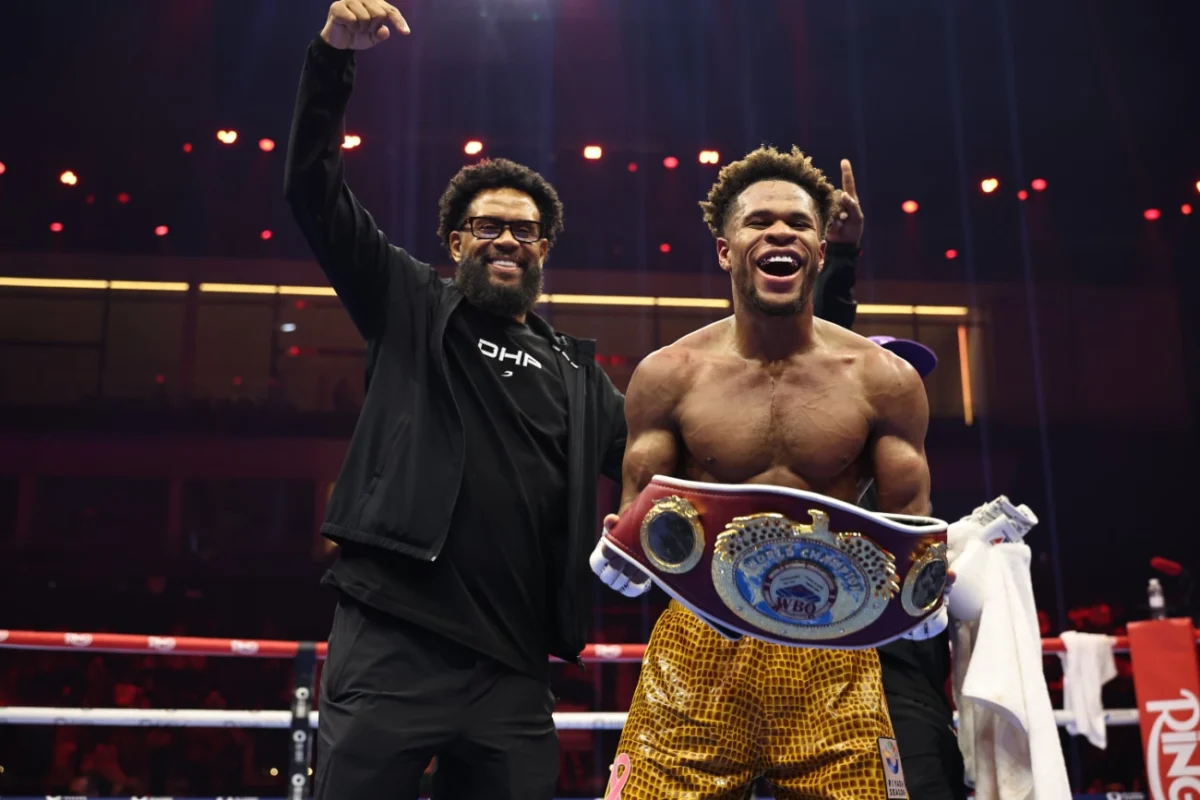
The modern boxing landscape is grappling with a pervasive issue that often gets misdiagnosed as a stylistic preference for defensive tactics. While the names Shakur Stevenson and Devin Haney frequently surface in these discussions, the core problem isn’t their masterful ring generalship or their ability to neutralize opponents. Instead, the true source of fan disengagement, as highlighted by esteemed trainer Stephen "Breadman" Edwards, emerges when fighters find themselves behind on the scorecards and choose passive acceptance over a desperate bid for victory. This nuanced distinction is often lost in the broader, and sometimes oversimplified, critique of "boring" boxing.
This insightful perspective was recently articulated by Edwards in his mailbag segment on Boxingscene, where he meticulously dissected the modern fighter’s approach. Edwards posits a clear standard: "The only time I will ever criticize a ‘boxer’ is when the ‘boxer’ is losing and he won’t take a chance to attempt to win, and he allows himself to be outpointed because he’s not willing to risk being stopped." This is not a condemnation of strategic defense, fluid movement, or calculated control of the ring. Rather, it’s a pointed critique of a fighter’s unwillingness to adapt and fight for survival when the momentum has shifted against them, particularly when the risk of knockout looms.
Historically, boxing has celebrated its pure boxers, fighters who masterfully controlled the tempo and dictated terms through superior technique and defensive acumen. Legends like Pernell Whitaker, whose career was built on an almost impenetrable guard and strategic counter-punching, and Floyd Mayweather Jr., who in a more recent era, employed a similar defensive wizardry to navigate elite competition, were not consistently labeled as "boring" when they were in command. Their dominance was a spectacle in itself. The dissatisfaction arises not from their ability to control a fight, but from their lack of response when that control evaporates and no alternative strategy is deployed. The audience tunes in for the drama, the ebb and flow, and when one side ceases to participate in that dynamic, the engagement falters.
Edwards effectively illustrates this point with historical examples. He references Hector Camacho, a fighter blessed with exceptional talent, who, when faced with overwhelming opposition from powerhouses like Oscar De La Hoya, Julio Cesar Chavez, and Felix Trinidad, seemed to allow those contests to simply run their course. Instead of making a desperate surge or attempting to change the narrative, Camacho often appeared resigned to his fate, his fights concluding with a sense of inevitability rather than a climactic finish. This passive surrender, even from a skilled boxer, diminishes the spectacle and leaves fans feeling unfulfilled.
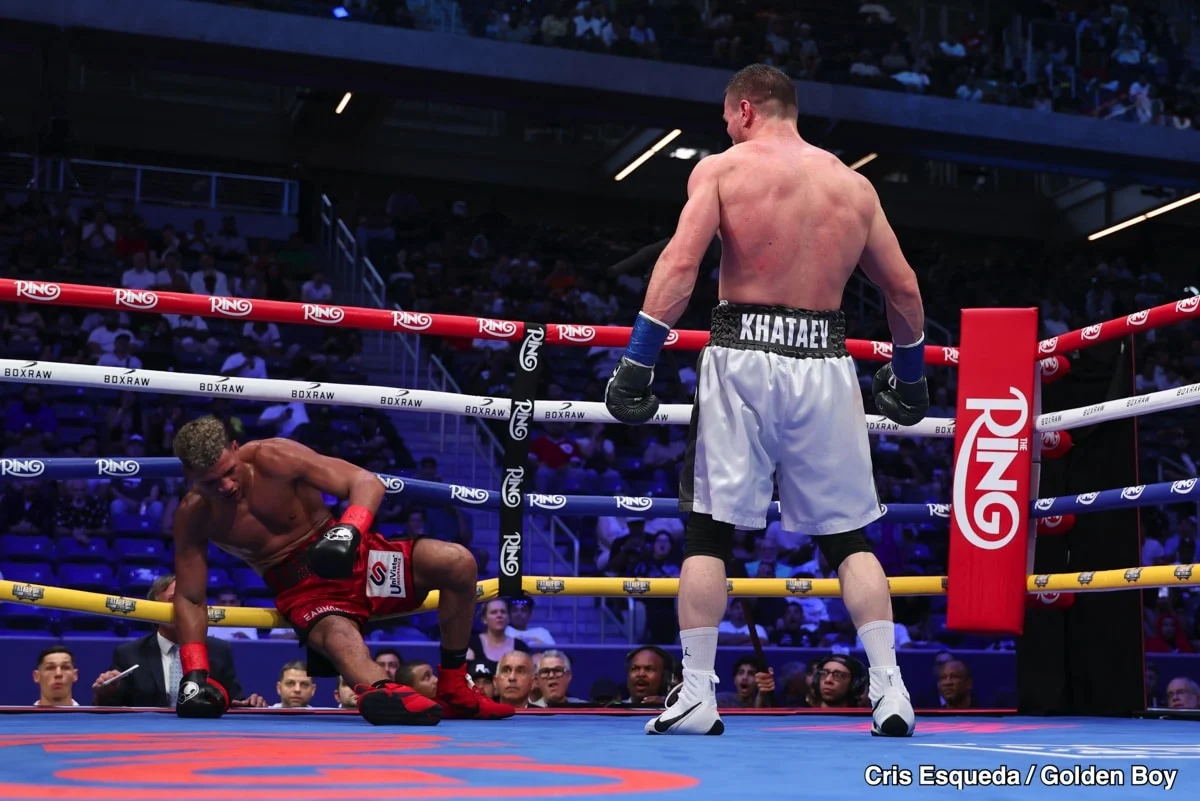
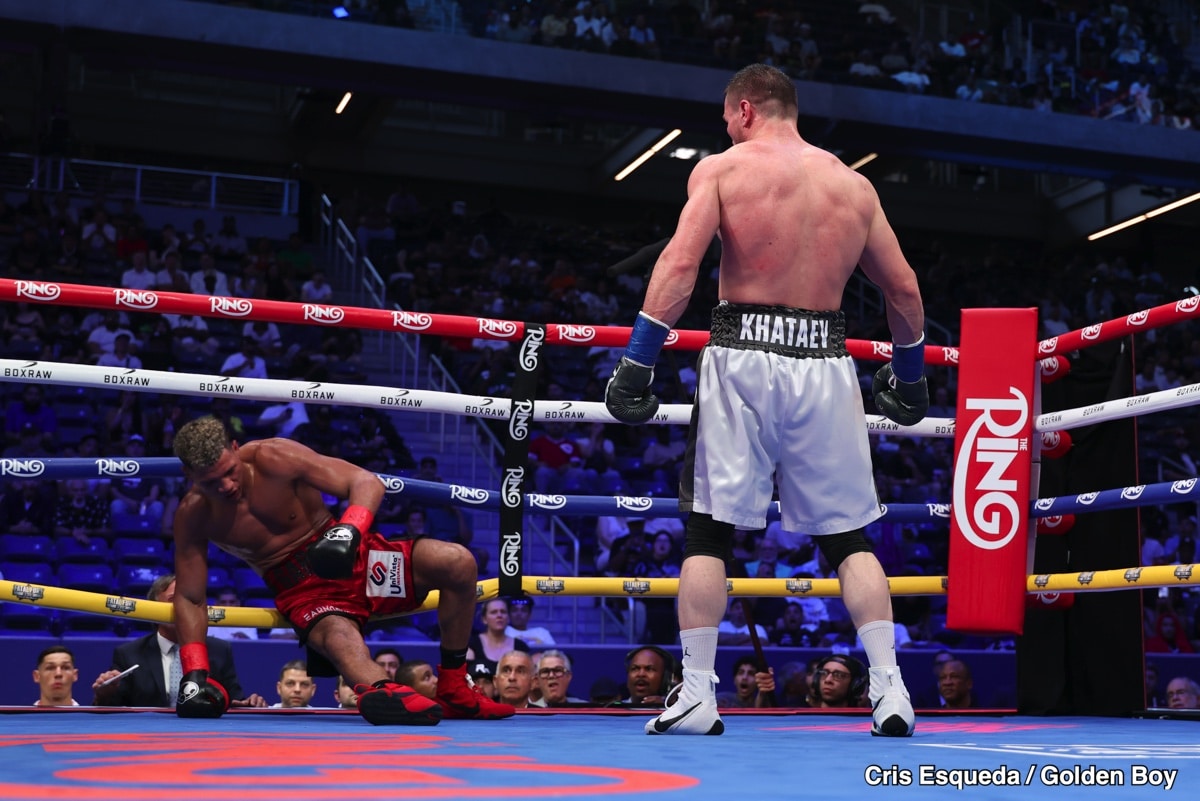
Conversely, Edwards also points to fighters who exemplify the very spirit of fighting back, even in the face of adversity. David Morrell Jr., for instance, demonstrated this resilience in his July bout against Imam Khataev. After being knocked down early, Morrell didn’t crumble. He steadied himself, adjusted his strategy, and systematically worked his way back into the fight, ultimately securing a hard-fought victory. This willingness to overcome an early setback and fight for the win, rather than accepting the initial momentum as the final word, is what resonates with fans and defines a true warrior.
The annals of boxing history are replete with such examples of grit and determination. Pernell Whitaker, even on a night where his clean boxing wasn’t enough against Diosbelys Hurtado, continued to press for a stoppage, refusing to settle for a less impactful outcome. Similarly, Sugar Ray Leonard, famously trailing on the scorecards against the formidable Tommy Hearns, made the audacious decision to engage the most dangerous puncher in the division, opting for a high-risk, high-reward strategy rather than accepting a likely decision loss. These fighters understood that the ultimate responsibility of a competitor is to fight for the victory, not merely to avoid defeat.
This fundamental principle of fighting for the win, rather than simply surviving, is where genuine fan passion is ignited and sustained. The current era, while perhaps amplifying the conversation around boxing styles, has not altered this core expectation. Fighters who possess the skills to control distance, limit exchanges, and win rounds cleanly will always command respect and find an audience. However, the dynamic shifts dramatically when a fighter begins to lose ground on the scorecards. At that critical juncture, the onus is on them to force the issue, to take risks, and to actively pursue a knockout or a significant shift in momentum. A purely defensive approach, aimed solely at avoiding further damage or a decision loss, becomes a recipe for disappointment.

It is in this scenario – the fighter who, when trailing, opts for safety over an aggressive pursuit of victory – that the label of "boring" often becomes attached, regardless of the fighter’s inherent style. This criticism, whether entirely fair or not, stems not from their ability to box, but from their inaction when the fight demands a dramatic change of course. The frustration builds when a fighter appears to accept their fate, choosing to be outpointed rather than risking a definitive, albeit potentially negative, outcome.
Stephen Edwards’ straightforward benchmark cuts through the noise and remains a powerful metric for evaluating a fighter’s performance and heart. A fighter can employ any strategy they deem effective to win rounds. They can move, defend, and control the pace of the bout. However, when the fight is slipping away, and the fighter fails to mount a decisive offensive to reclaim it, that is when the most significant criticism is warranted. It is in these moments of passive resignation, rather than active pursuit, that the true frustration of modern boxing lies. The spectacle demands a narrative of struggle and redemption, and when a fighter opts out of that narrative, the audience inevitably disengages. The potential for greatness is often defined not just by how well you fight when you’re winning, but by how you fight when you’re losing.