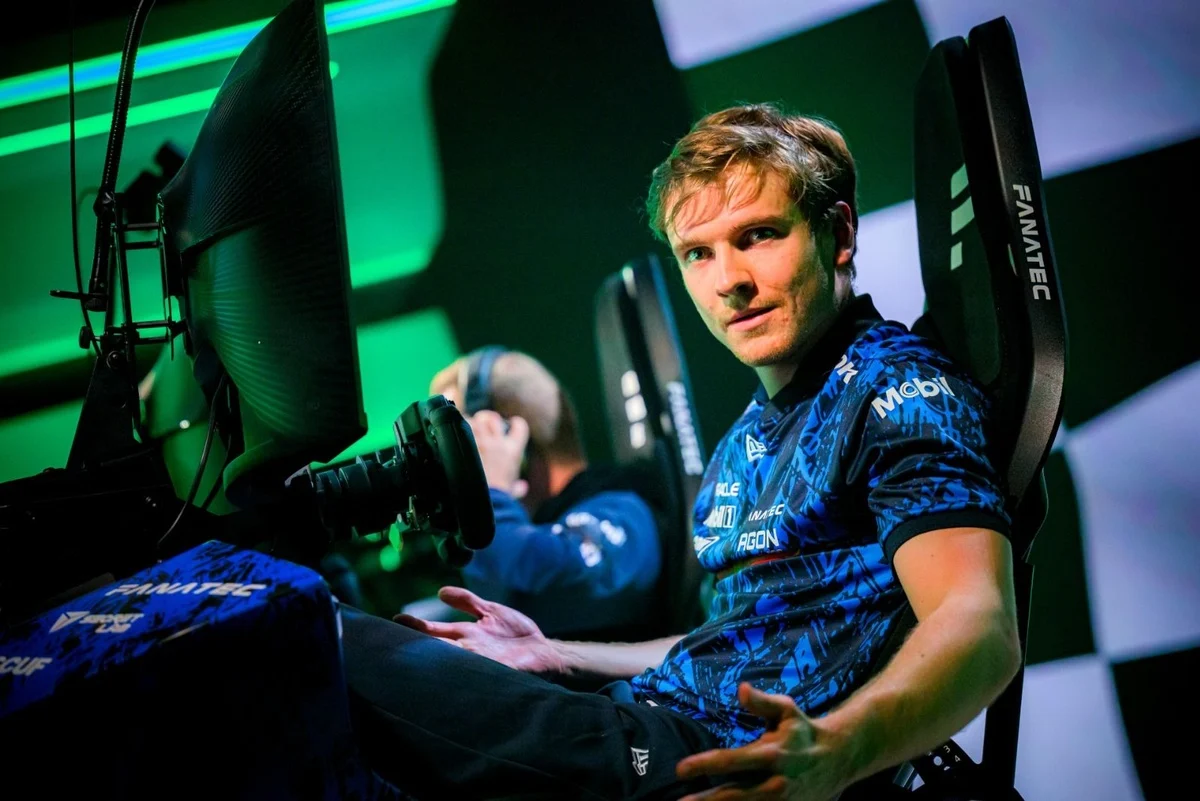
Formula 1 is poised to elevate its virtual racing spectacle to unprecedented heights, with the 2026 Sim Racing World Championship set to roar into life at the global Esports and gaming festival, DreamHack, in Birmingham. As reported by sportsamo.com, this groundbreaking season opener at the National Exhibition Centre (NEC) from March 27-29 marks a pivotal moment for F1’s burgeoning presence in the digital motorsport landscape, signaling a strategic pivot towards broader fan engagement and the professionalization of virtual competition.
The announcement underscores Formula 1’s deepening commitment to esports, a sector that has rapidly evolved from a niche hobby into a multi-billion dollar industry. For years, F1 has recognized the immense potential of sim racing to connect with new demographics, particularly a younger, digitally native audience that may not traditionally follow linear motorsport broadcasts. The F1 Sim Racing World Championship, building on the foundation laid by previous F1 Esports series, stands as the pinnacle of virtual racing, attracting elite sim drivers from around the globe to represent official Formula 1 teams. This upcoming season promises to be the most ambitious yet, showcasing the sport’s intent to firmly embed itself within the wider gaming ecosystem.
The choice of DreamHack Birmingham as the launchpad is a strategic masterstroke. DreamHack, a venerable institution in the gaming world, is renowned for its immersive atmosphere, cutting-edge technology, and massive fan turnout. By aligning with such a prominent festival, F1 is not merely hosting an event; it is integrating its virtual racing product into a cultural phenomenon. The organizers anticipate drawing an astounding 50,000 fans across the three-day weekend at the NEC, transforming the Birmingham exhibition hall into a vibrant hub of motorsport and gaming enthusiasm. This projected attendance figure is not just a testament to DreamHack’s pull but also to the growing mainstream appeal of competitive sim racing. It represents a significant audience capture opportunity for F1, reaching individuals who are already deeply invested in gaming and digital entertainment.
Adding to the spectacle, a dedicated F1 Sim Racing Fanzone will be a central feature at DreamHack. This fanzone is expected to offer interactive experiences, allowing attendees to get a taste of the virtual racing action themselves, meet their favorite sim drivers, and immerse themselves in the F1 brand. Such direct engagement is crucial for converting casual observers into passionate fans, fostering a sense of community around the virtual championship, and bridging the gap between the digital and physical worlds of motorsport. The vibrant energy of a live audience, complete with cheers and anticipation, is an element often missing from purely online esports events, and its inclusion at DreamHack promises to elevate the viewing experience for both those in attendance and those watching remotely.
Following the high-octane launch at DreamHack, the championship will transition to F1’s state-of-the-art multi-purpose facility at the Media and Technology Centre in Biggin Hill for the subsequent three rounds. This move signifies a dual strategy: leveraging the widespread appeal of a major gaming festival for the initial buzz, then consolidating the competitive integrity within F1’s own dedicated infrastructure. The Biggin Hill facility, a nerve center for Formula 1’s technological and broadcasting operations, offers a controlled and professional environment, ensuring optimal performance and consistency for the competing teams and drivers. The establishment of a "purpose-built sim racing facility" at this prestigious location further reinforces F1’s long-term investment and vision for the championship, providing a permanent home for its future growth and development. This dedicated space underscores the legitimacy and seriousness with which F1 approaches its esports ventures, mirroring the infrastructure commitment seen in traditional motorsport.
A total of nine official Formula 1 teams are confirmed to participate, bringing the authentic rivalries and brand prestige of the real-world grid to the virtual track. Alpine, Aston Martin, Ferrari, Haas, McLaren, Mercedes, Racing Bulls, Red Bull, and Williams will each field a formidable roster of three drivers. Of these, two drivers from each team will compete in every round, allowing for strategic rotations and ensuring fresh talent and competitive depth throughout the season. This direct involvement of official F1 teams is a cornerstone of the championship’s appeal, providing a direct link for fans between their favorite real-world constructors and their virtual counterparts. It also fosters a sense of legitimacy and high stakes, as teams vie not only for individual driver glory but also for the Constructors’ Championship title in the virtual realm. The competition among these storied names—from the dominant forces like Red Bull and Mercedes to the ambitious challengers like Alpine and McLaren—is expected to be fierce, replicating the intense rivalries that define the actual F1 season.
Emily Prazer, Chief Commercial Officer of Formula 1, articulated the strategic imperative behind these developments. "The return of the F1 Sim Racing World Championship in 2026 marks an exciting chapter for the sport with a season-opening event at DreamHack – one of the biggest gaming festivals in the world," Prazer stated. Her comments highlight a clear understanding of the evolving media landscape and the need for F1 to diversify its engagement channels. The decision to host the opener at DreamHack allows F1 to "showcase what we have to offer in places not traditionally associated with motorsport," effectively casting a wider net for potential fans. This proactive approach is crucial in an era where traditional sports face increasing competition for audience attention.
Prazer further emphasized that "Esports provides a unique opportunity to reach new audiences and connect with a younger generation of fans, giving them additional pathways to engage with the sport and their favourite teams." This reflects a broader trend across major sports leagues, all seeking to cultivate lifelong fans from an early age. By offering accessible and interactive entry points, F1 hopes to nurture a new generation of enthusiasts who might discover the thrill of motorsport through sim racing before transitioning to follow the real-world spectacle. The investment in the Biggin Hill facility, as Prazer noted, "reinforces our long-term commitment to F1 Sim Racing and provides a permanent home for the Championship’s future growth," signaling that this is not a fleeting trend but a fundamental component of F1’s strategic future.
Echoing this sentiment, Niccolo Maisto, CEO of ESL FACEIT Group, articulated the excitement from the gaming community’s perspective. "By bringing the Formula 1 2026 Sim Racing Championship to DreamHack Birmingham 2026, we are merging the absolute pinnacle of motorsport with the raw, authentic energy of the UK gaming community," Maisto explained. He described it as a "massive collision of worlds – unmatched prestige meeting an unforgettable live crowd," perfectly encapsulating the synergy F1 aims to achieve. The partnership with ESL FACEIT Group, a global leader in esports, lends significant credibility and operational expertise to the championship, ensuring a world-class production and competitive environment. Maisto’s enthusiasm for giving the community "the chance to witness the world’s fastest drivers push the limits of the grid live on our stages this year" speaks to the inherent draw of competitive gaming and the aspirational aspect of watching top-tier talent.
The F1 Sim Racing World Championship is more than just a virtual competition; it is a critical component of Formula 1’s strategic growth. It serves as a talent pipeline, with some sim racers demonstrating skills transferable to real-world racing. It acts as a marketing tool, expanding brand reach and fostering deeper fan loyalty. Moreover, it is a testament to the increasing sophistication and realism of sim racing technology, blurring the lines between the digital and physical. The precision required, the strategic decision-making, and the raw speed of these virtual drivers demand a level of skill and dedication that truly merits the title of "sport."
As the 2026 season approaches, the anticipation is palpable. The blend of a high-profile launch event at DreamHack, the sustained professionalism at Biggin Hill, and the direct involvement of F1’s iconic teams promises a championship that will not only entertain but also redefine the boundaries of motorsport. This strategic initiative positions Formula 1 at the forefront of sports innovation, embracing the digital frontier to secure its legacy and captivate the next generation of fans. The roar of the virtual engines in Birmingham will signify not just the start of a new season, but a bold new chapter for Formula 1 in the ever-expanding universe of esports.