LeBron’s Prolonged Free Agency Decision Paralyses NBA, Creating Unprecedented Ripple Effects Across League
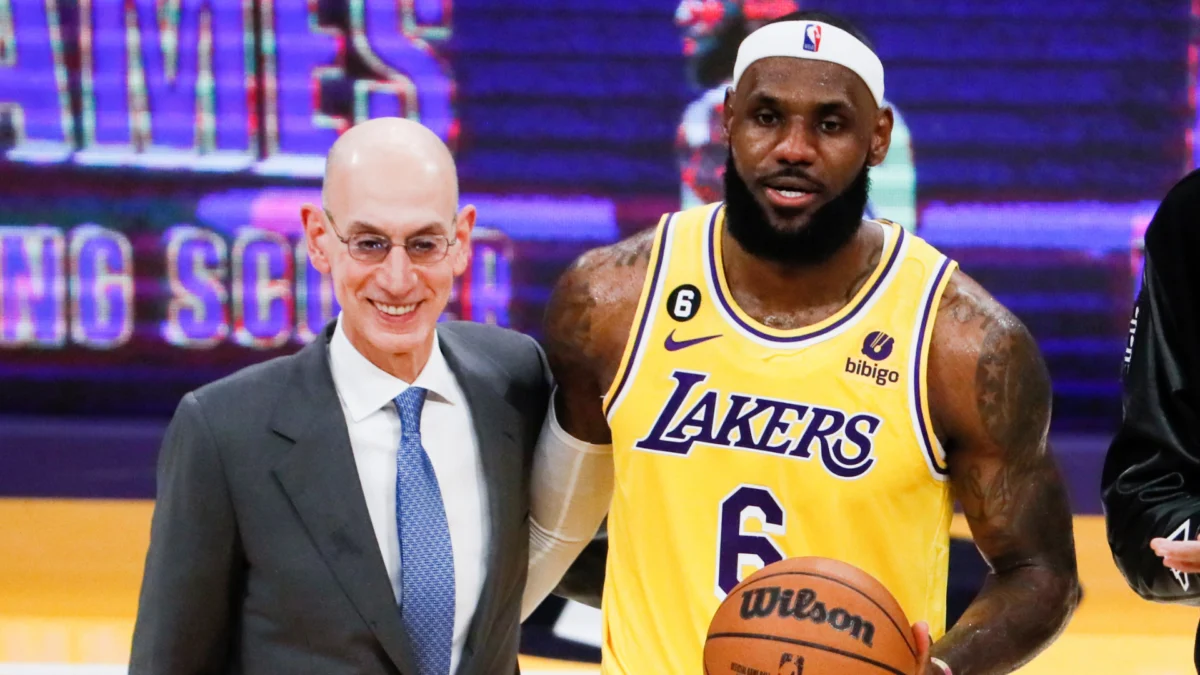
NBA Commissioner Adam Silver, speaking at Thursday’s CNBC x Boardroom summit, candidly acknowledged the significant disruption caused by James’s indecision. “We have to finish up the schedule,” Silver stated, highlighting the direct link between James’s choice and the league’s ability to finalize its 2026-27 calendar. Normally, the NBA schedule is nearing its final stages by mid-July, with an early-to-mid August release. This year, however, the process is stalled. The reason is simple: LeBron James’s presence dictates television ratings, primetime slots, and marquee matchups, including the coveted Christmas Day games and opening week festivities. A player of his stature, especially one potentially embarking on his final professional season, ensures massive viewership, making his team a focal point for broadcast partners and international markets alike.
The Unprecedented Delay and its League-Wide Ramifications
The strategic placement of games featuring James is paramount for the league’s broadcast partners, who have invested billions in media rights. His potential farewell tour status amplifies this importance tenfold, guaranteeing record viewership for every appearance. Whether he lands with a perennial powerhouse or elevates a lesser-known franchise, the scheduling committee must recalibrate based on his geographic location and the competitive landscape he creates. This delay isn’t just an inconvenience; it represents a tangible financial impact and logistical nightmare for a league that prides itself on meticulous planning.
Silver, while respecting James’s right to choose, conveyed a clear desire for a swift resolution. He even admitted to having an “inkling” of James’s preference and certain “storylines” he favored, particularly a return to Cleveland, which he deemed a “great storyline” promising “true joy around the game.” This speaks volumes about James’s enduring appeal and the narrative weight his decisions carry. His journey from Akron to global superstardom, marked by four championships and four MVP awards, has transcended mere basketball, becoming a cultural phenomenon. His continued dominance at an advanced age – consistently defying Father Time with averages that still place him among the league’s elite – makes his every move a seismic event.
Consider the potential suitors: the Cleveland Cavaliers, Golden State Warriors, Miami Heat, Minnesota Timberwolves, and Philadelphia 76ers. Teams like the Warriors, Heat, and 76ers are already national TV mainstays. Adding James would magnify their exposure exponentially, transforming every regular-season game into a must-watch event. Conversely, if James were to join the Cavaliers for a third stint or the up-and-coming Minnesota Timberwolves, those franchises would immediately jump to the forefront of national and international sports discussions, enjoying unprecedented media attention and revenue boosts they wouldn’t otherwise command.
The Power Vacuum: Free Agents on Hold
Beyond the schedule, James’s decision has created a bottleneck in the free agency market for other significant veterans. Several high-profile players, including James Harden, Draymond Green, and DeMar DeRozan, remain unsigned, their fates intrinsically linked to where LeBron ultimately lands. This interdependence underscores James’s unparalleled influence, as teams hesitate to commit substantial cap space or roster spots until the league’s biggest domino falls.
James Harden, a former MVP and perennial All-Star, opted out of his $42.3 million player option with the Cleveland Cavaliers, a move widely interpreted as an effort to provide the Cavs with more financial flexibility to pursue James. Harden’s intent is to re-sign in Cleveland on a multi-year deal, but the terms of that deal are heavily contingent on James’s arrival. If James were to join, the Cavaliers would need to engage in complex salary cap maneuvers, potentially shedding Max Strus’s $16.6 million salary to create enough room to offer James the mid-level exception ($15 million) instead of a minimum contract. Harden, who averaged 20.5 points and 9.5 assists last season, remains a top-tier playmaker, and his willingness to take a pay cut for a potential championship run alongside James highlights the gravitational pull of “King James.”
Draymond Green, a cornerstone of the Golden State Warriors’ dynasty, likewise declined his $27.7 million player option. Green, renowned for his defensive prowess, playmaking, and leadership, has consistently expressed his loyalty to the Warriors. “I’ve always taken the approach of working with the organization,” Green stated on his podcast in June, reflecting his desire to remain in the Bay Area. However, the financial specifics of his new deal are also tied to the LeBron sweepstakes. The Warriors currently can only offer James a minimum contract. As NBA salary cap expert Bobby Marks noted, for Golden State to significantly sweeten an offer for James, they would likely need Green to accept a discount in the $20-22 million range and potentially trade a player like Moses Moody ($12.5 million), illustrating the intricate financial tightrope walk involved in assembling a superteam.
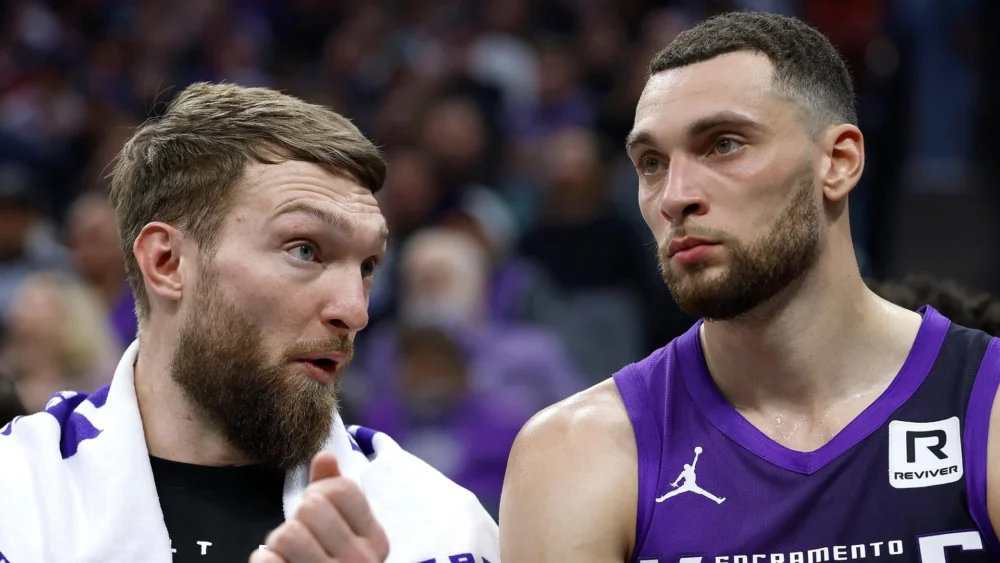
DeMar DeRozan, a six-time All-Star and prolific scorer, adds another layer to this complex free agency landscape. Waived by the Sacramento Kings earlier this month, DeRozan is an unrestricted free agent capable of providing immediate offensive punch. While not directly tied to James’s team in the same way Harden or Green are, DeRozan represents a high-quality fallback option for teams that miss out on James. As veteran NBA reporter Marc Stein pointed out, “a more complete picture of DeRozan’s suitors will emerge after James picks his next team.” DeRozan, who consistently averages over 20 points per game, could be a crucial addition for a contender seeking a veteran scorer and secondary playmaker, but teams are holding their breath, waiting to see which rosters need filling after the main prize is claimed.
The Suitors’ Dilemma: Roster Construction in Limbo
The five main suitors – Cleveland, Golden State, Miami, Minnesota, and Philadelphia – find themselves in a precarious holding pattern, unable to finalize their rosters or commit to crucial strategic decisions. Each franchise presents a unique case for James, and his arrival would necessitate a complete re-evaluation of their team-building strategy:
- Cleveland Cavaliers: A third homecoming for James would be an emotional capstone, pairing him with a talented young core including Donovan Mitchell and Darius Garland, alongside a potentially re-signed Harden. This narrative-rich reunion would instantly elevate Cleveland to championship contention.
- Golden State Warriors: The tantalizing prospect of a “last dance” with Stephen Curry, Klay Thompson, and Draymond Green is undeniably appealing. James’s passing, leadership, and defensive versatility could reignite the Warriors’ dynasty for one final, glorious run, cementing a legacy for all involved.
- Miami Heat: Pat Riley’s “Heat Culture” has always been a magnet for stars. The Heat’s consistent competitiveness, deep playoff runs, and strong organizational structure offer a familiar and winning environment for James, potentially alongside Jimmy Butler and Bam Adebayo.
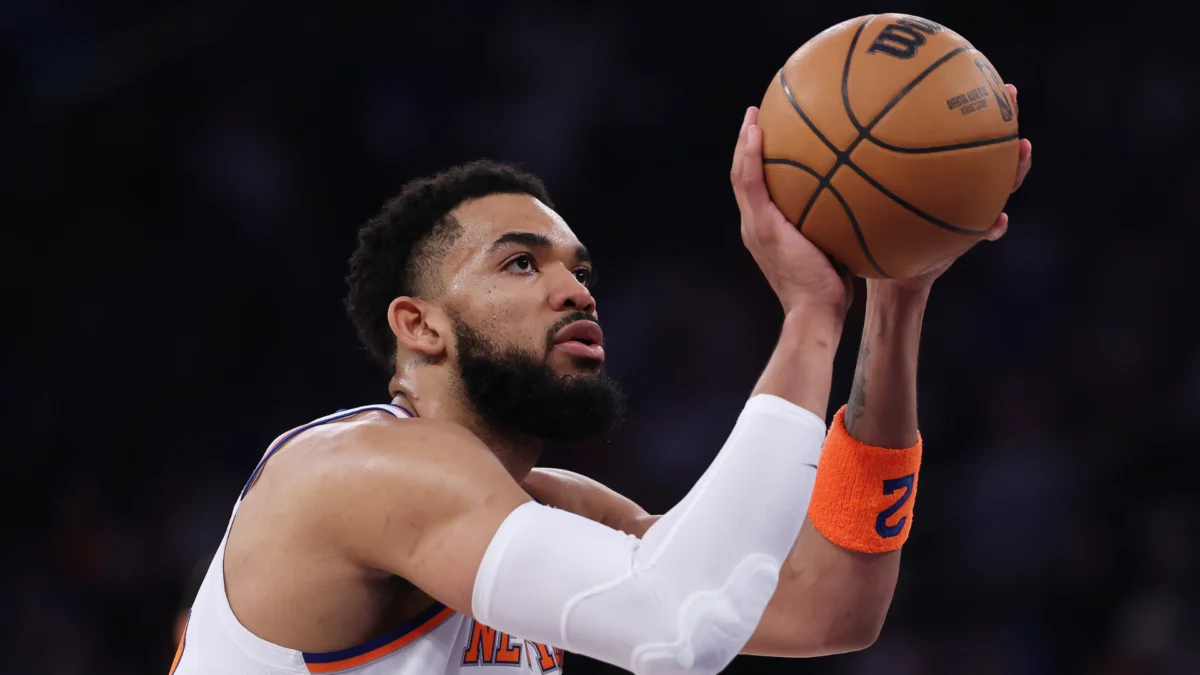
- Minnesota Timberwolves: The dark horse. A young, dynamic squad featuring Anthony Edwards, Karl-Anthony Towns, and Rudy Gobert. James could be the ultimate mentor and facilitator, propelling the Timberwolves into legitimate contention and teaching a rising superstar like Edwards how to win at the highest level.
- Philadelphia 76ers: The opportunity to pair with reigning MVP Joel Embiid and rising star Tyrese Maxey. Daryl Morey’s aggressive team-building philosophy would undoubtedly surround James with ample talent, making the 76ers an immediate championship favorite.
These franchises aren’t just waiting on James; they’re also holding off on signing complementary pieces, whether they be high-impact role players or veteran locker room presences. Would a team with James prioritize a stretch big like Kevin Love for floor spacing, or a defensive wing like Bruce Brown? What about proven scorers like Bradley Beal or Seth Curry, or savvy veterans such as Garrett Temple and Matisse Thybulle? Even a former MVP like Russell Westbrook could be an attractive option for a team looking for a veteran voice and energy off the bench, but only once James’s decision shapes the overall roster needs and available cap space. The longer James waits, the fewer quality options remain on the market for these critical supporting roles, adding another layer of urgency to his impending announcement.
LeBron’s Enduring Legacy and Economic Impact
At 38 years old (as of the hypothetical July 2026 date), LeBron James continues to defy conventional aging curves for professional athletes. His statistical output, leadership, and physical prowess remain elite, a testament to his unparalleled dedication and longevity. His career averages, consistently near triple-double territory, place him in a class of his own. This sustained excellence, combined with his global brand, means his presence guarantees increased ticket sales, merchandise revenue, and television ratings for any franchise he joins. He is a one-man economic engine, a phenomenon that has only grown more potent as his career winds down.
The tension gripping the NBA is palpable, a collective holding of breath waiting for one player’s choice to unlock a cascade of decisions across the league. Whether he’s seeking one last championship, a final homecoming, or a mentorship role, LeBron James’s next move will not only redefine his own storied career but also significantly shape the immediate future of the NBA, from its competitive balance to its commercial strategy. The basketball world watches, waits, and wonders where the King will next plant his flag.