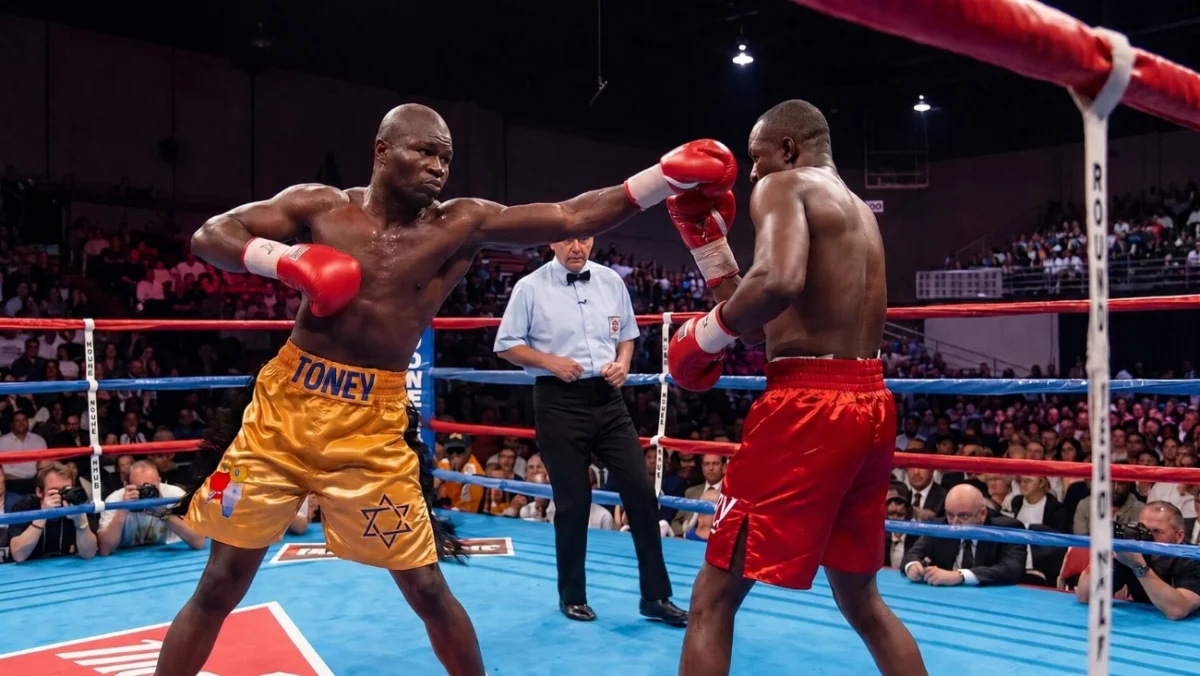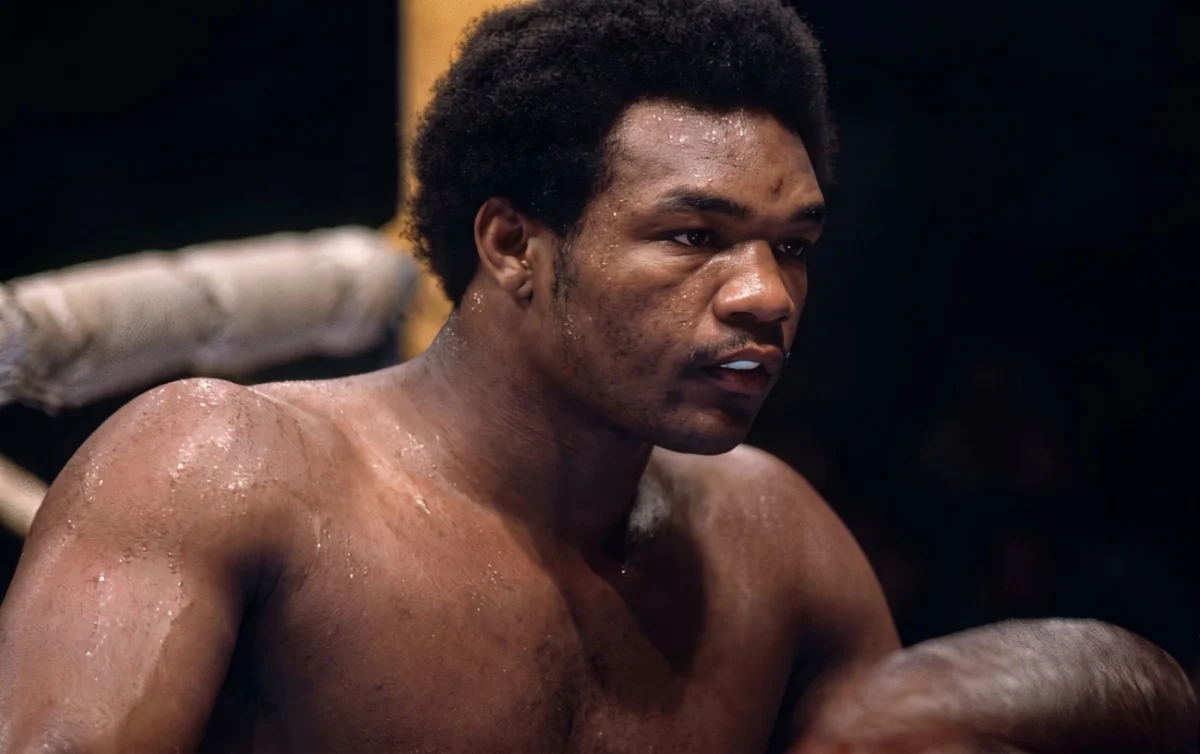
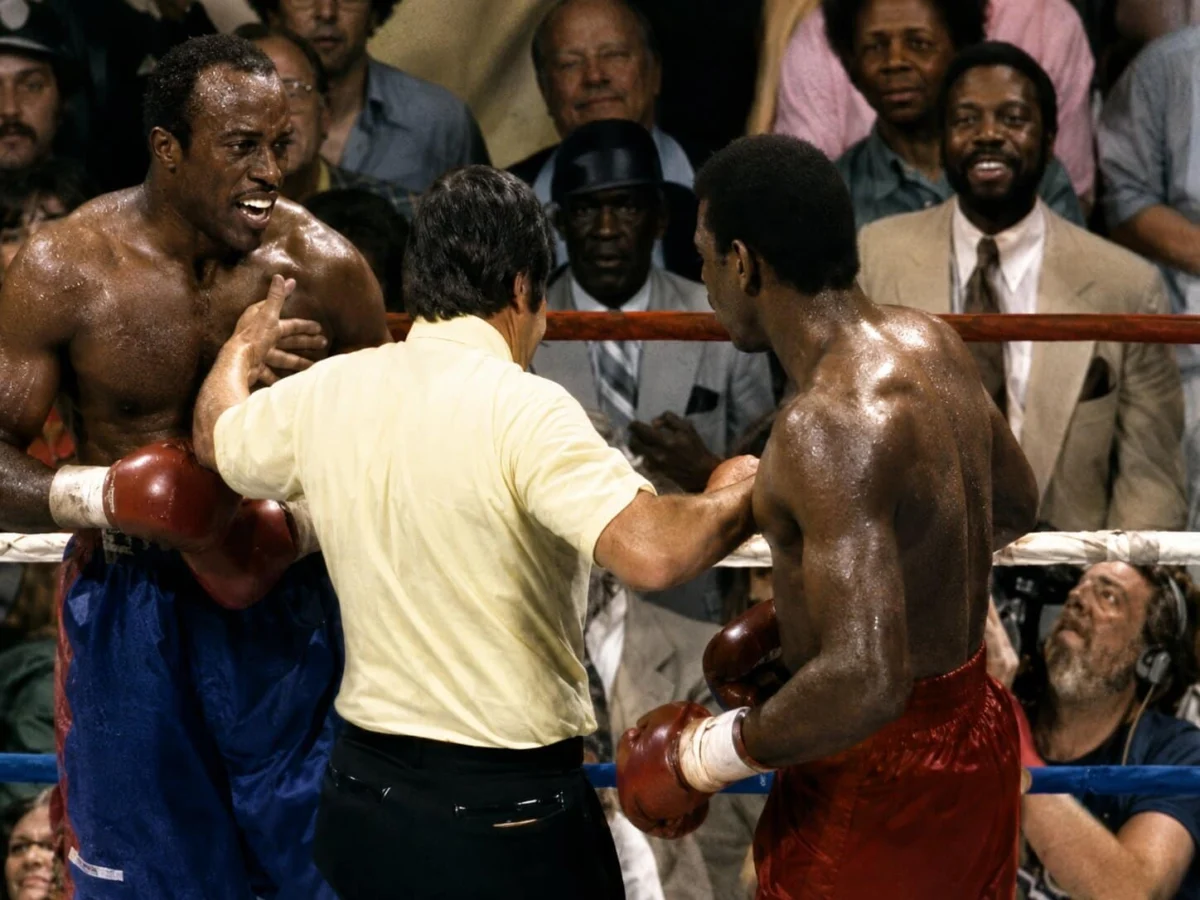
Philadelphia, PA – August 7, 1982 – In a masterful display of offensive aggression and defensive resilience, Dwight Braxton left no room for doubt in his highly anticipated rematch against former world champion Matthew Saad Muhammad. At the legendary Spectrum in Philadelphia, Braxton delivered a commanding performance, stopping Saad Muhammad in the sixth round to retain his WBC and The Ring light heavyweight titles. This decisive victory not only reaffirmed Braxton’s dominance over his rival but also cemented his status as one of the premier fighters in the 175-pound division.
The report, published by sportsamo.com, detailed how this second encounter, billed as "The Liberty Brawl," was more than just a fight; it was an opportunity for Saad Muhammad to reclaim the belts he had lost seven months prior. In their initial clash in Atlantic City, Braxton, then a challenger, had engineered a stunning 10th-round stoppage. The rematch, held before a passionate hometown crowd of 6,871 at the Spectrum, was Saad Muhammad’s chance to avenge that defeat and reignite his championship reign. However, Braxton had other plans, and this time, his dominance was even more pronounced.
Despite giving up significant height and reach to the 28-year-old Saad Muhammad, the 29-year-old Braxton, who would later adopt the name Dwight Muhammad Qawi, proved that skill and heart trumped physical dimensions. Braxton, a compact dynamo at 5-foot-5, expertly navigated the distance, utilizing a persistent jab to get inside and force the taller challenger onto his back foot. His strategy was clear: negate Saad Muhammad’s reach advantage and unleash a barrage of punishing blows from close quarters.

Saad Muhammad, known for his resilience and remarkable comeback victories throughout his career, had made a strategic change in his corner, replacing longtime trainer Sam Solomon with Steve Traitz. The hope was that a new voice and approach might alter the outcome. However, the tactical adjustments, while perhaps noticeable to the keen observer, proved insufficient against Braxton’s relentless pressure and superior ring generalship.
From the early rounds, it was evident that Braxton was in control. He drew blood from Saad Muhammad’s nose in the second round, a clear indicator of his offensive effectiveness. The third round saw Saad Muhammad hit the canvas, a stark contrast to the seemingly insurmountable comebacks that had defined his earlier career. Braxton, however, refused to allow his opponent any breathing room. He continued to press his advantage with a relentless assault of compact hooks, powerful right hands, and damaging body shots that steadily wore down the former champion.
The judges’ scorecards at the end of five rounds painted a clear picture of Braxton’s dominance. Tony Castellano scored the bout 50-43, Tony Perez had it 50-42, and Dick Young saw it 50-41, all in favor of Braxton. These scores reflected a fight where Braxton was not just winning rounds, but consistently outworking and outclassing his opponent.

The inevitable conclusion arrived swiftly in the sixth round. Braxton landed a stinging left-right combination that drove Saad Muhammad towards the ropes. With his challenger trapped and struggling to defend himself, referee Carlos Padilla had seen enough. He stepped in at 1:23 of the round, waving off the contest and awarding Braxton his second consecutive stoppage victory over Matthew Saad Muhammad. The TKO was a testament to Braxton’s offensive firepower and his ability to close the show decisively.
This victory was a significant moment in Braxton’s career. It firmly established him as the undisputed king of the light heavyweight division, a position he held alongside the equally dominant Michael Spinks. Braxton would go on to defend his titles successfully against Eddie Davis before ultimately facing Spinks in a highly anticipated light heavyweight unification bout in 1983, a fight he would lose.
For Matthew Saad Muhammad, "The Liberty Brawl" marked the end of his reign at the pinnacle of the light heavyweight division. His championship years were characterized by thrilling come-from-behind victories and grueling battles, a testament to his fighting spirit. However, the cumulative toll of those wars undoubtedly played a role in his inability to overcome Braxton’s sustained pressure. While he continued to fight for several more years, his championship aspirations were largely in the past. Despite the losses, Saad Muhammad’s enduring legacy in the sport was recognized when he was eventually inducted into the International Boxing Hall of Fame, a testament to his exciting style and memorable championship runs.

In the final analysis, there was no miraculous Matthew Saad Muhammad comeback on this Philadelphia night. Dwight Braxton, through his superior inside fighting, precise and powerful punching, and unwavering pressure, delivered an emphatic conclusion to a rivalry he had decisively seized control of seven months earlier. His performance was a masterclass in offensive boxing, leaving no doubt about his rightful place as the premier light heavyweight fighter of his era.