Jalen Duren’s Contract Standoff: Pistons’ Star Center Faces Critical October 1st Deadline
The 2026 NBA offseason has been a whirlwind of monumental roster changes, with superstars like LeBron James, Giannis Antetokounmpo, Jaylen Brown, LaMelo Ball, and even the perpetually enigmatic Kawhi Leonard making headlines for their shifts in allegiance. Yet, as the 2026-27 NBA season looms less than a month away, the contract status of one of the league’s most promising young talents, Jalen Duren, remains conspicuously unsettled. The latest report from sportsamo.com indicates that the Detroit Pistons’ All-NBA center is quickly approaching a pivotal deadline, which could dramatically alter his future and the trajectory of the franchise.
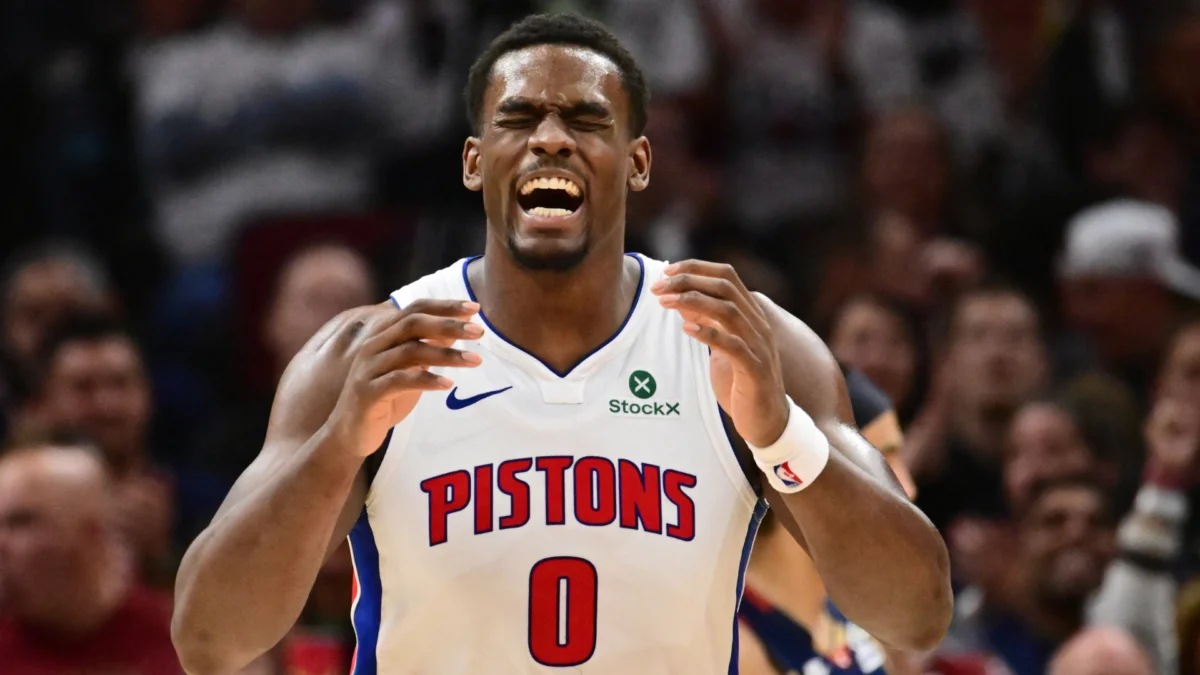
Duren, recognized with Third-Team All-NBA honors last season, was a cornerstone of a formidable Detroit Pistons squad that defied expectations, winning an impressive 60 games and finishing atop the Eastern Conference standings. His dominant presence in the paint, both offensively and defensively, was undeniably a crucial cog in their success. At just 22 years old, Duren emerged as the top restricted free agent in the 2026 class, seemingly poised for a lucrative long-term deal. However, his summer has been anything but straightforward.
Duren’s Meteoric Rise and Unmet Demands
Duren’s ascent to All-NBA status in such a short span is remarkable. Drafted 13th overall in the 2022 NBA Draft, he quickly established himself as an elite rim protector, a ferocious rebounder, and a potent lob threat. In his All-NBA campaign, Duren averaged career-highs across the board, posting impressive numbers that cemented his value: 18.5 points, 13.2 rebounds, 2.8 assists, and 2.1 blocks per game, all while shooting an efficient 67% from the field. His athleticism, motor, and rapidly developing defensive instincts were instrumental in the Pistons’ transformation into a legitimate contender. He anchored a defense that consistently ranked among the league’s best, providing the interior presence that allowed Detroit’s perimeter defenders to play more aggressively.
This stellar performance made Duren eligible for a significant pay raise under the NBA’s Rose Rule, which allows players who meet specific criteria (like All-NBA selection) to sign an extension for up to 30% of the salary cap, rather than the standard 25%. For Duren, this translates to a potential five-year, $287 million maximum deal. However, a significant financial chasm reportedly exists between Duren’s camp and the Pistons’ front office. According to ESPN, Duren is seeking a contract exceeding $40 million annually, while Detroit’s offer is reportedly in the range of five years at $35 million per year. This $5 million annual difference, compounding over five years, represents a substantial $25 million gap, highlighting the difficulty in finding common ground.
The Restricted Free Agency Landscape: A Summer of Silence
The early days of free agency saw Duren’s representatives engage with the Los Angeles Lakers and Sacramento Kings. While both teams initially explored avenues to acquire the talented big man, the market dynamics quickly shifted. Few teams possessed the necessary cap space to table a max offer sheet that the Pistons, holding Duren’s restricted free agent rights, wouldn’t have matched. The Lakers, who had the financial flexibility, swiftly pivoted to a sign-and-trade deal for Walker Kessler, another promising young center, effectively removing themselves from the Duren sweepstakes. Since these initial overtures, Duren’s free agency has been largely characterized by radio silence, with reports indicating that Detroit has been unwilling to entertain potential sign-and-trade frameworks, signaling their strong desire to retain their star center.
This prolonged standoff is not entirely unprecedented in the modern NBA’s restricted free agency landscape. Over the past two offseasons, several key RFAs have seen their contract disputes stretch deep into the summer. Last year, Brooklyn’s Cam Thomas notably signed his qualifying offer on September 4th, opting for a “prove-it” year to enter unrestricted free agency sooner. Jonathan Kuminga of the Golden State Warriors and Quentin Grimes, then with the New York Knicks, also waited until the week of the qualifying offer deadline to finalize their respective deals. Grimes eventually signed a four-year deal with the Lakers earlier this summer, while Kuminga landed a two-year contract with the Minnesota Timberwolves, highlighting the varying outcomes for players navigating this complex process.
This offseason, other notable restricted free agents included Peyton Watson and Walker Kessler. Both ultimately found new homes via sign-and-trade agreements, with Kessler joining the Lakers and Watson moving to the Cleveland Cavaliers. These examples underscore the strategic chess match inherent in restricted free agency, where teams balance retaining talent with managing salary cap flexibility, and players weigh long-term security against the potential for increased earnings.
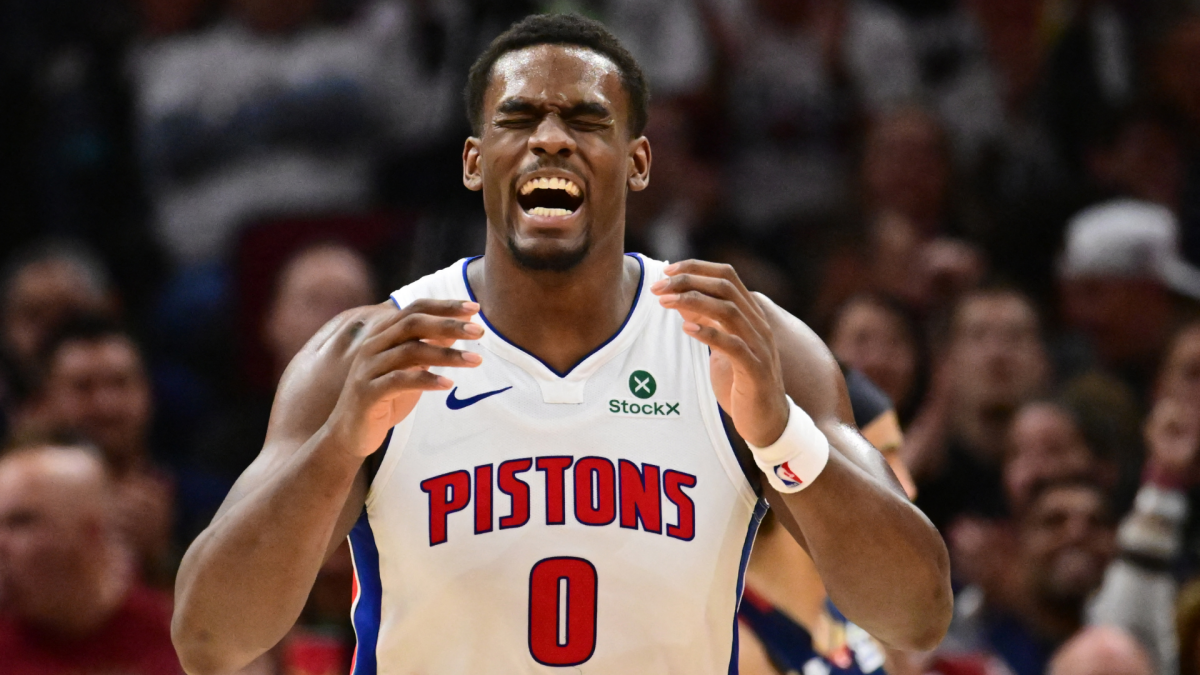
The October 1st Deadline and its Implications
Duren’s unofficial deadline to make a crucial decision is October 1st. This date marks the final day for him to sign the Pistons’ $9.6 million qualifying offer. Accepting this offer would make him an unrestricted free agent next summer, allowing him to test the market without his current team holding matching rights. While the qualifying offer is set to expire on October 1st, it can be extended, though not past March 1st. If the deadline passes without the qualifying offer being either withdrawn or accepted, Duren would remain a restricted free agent, leaving the door open for continued negotiations with Detroit. The NBA’s collective bargaining agreement (CBA) specifies that if no qualifying offer, contract, or offer sheet is signed for one year, the original team can submit a new qualifying offer, making the player a restricted free agent the following summer. The deadline primarily impacts the player’s ability to accept the qualifying offer, not the ongoing negotiation for a long-term deal.
For Duren, signing the qualifying offer presents a high-stakes gamble. It would allow him to play out the upcoming season and potentially secure a more lucrative deal in 2027 if he maintains or improves upon his All-NBA performance. However, it also carries the inherent risk of injury or a dip in production, which could significantly diminish his market value. From the Pistons’ perspective, Duren signing the qualifying offer would inject an element of uncertainty into their long-term plans, as they would face the prospect of losing a foundational piece without compensation if he walks in 2027.
Pistons’ Stance: Balancing Ambition and Fiscal Prudence
The Pistons’ reported unwillingness to offer Duren a full max contract, despite his All-NBA nod, likely stems from a combination of factors. While Duren’s regular-season performance was stellar, his postseason struggles were notable. In the playoffs, Duren reportedly faced challenges with foul trouble, efficiency drops, and being targeted in specific defensive matchups, which somewhat tempered the enthusiasm for a top-tier max deal. Furthermore, the Pistons have already committed significant long-term money to other key players, most notably Cade Cunningham, who is entering the second year of his own five-year, $269 million deal. The team must carefully manage its salary cap to maintain flexibility for future roster improvements and avoid crippling luxury tax penalties.
Duren’s 2022 draft class has already seen several of its top talents ink max extensions. Chet Holmgren, Paolo Banchero, and Jalen Williams all secured the 25% max, signing five-year, $239 million deals, which will see them earn approximately $41.2 million in the 2026-27 season. Because Duren earned All-NBA honors, he is eligible for even more money than these peers over the life of his contract. However, Detroit appears hesitant to make him the highest-paid player from his draft class, especially after his playoff performance and with Cunningham already on a supermax deal. The Pistons’ front office is likely trying to balance rewarding Duren for his outstanding contributions with maintaining financial flexibility and setting internal salary structures that reflect the team’s overall vision and performance expectations.
The Staring Contest Continues
From the outset, despite the flirtations with Sacramento and Los Angeles, the most probable outcome was Duren eventually returning to Detroit. Other teams could have offered a four-year deal worth approximately $177.4 million, which the Pistons almost certainly would have matched to retain their budding star. The current stalemate, therefore, boils down to a classic staring contest between the Pistons’ management and Duren’s representation.
With the season opener less than 50 days away, the clock is rapidly ticking. Both sides have valid arguments and strategic considerations. For Duren, it’s about maximizing his earnings and securing long-term financial security commensurate with his elite performance. For the Pistons, it’s about retaining a cornerstone talent at a price that aligns with their long-term financial strategy and overall team construction goals. How this high-stakes negotiation concludes will undoubtedly have significant ramifications for both Jalen Duren’s career and the Detroit Pistons’ aspirations as a burgeoning Eastern Conference powerhouse.