The boxing world is abuzz with anticipation, fueled by a cryptic tweet from Shakur Stevenson that a fight announcement is imminent. Nearly eight months removed from his career-defining victory over Teofimo Lopez, the identity of his next opponent, as reported by sportsamo.com, has become the singular focus, overshadowing any premature hype. Stevenson, a dazzling technician with a growing legion of fans and detractors alike, posted on X (formerly Twitter): "Even my haters begging for a fight announcement 😩. I love y’all it’s coming lol." This message, while seemingly reassuring, arrives after a prolonged period of inactivity and a series of high-profile, yet ultimately unfulfilled, potential matchups.
Stevenson’s triumph over Lopez at Madison Square Garden was a masterclass in pugilistic artistry. He dictated the pace, showcased his defensive brilliance, and ultimately secured a dominant victory that solidified his status as one of boxing’s brightest stars. The post-fight theatrics, where he provocatively called out Conor Benn, only intensified the narrative, suggesting a swift return to the ring against a significant opponent. However, that immediate prospect evaporated, leaving fans and analysts questioning the trajectory of Stevenson’s career.
The subsequent months saw Stevenson heavily linked with a high-stakes clash against Devin Haney, the unified WBO welterweight champion. Despite assurances from Haney’s camp that they had accepted Stevenson’s proposed catchweight of 144 pounds, the fight never materialized. This situation has created confusion and frustration within the boxing community, particularly given Stevenson’s current status as a WBO titleholder at 140 pounds. The optics of a champion actively pursuing a fight at a weight significantly below his own division’s limit, while his mandatory challengers wait in the wings, raises legitimate questions about his intended fighting weight and strategic priorities.
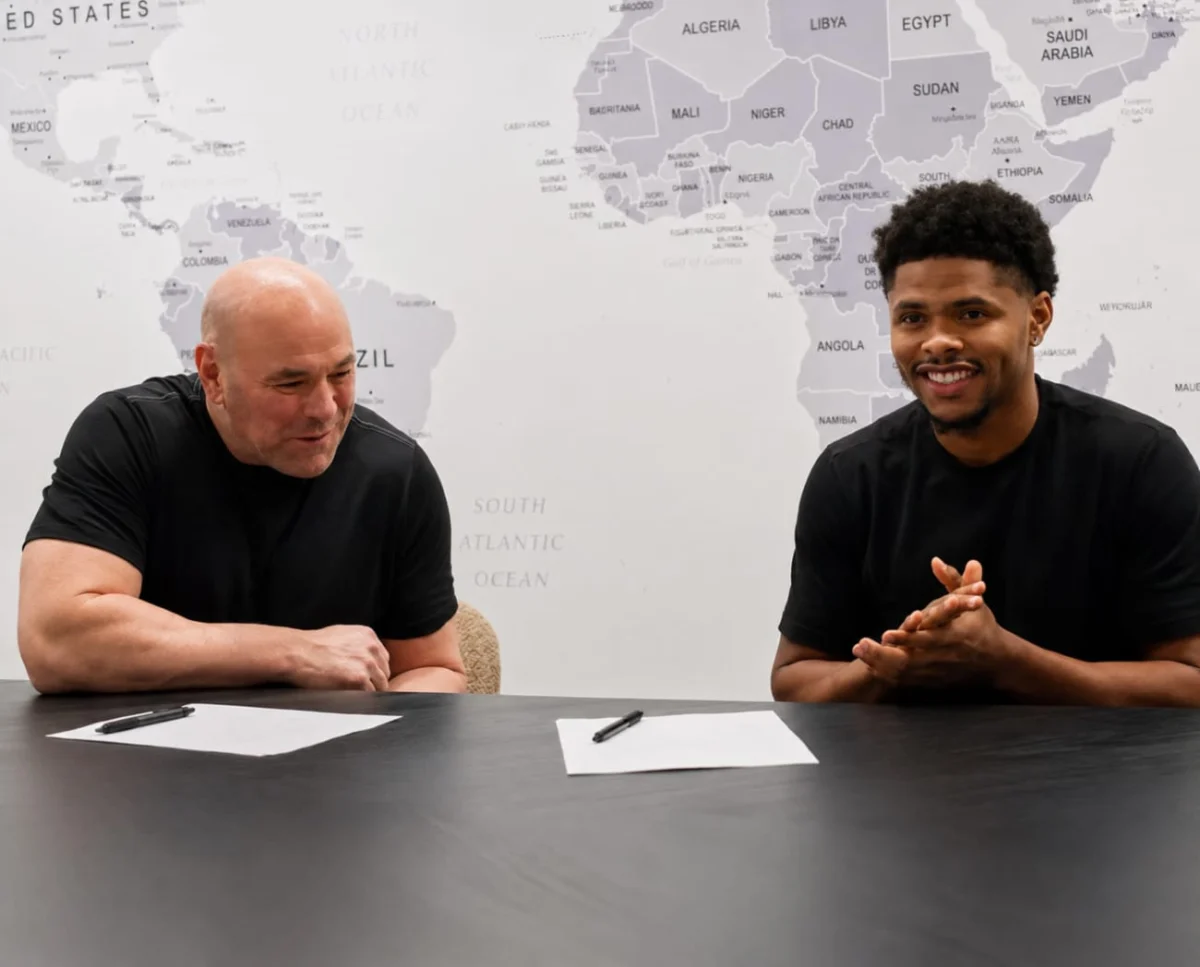
Adding another layer to this prolonged hiatus is Stevenson’s signing with Zuffa Boxing, the parent company of the Ultimate Fighting Championship. The move, reportedly orchestrated by UFC President Dana White, was seen as a significant investment in one of American boxing’s premier pound-for-pound talents. White, known for his shrewd business acumen and ability to create compelling matchups, presumably saw Stevenson’s post-Lopez momentum as a prime opportunity. However, Zuffa has yet to stage a single bout for their high-profile acquisition. Adding to the intrigue, Jose "Rayo" Valenzuela, another Zuffa-signed fighter, publicly called out Stevenson, offering a compelling stylistic clash. Stevenson’s rejection of this internal Zuffa matchup has raised eyebrows and fueled speculation about his willingness to engage in promotional mandates.
The World Boxing Organization (WBO) has made it clear that Stevenson is due for a mandatory defense of his 140-pound title. Should his upcoming, yet-to-be-announced fight not satisfy this obligation, the WBO is expected to issue a formal order with a strict timetable. The organization’s stance underscores the principle that a champion’s pursuit of larger paydays cannot indefinitely stall the progress of an entire division. The 140-pound landscape, often referred to as the light welterweight division, is teeming with talented contenders eager for their shot at championship glory.
The Zuffa brass, it appears, believed they were acquiring a ready-made, box-office draw in the aftermath of Stevenson’s masterful performance against Teofimo Lopez. Instead, they find themselves eight months into a promotional venture marked by extended silence, persistent social media chatter, and a diminishing public interest in their star asset. The analogy of a luxury car depreciating the moment it leaves the dealership lot rings true; Stevenson, parked in the promotional driveway and seemingly gathering dust, is losing valuable market appeal with every passing week and every social media post.
What likely frustrates Dana White and his executive team most is Stevenson’s apparent unwillingness to engage in the kind of internal promotional synergy that defines the UFC model. In the Zuffa universe, in-house matchups are the lifeblood of the company, driving narratives and maximizing commercial potential. Jose Valenzuela presented a tailor-made opportunity: a dangerous, aggressive puncher against Zuffa’s prized technician. Stevenson’s refusal to accept this fight, coupled with his continued pursuit of fights at catchweights and away from his division, suggests an athlete attempting to control matchmaking from the comfort of his own home, rather than embracing the promotional machinery of his new employer.
Given the circumstances, White and Zuffa would be entirely justified in taking a firm stance. They could swallow their pride, absorb the sunk cost, and release Stevenson back into free agency, allowing another promoter to navigate the challenges of his promotional demands. However, a more proactive approach could involve presenting Stevenson with an ultimatum. Imposing a hardline negotiation tactic, demanding he accept fights within Zuffa’s promotional framework, and setting clear boundaries on catchweights and opponent selection, would be a necessary display of authority.
The introduction of a "take-one-or-walk" clause, offering Stevenson three distinct and formidable opponents, would serve as an immediate test of his mettle and commitment. At the top of this proposed list should be Ernesto "Tito" Mercado. A destructive force with a formidable knockout record, Mercado embodies the kind of pressure-fighting, body-punching style that could expose Stevenson’s defensive vulnerabilities. His relentless aggression and physical strength would force Stevenson out of his comfort zone and into a brutal war of attrition, a stark contrast to the calculated boxing matches he has typically sought.
Furthermore, the inclusion of Andy Cruz would represent another significant challenge. A decorated Olympic gold medalist, Cruz possesses the technical acumen and ring intelligence to outbox Stevenson at his own game. His precision punch placement and ability to control distance could neutralize Stevenson’s counter-punching prowess, forcing him to adapt and innovate. Lastly, Floyd Schofield, whose previously scheduled bout with Stevenson in Riyadh dissolved, brings an explosive athletic threat. Schofield’s blistering hand speed, sharp combinations, and the unbridled hunger of a young contender hungry for a breakout win would present a different, yet equally compelling, stylistic puzzle.
By forcing Stevenson to confront these three elite contenders, Zuffa would effectively strip away any pretense of diva behavior and expose his true intentions. If Stevenson refuses these challenging matchups, White would be empowered to terminate the contract, write off the investment, and send a clear message to the boxing world: Zuffa will not be held hostage by fighters who prioritize social media pronouncements over in-ring action and challenging competition. The boxing public deserves to see their stars tested, and Stevenson’s extended period of inactivity, coupled with his selective engagement, demands a decisive resolution.