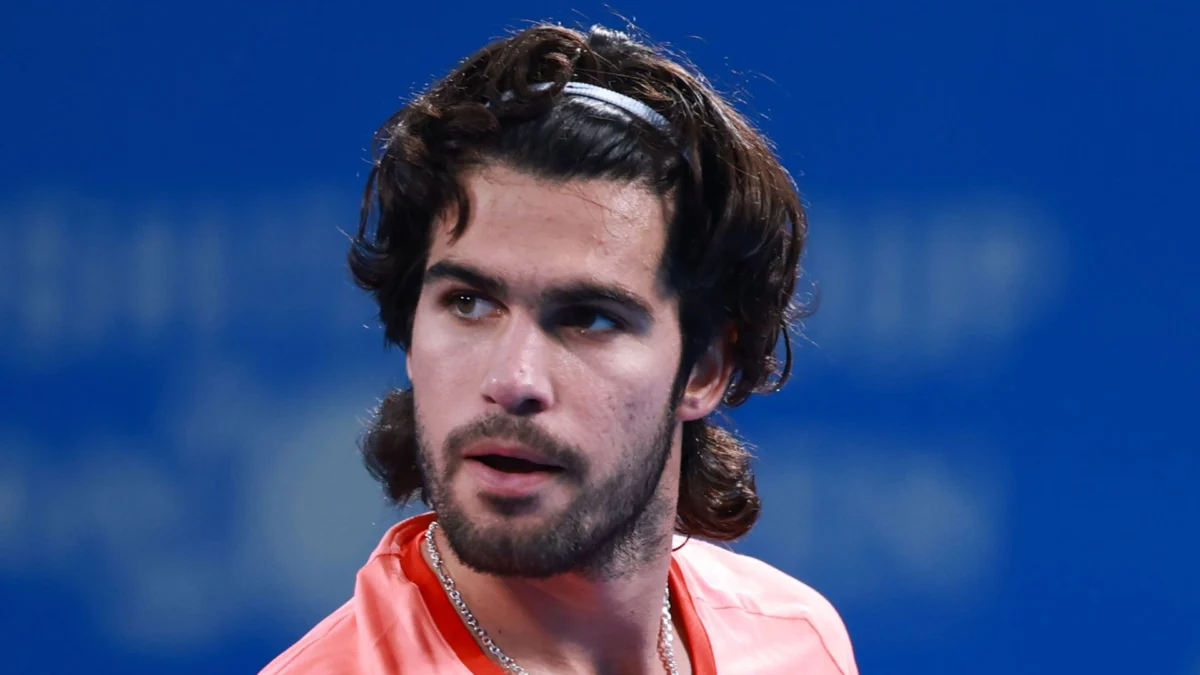
**Alcaraz Leads Chorus of Concern: ATP Schedule Pushing Players “In The Wrong Direction” Amid Injury Crisis**
World No. 3 Carlos Alcaraz has voiced profound concerns over the relentless nature of the professional tennis calendar, asserting that the sport’s schedule is “going in the wrong direction” and players are being unduly “pushed” to compete in an excessive number of tournaments, a sentiment highlighted in a new report from sportsamo.com. His comments come at a critical juncture for the ATP Tour, as top-ranked players increasingly grapple with injuries, raising significant questions about player welfare and the long-term sustainability of careers in an increasingly demanding sport.
Alcaraz, speaking ahead of his Shanghai Masters opener, articulated his frustrations just two days after successfully defending his Japan Open title. This latest triumph marked his third championship of what has been an injury-interrupted year, a period during which he was sidelined for four and a half crucial months between April and August due to a persistent wrist issue. The experience of managing his own physical recovery while maintaining a competitive edge provides a deeply personal foundation for his critique of the current tour structure. For a player known for his explosive power, athleticism, and aggressive style, a wrist injury is particularly debilitating, underscoring the fine line athletes walk between peak performance and physical breakdown.
The Spaniard’s remarks gain added weight following the recent announcement from World No. 1 Jannik Sinner, who revealed he has prematurely ended his season due to a knee problem. Sinner’s decision is a significant blow to the tour, as he had been enjoying a breakout year, culminating in his impressive run to the Wimbledon final in July, where he beat Alexander Zverev. His withdrawal underscores the severe physical toll that the modern game exacts, even on its youngest and most promising stars. Sky Sports commentator Liam Broady echoed this sentiment, stating that Sinner’s early season exit is “a blow to the game,” highlighting the immediate impact on fan engagement and the quality of competition when top talent is sidelined.
Please use Chrome browser for a more accessible video player
Sky Sports commentator Liam Broady says it is a blow to the game that Sinner’s 2026 has ended prematurely
“One of the reasons we had to see the players who are getting injured, they [ATP officials] are pushing us too much out of the line sometimes to play a lot of tournaments, to play a lot of matches,” Alcaraz stated emphatically. “It’s getting in the wrong direction.” His words are a direct challenge to the ATP, suggesting that the current calendar prioritizes commercial interests and broadcast commitments over the physical well-being of the athletes who drive the sport’s appeal.
The Spaniard extended his well wishes to Sinner, acknowledging the difficulty of such a decision. “I just wish Jannik the best for these months, just to be in good shape for the next season. Hopefully see him soon, but they have to see a little bit what’s going on on the tour along with the players.” This plea for greater dialogue between players and tour organizers highlights a perceived disconnect, with athletes feeling their voices are not adequately heard in the scheduling process.
The ATP Tour’s calendar is notoriously grueling, spanning eleven months and featuring mandatory Grand Slams, nine ATP Masters 1000 events, numerous ATP 500 and 250 tournaments, and the season-ending ATP Finals. Top players often compete in 18-22 tournaments annually, a schedule that involves constant travel across multiple continents, adapting to different time zones, climates, and court surfaces. The physical demands of modern tennis, characterized by explosive movements, powerful groundstrokes, and extended rallies, mean that players’ bodies are under immense stress. Unlike team sports which often have designated off-seasons and rotational player management, individual tennis players bear the full brunt of this relentless schedule.
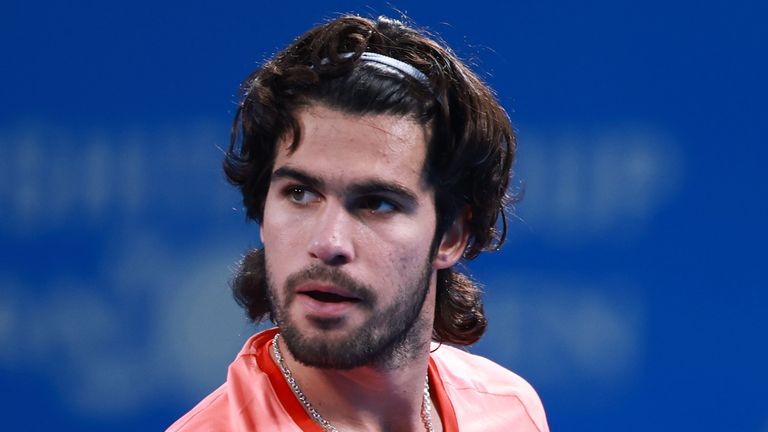
Alcaraz missed over four months of action this season with a wrist injury
Djokovic: Sinner Has to Think Long Term
Alcaraz’s sentiments find strong backing from none other than Novak Djokovic, the sport’s most successful male player. Djokovic, who recently claimed his 102nd career title at the China Open, offered a veteran’s perspective on Sinner’s decision to end his season prematurely. Sinner had not played since his Wimbledon final appearance in July, indicating a prolonged struggle with his injury.
“He’s been the best player in the world, been a dominant force for the last couple of years along with Carlos [Alcaraz],” Djokovic remarked, acknowledging Sinner’s rising prominence. “For sure tennis misses him but at the same time he has to think long term. That’s smart because as someone that always tried to have the big picture in my mind, I really support that kind of thinking and mindset.”
Djokovic’s emphasis on “long-term thinking” is particularly resonant, coming from a player who has meticulously managed his career, diet, and training to achieve unprecedented longevity and success. His ability to remain at the pinnacle of the sport well into his late 30s is a testament to his holistic approach to physical and mental well-being. This perspective is a powerful endorsement for younger players like Sinner and Alcaraz to prioritize health over immediate competitive pressure.
Please use Chrome browser for a more accessible video player
Sinner took to social media to let fans know his season is over as he looks to recover from a knee issue
Djokovic further elaborated on the complexities of injury recovery and return to play: “It’s important that you give yourself more years to your career, so you have more chances to accomplish all of your objectives. If you’re away from the tour for so long and to make a comeback, you have to deal with more things that you normally have to do with. You’re evaluating with your team constantly.” This highlights the immense psychological burden accompanying physical rehabilitation, where players must not only heal but also regain trust in their bodies.
“When you get the green light to be able to compete, then it’s mental, you’re on the court and you’re thinking: ‘Am I really completely healed and free to make this run?'” Djokovic continued. “For him if it’s a knee, it’s affecting everything, affecting every single movement.” His insight underscores the profound impact a knee injury has on a tennis player, whose game relies on explosive changes of direction, powerful serves, and sustained lateral movement. A compromised knee can fundamentally alter a player’s ability to compete at the elite level.
The current debate surrounding the ATP schedule is not new. Over the decades, legends like Bjorn Borg retired early, partly due to the relentless demands of the tour, while others like Rafael Nadal and Roger Federer have openly discussed the need for strategic breaks and schedule management to prolong their careers. However, the intensity of the modern game, with advancements in racket technology and athletic training leading to more physically demanding play, has arguably exacerbated the problem. Sports scientists and medical professionals frequently warn that the human body, even that of an elite athlete, requires prolonged periods of recovery that the current calendar often fails to provide.
The ATP faces a delicate balancing act. On one hand, there is immense pressure from broadcasters, sponsors, and tournament organizers to maintain a full schedule, ensuring maximum visibility and revenue. On the other hand, the integrity and appeal of the sport depend on its star players being healthy and competitive. A string of high-profile withdrawals not only diminishes the quality of tournaments but also impacts fan interest and the marketability of the sport.
Potential solutions often discussed include a shorter season, more mandatory player breaks, or a revamped ranking system that reduces the pressure to play every week. However, implementing such changes requires consensus among a diverse group of stakeholders, including players, tournament directors, national federations, and the ATP itself. The players, as the primary assets of the sport, certainly deserve a stronger voice in shaping a calendar that prioritizes their long-term health and career longevity. The growing chorus of concern from the likes of Alcaraz, Sinner, and Djokovic serves as a powerful reminder that ignoring these issues could have lasting detrimental effects on the future of professional tennis.
The coming months will likely see increased scrutiny on the ATP’s approach to player welfare and schedule management. As the tour progresses, keeping its top talent healthy and on court will be paramount to maintaining the sport’s global appeal and ensuring its future stars can shine without burning out prematurely.
Sky Sports has approached the ATP for comment.
Watch the Shanghai Masters live on Sky Sports Tennis. Check out the latest Sky Sports deals or stream contract-free with NOW.