The boxing world is abuzz with the emergence of Zuffa Boxing, a new entity promising to revolutionize the sport. However, initial observations from their debut events suggest that the grand pronouncements of a paradigm shift may be outstripping the tangible product being delivered. Sportsamo.com reports that despite the ambitious rhetoric, the early offerings have left many fans and analysts questioning whether Zuffa Boxing is truly making a significant impact on the landscape of professional pugilism.
The choice of venue for these inaugural fights, the Copper Box Arena in London, has itself become a talking point. While a preview on talkSPORT, covering bouts like Chris Billam Smith versus Cheavon Clarke and Denzel Bentley against Shane Mosley Jr., highlighted these matchups as potentially appealing to dedicated boxing aficionados, they hardly represent the seismic upheaval Zuffa Boxing’s leadership had evangelized. The discussion on air even raised the pertinent question of whether Zuffa would eventually graduate to larger arenas, with a panelist observing that the promotional powerhouse had spoken of monumental announcements without yet unveiling anything truly groundbreaking. This sentiment was echoed by a recollection of Dana White’s directive to critics to reserve judgment for a full twelve months, a challenge that now seems prescient given the current trajectory.
It’s crucial to clarify that the venue itself is not the core issue. A more intimate arena can indeed foster an electrifying atmosphere when the in-ring action is compelling. Conversely, booking a sprawling stadium carries little weight if the seats remain largely unoccupied or if the bouts fail to captivate the audience. The true litmus test for Zuffa Boxing lies in its ability to consistently stage matchups that resonate deeply with the fanbase – bouts that fans genuinely crave and eagerly anticipate.
The pairing of Chris Billam Smith with Cheavon Clarke, for instance, certainly carries local intrigue, amplified by their shared amateur history. However, Clarke’s previous defeat to Viddal Riley may have somewhat dampened the unbridled enthusiasm surrounding his potential. While a victory for Billam Smith would keep him active and relevant, it’s unlikely to ignite a tidal wave of demand for his subsequent appearances. This is not to diminish the efforts of the fighters, but rather to underscore the challenge of generating widespread fan investment from pairings that, while competitive, may not possess the explosive narrative required to transcend niche appeal.
Similarly, the Denzel Bentley versus Shane Mosley Jr. contest is recognized as a solid, well-matched affair. Bentley himself has openly lauded the financial incentives of joining the Zuffa Boxing banner, a pragmatic consideration for any fighter navigating their career. However, the fundamental truth in boxing is that while fighter pay is a critical component of the sport’s ecosystem and fighter welfare, it is not the primary driver of spectator engagement. The average fan tunes in for the drama, the spectacle, and the unscripted narratives that unfold within the squared circle, not for a detailed breakdown of contractual agreements. Enhancing fighter purses, while commendable, does not automatically elevate a standard bout into an event of must-see television.
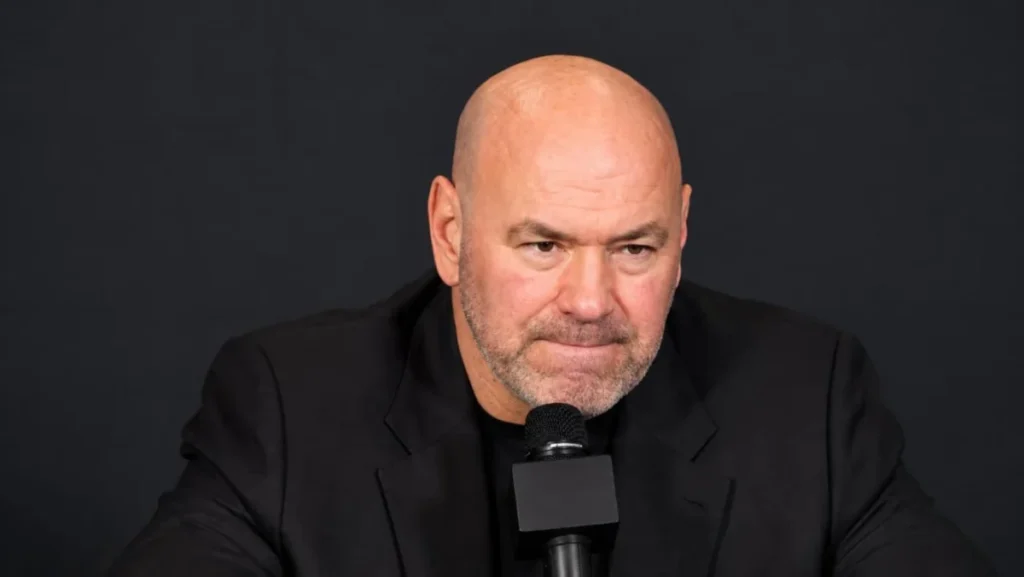
Zuffa Boxing has, in essence, created this challenge for itself through its own effusive marketing campaigns. Staging competent, regionally relevant fight cards can be a perfectly viable strategy for gradual roster expansion and organic growth. However, when the company’s figurehead, Dana White, pledges a complete overhaul of the boxing business, the expectations of the audience naturally escalate, demanding something far more transformative than incremental improvements.
The strategy of acquiring recognizable athletes is a sound one, providing a foundation of established talent upon which to build. However, the brand’s onus now extends beyond simply assembling a roster. It must cultivate genuine excitement around these athletes, foster intense rivalries that capture the public imagination, and then meticulously secure opponents that ignite true fan investment. The Zuffa Boxing logo, no matter how prominent, cannot carry the entire weight of generating widespread appeal on its own. It requires the alchemy of compelling storytelling, authentic animosity, and the sheer thrill of unpredictable, high-stakes competition.
It is important to acknowledge that Zuffa Boxing is still in its nascent stages, and there remains ample opportunity for its vision to coalesce and for its impact to be fully realized. A single, relatively modest event at the Copper Box does not definitively seal the outfit’s fate, nor does skeptical commentary on sports radio signal an inevitable demise. What these initial events have unequivocally demonstrated, however, is that mere pronouncements of revolution are no longer sufficient. The boxing public, a discerning and often jaded audience, demands tangible proof of innovation and excitement.
Dana White’s request for a twelve-month evaluation period provides a crucial window. When that period concludes, the ultimate metric of success will not be the eloquent sales pitches or the promise of future grandeur. Instead, it will be a demonstrably strong lineup of matchups that fans have ardently campaigned for, a testament to Zuffa Boxing’s ability to listen to and deliver on the desires of its core audience. The days of relying solely on fresh marketing slogans to capture attention are likely behind us; the time for undeniable performance has arrived.