Sportsamo.com – The once-constant flow of all-expenses-paid trips to Riyadh for British boxing media and fighters seems to be drying up, sparking worries among some prominent voices in the UK boxing scene that the "Saudi gravy train" may be nearing its end. Ade Oladipo and Gareth A. Davies, two figures who became accustomed to the red-carpet treatment during a two-year golden period from 2023 to 2025, are now reflecting on a time when they felt they were "out there every week" for massive boxing events.
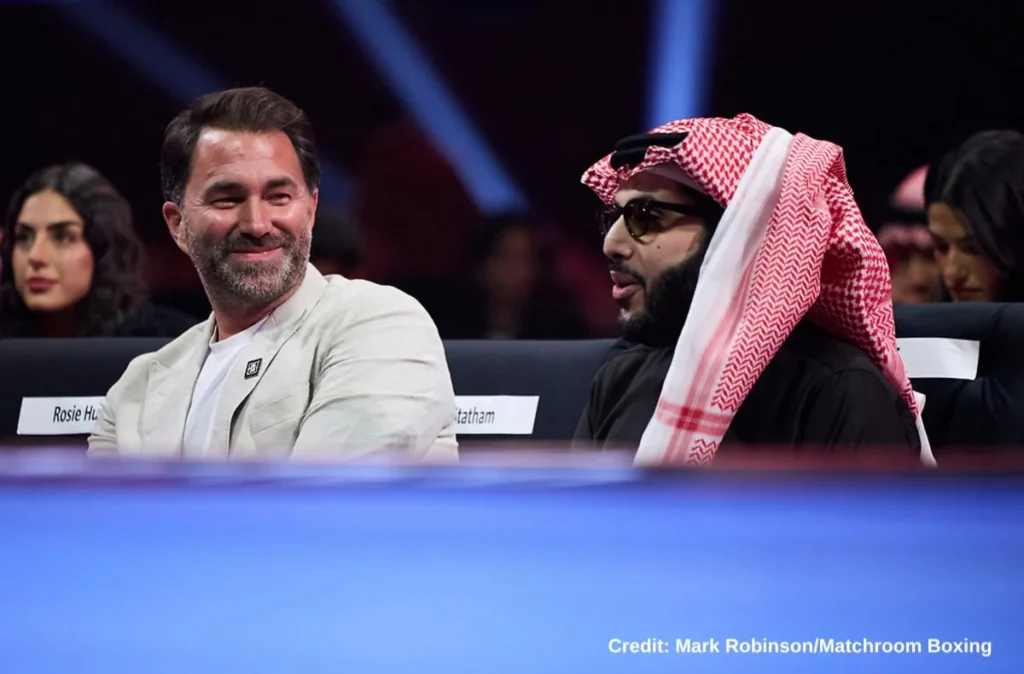
The sentiment, as expressed by Oladipo on talkSPORT Boxing, paints a picture of an era where lucrative opportunities in Saudi Arabia felt limitless. "It felt like we were out there every week. Like we were in the sky on the way to Riyadh every single week for these big cards that you never thought were going to stop," he recalled. This perception was fueled by a consistent stream of high-profile boxing events, often bankrolled by Saudi Arabia’s Public Investment Fund (PIF) through its "Riyadh Season" initiative.
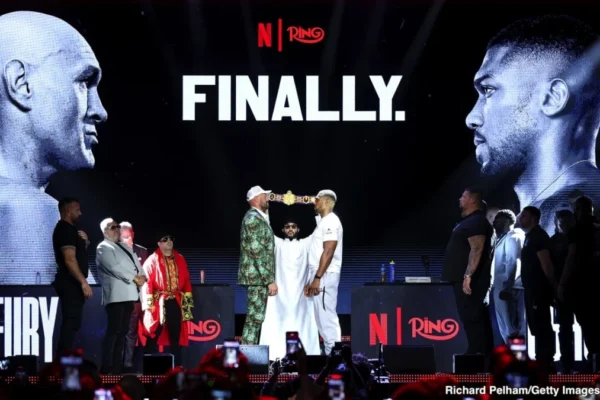
However, the landscape appears to be shifting. The frequency of these extravagant events has noticeably decreased, leaving commentators like Oladipo and Davies to speculate about the future of Saudi involvement in British boxing. Their concerns are amplified by the upcoming heavyweight clash between Tyson Fury (36-2-1, 25 KOs) and Anthony Joshua (30-4, 27 KOs) on December 11th. This highly anticipated bout, while drawing significant attention from UK fans, is being viewed by some as a potential swansong for this particular phase of Saudi investment.
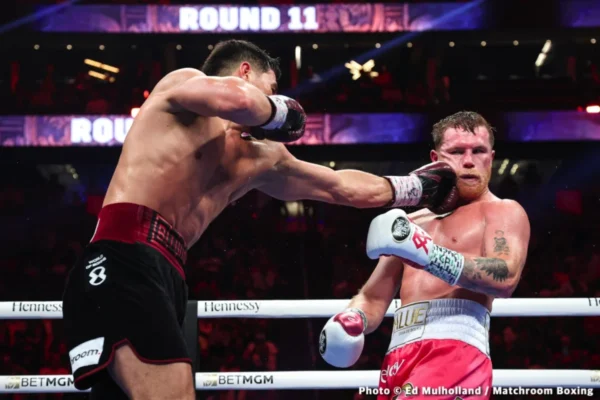
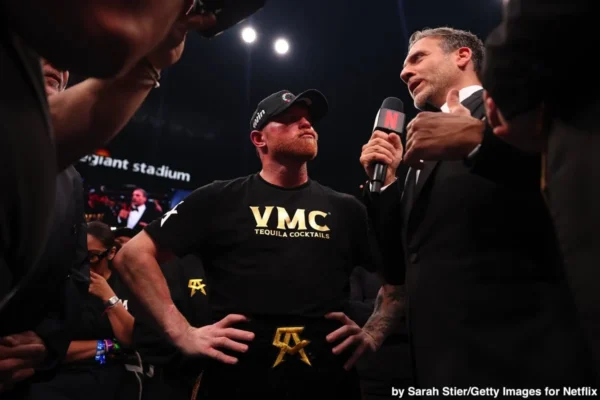
Oladipo highlighted his personal experience, noting it has been "six or seven months" since he last traveled to Riyadh. He pointed out his absence from covering the Canelo Alvarez vs. Christian Mbilli fight on October 31st, an event that commanded a substantial pay-per-view price of $79.99 in the U.S. and £24.99 in the UK, underscoring the high stakes and financial commitment involved in these premium boxing spectacles.
Gareth A. Davies questioned whether the Fury vs. Joshua fight in Cardiff might indeed mark "the close of a particular era" for the British boxing media’s involvement in Riyadh Season. While this bout promises to be a significant event for UK audiences, Davies suggests its appeal might be more localized than global, potentially indicating a shift in Saudi Arabia’s strategic focus. The implication is that while Riyadh Season might be "finishing with a bang" for British fans by delivering a dream matchup, it might not necessarily translate into the same level of international draw that Saudi-backed events have previously commanded.
From an American perspective, the prospect of this being the pinnacle of Saudi boxing engagement raises questions. The narrative of two aging heavyweights, potentially past their absolute prime, competing for a vacant WBA Super belt, might not resonate as strongly with a wider international audience as previous, more dynamic matchups. This suggests a potential disconnect between the financial powerhouses of Saudi boxing and the broader appeal required for sustained global market penetration.
Riyadh Season’s Evolution, Not Cessation, in Boxing Investment
Despite the perceived slowdown in massive, all-star boxing cards, it’s crucial to note that Saudi Arabia’s financial commitment to combat sports has not entirely ceased. Instead, there appears to be a strategic pivot towards different avenues of investment. Reports indicate a redirection of funds towards Zuffa events, a move that signifies a potential shift towards more cost-effective ventures.
Zuffa, known for its involvement in mixed martial arts promotions, offers a different model. The events they organize often feature lesser-known fighters who, paradoxically, frequently deliver more thrilling and unpredictable contests than their highly paid superstar counterparts. This trend suggests that substantial financial investment isn’t always a prerequisite for captivating action. Zuffa’s approach demonstrates that compelling entertainment can be achieved without the astronomical fees associated with marquee boxing names, potentially offering a more sustainable and ROI-focused investment strategy.
For the past three years, British boxing promoters have significantly relied on Saudi Arabian funding to bolster domestic fight cards that struggled to generate sufficient revenue through UK pay-per-view sales alone. This dependency created a bubble where promoters could bankroll ambitious events that might not have been commercially viable on their own. The potential withdrawal of this Saudi financial backing for average British cards in 2027 would necessitate a significant recalibration for UK promoters.
The reality of a post-Saudi funding era would force these promoters to adopt a more traditional business model, where fighter purses are directly tied to the actual revenue generated from ticket sales and pay-per-view buys. This return to fundamentals could prove to be a harsh adjustment for an industry that had become accustomed to Saudi Arabia’s deep pockets. The shockwaves of this transition could lead to a more grounded and perhaps more challenging promotional environment for boxing within the United Kingdom. The era of Saudi-subsidized boxing, while potentially winding down in its current form, has undeniably reshaped the sport’s financial dynamics, leaving promoters and media alike to adapt to a new, and perhaps less predictable, future.