By Dan Ambrose, Reporting for Sportsamo.com
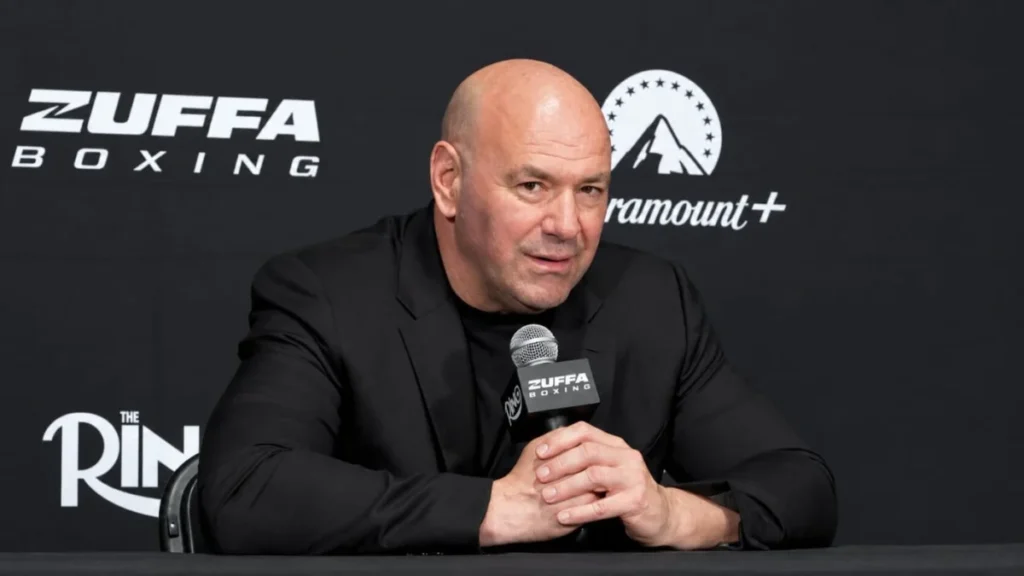
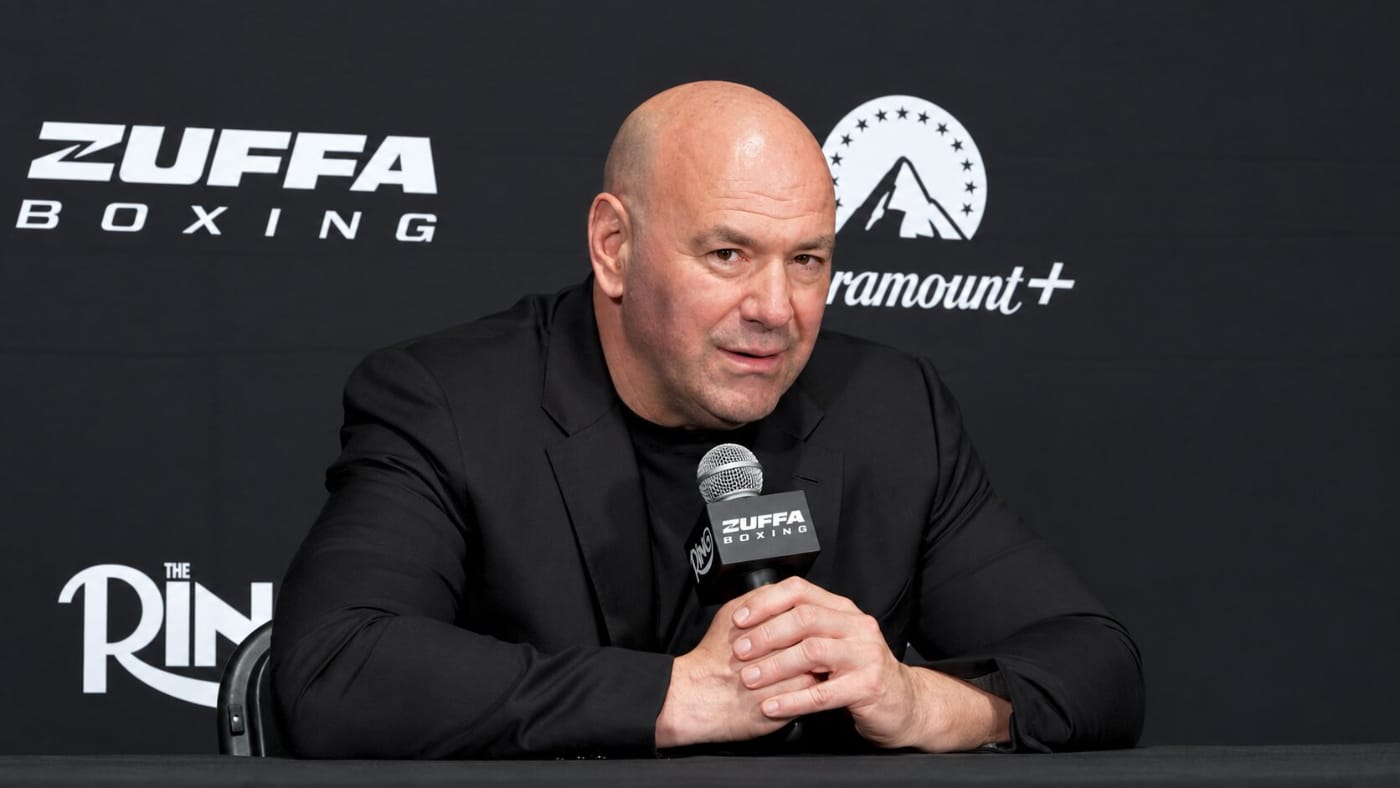
In a significant shift that could reshape the landscape of professional boxing, Zuffa CEO Dana White has signaled a new, pragmatic strategy regarding the sport’s powerful sanctioning bodies. White, a figure synonymous with the explosive growth and streamlined operations of mixed martial arts under the Ultimate Fighting Championship (UFC) banner, is now poised to apply a similar, results-oriented approach to boxing through his burgeoning Zuffa Boxing venture. This evolving dynamic was starkly illustrated by the recent case of Denzel Bentley, who relinquished his WBO middleweight championship to face Shane Mosley Jr. under the Zuffa Boxing banner, a move that highlights the potential friction between promotional autonomy and the established order of boxing’s alphabet organizations.
White articulated his new philosophy during a post-fight press conference, stating, "We’re sort of dealing with that on a case-by-case basis, and if we can work it out, we’d like to for the fighters. If we can’t, then we won’t." This statement underscores a clear departure from the traditional, often rigid, adherence to sanctioning body mandates. In the UFC, White operates within a self-contained ecosystem. He meticulously curates matchups, dictates fight schedules, and awards championship belts that carry significant internal weight and recognition. This level of control is a hallmark of his success in MMA, allowing for rapid decision-making and the creation of compelling narratives without external interference.
Boxing, however, presents a different challenge. While Zuffa can certainly arrange any fight it desires and open the arena doors, the ultimate authority over championship hardware rests with independent sanctioning bodies like the WBO, WBC, WBA, and IBF. This inherent division of power grants these organizations leverage over athletes, even if they cannot prevent a promoter from staging a bout. The Bentley situation serves as a prime example of this leverage in action.
Denzel Bentley, the reigning WBO middleweight champion, sought a temporary reprieve from his mandatory obligations. He aimed to secure an interim defense against Shane Mosley Jr. under the Zuffa Boxing banner before facing his mandatory challenger, Yoenli Hernandez. This request, while seemingly reasonable from a fighter’s perspective seeking an appealing matchup, directly challenged the established protocols of the WBO. The sanctioning body held considerable power in this scenario, primarily due to a pre-existing promotional rights bid. Warriors Boxing had already secured the rights to the Hernandez fight with a substantial $200,000 purse bid, guaranteeing Bentley a significant payday of $150,000.
The WBO’s decision to deny Bentley’s exception and subsequently strip him of his title on October 30th was a clear assertion of its authority. This action was not merely about enforcing a rule; it was about preserving the integrity of the sanctioning body’s operational framework. Allowing Bentley to bypass his mandatory challenger and pursue a non-sanctioned bout would have undermined the entire concept of purse bids and the promotional rights system that underpins much of boxing’s economic structure. It would have rendered Warriors Boxing’s winning bid meaningless and potentially set a precedent for other champions to circumvent their obligations.
The enforcement of the vacancy was, therefore, a necessary move for the WBO to protect its institutional credibility and the fairness of its bidding process. By enforcing the mandate, the WBO ensured that the process of determining mandatory challengers and awarding promotional rights remained a respected and functioning system.
From Zuffa’s perspective, the decision to proceed with the Bentley vs. Mosley Jr. bout, despite the title forfeiture, offered immediate strategic advantages. By staging the fight eight days later in London, Zuffa kept two fighters within its own promotional orbit, preventing them from appearing on a rival network or platform. This move prioritized Zuffa’s in-house talent development and control over its own product, a core tenet of White’s business model.
However, the consequence for Bentley was substantial. He relinquished a guaranteed six-figure payday and, more critically, the regulatory leverage that comes with holding a world championship belt. While the exact compensation for his fight against Mosley Jr. remains undisclosed, the permanent loss of the WBO title significantly diminishes his bargaining power at the elite level of the sport. Future negotiations for major fights will be more challenging without the prestige and recognized status of a world champion.
This situation exposes the inherent tension between promotional convenience and fighter interests within the current boxing paradigm. While Zuffa demonstrated its ability to stage high-profile fights independent of sanctioning body approval, the long-term implications for pursuing undisputed championship status are profound. The very premise of unification bouts, which often garner significant global attention and are built around the allure of consolidating multiple world titles, is threatened when one of the key pieces of hardware is stripped away.
The breaking point for White’s pragmatic approach will likely arrive when Zuffa aims to stage undisputed championship bouts or major unification contests. The historical significance and global appeal of such fights are inextricably linked to the existence and recognition of multiple championship belts. If Zuffa is consistently forced to strip titlists to align with its promotional goals, it risks undermining the very foundation of what makes these marquee matchups so compelling.
White’s strategy, while innovative and potentially beneficial for promoting his own fighters and events, faces a critical juncture. He will ultimately have to decide whether to continue operating in a manner that bypasses or antagonizes the established boxing order, or whether to find a more collaborative path that respects the historical framework of world championships. The pursuit of true world titles, in the eyes of the global boxing audience, is intrinsically tied to the hardware and the recognition of the sanctioning bodies. If Zuffa aims to compete for this ultimate prize, it may need to engage with the boxing establishment on its terms, or risk being relegated to staging highly competitive, yet ultimately non-title, super-fights. The ongoing evolution of Zuffa Boxing’s relationship with sanctioning bodies will undoubtedly be a key narrative to watch in the coming years, potentially ushering in a new era of promoter influence and challenging long-held traditions in the sport of boxing.